
10 Reasons People Get Anxious About Phone Calls
In our fast-paced digital world, many people experience anxiety when it comes to phone calls. This phenomenon, sometimes called telephobia or phone anxiety, is more common than you might think. Despite the prevalence of texting and instant messaging, phone conversations continue to be a source of stress for many individuals.
Telephobia isn’t entirely new, affecting people of all ages. While some may experience mild discomfort, others face severe anxiety that impacts their daily lives. Here are 10 reasons why phone calls can trigger anxiety.
10. Fear of Judgment
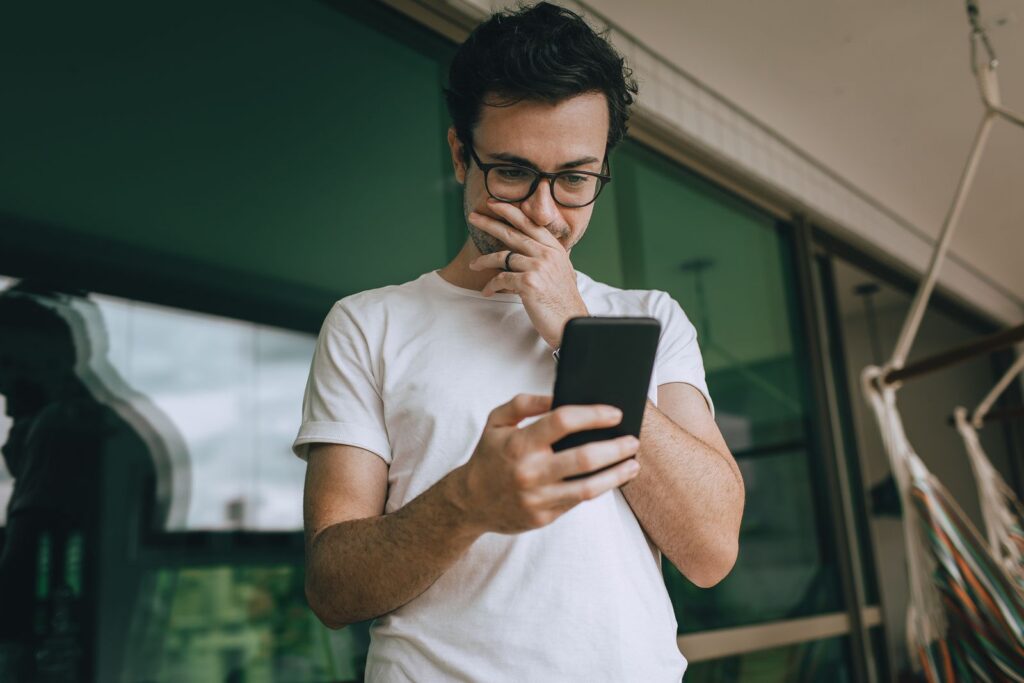
One of the primary reasons people avoid phone calls is the fear of being judged by the person on the other end. This anxiety often stems from worrying about how they will be perceived.
Whether it’s a fear of saying the wrong thing or being misunderstood, the anticipation of negative judgment can be overwhelming. This fear can resemble stage fright, where the pressure to perform well leads to anxiety.
9. Lack of Control
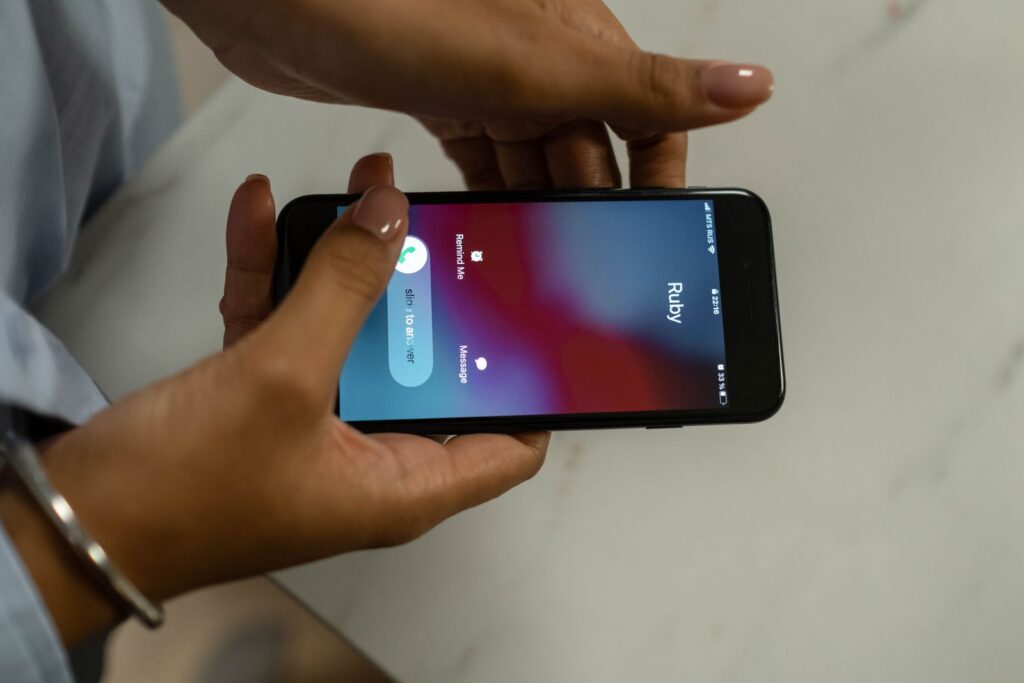
Phone calls can feel unpredictable, contributing to a sense of lost control. Unlike texting, where you have time to think and edit your responses, phone conversations require immediate reactions.
This immediacy can be intimidating, making it difficult for some to articulate their thoughts clearly. The pressure to respond promptly can heighten anxiety, especially if the conversation takes an unexpected turn.

8. Past Negative Experiences
For some, phone call anxiety is rooted in past negative experiences. A traumatic or embarrassing phone call can leave a lasting impression, making future calls feel daunting.
These memories can trigger anxiety, leading individuals to avoid phone conversations altogether. Overcoming this fear often requires addressing and reframing these past experiences.
7. Social Anxiety
Social anxiety can amplify the stress of phone calls. Those who struggle with social interactions may find phone conversations particularly challenging.
The lack of visual cues in a phone call can exacerbate feelings of awkwardness and uncertainty, making it difficult to gauge the other person’s reactions.
6. Fear of Miscommunication
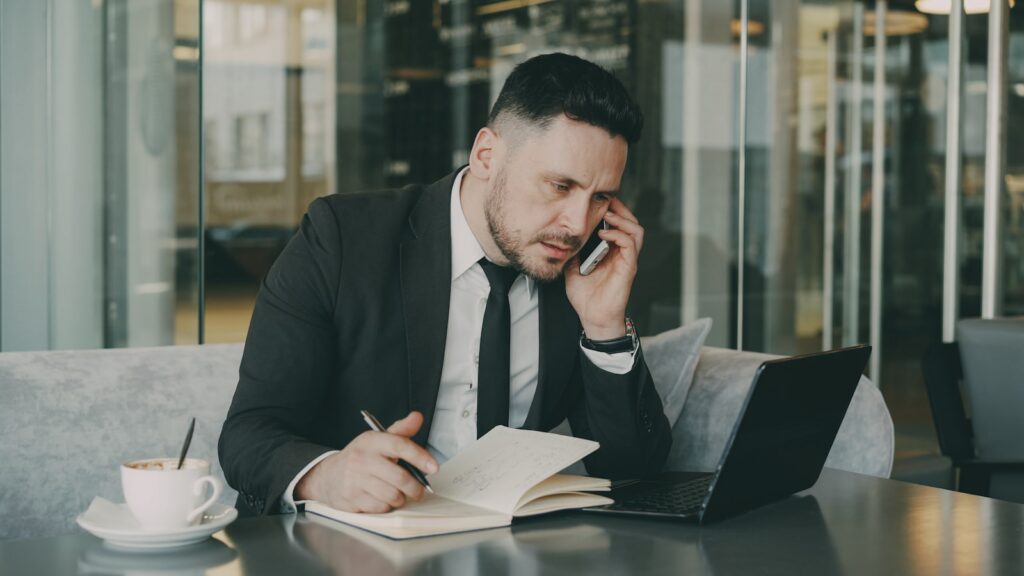
Without visual aids, phone calls rely heavily on verbal communication, which can lead to misunderstandings. The fear of miscommunicating or being misinterpreted is a common source of anxiety.
This fear can be particularly acute in professional settings, where clarity and precision are crucial. The possibility of a misstep can make phone calls feel like high-stakes interactions.
5. Pressure to Respond
Phone calls often require immediate responses, which can be stressful for those who prefer time to formulate their thoughts. The pressure to respond quickly can lead to feelings of inadequacy.
This urgency can cause individuals to second-guess their responses, increasing anxiety and making the conversation feel more difficult than it needs to be.

4. Lack of Visual Cues
Without facial expressions and body language, phone calls can feel impersonal and ambiguous. This lack of visual feedback makes it challenging to interpret the caller’s tone and intent.
For those who rely on visual cues to navigate social interactions, this absence can heighten anxiety and lead to miscommunication.

3. Overthinking
Overthinking is a common trait among those with telephobia. The anticipation of a phone call can lead to excessive worry about potential outcomes and scenarios.
This tendency to overanalyze can create a cycle of anxiety, where the fear of making a mistake overshadows the actual conversation.
2. Fear of the Unknown
The unpredictability of phone calls can be daunting. Not knowing who is calling or what the conversation will entail can trigger anxiety.
This fear of the unknown can make individuals hesitant to answer calls, preferring the safety of familiar and controlled communication methods.

1. Isolation and Stigma
Many people with telephobia may feel isolated or embarrassed, believing they are alone in their fear. This stigma can exacerbate anxiety and discourage individuals from seeking help.
Understanding that telephobia is a common issue and reaching out for support can help reduce feelings of isolation and empower individuals to overcome their fear.
Read More:
- Why Job Anxiety Is Rising: 10 Key Reasons
- 10 Tips for Helping Children and Teens Manage Anxiety
- These 20 Common Habits Are Secretly Fueling Anxiety
Ask us! What questions do you have about content, strategy, pop culture, lifestyle, wellness, history or more? We may use your question in an upcoming article!
Like MediaFeed’s content? Be sure to follow us.
This article originally appeared on Resourcebuzz and was syndicated by MediaFeed.co.