
Original vs reboot: Which movie made more at the box office?
In today’s Hollywood, reboots seem to be taking over the film industry. From rebooted sequels like “28 Years Later” to restarting superhero universes like “Superman,” reboots seem to be everywhere in theaters today and seem to be making headway at the box office.
In 2025, four of the 10 top global box office charts were reboots, playing a significant role in the rise of movies released on existing IP. We’ve compared five originals and reboots to see which saw more commercial success.
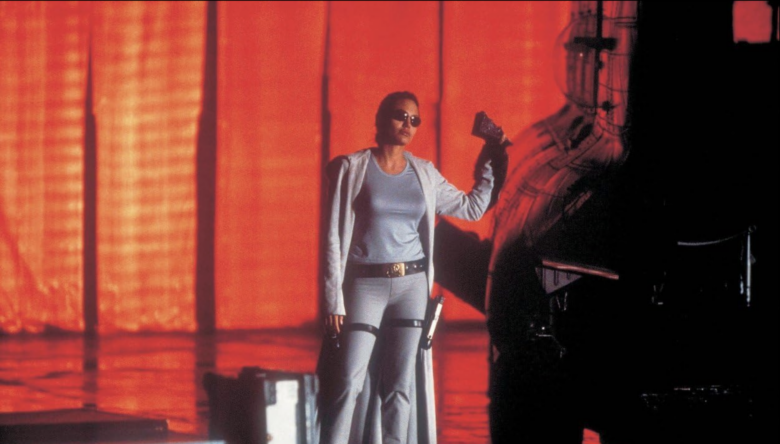
Lara Croft: Tomb Raider (2001)
Simon West’s adaptation of the classic video game follows archaeologist Lara Croft chasing down a secret society from gaining unlimited power in the world. Angelina Jolie’s “Lara Croft: Tomb Raider” is the first Hollywood adaptation of the game. Its 2003 sequel, “Lara Croft: Tomb Raider — The Cradle of Life,” was released, followed by a reboot in 2018.
Despite its 21% Rotten Tomatoes score, “Lara Croft: Tomb Raider” remains a beloved movie that captures Lara Croft’s thrilling adventures and has become an iconic Halloween costume. The movie earned $274,703,340 at the worldwide box office, which is now worth around $511 million when adjusted for inflation.

Tomb Raider (2018)
While Jolie’s Tomb Raider boasts a flashier adaptation of the video game, Alicia Vikander’s “Tomb Raider” takes a rougher, more gritty feel to the movie. An origin story for its main star, Vikander’s Lara Croft is more akin to the 2013 video game version.
With a higher Rotten Tomatoes score of 55%, the movie’s popularity strikes the same chord with both audiences and critics, with Vikander’s physical prowess being the movie’s biggest highlight. When the movie was released in 2018, it earned $274,950,803 at the worldwide box office, which is now worth around $360 million today when adjusted for inflation.
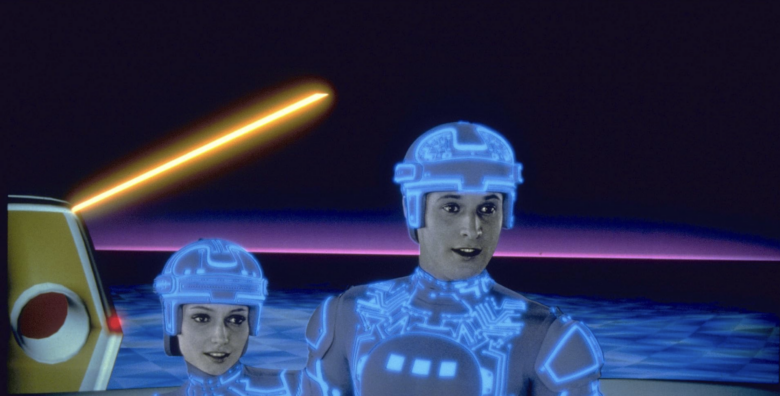
Tron (1982)
“Tron” was ahead of its time. When technology was limited, “Tron” expanded its horizons through its topical themes like Artificial Intelligence and data privacy, as well as its visual capabilities. Known for pioneering the first-ever use of CGI, “Tron” was famously disqualified from the Academy Awards since using computers for visual effects was considered cheating.
“Tron” follows computer engineer Kevin Flynn, played by Jeff Bridges, hacking into his company’s system after finding out his boss had been stealing his work. However, by hacking into the system, Flynn is transported into a digital world filled with enemies.
The movie’s innovative themes and visuals were not an immediate success; however, it became a cult classic, paving the way for the sequels “Tron: Legacy” and “Tron: Ares.” “Tron” earned around $33 million at the global box office, which is around $114 million today when adjusted for inflation.

Tron: Legacy (2010)
Following the later success of “Tron,” “Tron: Legacy” rebooted its original film by creating an entirely different storyline and bringing back only Jeff Bridges. Similar to its predecessor, the release of “Tron: Legacy” was mediocre — it was praised for its neon visuals, Daft Punk soundtrack and world-building. But its shallow character development was the movie’s biggest sore spot. “Tron: Legacy” slowly grew in popularity for its ahead-of-its-time visuals, making it a sci-fi gem.
“Tron: Legacy” was a box office success, earning $400 million globally (around $606 million when adjusted for inflation) despite its lukewarm reception.

Star Wars: Episode IV – A New Hope (1977)
Arguably one of the greatest sci-fi movies of all time, “Star Wars: Episode IV — A New Hope” was the blueprint for the genre. A universe designed to transport audiences to a world they could never imagine, “Star Wars” gave Gen Xers memories unlike any other while ushering in new generations of Star Wars fans.
With memorable characters and invigorating storylines, the entire universe has become one of the most popular franchises of all time. However, “Star Wars: Episode IV — A New Hope” remains the most valuable, earning around $775 million at the global box office, which is worth $4.2 billion today when adjusted for inflation.
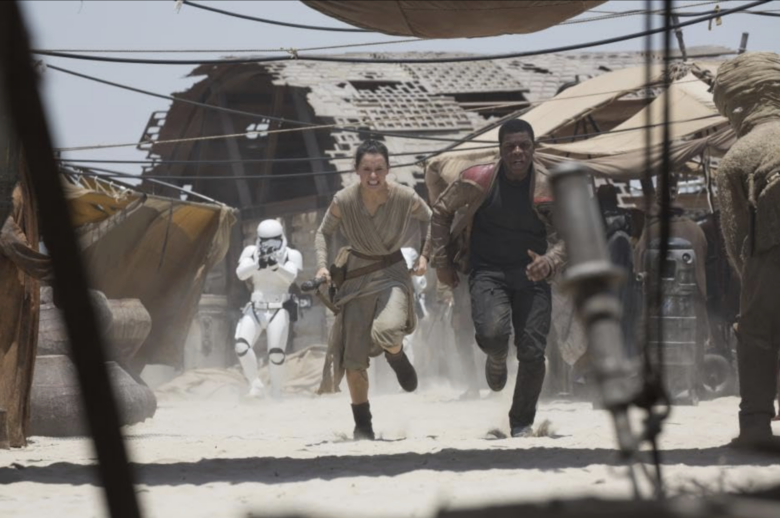
Star Wars: Episode VII – The Force Awakens (2015)
“Star Wars: Episode VII – The Force Awakens” received very mixed reviews upon its release. While the movie reignited the universe by introducing a new set of central characters, its overreliance on nostalgia and mediocre plot divided fans.
This resulted in a decrease in box office revenue. The film earned $2 billion at the global box office, which translates to $2.7 billion today when adjusted for inflation.
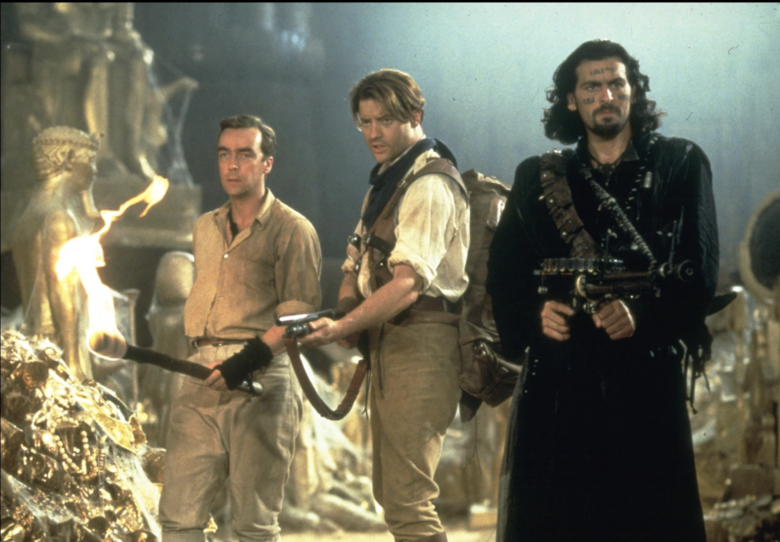
The Mummy (1999)
Though “The Mummy” from 1999 is a reboot in itself from the 1932 film of the same name, its immense charm has made the movie a standalone classic.
Brendan Fraser and Rachel Weisz’s “The Mummy” quickly became a fan-favorite for its witty adventures in saving the world from the villainous Mummy. The character’s playful banter and exhilarating action sequences cement themselves as a quintessential adventure movie — evident with its 64% Rotten Tomatoes score and 75% Popcornmeter score.
With its $417 million global box office revenue ($827 million when adjusted for inflation), “The Mummy” has become a cherished movie of the 90s.

The Mummy (2017)
Unlike the 1999 movie, Universal’s “The Mummy” received an immense negative reception.
In an attempt to launch the “Dark Universe,” “The Mummy” was unpopular for its shallow plot and action sequences. The movie was also notorious for Tom Cruise’s excessive creative control of the movie, which many believe contributed to the movie’s negative engagement.
Even though “The Mummy” from 2017 earned $409 million at the global box office (about $559 million when adjusted for inflation), its high budget meant the movie did not make enough profit, making it a flop.
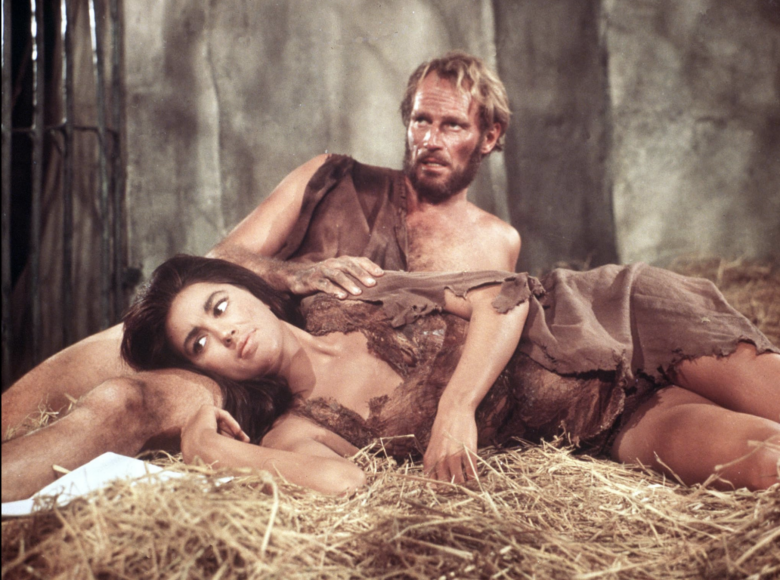
Planet of the Apes (1968)
When “Planet of the Apes” was released in 1968, the movie was unlike anything audiences had ever seen — the prosthetic design and overarching societal themes of the 60s made it a classic sci-fi movie. Additionally, the movie’s twist has been lauded as one of the best plot twists of all time.
The movie earned $32 million at the global box office, which translates to around $313 million when adjusted for inflation.
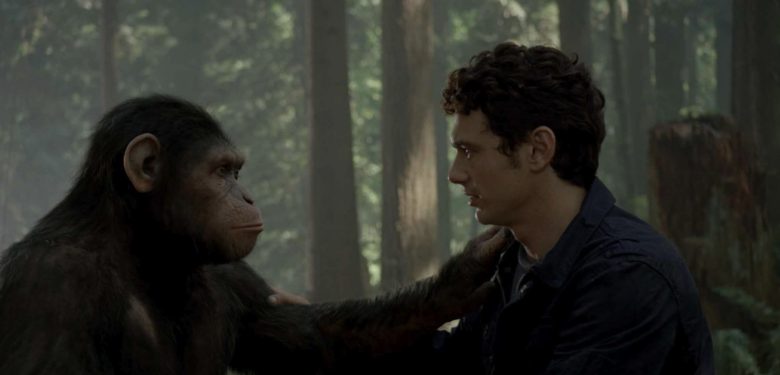
Rise of the Planet of the Apes (2011)
While “Planet of the Apes” was also rebooted by Tim Burton in 2001, the 2011 reboot, “Rise of the Planet of the Apes” by Rupert Wyatt, proved to be more successful than Burton’s version in terms of critical and audience reception.
“Rise of the Planet of the Apes” featured groundbreaking visual effects, specifically with Andy Serkis’ motion-captured performance as Caesar, an emotional plot, and immersive world-building. The commercial success of “Rise of the Planet of the Apes” paved the way for its own franchise, spanning an additional three sequels.
Upon its release, “Rise of the Planet of the Apes” earned $481 million at the global box office, which is worth $706 million today when adjusted for inflation.

Wrap-Up
Though reboots have taken over Hollywood, they also introduce new generations to movies Gen Z, millennials, Gen X and Baby Boomers grew up to while adding a modern spin to these classics.
Related:
- Behind-the-scenes shots from classic cinema sets that people still talk about
- From Leonard Nimoy to Robert Pattinson: Famous actors known best for one role
Ask us! What questions do you have about content, strategy, pop culture, lifestyle, wellness, history or more? We may use your question in an upcoming article!
Like MediaFeed’s content? Be sure to follow us.
This article was syndicated by MediaFeed.co.