How People Traveled Before Interstate Highways
Today, long-distance travel often means merging onto an interstate and driving hundreds of miles without stopping. But before the modern highway system transformed America in the 1950s and 1960s, getting from one place to another looked very different.
Travel was slower, routes were less direct, and journeys often became adventures of their own. From wagon roads to railways and famous cross-country highways, here are 12 ways people traveled before interstate highways reshaped the American landscape.
12. Following Wagon Trails
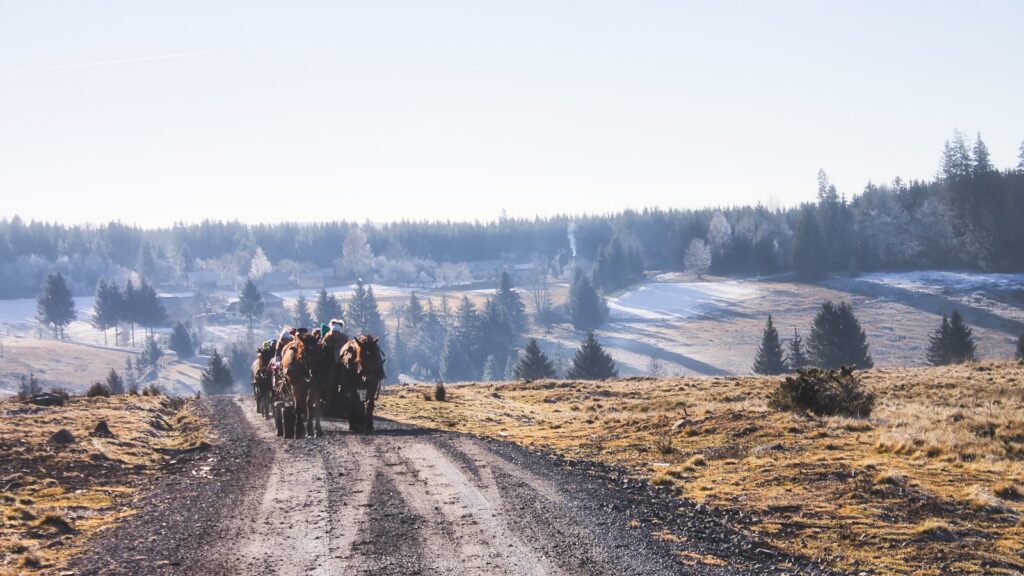
Many of America’s earliest roads began as wagon trails.
Settlers heading west traveled routes like the Oregon Trail, Santa Fe Trail, and California Trail. These pathways weren’t paved roads but rough tracks carved by thousands of wagon wheels crossing the continent.
Even decades later, many local roads followed the paths established by these early migration routes.
11. Traveling by Stagecoach
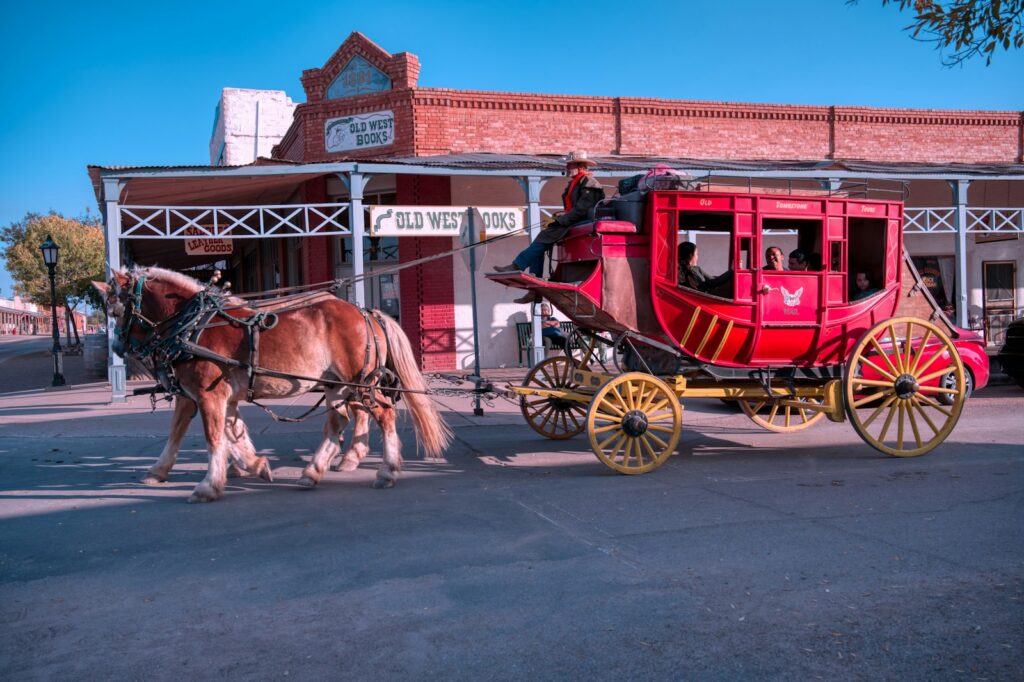
Before railroads connected much of the country, stagecoaches carried passengers, mail, and goods between towns.
Travel was often uncomfortable. Roads could be muddy, dusty, or nearly impassable depending on the season. Passengers endured long days, rough rides, and frequent stops to change horses.
Despite the challenges, stagecoaches helped connect communities across vast distances.
10. Riding the Railroads
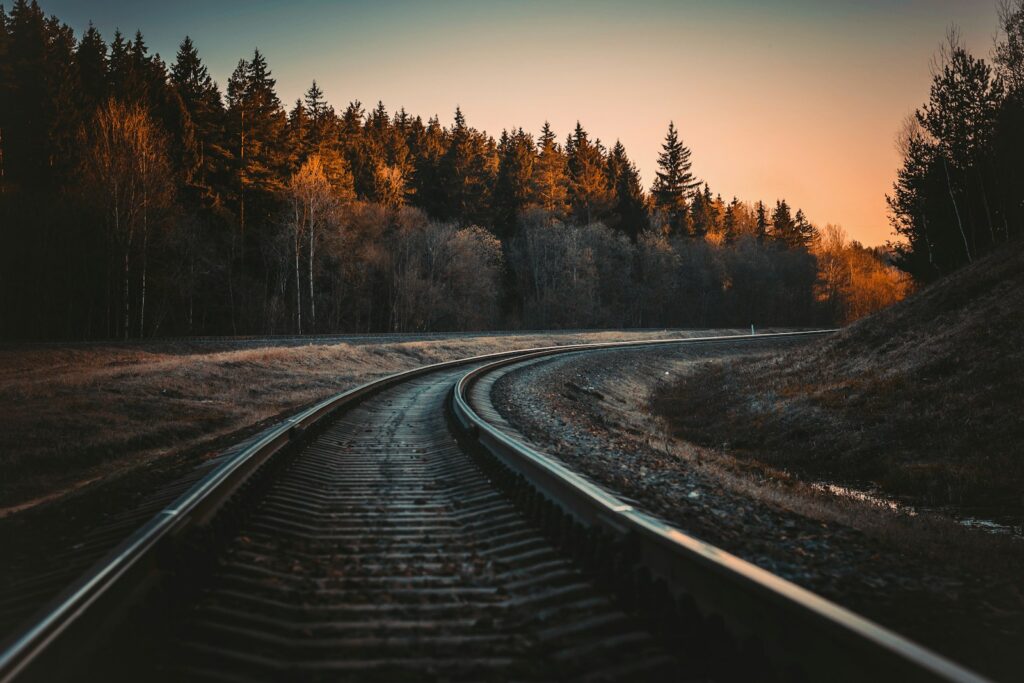
Railroads revolutionized travel during the 19th century.
By the late 1800s, trains offered a faster, more reliable way to cross the country. Luxury railcars, dining cars, and sleeper compartments made long-distance journeys far more comfortable than wagon travel.
For many Americans, trains remained the preferred method of intercity travel well into the 20th century.
9. Using America’s Early Auto Trails
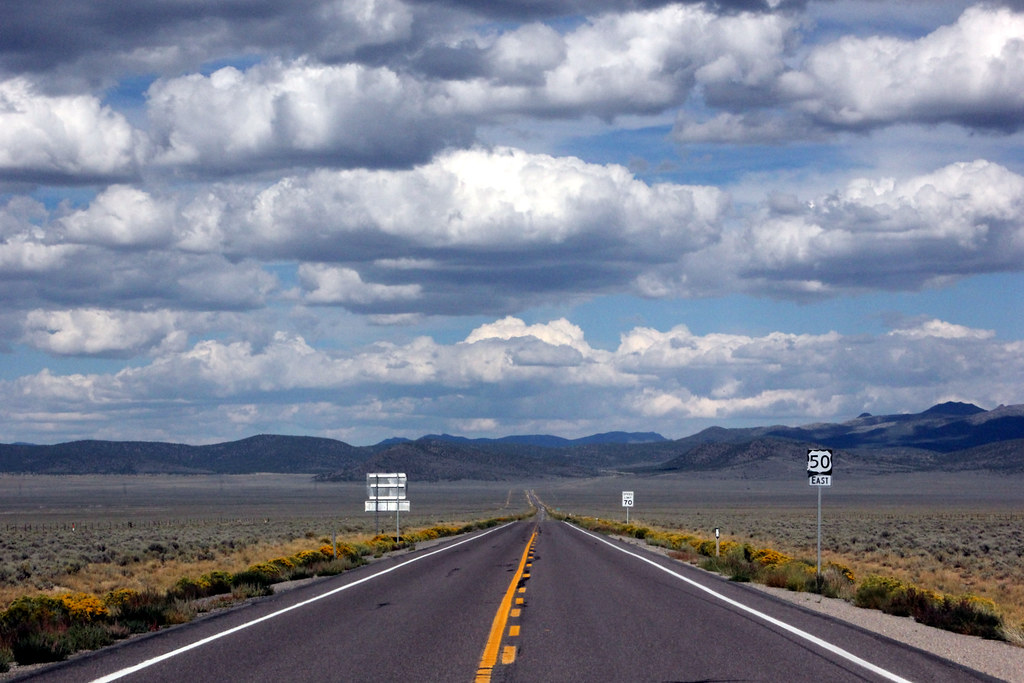
Before numbered highways existed, motorists followed named auto trails.
Organizations promoted routes like the Lincoln Highway, Dixie Highway, and National Old Trails Road. Travelers relied on painted markers, guidebooks, and local directions to stay on course.
These early routes laid the groundwork for the highway networks that followed.
8. Traveling by Riverboat
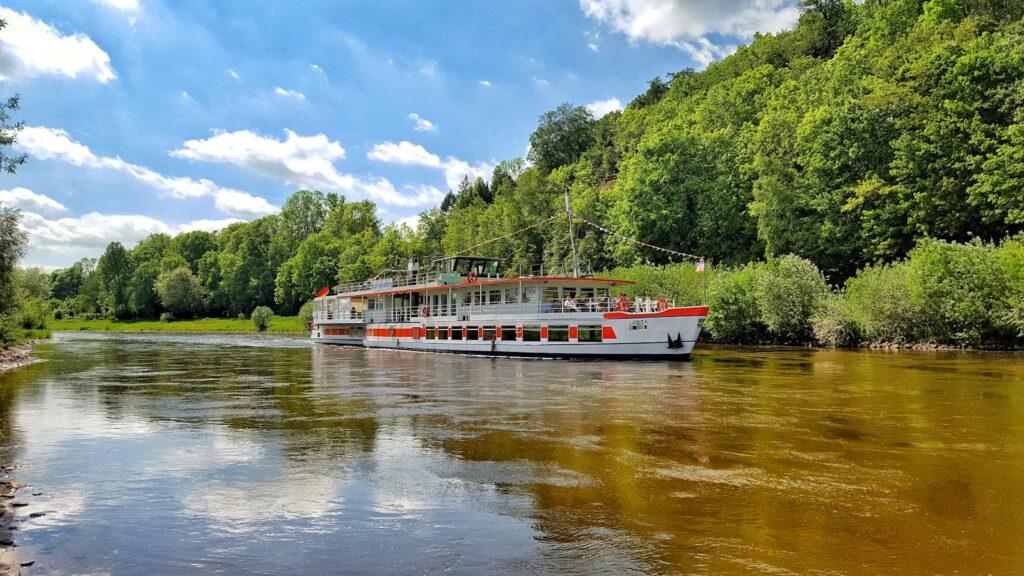
Rivers served as major transportation corridors long before modern roads.
Steamboats carried passengers and cargo along waterways such as the Mississippi, Missouri, and Ohio Rivers. In many regions, river travel was faster and easier than traveling overland.
Bustling river towns often became important economic centers because of this traffic.
7. Navigating with Paper Maps
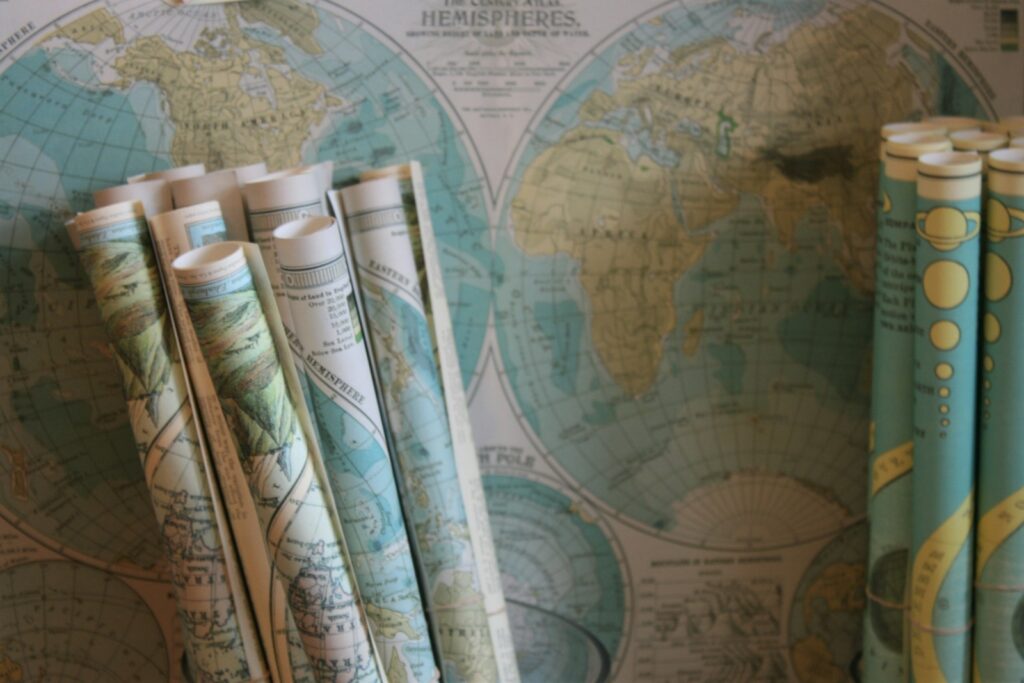
Long before GPS, travelers depended on paper maps and local knowledge.
Road atlases, gas station maps, and handwritten directions guided drivers across unfamiliar territory. Getting lost was common, especially in rural areas where road signs could be scarce or inconsistent.
Many families considered map-reading an essential travel skill.
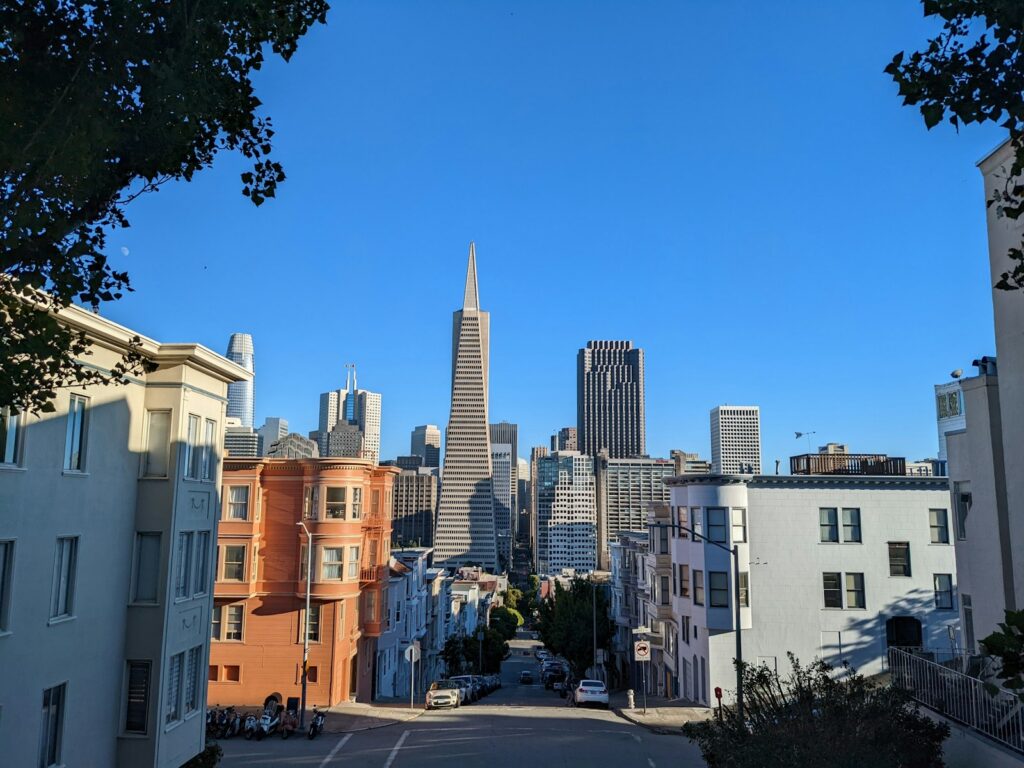
6. Driving Through Town Centers
Before bypasses and interstates, major roads often ran directly through towns.
Travelers passed local diners, motels, gas stations, and downtown business districts as they moved from city to city. Road trips naturally included frequent stops, making travel a more local experience.
Many small towns thrived because traffic flowed right through their main streets.
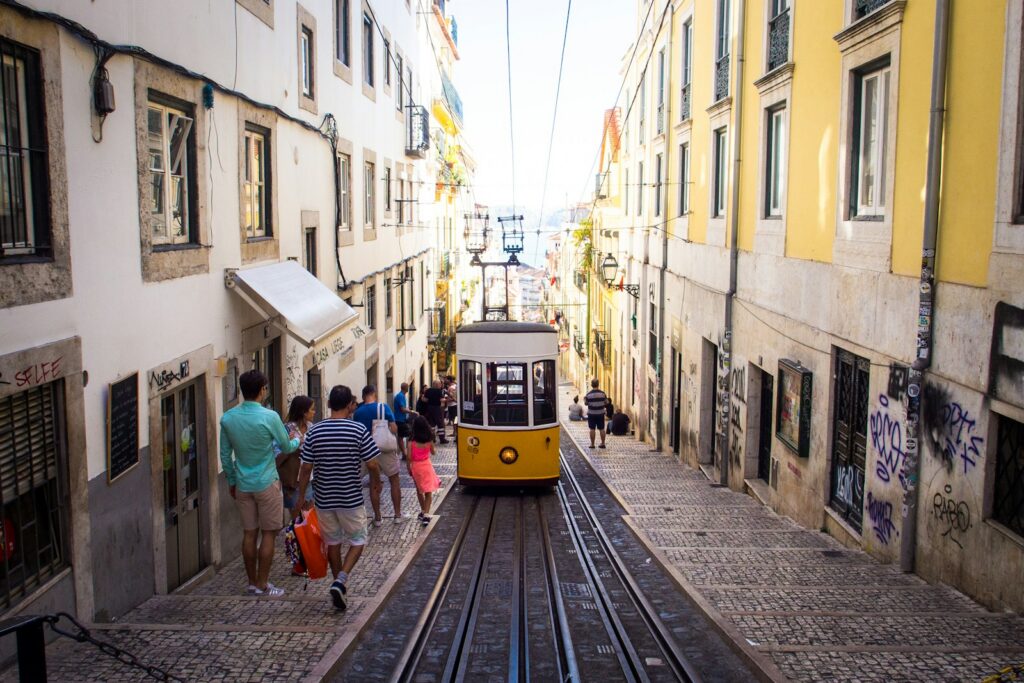
5. Taking Trolleys and Streetcars
Urban travel looked very different before widespread automobile ownership.
Electric streetcars and trolley systems connected neighborhoods, suburbs, and city centers. At their peak in the early 20th century, streetcar networks operated in hundreds of American cities.
Many communities grew outward specifically because trolley lines made commuting possible.
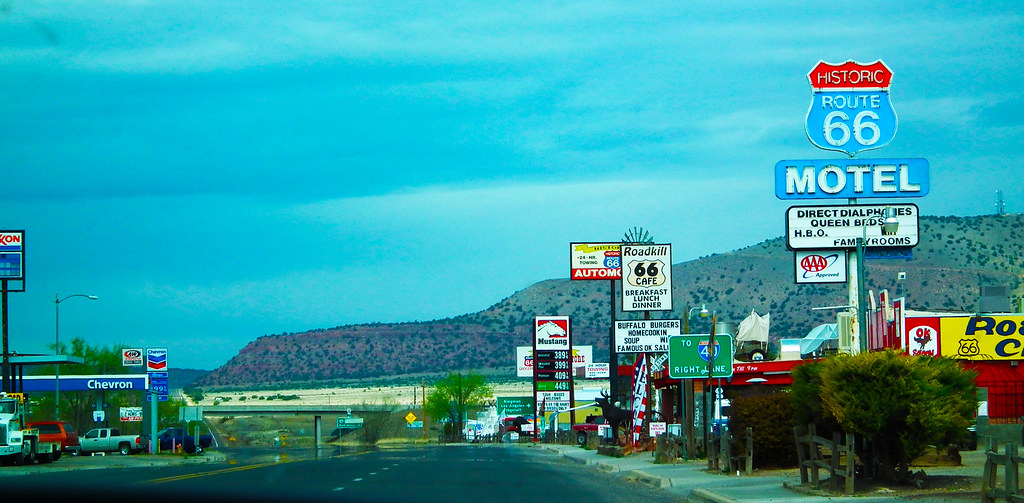
4. Depending on Route 66
Few roads captured America’s imagination like Route 66.
Established in 1926, the highway stretched from Chicago to Los Angeles and became one of the country’s most famous travel routes. It carried families, migrants, vacationers, and truckers across eight states.
Its roadside attractions, diners, motels, and quirky landmarks became symbols of the American road trip.
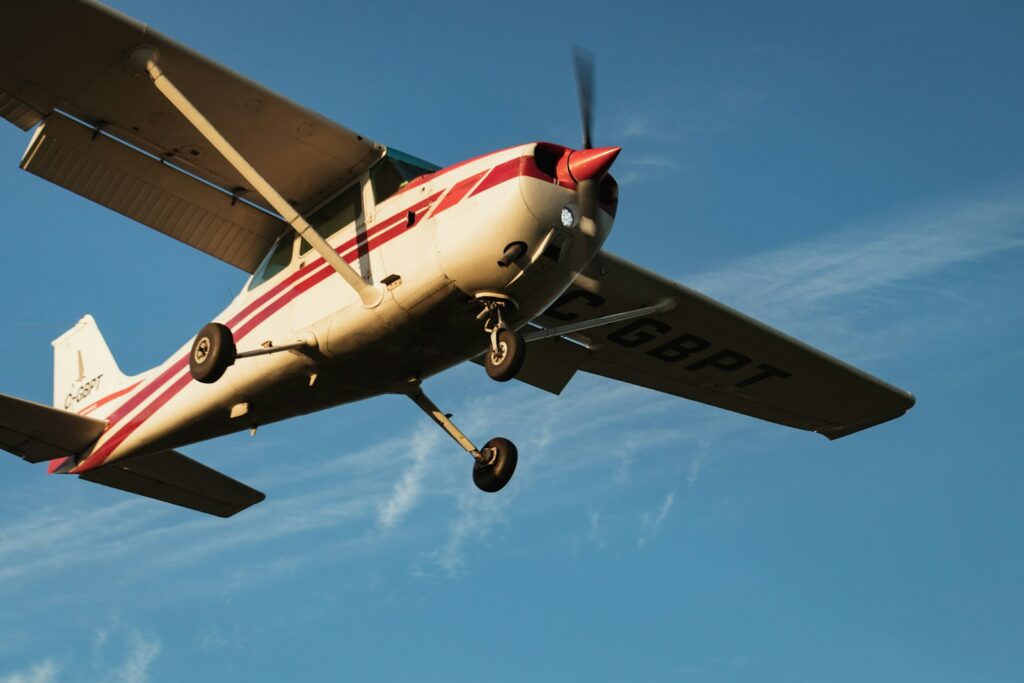
3. Flying Was a Luxury
Air travel existed long before interstates, but it wasn’t an everyday option.
Flights were expensive, airports were less common, and passenger service was often limited. Most Americans still traveled by car or train for domestic trips.
Flying was generally reserved for business travelers or those with significant financial means.
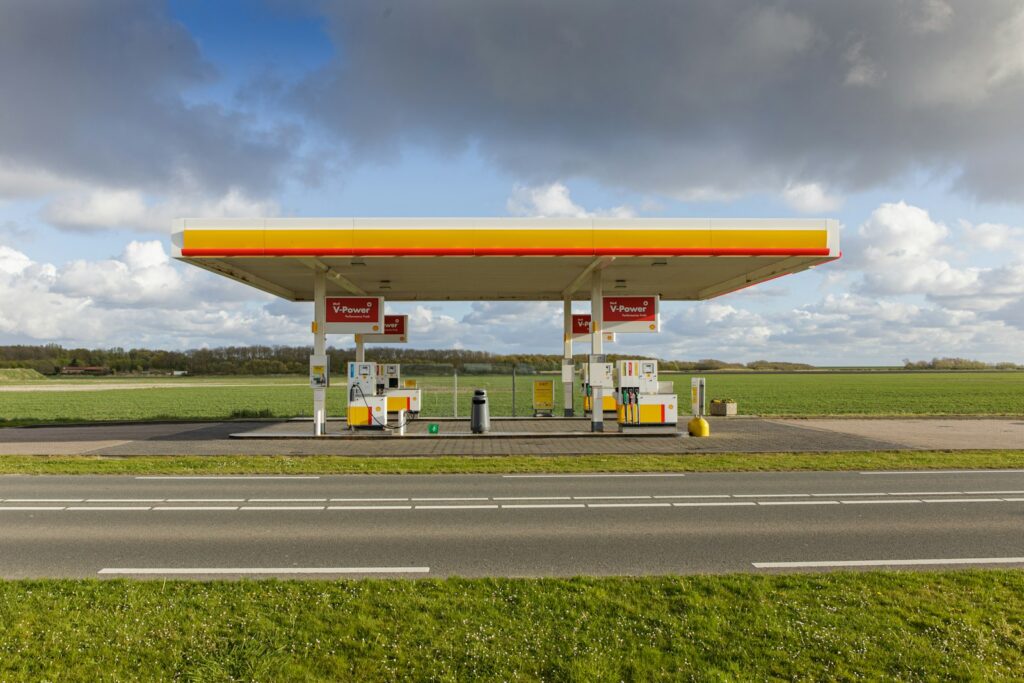
2. Planning Trips Around Gas Stations
Early motorists couldn’t assume fuel would always be nearby.
Road trips required careful planning because gas stations were less common, especially in rural regions. Travelers often mapped out fuel stops in advance and carried emergency supplies just in case.
Running out of gas far from town could create a serious problem.
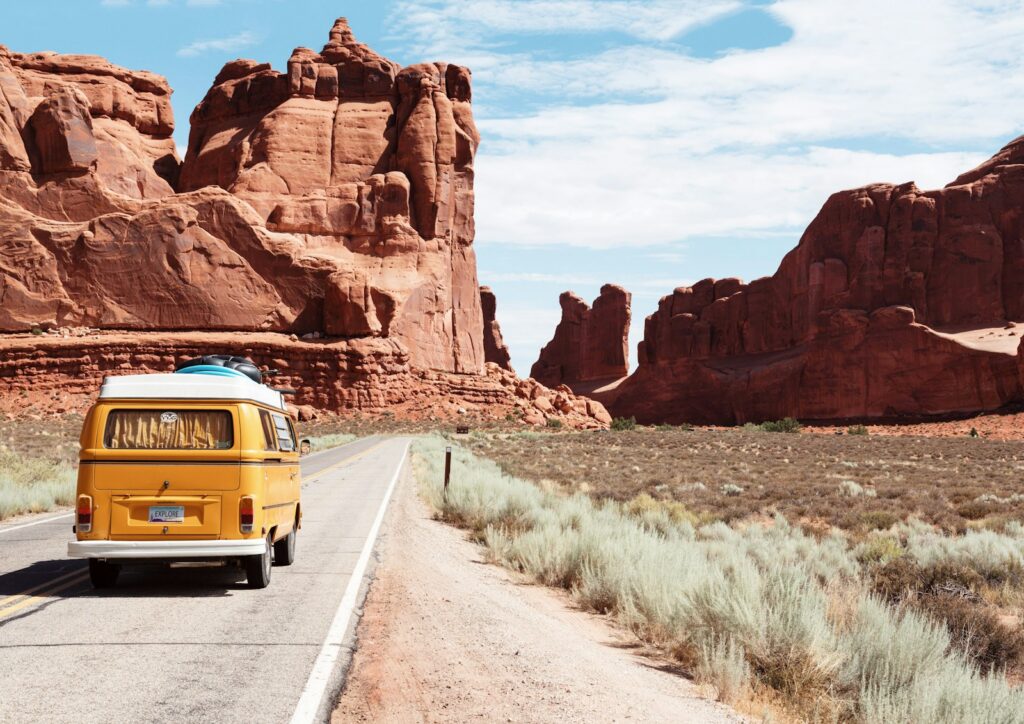
1. Turning Travel Into Part of the Experience
Perhaps the biggest difference was that getting there was often part of the adventure.
Without limited-access highways, travelers encountered small towns, roadside attractions, local restaurants, scenic routes, and unexpected detours. Journeys took longer, but many people viewed the trip itself as an important part of the experience.
Travel was less about efficiency and more about exploration.
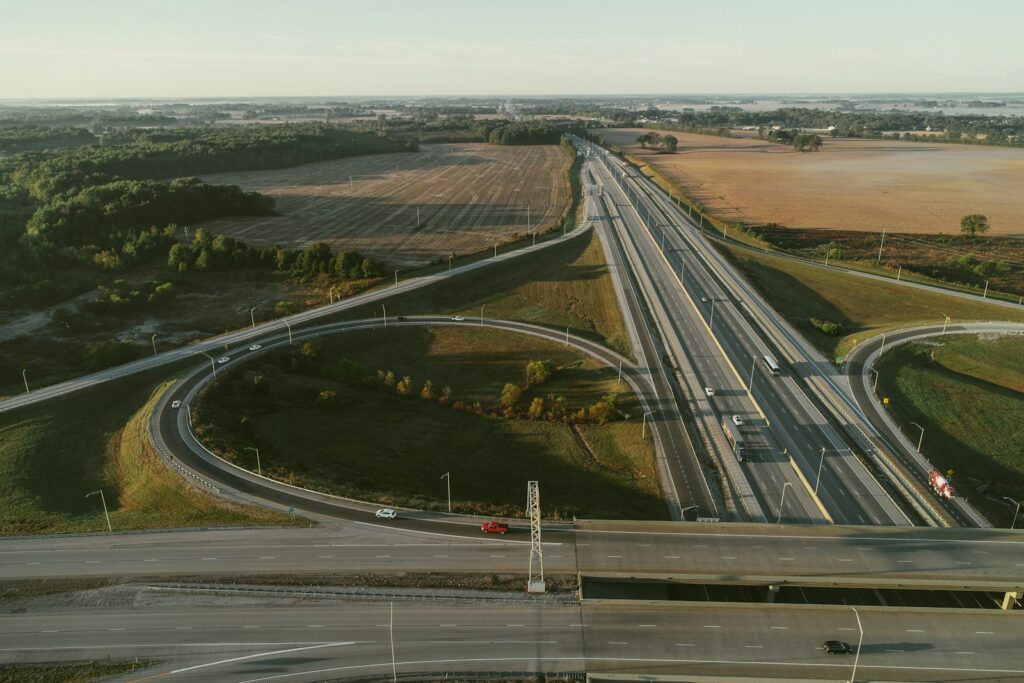
How the Interstate System Changed America
The creation of the Federal-Aid Highway Act of 1956 transformed transportation across the country.
Interstates made travel faster, safer, and more predictable. Cross-country trips that once took days became significantly shorter. Freight moved more efficiently, suburban growth accelerated, and regional economies became more interconnected.
At the same time, many small towns lost the steady stream of travelers that had once supported local businesses.
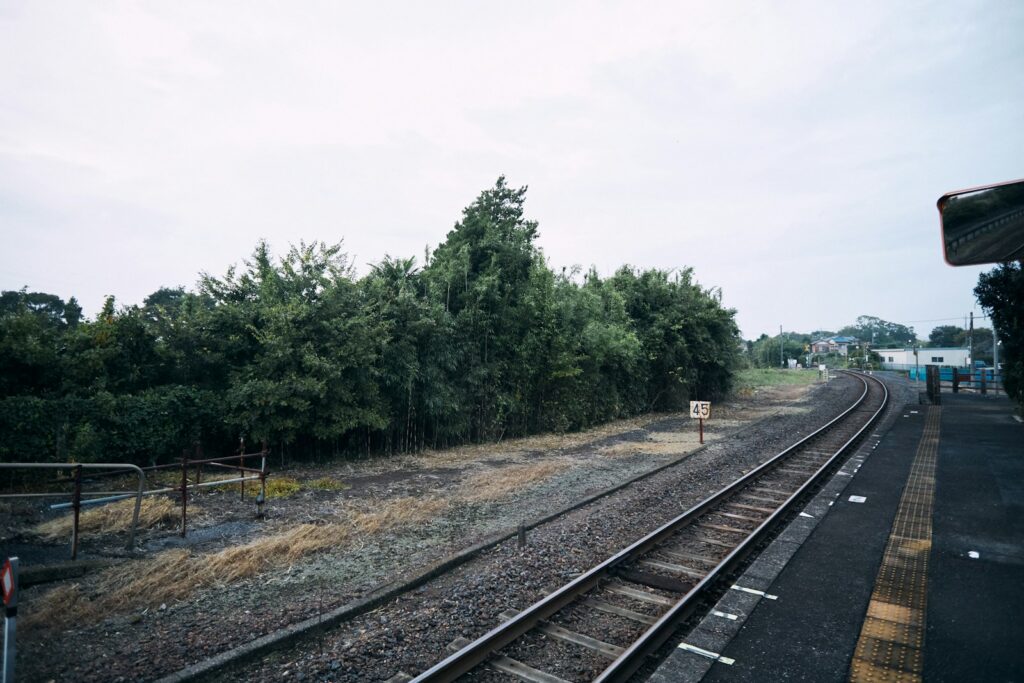
The Legacy of Pre-Interstate Travel
While modern highways offer unmatched convenience, traces of America’s earlier travel culture remain.
Historic highways, preserved railroad depots, restored streetcars, and roadside landmarks still tell the story of how previous generations crossed the country. Many of today’s scenic byways and road-trip destinations follow routes first established long before the interstate era.
For travelers willing to leave the highway behind, pieces of that slower, more adventurous style of travel can still be found today.
Read More:
- The Most Chilling Urban Legend in Every State
- 10 “Mandela Effect” Moments That Still Mess With People’s Memories
- 10 Myths You Probably Learned as a Kid—Debunked
Ask us! What questions do you have about content, strategy, pop culture, lifestyle, wellness, history or more? We may use your question in an upcoming article!
Like MediaFeed’s content? Be sure to follow us.
This article originally appeared on Resourcebuzz and was syndicated by MediaFeed.co.