15 Everyday Things That Were Surprisingly Different 100 Years Ago
A century may not sound like very long in the grand scheme of history, but daily life in the 1920s looked remarkably different from today. Many things we take for granted either didn’t exist, worked very differently, or required far more time and effort.
From communication to food storage, here are 15 everyday things that were surprisingly different 100 years ago.

15. Making a Phone Call
Using a telephone wasn’t as simple as pulling a smartphone from your pocket.
Many calls required assistance from a human operator who manually connected callers by plugging wires into switchboards. Long-distance calls could be expensive and sometimes needed to be scheduled in advance.
Even having a telephone at home was far from universal.
14. Grocery Shopping
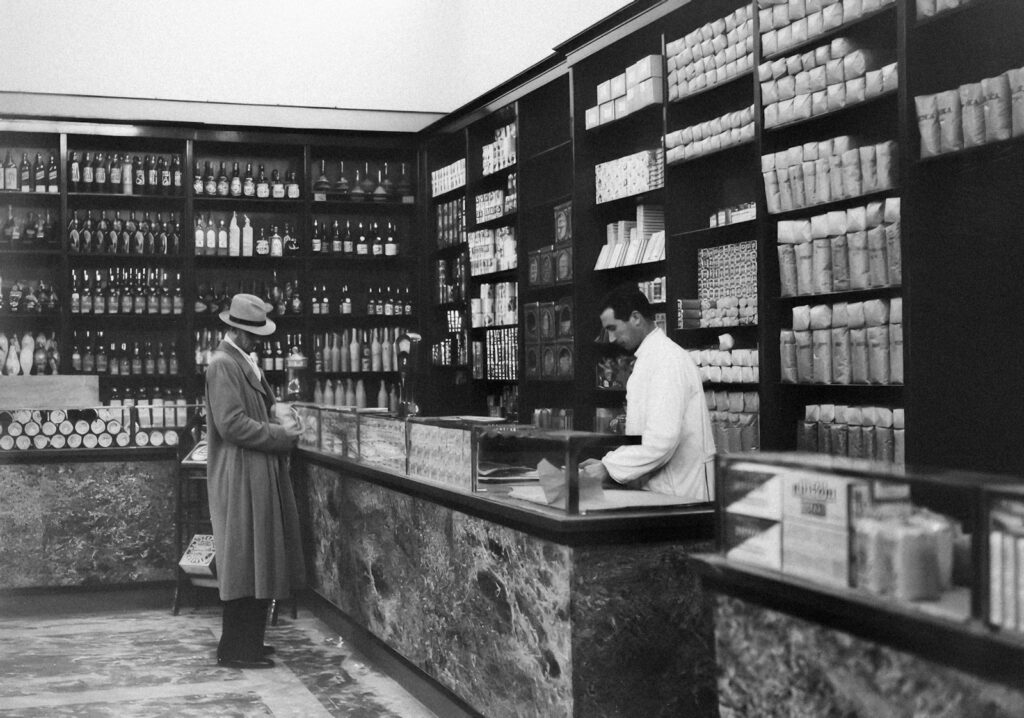
Supermarkets hadn’t yet become the norm.
Customers often handed a shopping list to a store clerk, who gathered items from shelves behind the counter. Many products were sold in bulk rather than in branded packaging.
Self-service grocery shopping wouldn’t become widespread until later in the century.
13. Doing Laundry
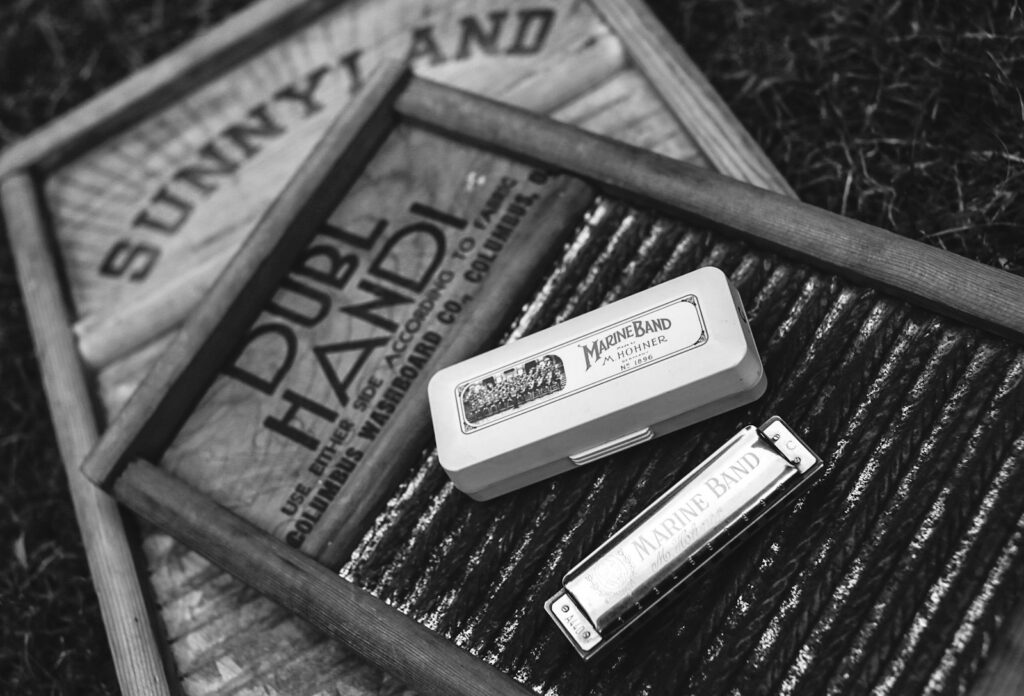
Laundry day was a major household event.
Many families used wringer washers, washboards, or large tubs of heated water. Clothes were often hung outside to dry regardless of the weather.
A task that takes a few hours today could consume most of a day.
12. Getting Ice
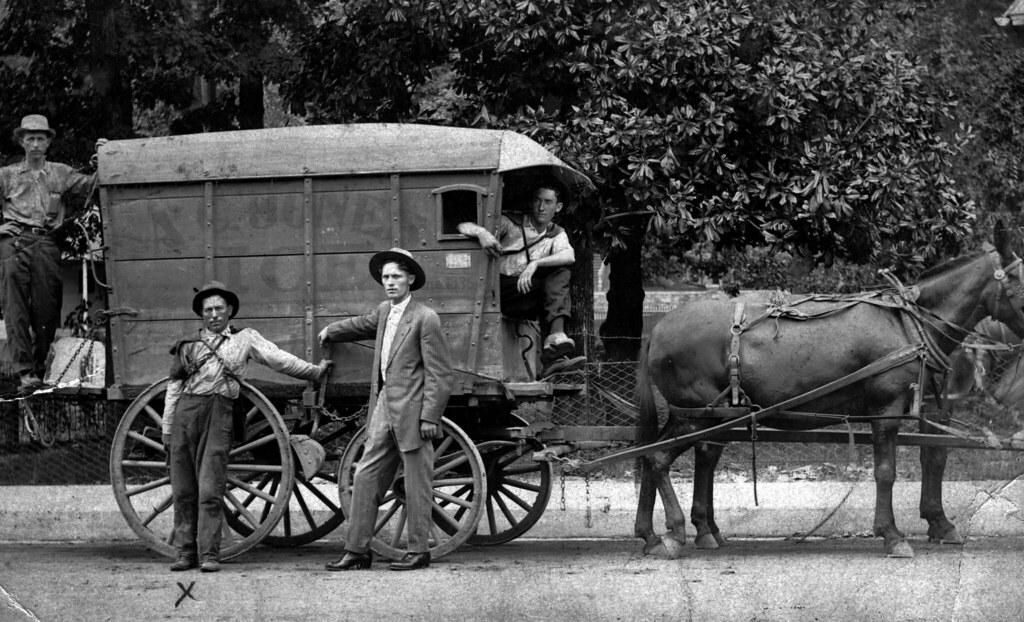
Before widespread refrigeration, many households relied on ice deliveries.
Ice wagons delivered large blocks that were stored in insulated iceboxes. Families had to carefully manage their supply to keep food cool.
The modern refrigerator was still a luxury item for many households.
11. Traveling Long Distances
Cross-country travel required patience.
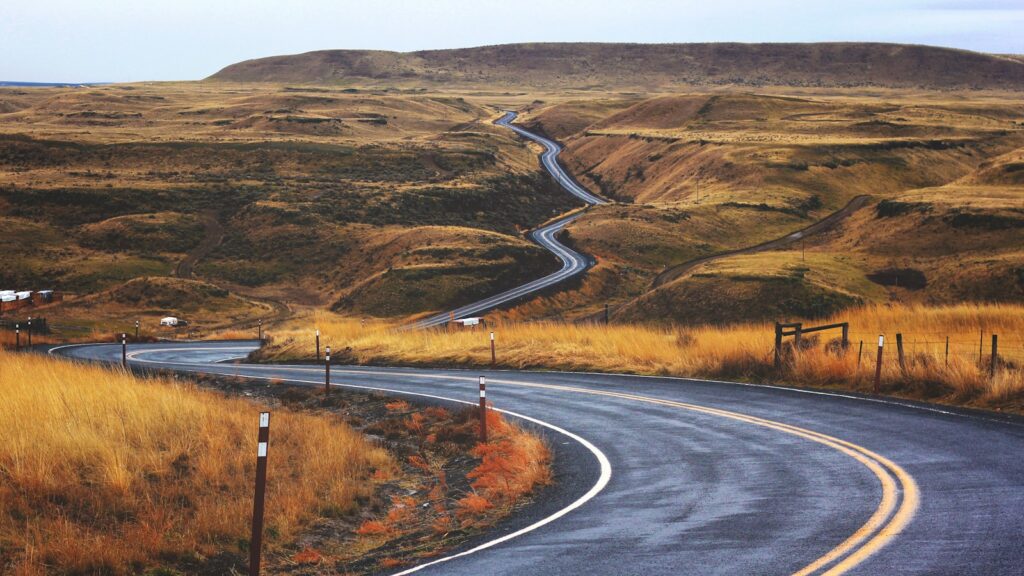
Roads were often unpaved, gas stations were less common, and maps were essential. Many people still preferred trains for long journeys because they were often faster and more reliable than driving.
Road trips looked very different before the interstate era.
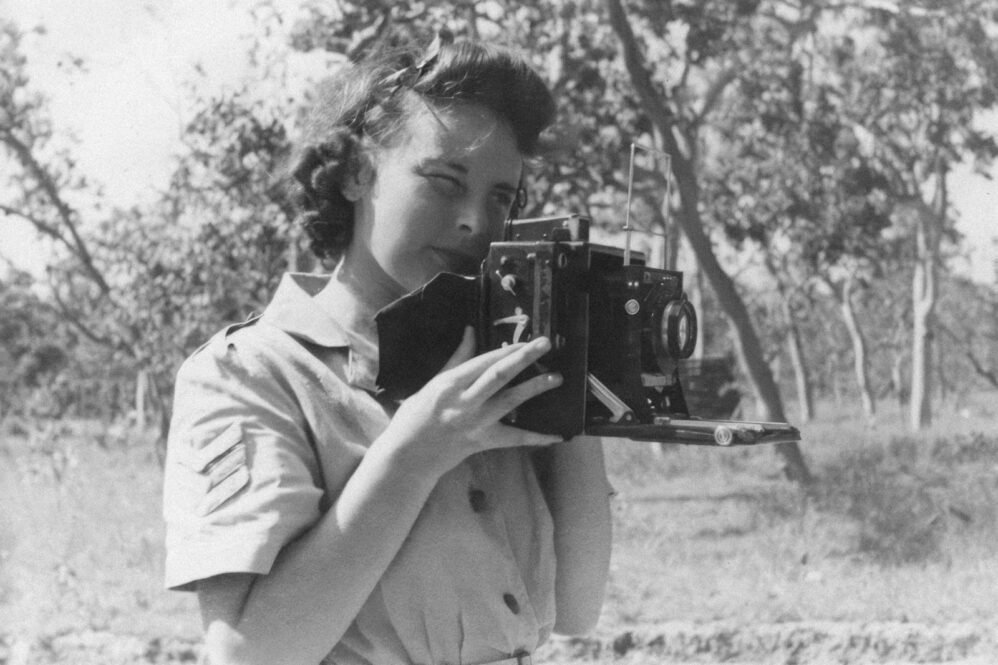
10. Taking Photographs
Photography wasn’t instant.
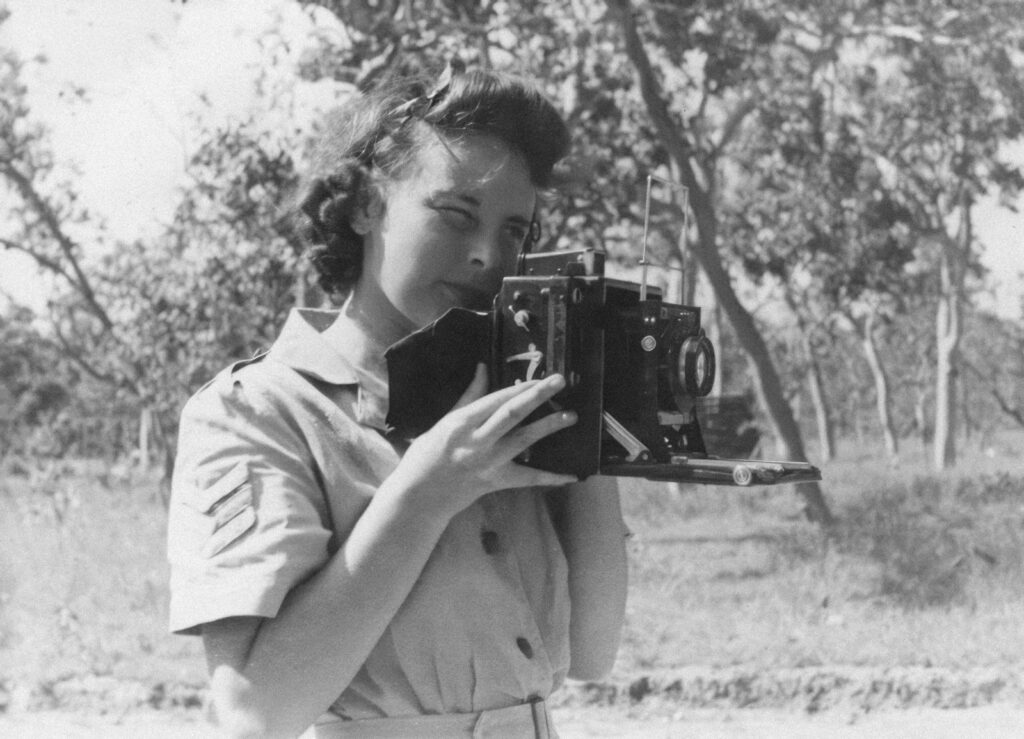
Film had to be purchased, loaded into a camera, and developed later. People often waited days or weeks to see their pictures.
The idea of taking dozens of photos daily would have seemed unimaginable.
9. Heating the Home
Central heating was far from universal.
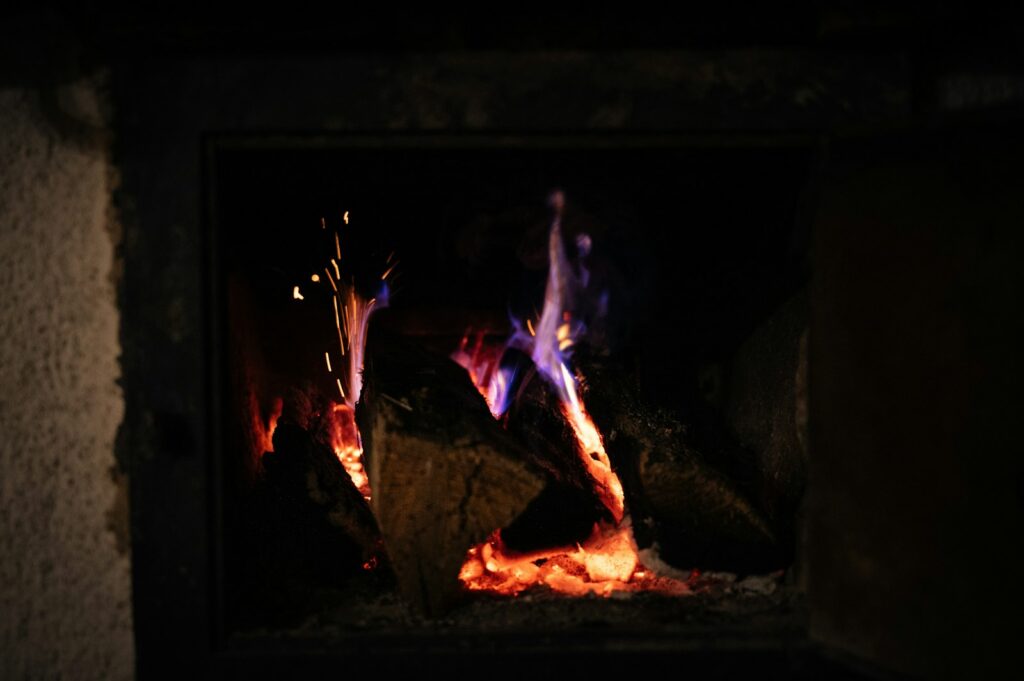
Many homes relied on coal stoves, wood-burning furnaces, or fireplaces. Heating individual rooms rather than entire houses was common.
Winter mornings often started with building a fire before anything else.

8. Buying Coffee
Coffee wasn’t always purchased from specialty cafés.
Most people brewed coffee at home using simple percolators or stovetop methods. Fancy espresso drinks, flavored syrups, and drive-thru coffee shops were still decades away.
A daily coffee run wasn’t part of most routines.
7. Watching Entertainment
There were no streaming services, televisions, or smartphones.
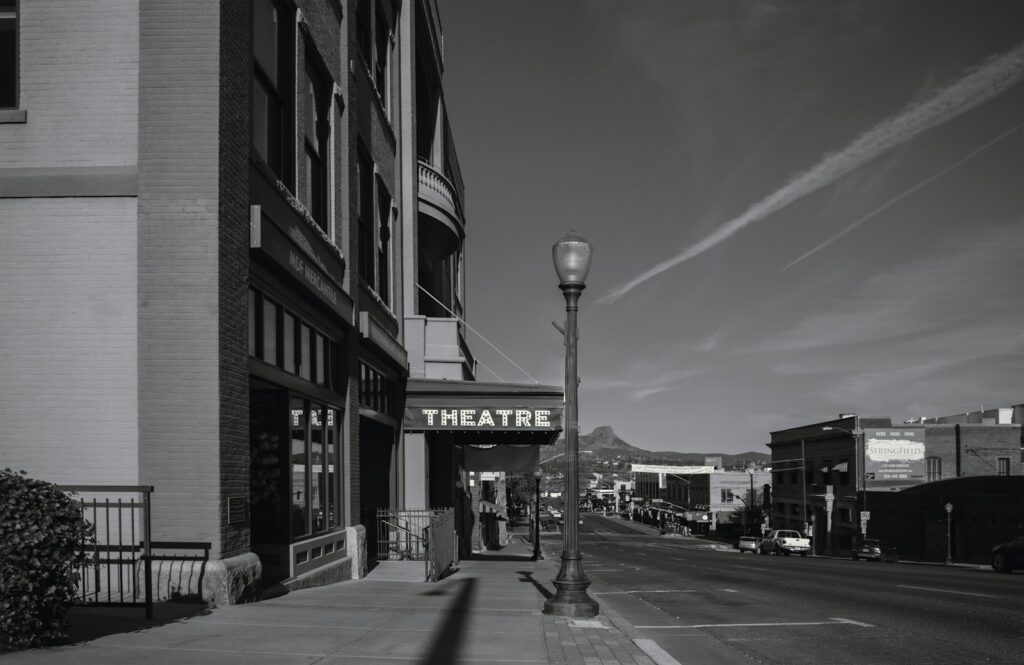
Families gathered around radios, attended local theaters, or participated in community events for entertainment.
Live performances and radio programs played a much larger role in daily life.

6. Finding Information
There was no internet to answer questions instantly.
People relied on libraries, newspapers, encyclopedias, and experts for information. Research often required significant time and effort.
Looking up a simple fact could take an afternoon instead of a few seconds.
5. Air Travel
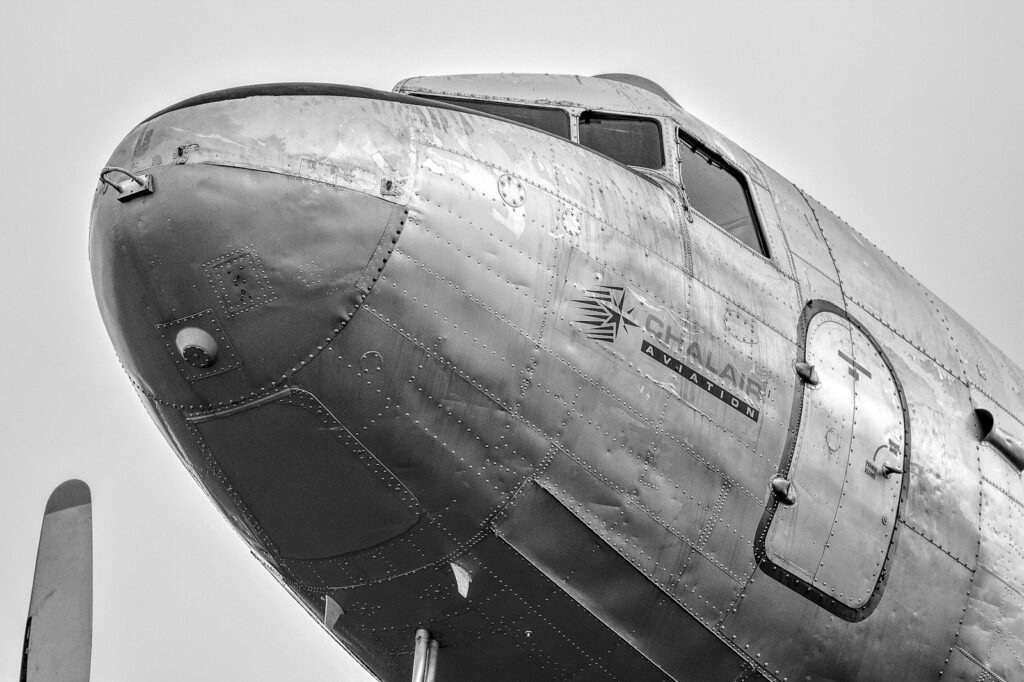
Flying was rare and expensive.
Commercial aviation existed, but most people never stepped onto an airplane. Trains remained the primary choice for long-distance travel.
Air travel wouldn’t become commonplace until decades later.

4. Food Availability
Seasonal eating was much more common.
Many fruits and vegetables were only available during certain parts of the year. Imported produce was less common, and preserving food through canning was a regular household activity.
Year-round strawberries and fresh produce from around the world were not standard grocery items.

3. Paying Bills
Paying bills required far more paperwork.
Checks, cash, and in-person visits were common. Many transactions involved handwritten records and mailed payments.
Automatic payments and online banking were still science fiction.

2. Medical Care
Routine healthcare looked very different.
Many antibiotics had not yet been discovered, diagnostic technology was limited, and treatments we consider standard today didn’t exist.
Even common infections carried significantly greater risks than they do now.
1. Staying Connected
Perhaps the biggest difference was how slowly information traveled.
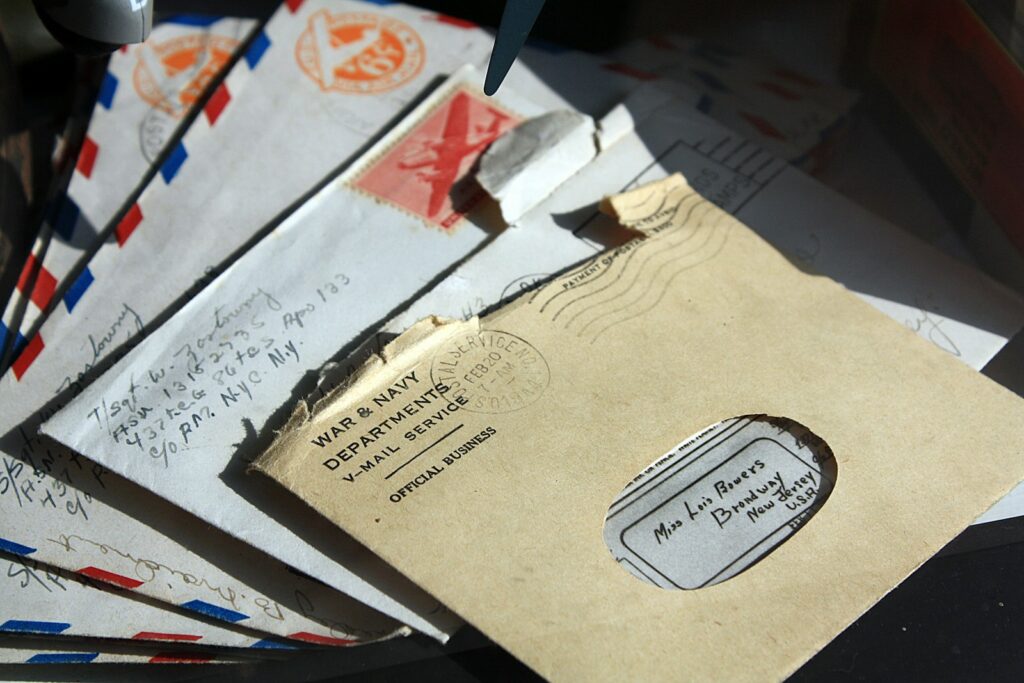
Letters could take days or weeks to arrive. News often came from newspapers or radio broadcasts rather than instant alerts. Keeping in touch with distant friends and family required planning and patience.
The constant connectivity of modern life simply didn’t exist.
A Century of Change
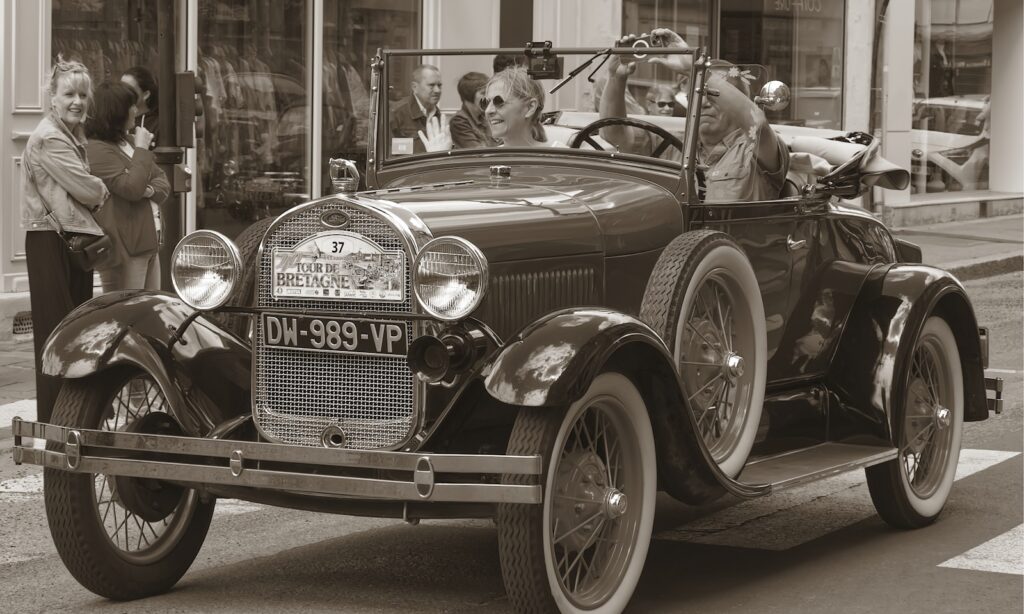
Looking back at daily life in the 1920s reveals just how quickly technology, transportation, communication, and convenience have transformed the world.
Many tasks that once required hours of effort now happen instantly. Yet some of the slower rhythms of life—writing letters, gathering with neighbors, or spending time without constant notifications—offer an interesting glimpse into a very different era.
It’s a reminder that many of today’s ordinary routines would have seemed extraordinary just 100 years ago.
Read More:
- Nostalgic ’90s Foods That Deserve a Comeback
- Remember These? 20 Classic Features of an ’80s Kitchen
- 10 Times Science Fiction Predicted the Future
Ask us! What questions do you have about content, strategy, pop culture, lifestyle, wellness, history or more? We may use your question in an upcoming article!
Like MediaFeed’s content? Be sure to follow us.
This article originally appeared on Resourcebuzz and was syndicated by MediaFeed.co.