
5-Minute Mental Health Check-Ins You Can Do Anywhere
Mental health doesn’t require hours of meditation, a perfect morning routine, or a complete lifestyle overhaul. Sometimes, the most powerful thing you can do is pause for a few minutes and check in with yourself.
These quick mental health check-ins can help you reduce stress, increase self-awareness, and reconnect with your needs before overwhelm takes over. Whether you’re at work, in the car, standing in line, or relaxing at home, these simple practices can help you feel more grounded and balanced.

10. The Body Scan Check-In
Your body often notices stress before your mind does.
Take a moment to sit quietly and bring your attention to different parts of your body. Start at the top of your head and slowly work downward, noticing any tension, discomfort, or sensations.
Ask yourself:
- Where am I holding stress?
- What feels tight or heavy?
- What can I soften right now?
This practice helps reconnect you with physical cues that are easy to overlook during busy days.

9. The Three-Word Mood Check
When life gets hectic, emotions can blur together.
Pause and ask yourself, “What three words describe how I feel right now?” Maybe the answer is tired, overwhelmed, and hopeful. Or perhaps nervous, focused, and excited
Once you’ve identified the words, ask yourself what you need most in this moment. Simply naming emotions often reduces their intensity and helps you respond more intentionally.

8. The 4-7-8 Breath Reset
When stress rises, your breathing often becomes shallow and rapid.
This simple breathing technique can help calm your nervous system in just a few minutes:
- Inhale through your nose for 4 seconds
- Hold for 7 seconds
- Exhale slowly through your mouth for 8 seconds
Repeat three to four times.
The longer exhale encourages your body to shift into a more relaxed state and can quickly reduce feelings of anxiety or overwhelm.

7. The Gratitude Snapshot
Gratitude isn’t about ignoring difficulties. It’s about broadening your perspective.
Take a moment to identify three specific things you’re grateful for right now.
Instead of saying:
- My family
- My home
- My job
Try getting more specific:
- The text message a friend sent this morning
- The smell of coffee brewing
- The sunlight coming through the window
Small details often create the strongest emotional impact.

6. The Boundary Check
Mental exhaustion often comes from carrying too much.
Ask yourself:
- What’s draining my energy right now?
- Is this mine to carry?
- What boundary would help me today?
Your answer might be:
- Saying no to an extra commitment
- Taking a break from social media
- Turning off notifications for an hour
Small boundaries can create significant relief.

5. The Stress Inventory
Sometimes stress feels overwhelming because it’s all swirling together.
Take a piece of paper or open a note on your phone and divide your concerns into two categories:
Things I Can Control
Things I Cannot Control
This simple exercise helps separate productive action from unnecessary worry and often creates immediate mental clarity.

4. The Energy Audit
Not everything that fills your calendar deserves equal access to your energy.
Ask yourself:
- What’s giving me energy right now?
- What’s draining me?
- What can I do more or less of this week?
This check-in helps you make adjustments before burnout begins to build.
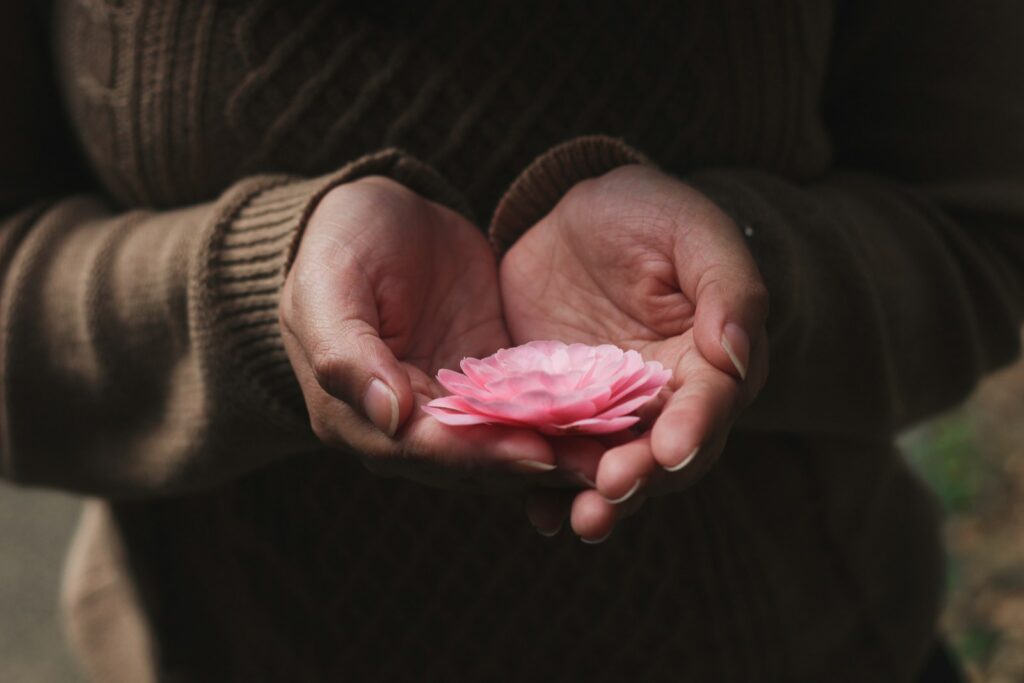
3. The Self-Compassion Pause
Many of us speak to ourselves more harshly than we would ever speak to someone we love.
Pause and ask, “If a friend were experiencing exactly what I’m experiencing, what would I say to them?” Now offer yourself that same kindness.
Self-compassion doesn’t remove challenges, but it makes them easier to navigate.

2. The Present Moment Reset
When anxiety pulls you into the future, or stress drags you into the past, grounding yourself in the present can help.
Try the 5-4-3-2-1 technique:
- Name 5 things you can see
- 4 things you can touch
- 3 things you can hear
- 2 things you can smell
- 1 thing you can taste
This simple exercise helps interrupt spiraling thoughts and reconnect you to the current moment.

1. The One-Question Check-In
When you’re short on time, ask yourself one powerful question:
“What do I need right now?”
The answer might surprise you.
Perhaps you need:
- A glass of water
- A short walk
- A few deep breaths
- A conversation with a friend
- Permission to rest
The more often you ask this question, the easier it becomes to recognize and meet your needs before stress accumulates.
Read More:
- 10 Sneaky Signs Stress Is Taking a Bigger Toll Than You Realize
- 10 Fast, Science-Backed Ways to Calm Anxiety in Minutes
- Can’t Sleep? Here’s Why You Should Get Out of Bed
Ask us! What questions do you have about content, strategy, pop culture, lifestyle, wellness, history or more? We may use your question in an upcoming article!
Like MediaFeed’s content? Be sure to follow us.
This article originally appeared on Resourcebuzz and was syndicated by MediaFeed.co.