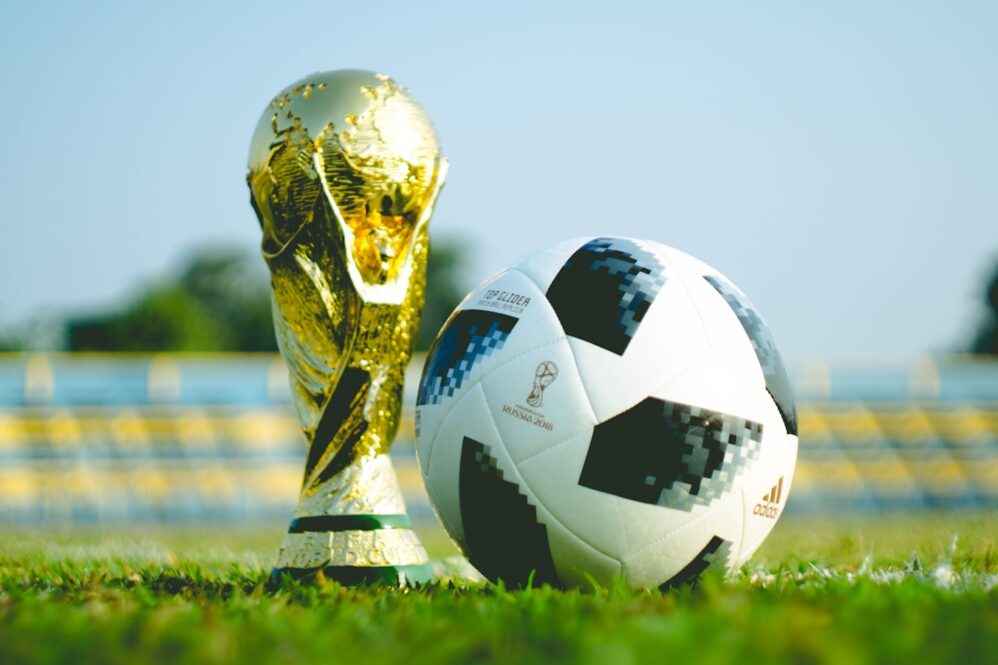
20 Things to Know About the 2026 FIFA World Cup
The 2026 FIFA World Cup won’t just be another World Cup. It will be the biggest tournament in the competition’s history, spread across three countries, featuring more teams, more matches, and more host cities than ever before.
Whether you’re a lifelong soccer fan or just planning to tune in for the spectacle, here are 20 things worth knowing about the 2026 World Cup.
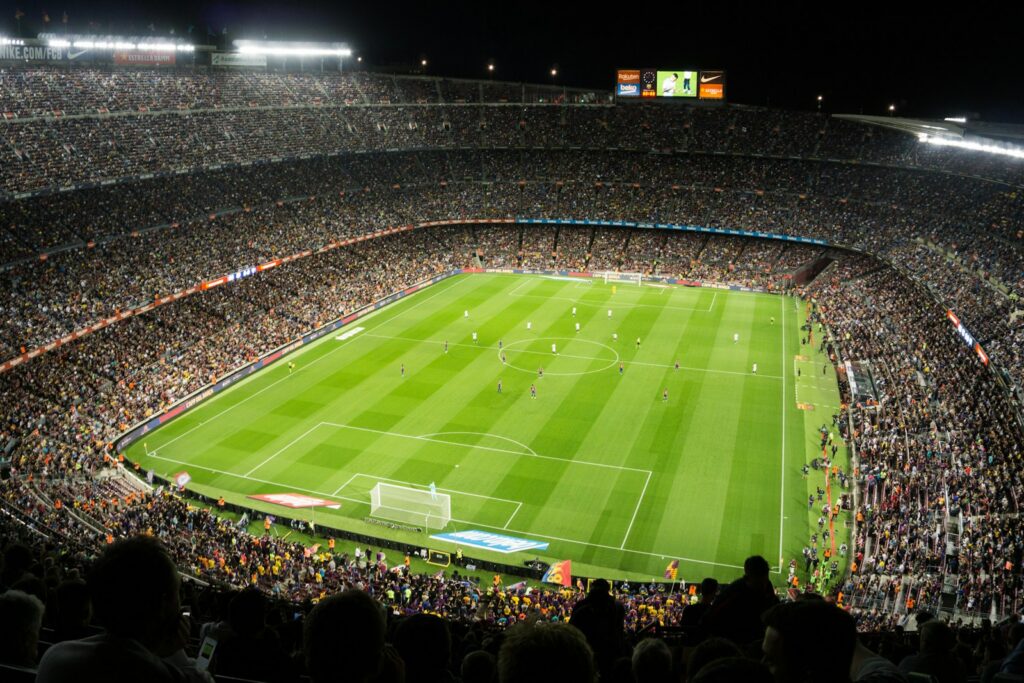
20. It’s the Biggest World Cup Ever
For the first time, the tournament will feature 48 national teams instead of 32. The expansion adds 16 more countries to the field and creates a much larger global event.

19. Three Countries Are Hosting Together
The 2026 World Cup will be jointly hosted by the United States, Canada, and Mexico. It marks the first men’s World Cup hosted by three nations.

18. There Will Be 104 Matches
Previous World Cups featured 64 matches. The expanded format increases that total to 104 games, giving fans significantly more soccer to watch.

17. The Tournament Will Last More Than Five Weeks
The competition is scheduled to run from June 11 through July 19, 2026, spanning 39 days.
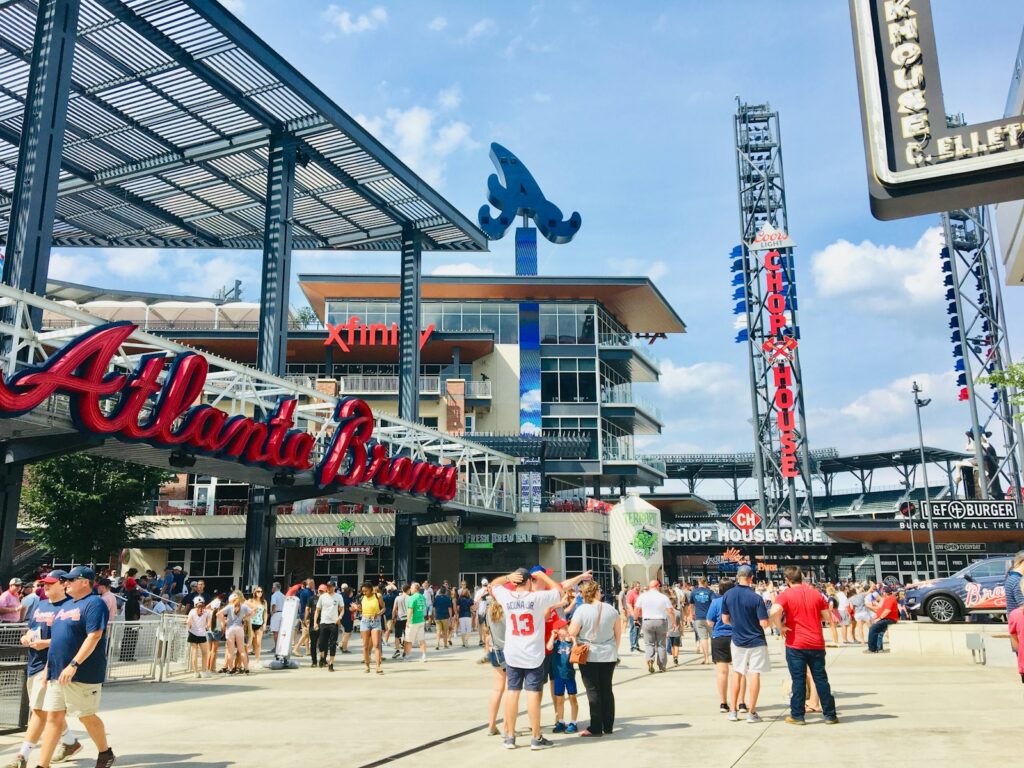
16. Sixteen Cities Will Host Matches
Games will be played across 16 host cities throughout North America, making this one of the most geographically spread-out World Cups ever.
15. Most Matches Will Be Played in the United States
Eleven host cities are located in the United States, while Canada hosts two and Mexico hosts three.
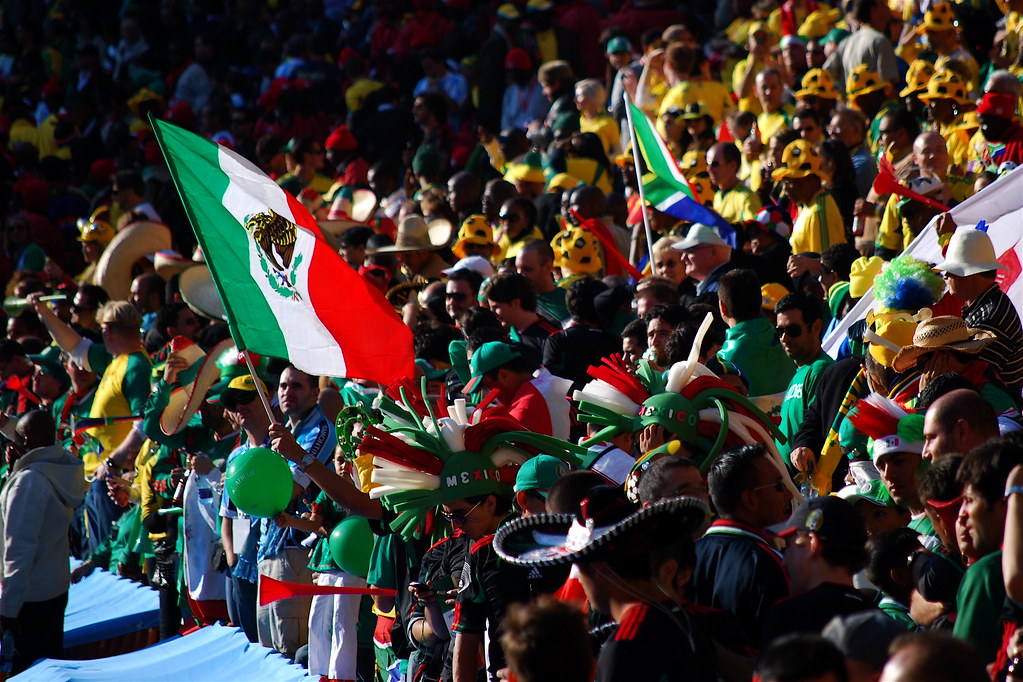
14. Mexico Is Making History
Mexico will become the first country to host matches in three separate men’s World Cups, having previously hosted tournaments in 1970 and 1986.
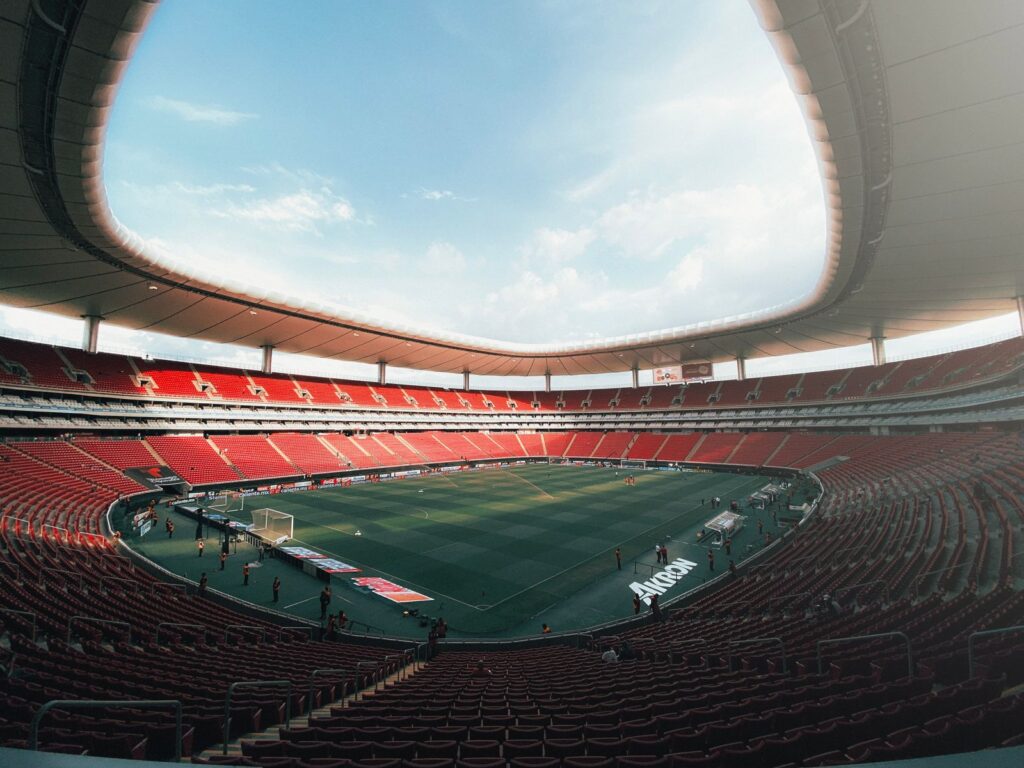
13. Estadio Azteca Is a Living Legend
Mexico City’s famous stadium previously hosted the World Cup finals won by Pelé in 1970 and Diego Maradona in 1986. It remains one of soccer’s most iconic venues.
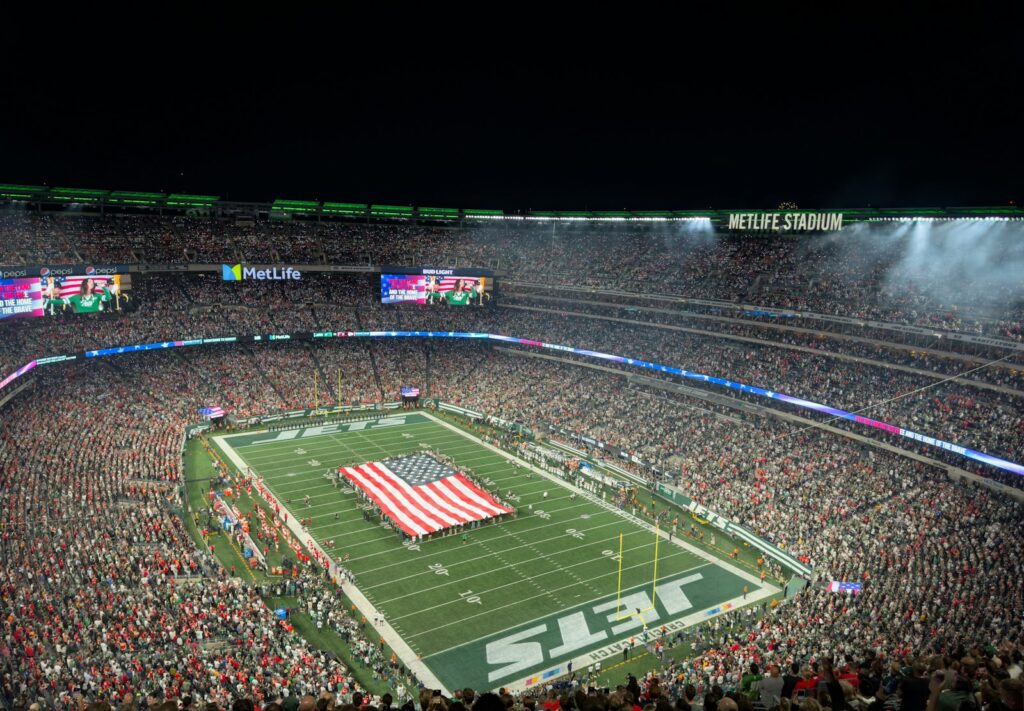
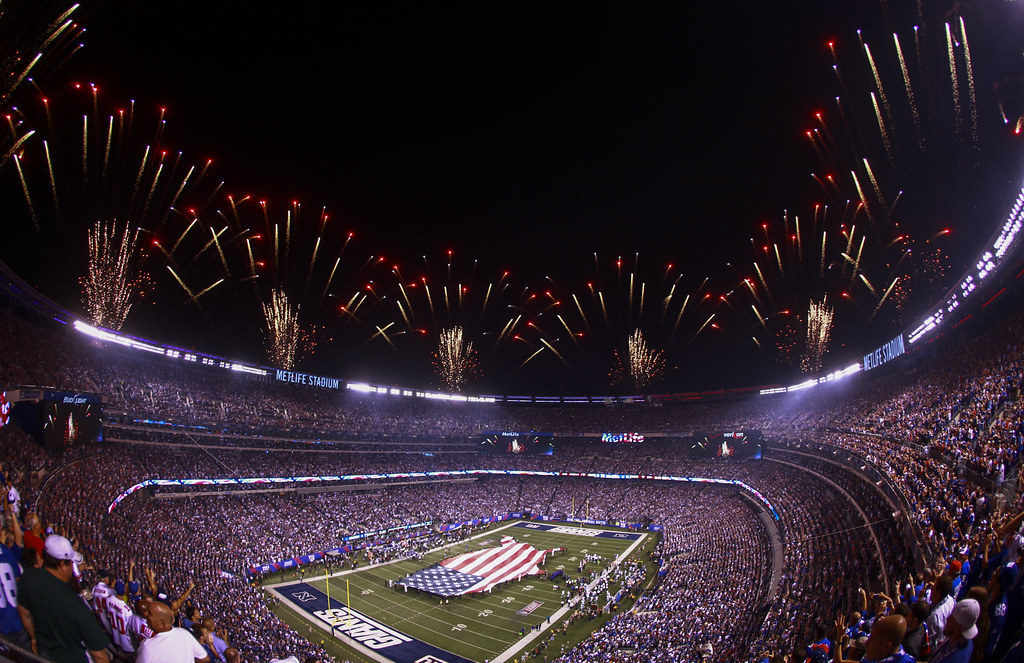
12. The Final Will Be Near New York City
The championship match is scheduled to take place at MetLife Stadium, one of the largest venues in the tournament.
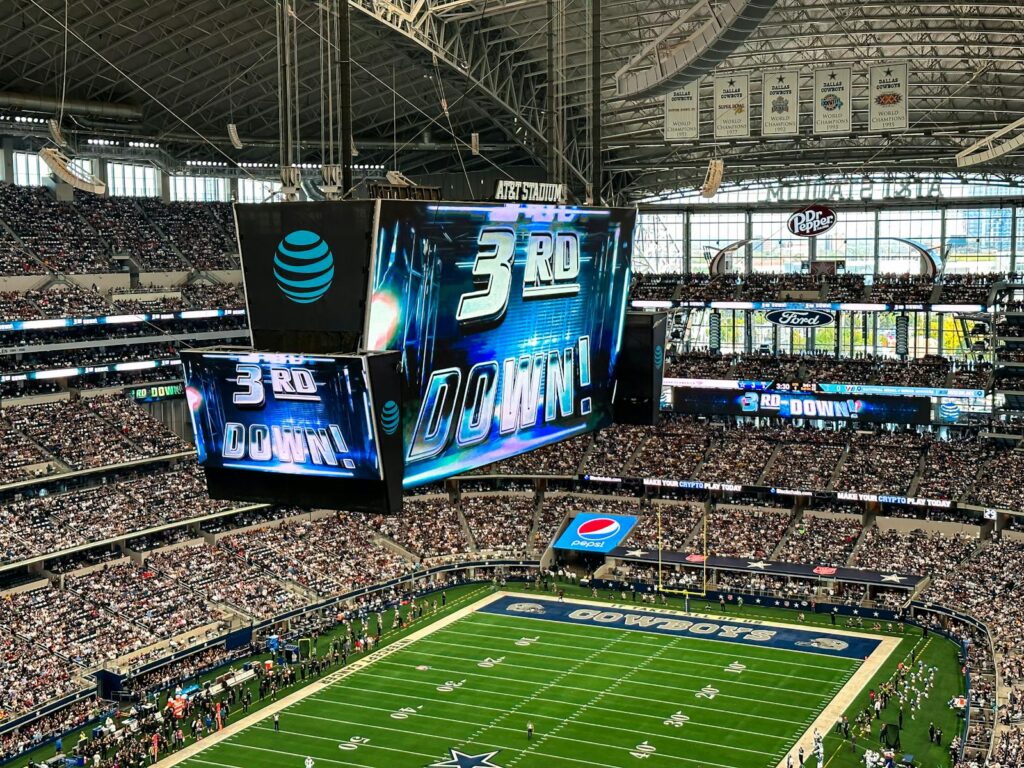
11. Dallas Will Host the Largest Stadium
The tournament’s biggest venue will be AT&T Stadium, with a capacity approaching 94,000 spectators.

10. The Format Is Changing
The tournament will feature 12 groups of four teams. The top teams advance into a new 32-team knockout stage, adding an extra round of elimination games.
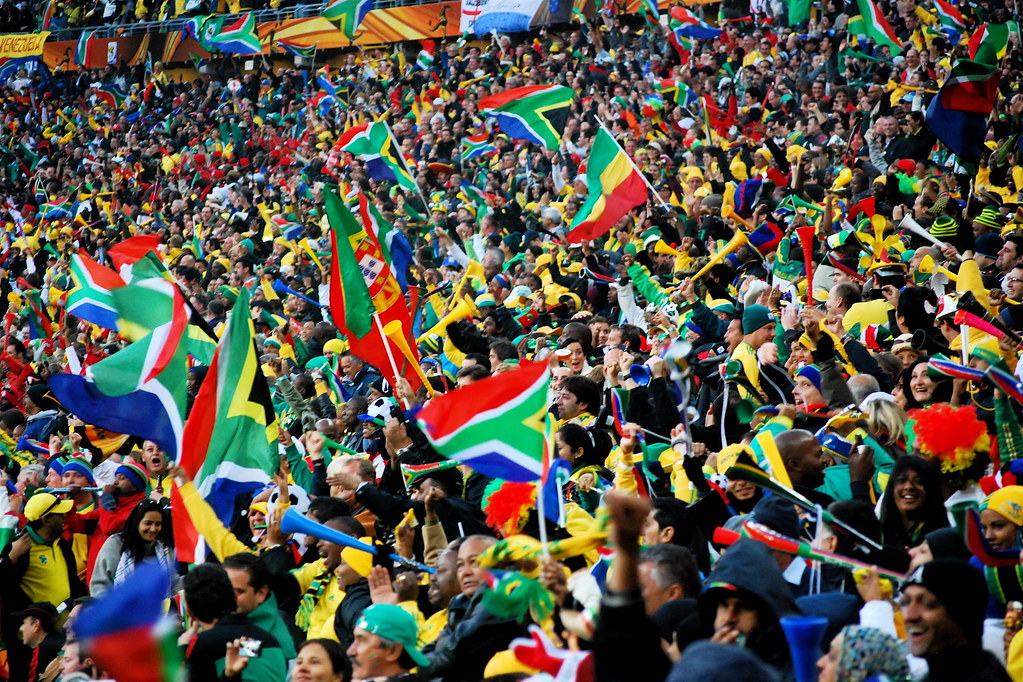
9. More Countries Will Get a Chance to Participate
The expanded format opens the door for nations that previously struggled to qualify, increasing global representation and creating opportunities for new Cinderella stories.
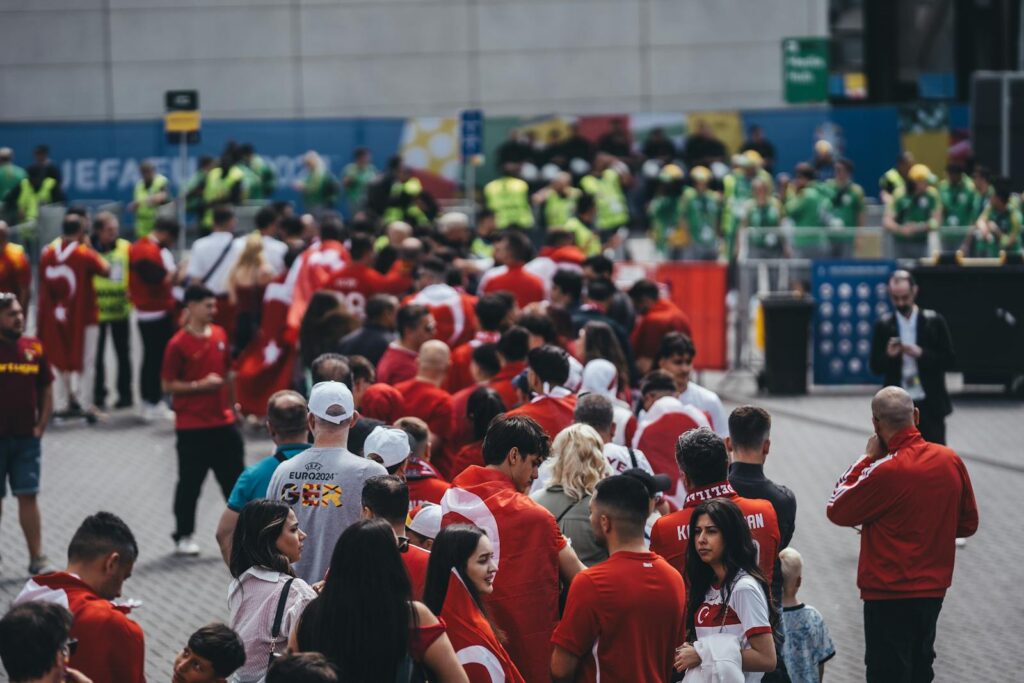
8. Travel Will Be a Major Storyline
Because matches are spread across three countries and thousands of miles, teams and fans will face some of the longest travel distances in World Cup history.

7. Several NFL Stadiums Will Be Used
Many of the venues were originally built for American football, including stadiums in Dallas, Atlanta, Kansas City, Philadelphia, Seattle, and Houston.

6. Millions of Fans Are Expected
Organizers expect the tournament to attract millions of visitors across North America, making it one of the largest sporting events ever staged.

5. Security Planning Is Massive
Officials have described preparations as one of the most complex security operations ever undertaken for a sporting event, involving hundreds of agencies across three countries.
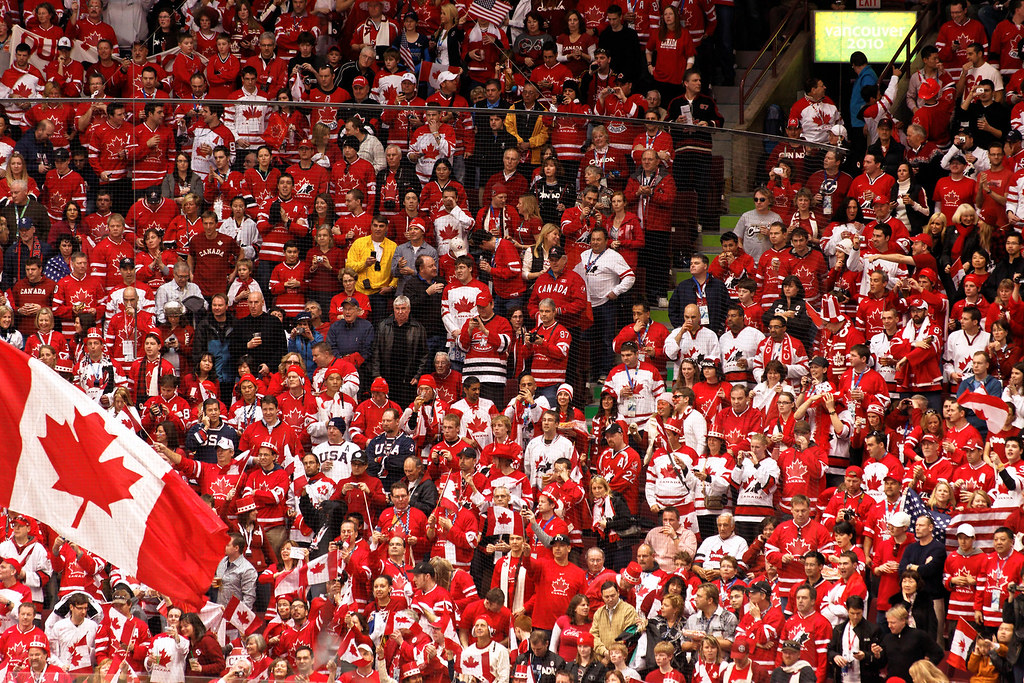
4. Canada Will Host Men’s World Cup Matches for the First Time
While Canada has hosted other FIFA tournaments, including the women’s World Cup, 2026 marks the country’s first time hosting men’s World Cup matches.

3. The Tournament Could Produce New Soccer Powers
With more qualification spots available, emerging soccer nations have a better chance than ever to make a deep run and surprise traditional powers.

2. It Will Be the Most Commercially Successful World Cup Ever
The combination of expanded participation, North American markets, and increased sponsorship opportunities is expected to generate record-breaking revenue and prize money.
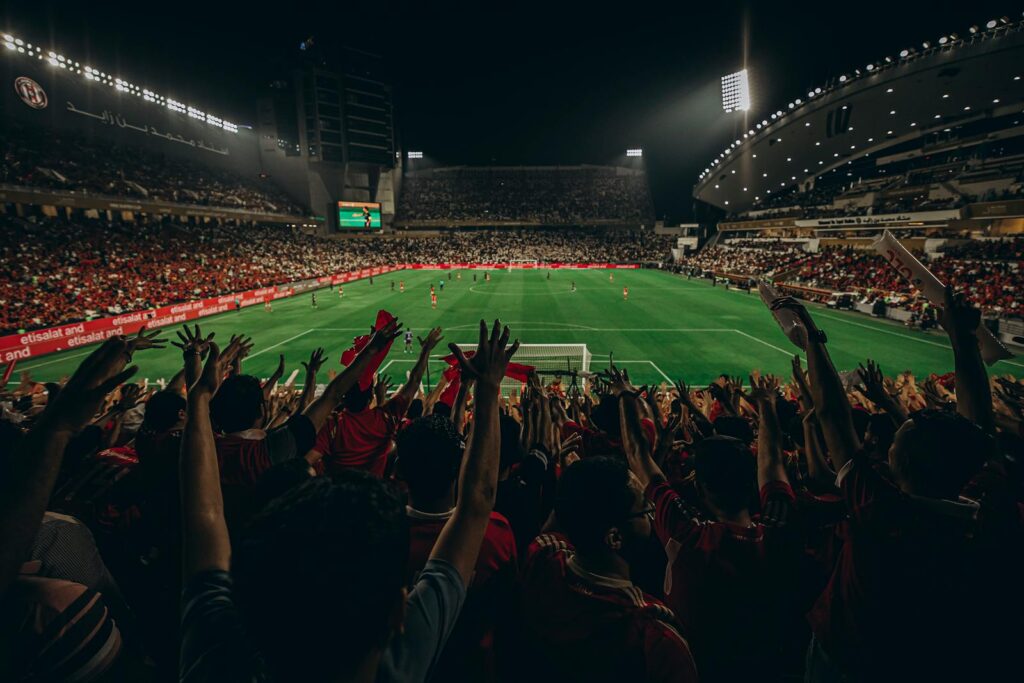
1. It May Redefine the Future of the World Cup
The 2026 tournament represents the largest expansion in World Cup history. If successful, it could permanently change how FIFA approaches future tournaments, host nations, and global participation.
Read More:
- 12 Full-Size Liquids You Can Actually Bring Through Airport Security
- America’s Most Crowded Airports—Top 10 List
- 10 Easy Ways to Save Money on Your Next Trip
Ask us! What questions do you have about content, strategy, pop culture, lifestyle, wellness, history or more? We may use your question in an upcoming article!
Like MediaFeed’s content? Be sure to follow us.
This article originally appeared on Resourcebuzz and was syndicated by MediaFeed.co.