10 “masterpiece” albums from the ’70s that are actually incredibly overrated: Do you agree?
Let’s accept it. The history of music can be funny, especially when a record becomes sacred for reasons that remain enigmatic, somewhat illogical, or even hard to accept. The timing was right, the press got behind it, someone important said something important, and suddenly an album with maybe four genuinely great songs is being called one of the defining artistic statements of the century. It happened a lot in the 1970s — a decade so loaded with legitimate genius that the mythology got ahead of the actual listening experience somewhere along the way. And nobody, for a very long time, wanted to be the one to say it out loud.
Ten of them, below. Do you agree?

Hotel California — Eagles (1976)
Three great opening tracks. Then something else happens — a kind of slow deflation — and you lose complete interest in the remainder of the record. The title track’s guitar solos remain genuinely impressive; nobody is taking that away. But everything around them is posturing, and honestly, “Life in the Fast Lane” is essentially a Don Henley song about attractive people driving around Los Angeles being attractive. WhatCulture calls it an album people describe more than they sit through. Platinum 28 times. That is a commercial fact. Not necessarily a musical argument.

Rumours — Fleetwood Mac (1977)
The background story behind it became bigger than the record itself, which is — when you think about it critically — the problem. Six genuinely great songs. Four that exist as a kind of ambience. Screen Rant notes that later releases chased the same magic with consistently mixed results, which suggests the drama was doing considerably more work than the songwriting was. The mythology is real. The album as a complete listening experience is something people describe far more often than they actually sit through from start to finish.
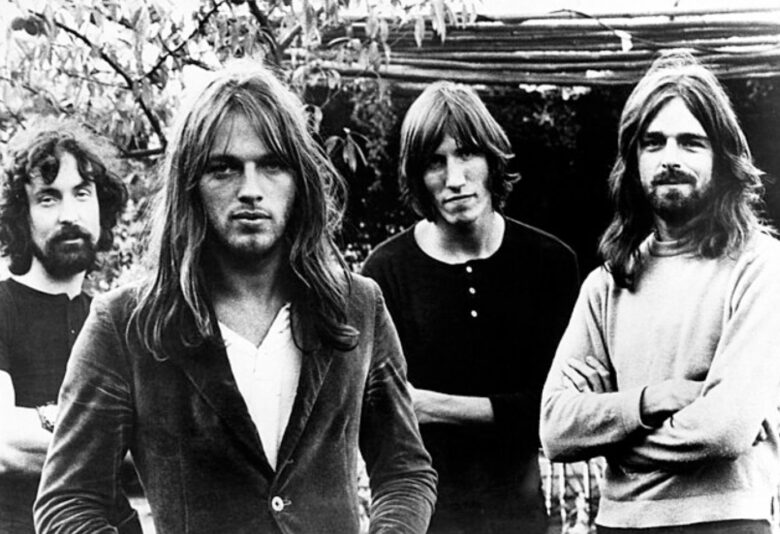
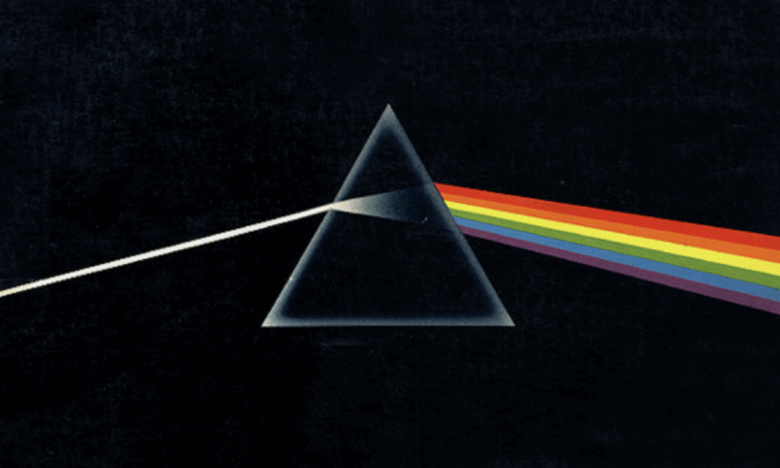
The dark side of the moon — Pink Floyd (1973)
It spent 996 weeks on the Billboard chart. At a certain point, that stops being about music and starts being about the kind of record that lives in a room as furniture rather than something you actually put on and listen to. audiophix makes the case with some force: Meddle is more interesting, Animals is more dangerous, and both of them are stranger and less comfortable than this one. Neither has a poster in every college dormitory in the Western world. That tells you something about what is actually happening here.
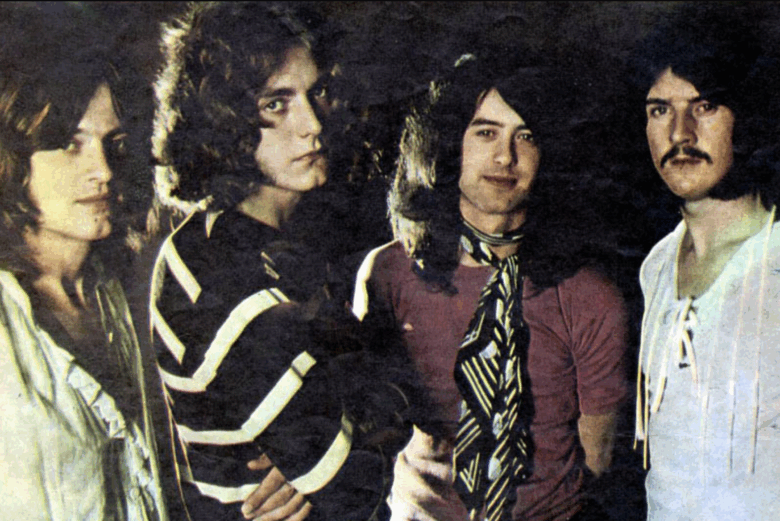
Led Zeppelin IV (1971)
“Stairway to Heaven” has been played so many times that it has become a kind of background frequency, like traffic — present everywhere, processed by nobody. Screen Rant calls this the moment the band stopped being musicians and started becoming a brand, which is maybe the harshest thing you can say about a record, and is also not entirely wrong. Physical Graffiti takes more risks. The debut has more hunger. IV has the reputation. Those are not always the same thing.

Born to run — Bruce Springsteen (1975)
Every single song on this record strains toward transcendence with the effort fully audible, which is either thrilling or exhausting, depending entirely on where you are in life when you hear it. The critical establishment decided Springsteen was saving rock and roll before the record had even finished pressing, which makes objective listening nearly impossible. Screen Rant argues Darkness on the Edge of Town is tougher, stranger and more honest. Born to Run is the myth. The myth won, and it has been winning ever since without much opposition.
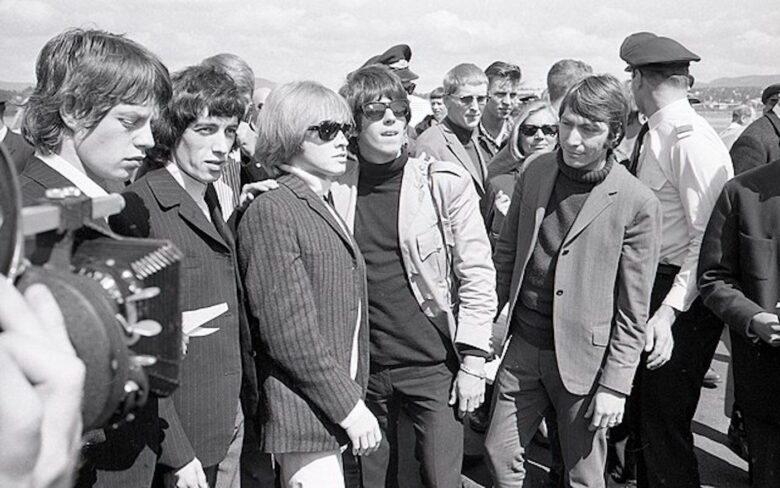
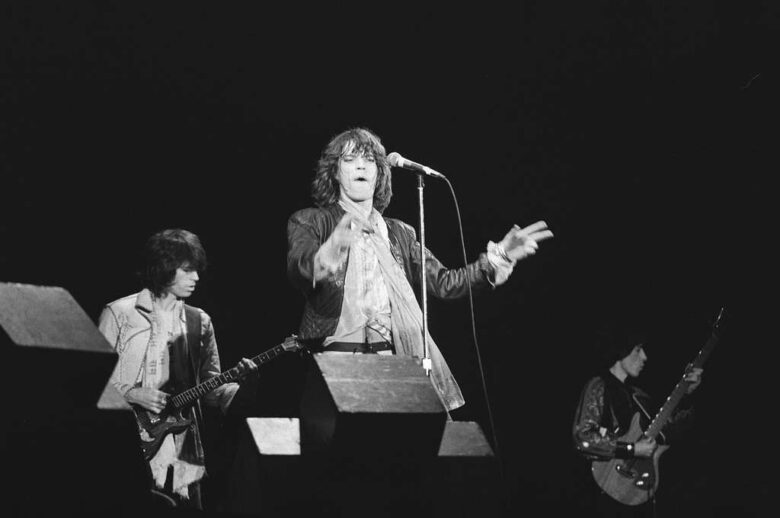
Exile on Main St. — The Rolling Stones (1972)
A double album recorded in a basement in the south of France while everyone involved was in various states of chemical distress. The legend of how it was made — the chaos, the dysfunction, the sheer improbability of it existing at all — has completely consumed the experience of listening to it. There are eighteen songs. Six of them are essential. WhatCulture puts Sticky Fingers ahead of it. Not wrong.

Tapestry — Carole King (1971)
Extraordinary songs. Genuinely. Also, an album the critical establishment decided was important before most people had heard side two, which is a kind of preemptive canonization that makes honest reassessment nearly impossible even now, fifty years later. Screen Rant notes the biographical mythology shaped the reception as much as the music did — a woman writes a confessional record, changes the game, becomes untouchable. Very good album. Not untouchable.

Goodbye yellow brick road — Elton John (1973)
Here is a double album that could have been a perfect single one, and the evidence is sitting right there on side one, which is among the finest things Elton John ever committed to tape. Sides three and four are what happens when nobody in the room is willing to say the word “edit” out loud, possibly because the first two sides were so good that everybody lost their nerve. WhatCulture notes it lost to Led Zeppelin IV with 79% of the vote in a classic rock bracket. The consensus is working from the singles. It usually is.
The wall — Pink Floyd (1979)
“Another Brick in the Wall” is one of the genuinely great rock singles. Everything around it — and there is a considerable amount of everything around it — is a concept album about a man who builds a wall, which is an idea that runs out of interesting things to say approximately forty minutes before the record does. Screen Rant calls it a theatrical landmark that prioritizes message over melody. Theatrical landmark. Bloated record. Both things, simultaneously, without contradiction.
Sticky fingers — The Rolling Stones (1971)
A great album. Actually, a great album, which is precisely the problem. Its actual quality is underappreciated because it exists entirely in the shadow of Exile on Main St., a record it demonstrably beats in focused songwriting and sonic coherence. WhatCulture rates it higher, and that’s fair. The legend of the other one got in the way decades ago and has never really moved since.
The bottom line
The 1970s produced more genuine masterpieces than any other decade in rock history. That is precisely why the mythology grew so fast; it swallowed some records whole. Some of these deserve every word ever written about them. Some deserve a cold, honest listen without the story attached. Do you agree?
Ask us! What questions do you have about content, strategy, pop culture, lifestyle, wellness, history or more? We may use your question in an upcoming article!
Related:
- Boomer-era B-movies that are actually masterpieces
- The most controversial songs of the ’60s: Do you agree?
Like MediaFeed’s content? Be sure to follow us.
This article was syndicated by MediaFeed.co.