10 brilliant B-sides that were infinitely better than the band’s actual radio hits: Do you agree?
Revisit your golden memories and you will remember how the music business used to work. The label picked the song they thought would sell, slapped it on Side A, and treated everything else as an afterthought. Side B was where the weird stuff went. The slow stuff. The too-long stuff. The stuff the A&R man couldn’t figure out how to pitch to radio. And sometimes — not always, but enough times to make you seriously question the whole system — Side B turned out to be the better song.
Not just slightly better. Significantly, embarrassingly, historically better. Songfacts and Yardbarker document the cases below, and the argument more or less makes itself.
These ten are the ones hardest to argue with.

“God only knows” — The Beach Boys (B-side to “Wouldn’t it be nice,” 1966)
Paul McCartney calls it the greatest song ever written. Just wants you to know that. It was the B-side, buried with almost no promotion because somebody at Capitol decided radio might not play a pop song with “God” in the title. Carl Wilson’s vocal. That French horn. The circular structure that never quite resolves.
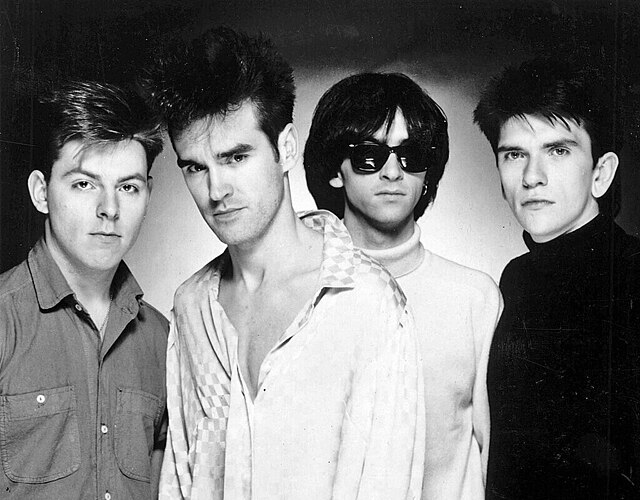
“How soon is now?” — The Smiths (B-side to “William, it was really nothing,” 1984)
Six minutes and forty-four seconds of tremolo guitar and the most desolate vocal Morrissey ever recorded. Epic. Filed as a B-side because nobody thought it would connect. Back in 2007, Johnny Marr called it “probably the band’s most enduring record,” says Songfacts. The A-side runs two minutes and nine seconds. This one is nearly seven, so you do the math.

“Maggie May” — Rod Stewart (B-side to “Reason to believe,” 1971)
DJs got the single and started playing the wrong side. Just flipped it. Didn’t ask. Songfacts documents what happened: within two weeks, the label had to reclassify it, though copies kept rolling off the presses listing it as the B-side for months. Rod Stewart wrote it about his first sexual encounter and handed it to the world almost entirely by accident. Walk into any bar and ask someone to play “Reason to Believe.” Watch what happens to their face.
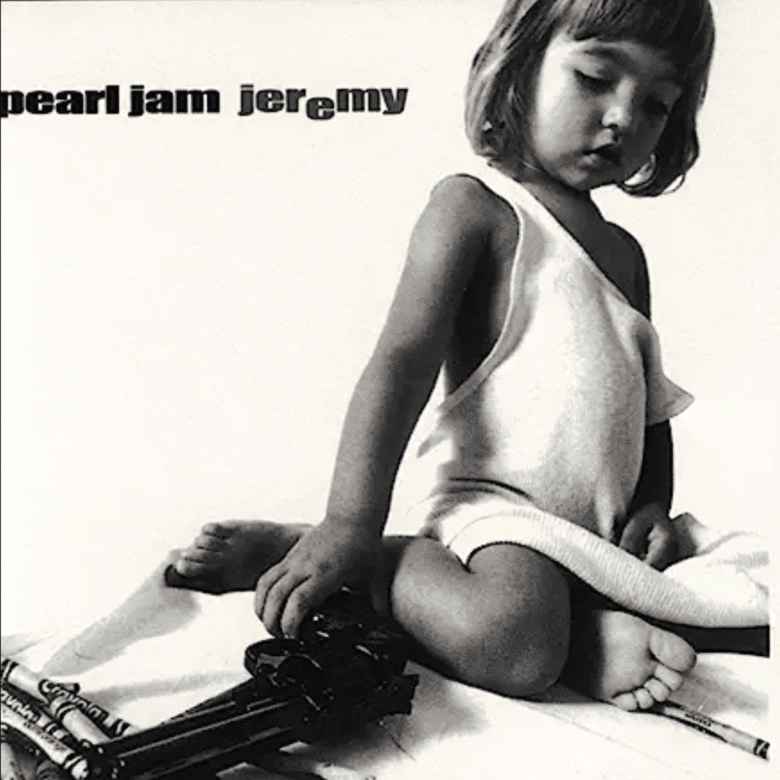
“Yellow Ledbetter” — Pearl Jam (B-side to “Jeremy,” 1992)
Too loose for Ten. Too something — and the something was never quite named, which is probably why it ended up as a B-side and probably also why it outlasted half the album it was cut from. Yardbarker traces how it leaked onto the radio anyway and charted at 21 on Billboard Mainstream Rock Tracks without anyone planning for that. Eddie Vedder sings it differently at almost every live performance — different words, different phrasing, occasionally what sounds like a completely different song sharing the same melody. The lyrics are impossible to make out even when you’re reading along. None of that has ever cost it anything. Some songs just bypass all the usual requirements entirely. This is one of them.
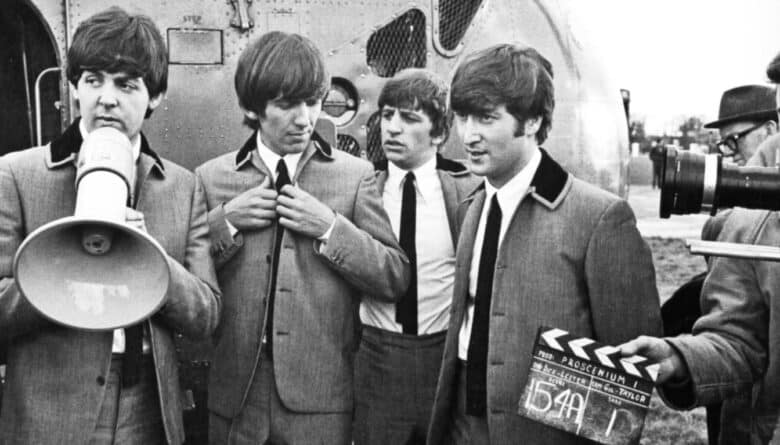
“Strawberry fields forever” — The Beatles (Double A-side with “Penny Lane,” 1967)
Capitol wanted a single and the band just handed them over. The two best things recorded for what would become Sgt. Pepper, pulled out and given away because the label needed a release date. Both of them. Gone. Songfacts covers what that cost the record. Nearly sixty years of quiet historian fury about a decision that took fifteen minutes. The wrong call turned out to be the right one. That’s either a happy accident or the most Beatles thing that has ever happened, and honestly it might be both.

“Hey hey what can I do” — Led Zeppelin (B-side to “Immigrant song,” 1970)
Quick test. Most people who grew up with classic rock have heard this song so many times they can hum it start to finish. Ask them the title right now and watch the pause. That pause is the whole story. Songfacts notes it stayed off every official Zeppelin studio release until the 1990 box set — radio stations playing it for twenty years while the song technically didn’t exist anywhere you could buy it. Acoustic, unhurried, Robert Plant singing about a woman who simply will not settle down, with an amused resignation you almost never hear from him on any Zeppelin record. You heard it driving somewhere. You could hum every note. You went looking and came back empty. Heard everywhere, findable nowhere, belonging to no album and somehow completely everybody’s anyway.
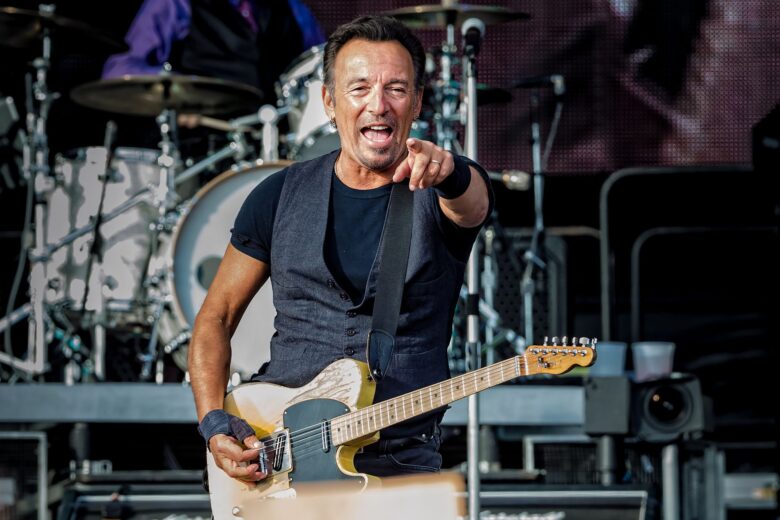
“Pink Cadillac” — Bruce Springsteen (B-side to “Dancing in the dark,” 1984)
The odds are that a real person, in a room, with a pen, looked at the Born in the U.S.A. tracklist and drew a line through this one. Felt good about it, probably. Songfacts has the original, and it’s loose, shuffling, and alive in a way almost nothing on the album manages, which tells you everything about the decision. It sounds like a Tuesday afternoon. Nobody is thinking about stadiums yet. Natalie Cole heard it, covered it, and took it to number one in 1988. The Springsteen original stayed a B-side the whole time. Whoever drew that line is still wrong. The wrongness has only compounded since.
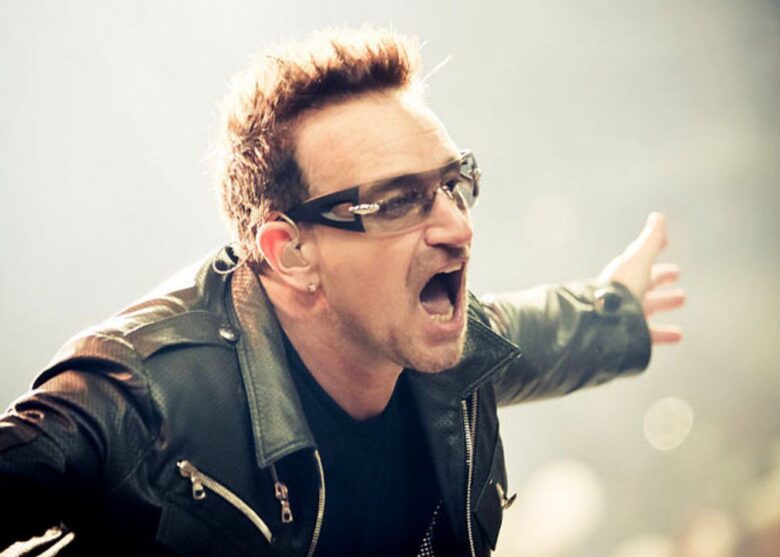
“Sweetest thing” — U2 (B-side to “Where the streets have no name,” 1987)
Bono missed Ali’s birthday. The Joshua Tree sessions were consuming everything and somewhere in all of that the birthday went. He wrote this as an apology and the label filed it as a B-side. Songfacts documents it reaching number three in the UK when properly released in 1998. The 1987 original has a slightly unfinished quality — a sense it was written fast because it needed to be. The song it was filed behind is “Where The Streets Have No Name.” Still made a case.
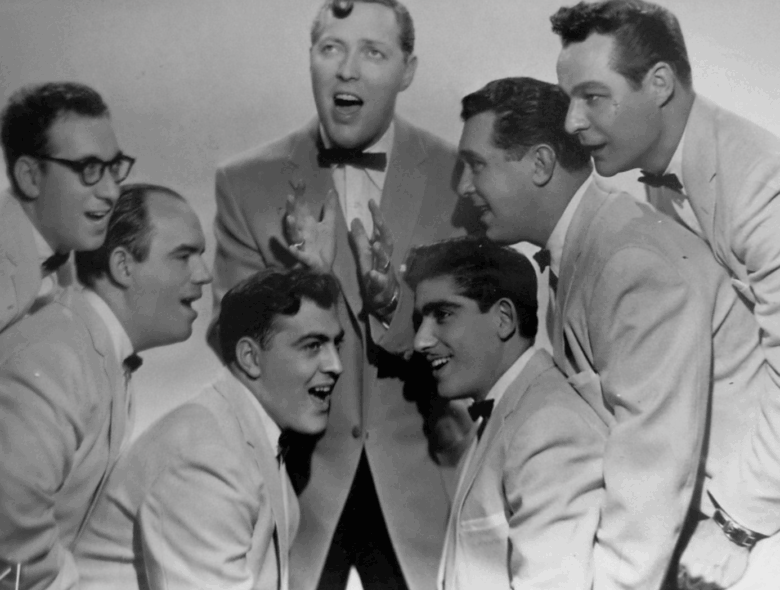
“Rock around the clock” — Bill Haley and His Comets (B-side to “Thirteen women,” 1954)
The song that started rock and roll was the B-side. The A-side was a novelty number about surviving a nuclear blast. Yardbarker has the full account. Eight weeks at number one after Blackboard Jungle dropped it into its opening credits in 1955. The afterthought was the entire future of popular music.
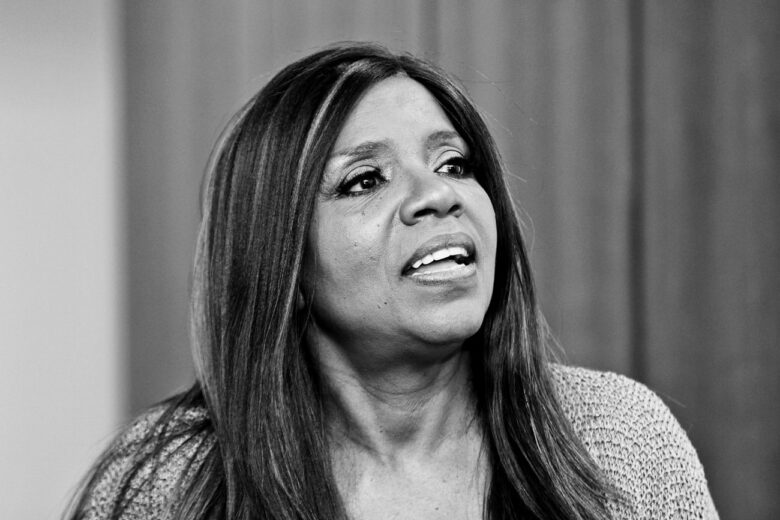
“I will survive” — Gloria Gaynor (B-side to “Substitute,” 1978)
“Substitute” was the plan. Everybody agreed. DJs kept flipping it over anyway. Songfacts documents how it crossed from dance floors to the mainstream, won the Grammy for Best Disco Recording in 1980 and ended up somewhere beyond category entirely. “Substitute” exists. Technically. Nobody has played it on purpose since 1978.

The bottom line
The label put the safe bet on Side A every single time, with complete confidence and no hesitation. And the ten songs on this list are what happened on the other side of that confidence. They didn’t need a plan. They just needed someone to flip the record over.
Ask us! What questions do you have about content, strategy, pop culture, lifestyle, wellness, history or more? We may use your question in an upcoming article!
Related:
- The most controversial song the year you were born: Gen X edition
- The most controversial songs of the ’60s: Do you agree?
Like MediaFeed’s content? Be sure to follow us.
This article was syndicated by MediaFeed.co.