15 Money Mistakes Americans Regret the Most
Nobody gets every money decision right.
Whether it’s spending too much, saving too little, or putting off important financial choices, almost everyone has at least one financial regret they’d love to undo. The good news is that many of the most common mistakes are also the most preventable.
Here are 15 financial missteps that countless Americans wish they had avoided—and what you can learn from them.

15. Waiting Too Long to Ask for Financial Help
Many people wait until they’re overwhelmed before seeking guidance.
Whether it’s a financial advisor, tax professional, credit counselor, or trusted mentor, getting help early can often prevent small problems from becoming major ones.

14. Going Without Important Insurance Coverage
Insurance isn’t exciting, which is why it’s easy to postpone.
Unfortunately, a single medical emergency, accident, disability, or unexpected loss can create financial damage that takes years to recover from. Many people don’t appreciate the value of coverage until they need it.

13. Never Setting Clear Financial Goals
It’s hard to make progress when you don’t know where you’re headed.
People who establish specific goals—whether it’s buying a home, paying off debt, retiring comfortably, or building an emergency fund—often find it easier to make smart financial decisions along the way.

12. Letting Lifestyle Inflation Take Over
Getting a raise feels great.
But many people increase their spending just as quickly as their income rises. Bigger houses, newer cars, expensive vacations, and upgraded lifestyles can quietly consume money that could have been building long-term wealth.

11. Never Negotiating Salary
Many workers accept the first offer they’re given.
The problem is that every raise, bonus, and promotion often builds from that initial salary. Even a modest increase early in your career can have a significant impact on lifetime earnings.

10. Leasing Cars Over and Over Again
Leasing can make sense in certain situations.
However, many people find themselves locked into an endless cycle of monthly payments without ever building equity in a vehicle. Over decades, that convenience can become surprisingly expensive.
9. Ignoring Their Credit Score
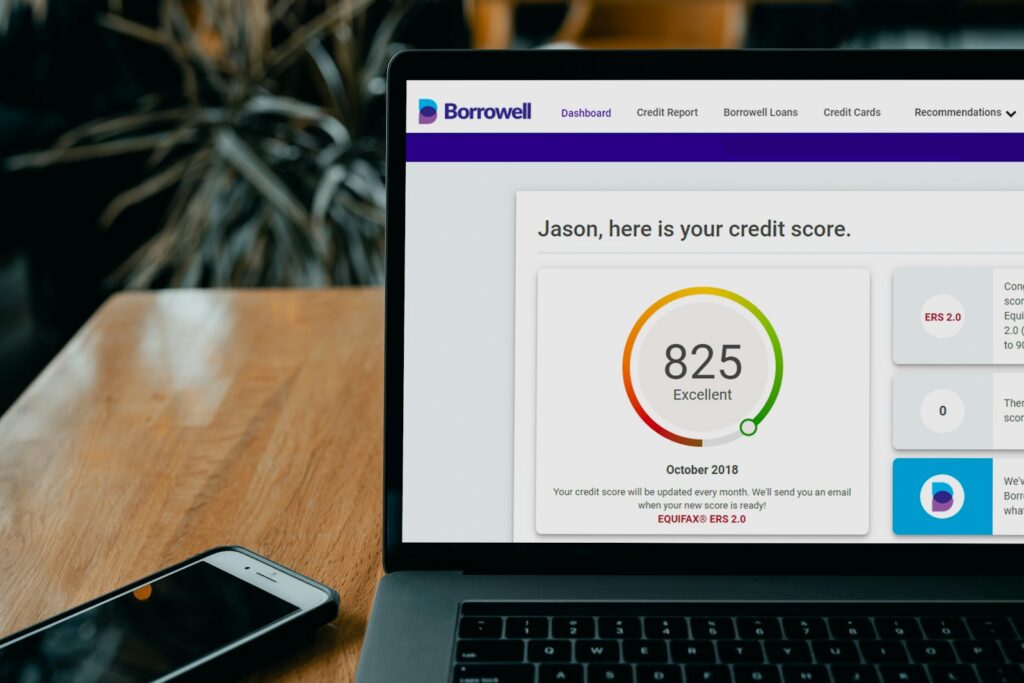
Credit affects far more than loan approvals.
A poor credit history can lead to higher interest rates, more expensive insurance premiums, security deposits, and fewer financial options overall. Many people don’t realize how important credit is until it becomes a problem.

8. Cashing Out Retirement Accounts Early
Retirement accounts are designed for the long haul.
Early withdrawals often trigger taxes, penalties, and the loss of years—or even decades—of potential growth. Many people later discover that the money they withdrew could have been worth far more if left invested.

7. Waiting Too Long to Start Investing
One of the most common investing regrets isn’t losing money.
It’s never getting started in the first place.
Time is one of the most powerful tools investors have, and even modest contributions can grow significantly over the long term.

6. Buying More House Than They Could Comfortably Afford
Homeownership remains a major financial goal for many Americans.
But stretching too far can leave homeowners “house poor,” with most of their income tied up in mortgage payments, maintenance, taxes, and insurance costs.

5. Taking on Too Much Student Debt
Education can be a valuable investment.
However, many graduates underestimate how long student loan payments can affect their finances. Borrowing more than necessary often limits flexibility long after graduation.

4. Never Building an Emergency Fund
Unexpected expenses aren’t really unexpected.
Cars break down. Appliances fail. Medical bills happen.
Without emergency savings, many people find themselves relying on high-interest debt to cover routine financial surprises.

3. Carrying Credit Card Debt for Too Long
Credit cards can be useful financial tools.
But when balances linger month after month, high interest rates can make even relatively small debts much more expensive than expected. Many Americans cite credit card debt as one of their biggest financial regrets.

2. Living Without a Budget
A budget isn’t about restriction.
It’s about awareness.
Many people discover too late that they have no clear picture of where their money is going. A simple spending plan often reveals opportunities to save, invest, and reduce unnecessary expenses.

1. Not Starting to Save Earlier
Ask retirees what financial advice they’d give their younger selves, and this answer comes up again and again.
Starting sooner matters.
Thanks to compound growth, money invested or saved early has far more time to work. Many people wish they had begun saving years earlier—even if they could only afford small amounts at the time.
Financial mistakes are a normal part of life, but they don’t have to define your future. The biggest advantage isn’t having a perfect track record—it’s learning from common regrets before they become your own. A few smart decisions today can make a dramatic difference years down the road.
Read More:
- 20 Things Wealthy People Refuse to Waste Money On
- 20 Money Mistakes That Quietly Keep You Broke
- Think Twice Before Joining These 20 Loyalty Programs
Ask us! What questions do you have about content, strategy, pop culture, lifestyle, wellness, history or more? We may use your question in an upcoming article!
Like MediaFeed’s content? Be sure to follow us.
This article originally appeared on Resourcebuzz and was syndicated by MediaFeed.co.