The greatest mistakes of all time: 10 times every tiny mistake costs millions
It takes a little luck to make a mistake. Doing something for $125 million, pulling a warship out of the harbor before it gets to pass, or creating a nuclear disaster is a whole different story. History contains a full roster of cases where a solitary decimal, number or calculation that nobody would dare to debate publicly became one of the most expensive afternoons in recorded time.
Do you know any of these?
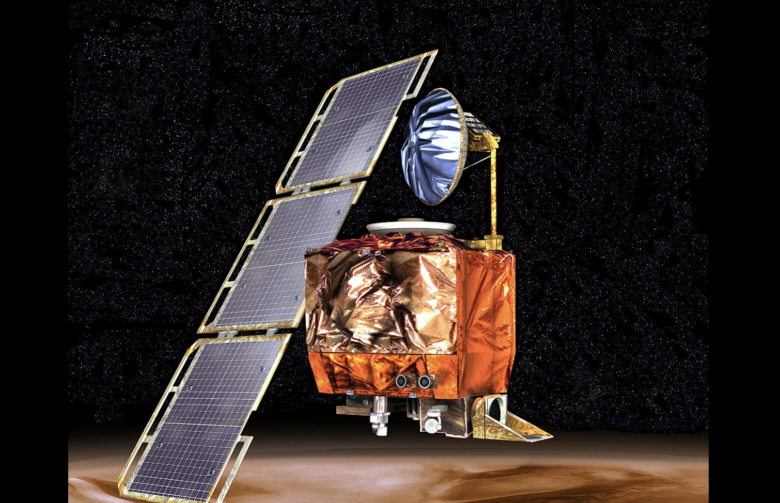
The NASA Mars Climate Orbiter (1999) — $125 million
One team used the metric system. The other used imperial. Nobody checked. On Sept. 23, 1999, the spacecraft, worth $125 million, entered Mars’ atmosphere at the wrong angle and was destroyed, according to Go2Tutors.
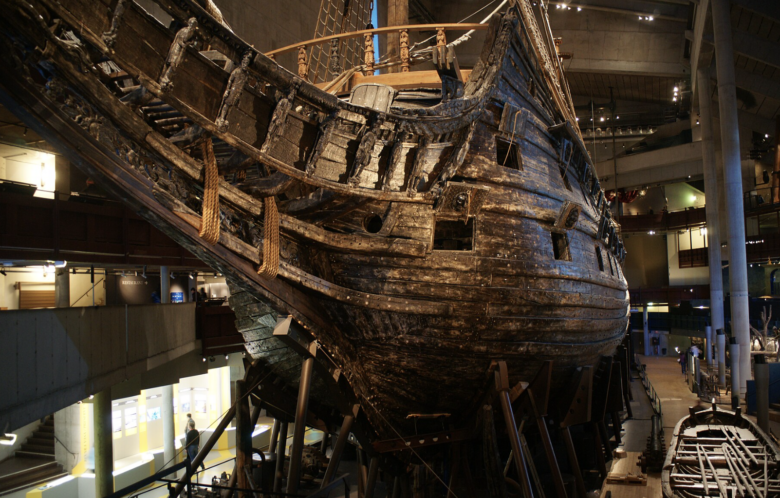
The Vasa warship (1628) — about 5% of Sweden’s GNP
Sweden’s most sophisticated warship, constructed, capsized shortly after its maiden journey through Stockholm harbor. This was more than 5% of Sweden’s national income, according to BeAmazed. The design was too top-heavy. Engineers raised concerns. The king was not interested.
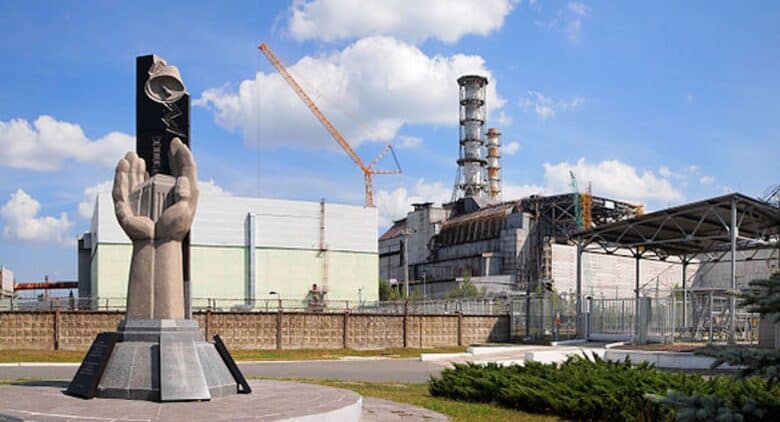
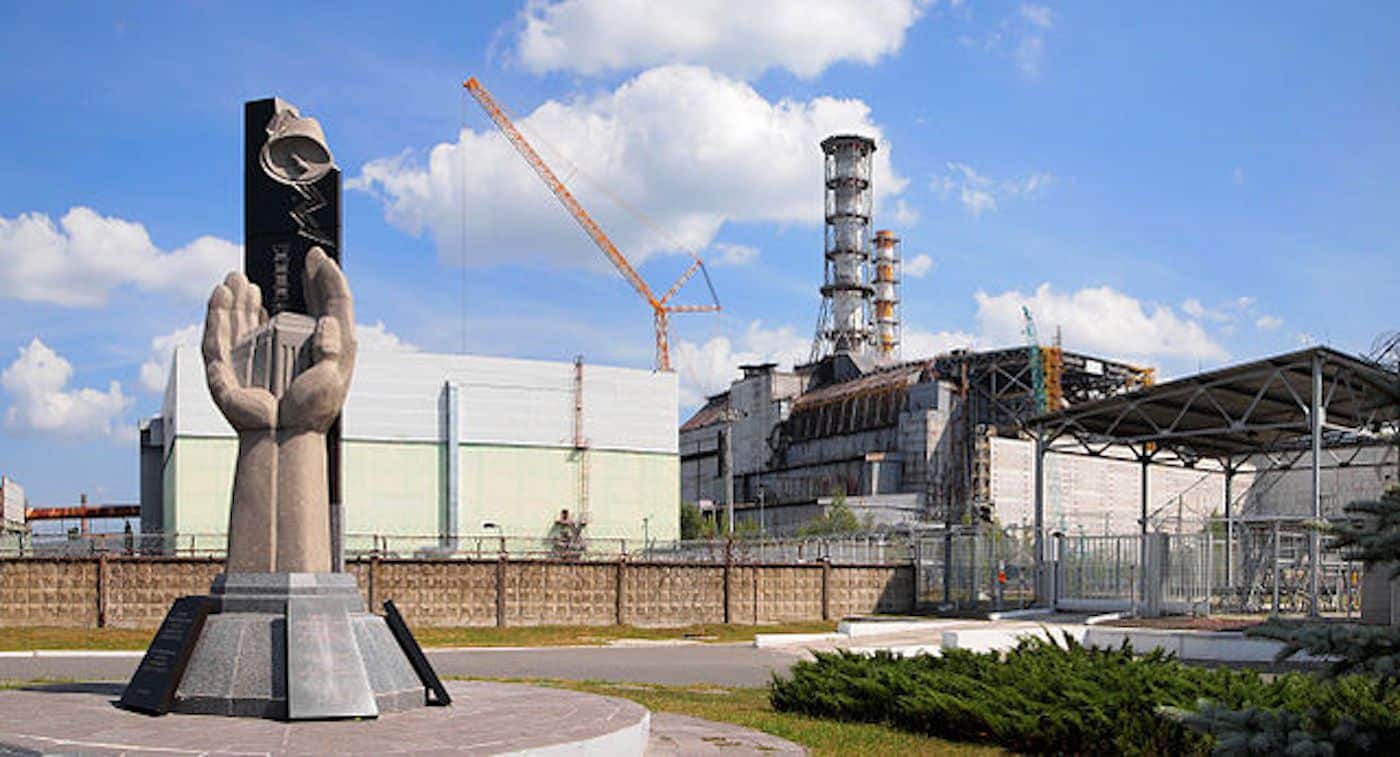
The Chernobyl disaster (1986) — $235 billion+
A safety test. That’s what caused it. On April 26, 1986, Chernobyl nuclear power plant operators conducted a test, disabling key safety systems and sending its reactor well beyond design limits. The net economic damage was over $235 billion, FYI reports. Entire swaths of Ukraine remain unlivable. And perhaps the cover-up is precisely the secret to the collapse of the USSR.
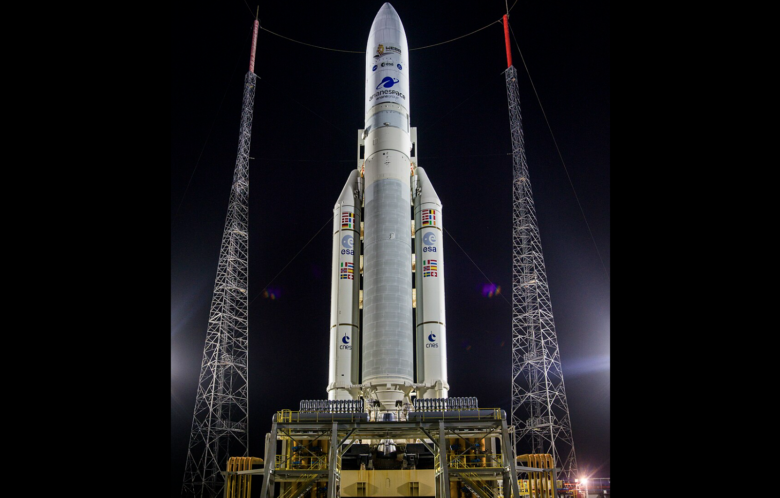
The Ariane 5 rocket (1996) — $370 million
Thirty-seven seconds. That’s how long Ariane Flight 501 remained afloat before blowing up over French Guiana and carrying a $370 million payload. The reason, Go2Tutors says, was that there had been no check on Ariane 4 software reuse. A 64-bit number was converted to a 16-bit integer. The system could not respond to this outcome.
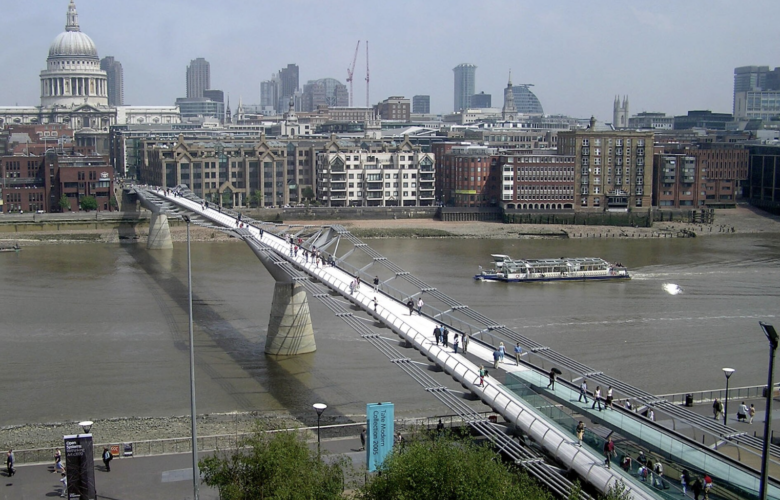
The London Millennium Bridge (2000) — $5 million extra
The bridge opened. People walked on it. It swayed dramatically. FYI shows that engineers considered vertical movement while ignoring lateral resonance altogether. Pedestrians changed their gait to match the sway, which added more sway, which led to more adjustment. Closed after two days. £5 million to fix.
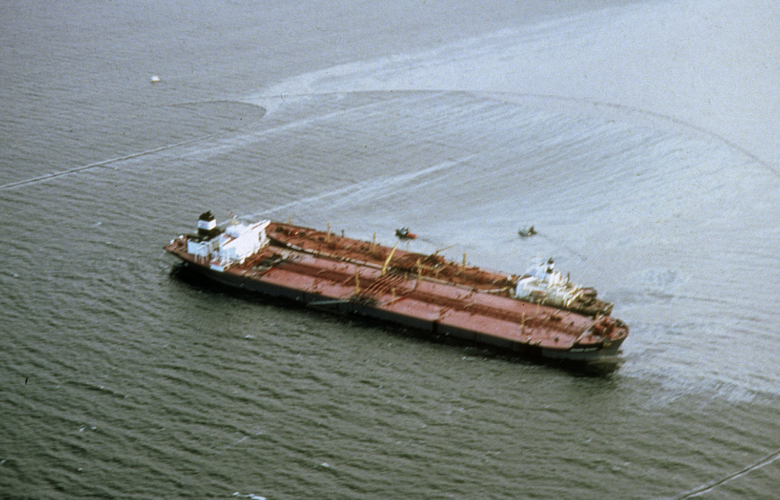
The Exxon Valdez oil spill (1989) — $7 billion
On March 24, 1989, on a reef in Alaska’s Prince William Sound, a tanker ran aground. The third mate was at the wheel when he shouldn’t have been. The captain was drinking. Cleanup and legal costs are in excess of $7 billion, FYI writes. The coastline of Alaska was impacted for decades after years of destruction.
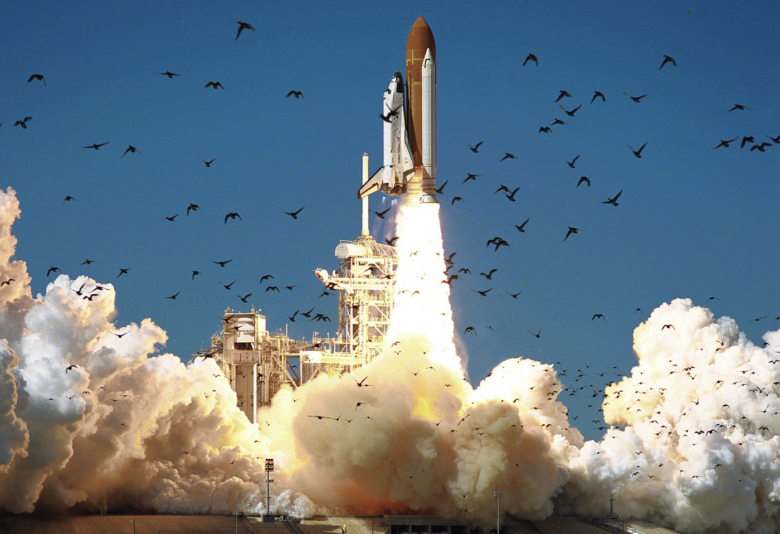
The Space Shuttle Challenger (1986) — $5.5 billion
Seven astronauts. A cold Florida morning. An O-ring on the right solid rocket booster that engineers had warned about the previous night. NASA would be required to pay $5.5 billion in damages, Go2Tutors says. Engineers had suggested that the launch be postponed. They were overruled.
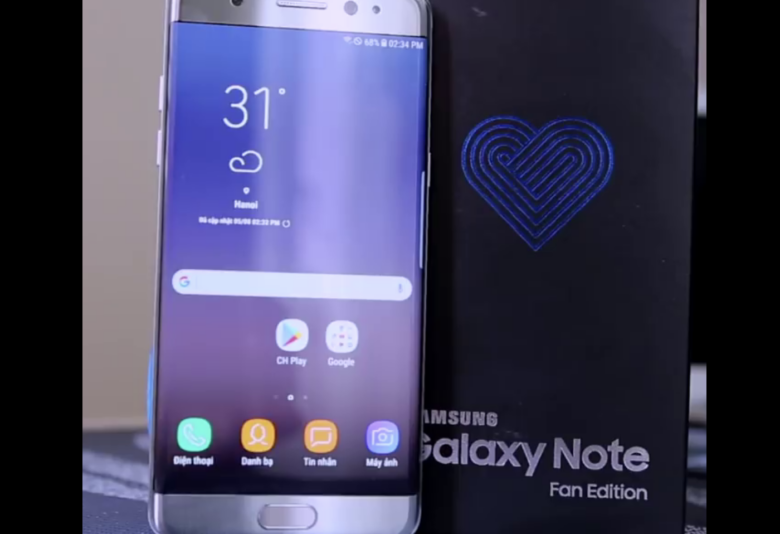
The Samsung Galaxy Note 7 recall (2016) — $17 billion
The phone caught fire. Some phones caught fire on planes, in pockets and at bedside tables. Samsung recalled the devices. The replacements also caught fire. Total added cost: $17 billion, FYI says.
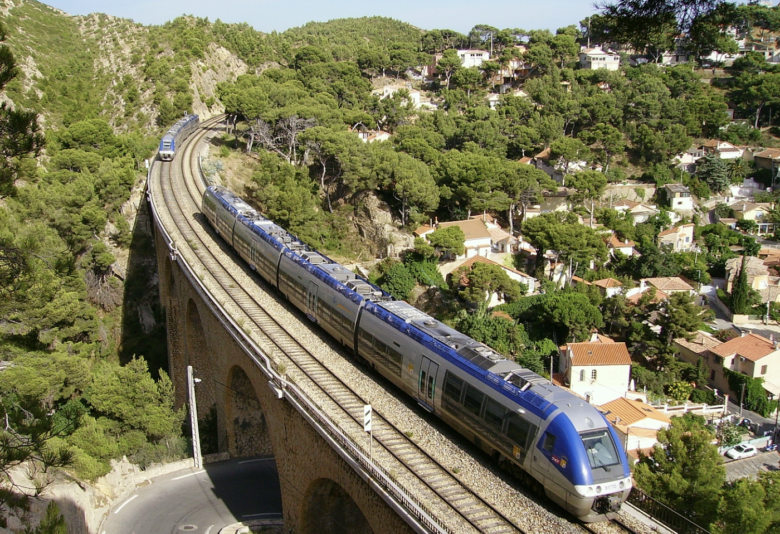
The SNCF train order (2011) — $50 million extra
The French national railway purchased 2,000 new trains that were too large for most of the country’s regional station platforms. Go2Tutors says they were measured against newer platforms. They were a different size than the old ones. Cost to modify: $50 million.
The AOL-Time Warner merger (2000) — $99 billion destroyed
The deal that seemed like the future resulted in shareholder value destruction as high as about $100 billion. After the merger, AOL’s value plummeted. It was the biggest write-down in American corporate history, according to FYI.

The bottom line
Scroll through that list and you see something. Almost none were pure accidents. Someone knew. An O-ring was raised by a rocket engineer. There was a unit mismatch that some NASA contractor noticed. The expensive part wasn’t always the mistake itself. It was the whole operation. In some cases, the meeting was where the error was ratified.
Ask us! What questions do you have about content, strategy, pop culture, lifestyle, wellness, history or more? We may use your question in an upcoming article!
Related:
- 11 creepy discoveries that archaeologists still can’t explain
- Scary urban legends that are actually true
Like MediaFeed’s content? Be sure to follow us.
This article was syndicated by MediaFeed.co.