15 Corporate Buzzwords That Need to Disappear NOW
Every generation develops its own annoying vocabulary, but corporate America has turned buzzwords into an art form. Somewhere along the way, simple communication got buried beneath a mountain of jargon, making ordinary conversations sound like they were generated by a management consultant’s AI chatbot.
Most of these words started with good intentions. Then people used them in every meeting, email, presentation, and LinkedIn post until they lost all meaning. Here are 15 buzzwords that deserve an immediate retirement.

15. Ideate
Why say “think of ideas” when you can sound like you’re pitching a startup in Silicon Valley?
“Ideate” somehow turned a perfectly normal activity into a corporate exercise. Most people would prefer you simply say “brainstorm.”

14. Streamline
Every company claims it’s streamlining something.
Processes get streamlined. Teams get streamlined. Entire departments get streamlined. Unfortunately, the word is often so vague that nobody knows what is actually changing.

13. Paradigm Shift
A true paradigm shift is rare.
Switching project management software isn’t one. Reorganizing a department isn’t one. Most uses of this phrase dramatically oversell what’s really happening.

12. Pivot
Startups may have officially worn this one out.
Sometimes businesses change direction. Sometimes they launch a new product. Somehow, every adjustment became a “pivot,” making the word far less impressive than people think.

11. Drill Down
Few phrases make a meeting feel longer than “Let’s drill down into this.”
Usually, it means someone wants more details. Saying exactly what details you need would save everyone time.

10. Touch Base
No one actually touches a base.
The phrase has become the default way to schedule meetings, follow up on projects, or justify putting another thirty-minute calendar invite on everyone’s schedule.

9. Deep Dive
Not every conversation requires a deep dive.
Sometimes a quick explanation will do. Yet somehow every discussion now needs an intensive exploration worthy of an academic research paper.

8. Bandwidth
Originally a technical term, bandwidth now gets used to describe everything from availability to emotional energy.
The phrase isn’t wrong, but “I don’t have time” remains refreshingly clear.

7. Move the Needle
Executives love asking whether something will move the needle.
The problem is that nobody ever seems to define which needle they’re talking about. Revenue? Engagement? Productivity? Specific goals tend to work better.

6. Low-Hanging Fruit
This phrase has survived far longer than it should have.
Yes, everyone understands it means easy wins. But after decades of use, it’s become the business equivalent of elevator music.
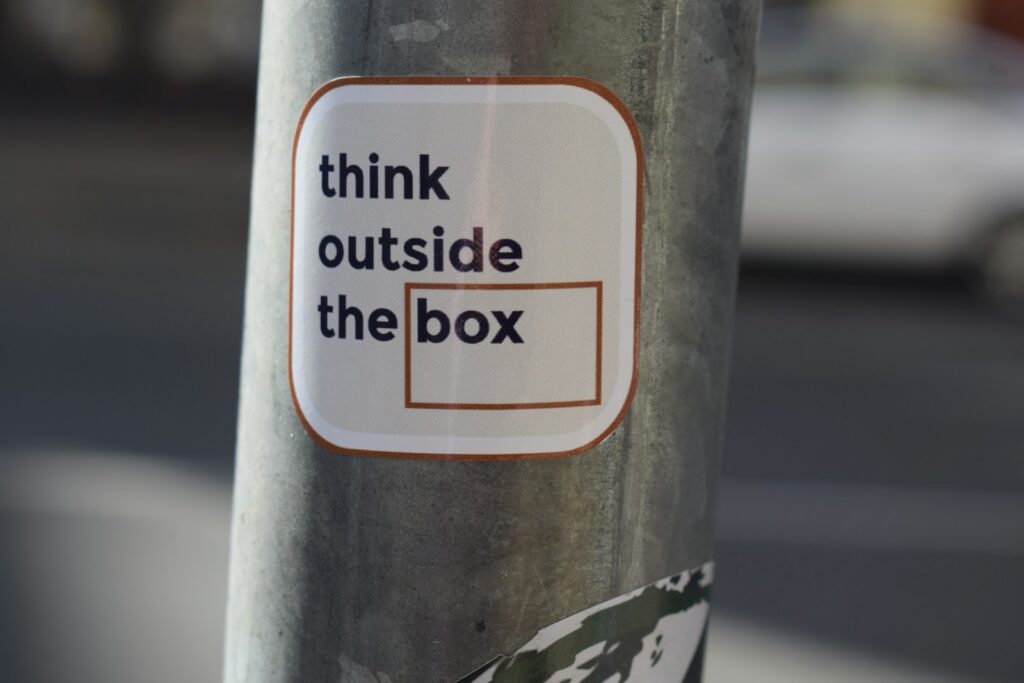
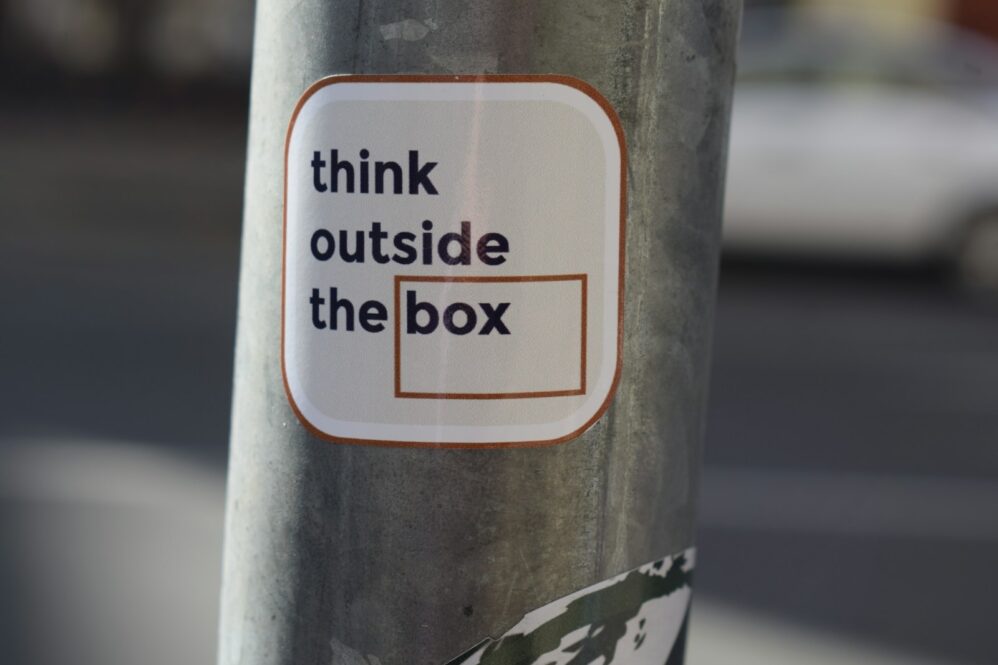
5. Think Outside the Box
Nothing kills creativity faster than announcing it’s time to think outside the box.
The irony is that one of the least original phrases in business is often used to demand originality.

4. Leverage
Corporate speakers love leveraging things.
They leverage resources, relationships, opportunities, insights, and synergies. Most of the time, they simply mean “use.”

3. Circle Back
Perhaps the most infamous delay tactic in business.
Sometimes people genuinely intend to revisit a topic later. Other times, “Let’s circle back” is corporate code for “I hope this issue disappears on its own.”
2. Disrupt
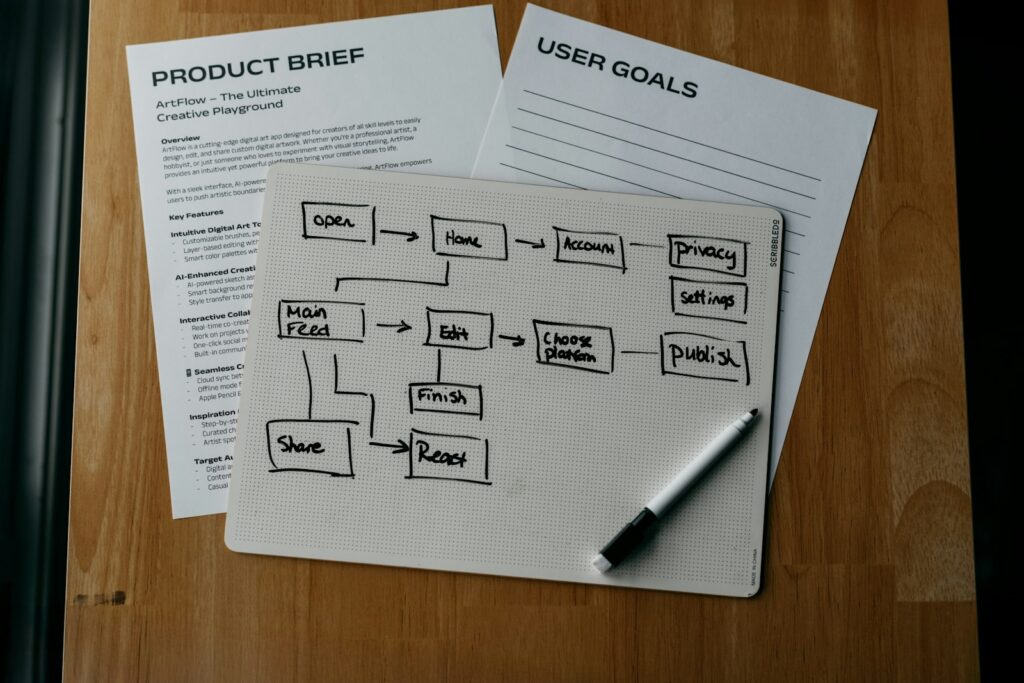
Every company wants to disrupt something.
The problem is that true disruption is incredibly rare. Adding a slightly different feature to an existing product isn’t disrupting an industry. It’s updating a product.

1. Synergy
No buzzword has achieved legendary status quite like synergy.
It’s been used to justify mergers, reorganizations, partnerships, strategic initiatives, and countless PowerPoint presentations. At this point, the word has become the mascot of meaningless corporate jargon.
Clear communication beats trendy jargon every time. If you can replace a buzzword with a simple, direct phrase, do it. Your coworkers, clients, and inbox will thank you for it.
Read More:
- Is the Five-Day Work Week Becoming Obsolete?
- 13 Tech Skills Employers Can’t Get Enough Of
- 20 Common Work Habits That Hold People Back
Ask us! What questions do you have about content, strategy, pop culture, lifestyle, wellness, history or more? We may use your question in an upcoming article!
Like MediaFeed’s content? Be sure to follow us.
This article originally appeared on Resourcebuzz and was syndicated by MediaFeed.co.