10 songs from the ’70s suddenly dominating TikTok
TikTok didn’t dig 1960s nostalgia at the beginning but then the platform got something the 1960s didn’t. Disco. The most physically challenging and visually propulsive popular music format ever created, and a generation of artists who manufactured records that, in many ways, seem as immediate now as they did in the mirror ball era.
Ten top ones, below.
The following is taken from Neon Music, Remember70ties and the Grammy. The algorithm doesn’t give a damn when a song is recorded.
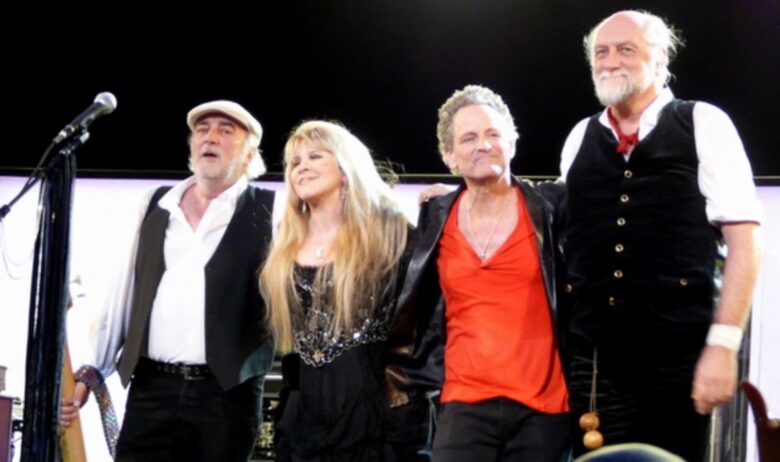
“Dreams” by Fleetwood Mac (1977)
In September 2020, Nathan Apodaca skateboarded down a highway in Idaho, next thing he drank Ocean Spray cranberry juice and, finally, lip-synced Stevie Nicks’ vocals. The Internet went wild with this video. The BBC reports that streams of “Dreams” grew by almost 90 percent in three days. The song was officially dropped into the Spotify Top 40 for the first time since 1977. Mick Fleetwood recreated the video. Stevie Nicks joined TikTok. Not surprisingly, the entire episode proved that a 43-year-old album cut could serve as the No. 1 cultural moment of the week.
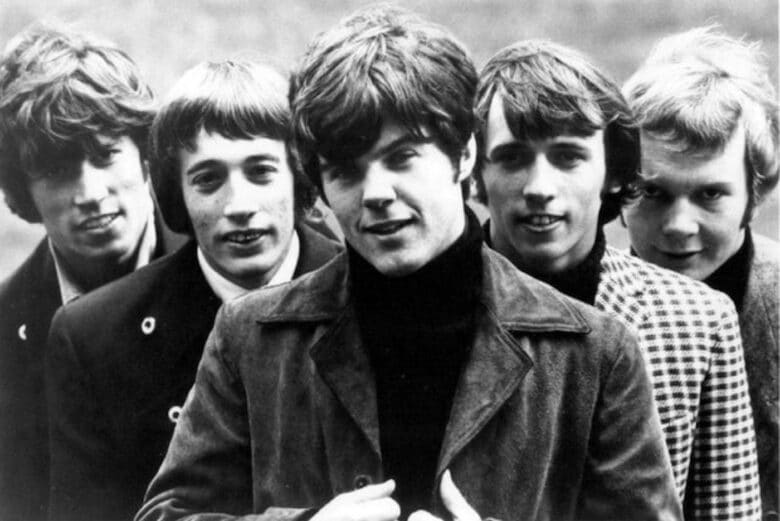
“Stayin’ alive” by The Bee Gees (1977)
The Saturday Night Fever anthem has a second life with roller-skating revival content. Skaters atop the track roll silky harmonies like layers on a cakewalk, and the chorus is perfect for not only couple videos, but also for nostalgia lifestyle offerings, according to Remember70ties.

“September” by Earth, Wind and Fire (1978)
Each September, the algorithm sends this song through to millions of people who don’t even need the reminder of September and you’re all ears. Neon Music further establishes its status as a TikTok anchor for celebration, transition and easy joy with ease for the masses. The blast of the first horn is still one of the most instantly joyful sounds in the entire recorded pop catalog.
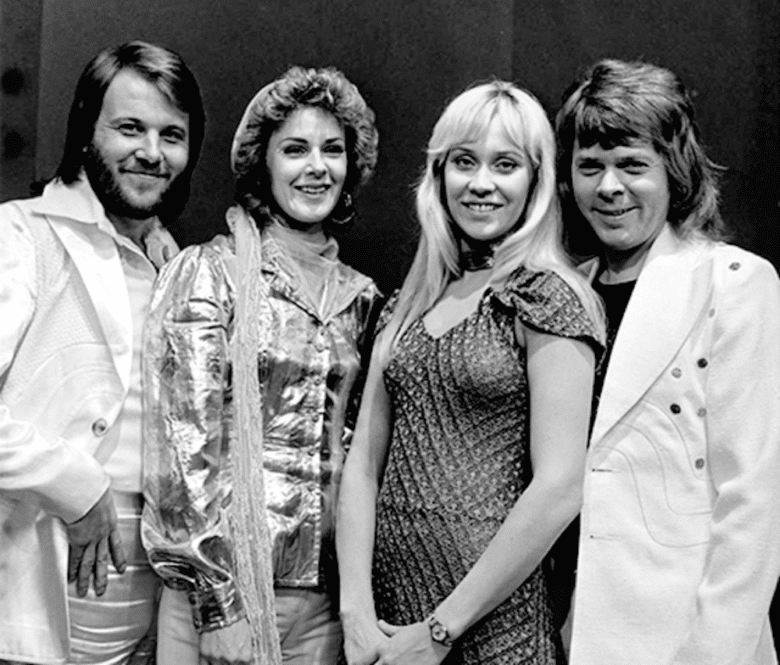
“Gimme! Gimme! Gimme!” by ABBA (1979)
Madonna sampled this for “Hung Up” that made the original relatable to a generation that had never heard it. When TikTok creators piled the two versions on the other side of each other, as Remember70ties details, it brought ABBA to millions of new fans. The riff hits at five seconds.

“Mr. Blue Sky” by ELO (1977)
Neon Music writes that users stitch together pets’ footage, travel highlights and before-and-after snippets to an otherwise euphoric chorus. A relentless optimism such that it is almost impossible to be paired with negative content.

“Superstition” by Stevie Wonder (1972)
That opening drum and clavinet pattern is one of the most identifiable intros in pop music. It makes its way across social media in confidence-informative content, and dance videos on TikTok where it deploys rhythmic depth as a structural challenge. Per the Grammy, catalog revivals like this are a defining feature of the platform’s discovery engine.
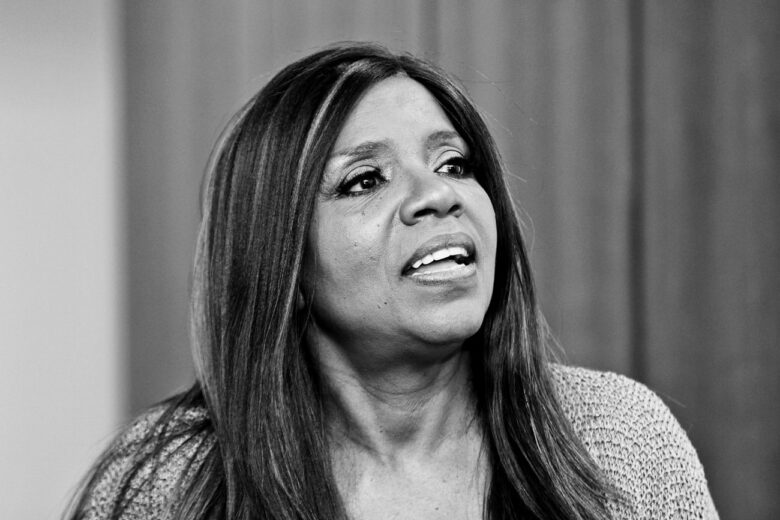
“I Will Survive” by Gloria Gaynor (1978)
Remember70ties, for one, proves it shows up across TikTok’s breakup videos and self-assertion videos all the time. The quiet spoken-word lead followed by an orchestral arrival is itself a before-and-after structure.
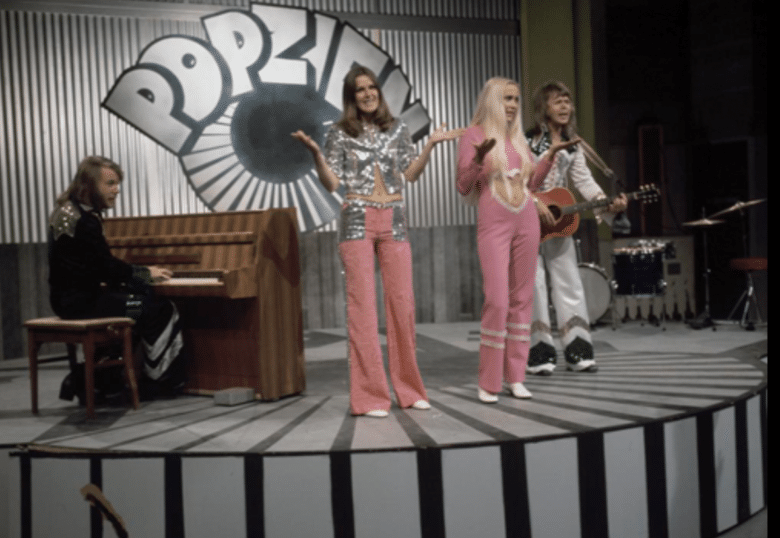
“Dancing queen” by ABBA (1976)
Neon Music has recorded every evidence of the ABBA catalog revival of the 2020s, possibly as part of their comeback that brought them Voyage of 2021, which was so successful. TikTok ranges from a literal dance to tongue in cheek to sardonic parodies.
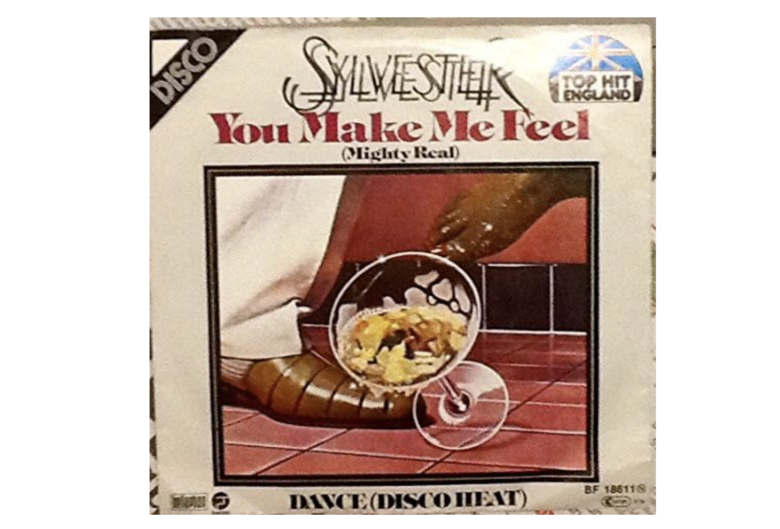
“You make me feel (Mighty Real)” by Sylvester (1978)
Remember70ties mentions a section of its LGBTQ+ content and a more roller-skating revival. This falsetto performance and Studio 54 production make it one of the more era-defining sounds on the platform.
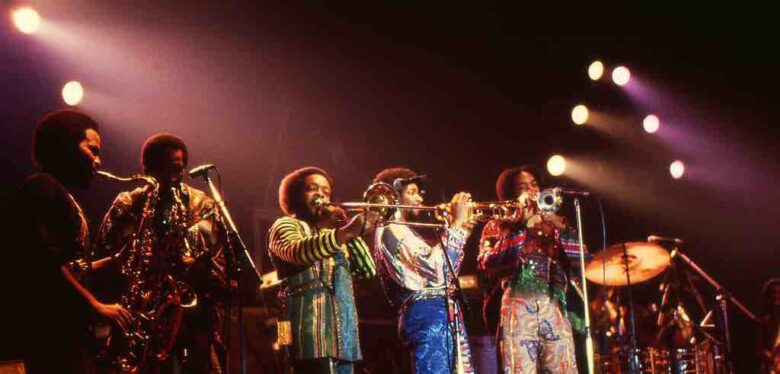
“Boogie wonderland” by Earth, Wind and Fire (1979)
Recorded with The Emotions, this 1979 Neon Music selection is a technically most festive song of the late 1970s: strings and brass, pulsating rhythm that is at once not unlike the day-to-day and still feels modern yet adds a vocal treatment that continues to mount with each step into its climax. On TikTok, it works as an effective herald of unambiguous good times, set to videos about nights out, group celebrations and anything that involves a soundtrack that signals it’s having a good time before the words even come through.

The bottom line
The 1970s provided TikTok music you can feel, rather than just hear. The disco era production was created for bodies, for movement, for rooms stacked with people responding to a single groove. That hardly differs from a platform built around brief videos of people dancing and changing.
Ask us! What questions do you have about content, strategy, pop culture, lifestyle, wellness, history or more? We may use your question in an upcoming article!
Related:
- The most controversial song the year you were born: Gen X edition
- The most controversial songs of the ’60s: Do you agree?
Like MediaFeed’s content? Be sure to follow us.
This article was syndicated by MediaFeed.co.