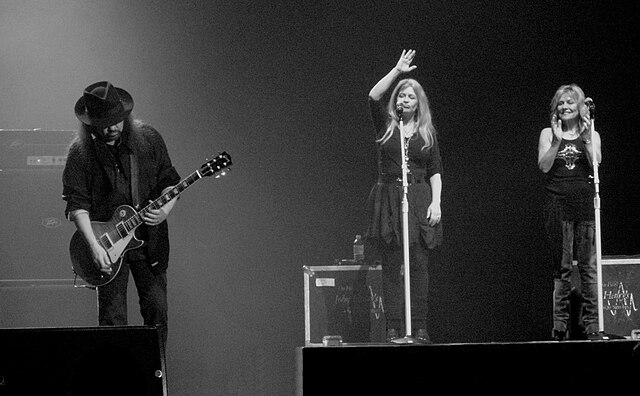
10 overplayed classic rock anthems that movie trailers have officially ruined: Do you agree?
Many songs become beautiful memories simply because of the artistic memories they helped us build. A guitar in the background, the cinema going quiet for a beat, and then the audience going wild. Some songs were genuinely great until Hollywood discovered them, put them in forty trailers, thus watering down their quality.
The songs below are drawn from uDiscover Music, American Songwriter and Grunge.
These are songs worth listening to again, ideally without a trailer attached. Do you agree with all ten?
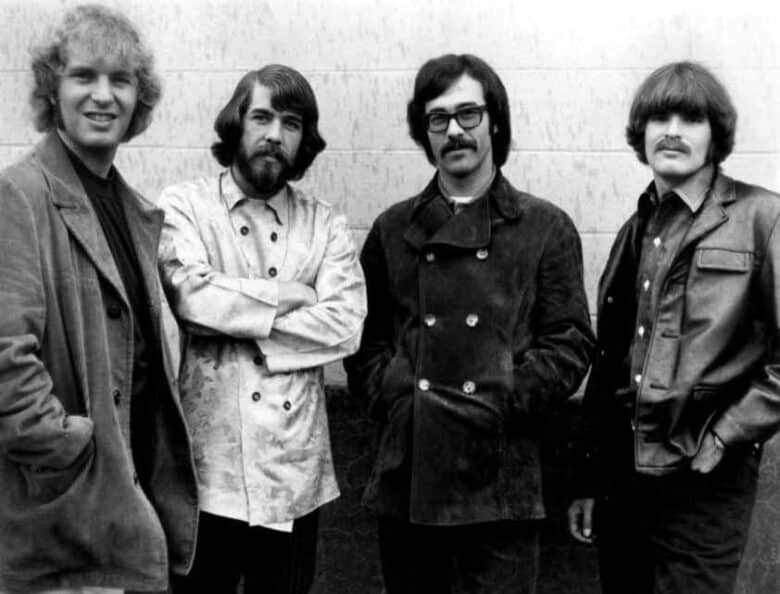
“Fortunate son” by Creedence Clearwater Revival (1969)
According to uDiscover Music, it has been used so relentlessly in war films that it has become shorthand rather than a song. John Fogerty wrote it as an anti-establishment critique of military-class privilege, not as a period costume. It became one anyway.

“All along the watchtower” by Jimi Hendrix (1968)
According to American Songwriter, Hendrix’s version has been used in more films during moments of revelation than any other rock recording and, as a consequence, audiences get ahead of the film.
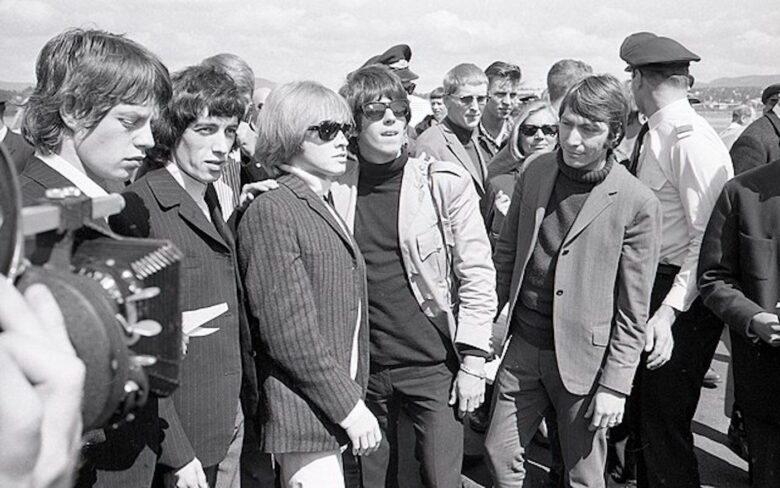
“Gimme shelter” by The Rolling Stones (1969)
American Songwriter notes its dark opening has made it a reflex choice for crime films to the point of self-parody. It is still a devastating song. It is also now a meme.
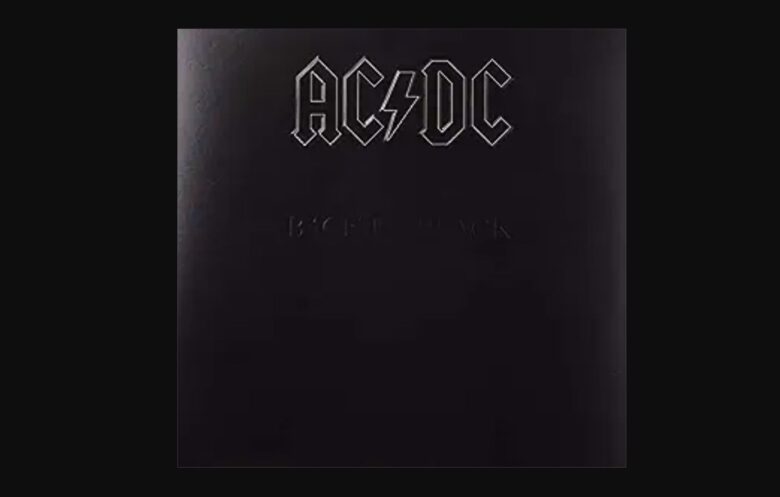
“Back in black” by AC/DC (1980)
According to Ranker, “Back in Black” is used in movies whenever a character needs to announce a comeback and with so many iterations that there is no longer a neutral way to hear it anymore.
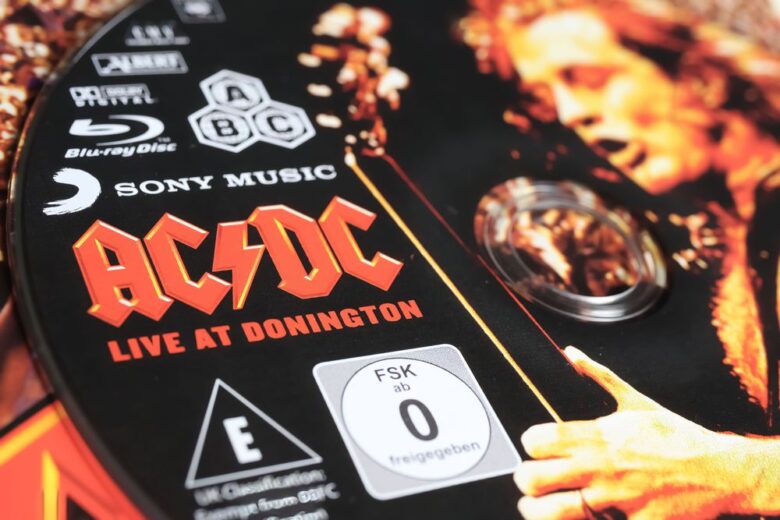
“Highway to hell” by AC/DC (1979)
While “Back in Black” signals a comeback, “Highway to Hell” signals swagger. Ranker documents its use whenever a character is doing something reckless or transgressive. The opening chord sequence now functions less as music and more as punctuation.

“Won’t get fooled again” by The Who (1971)
The scream Townshend builds toward over eight minutes is one of rock’s greatest payoffs. In trailer form, it arrives early and out of context. According to Wikipedia, its dramatic eight-and-a-half-minute structure has made it irresistible to trailer editors, detaching it from its meaning for four decades.
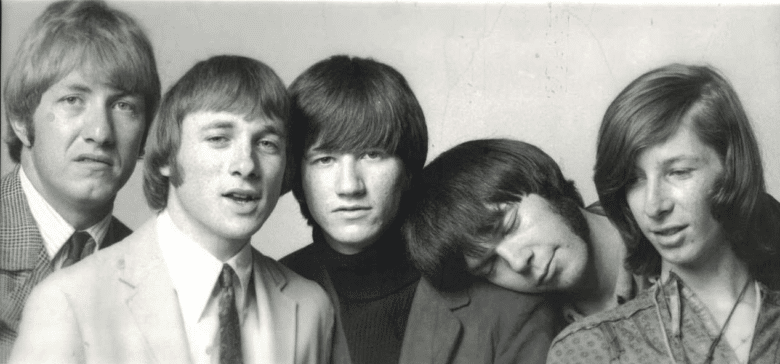
“For what it’s worth” by Buffalo Springfield (1967)
The AV Club calls it the most comically overused of the era’s protest anthems. The opening guitar figure now reads as a period marker rather than a song.
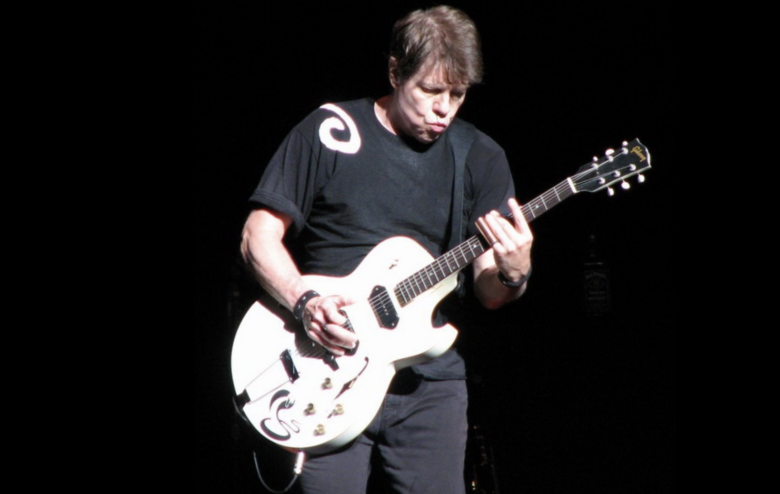
“Bad to the bone” by George Thorogood (1982)
Grunge documents its use across films and commercials whenever a director needs to signal effortless menace without doing character work. The song was a blues-rock exercise in studied nonchalance.
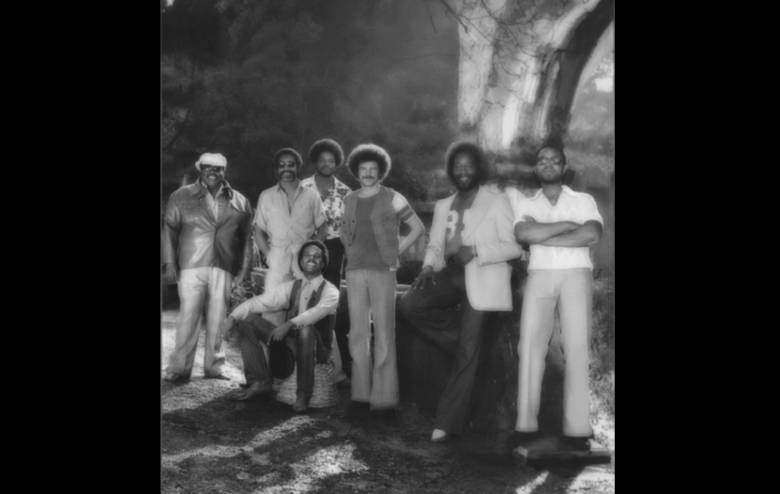
“Low rider” by War (1975)
Grunge identifies over fifty film appearances, in projects from Dazed and Confused to Beverly Hills Ninja. Hearing it in a film is now less a musical choice than an admission that the editor ran out of ideas.

“We are the champions” by Queen (1977)
The moment any team, in any film, wins anything, this song is contractually available. According to Wikipedia, it has appeared in sports films, comedies and dramas across every genre. Freddie Mercury wrote it to be sung by stadium crowds but that doesn’t make it less exhausting.

The bottom line
None of these songs got worse. What happened is that familiarity replaced surprise, and surprise is most of what music in cinema is supposed to provide. At some point, the opening riff stops being a song and becomes a symbol, and once that happens, the trailer has consumed something the song cannot get back.
Ask us! What questions do you have about content, strategy, pop culture, lifestyle, wellness, history or more? We may use your question in an upcoming article!
Related:
- The most controversial song the year you were born: Gen X edition
- The most controversial songs of the ’60s: Do you agree?
Like MediaFeed’s content? Be sure to follow us.
This article was syndicated by MediaFeed.co.