Bands that changed lead singers and somehow still worked
Replacing a lead singer is one of the riskiest moves in music. The voice is the most immediately recognizable element of any band’s identity, and fans form emotional attachments to it that are almost impossible to transfer. Most bands that attempt the swap fail. The ones below did not, and in several cases, what came after was bigger than what came before.
The examples below are drawn from Best Classic Bands, Houston Sea Eagle and That Eric Alper. In each case, the replacement was received with skepticism. In each case, the skeptics were wrong.
Here are eight bands that proved it could be done.
AC/DC
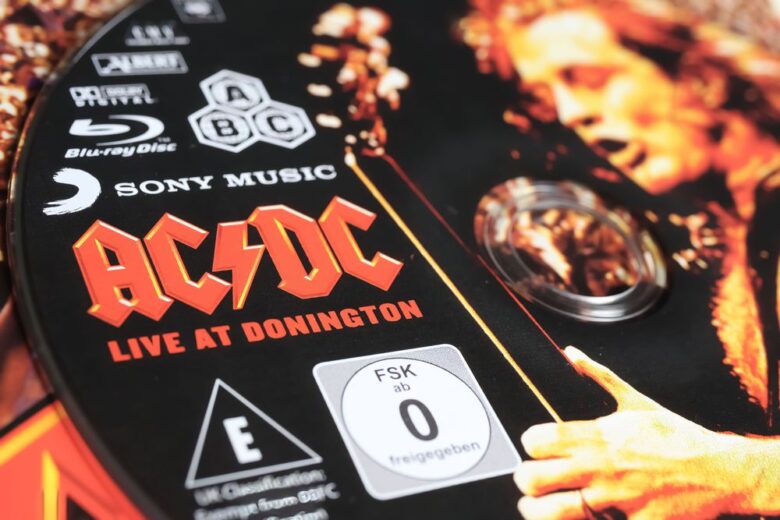
Bon Scott died in February 1980 and the band appeared finished. Brian Johnson, previously fronting a little-known band called Geordie, replaced him within months. According to Houston Sea Eagle, Back in Black became one of the best-selling albums in history. The band went from grieving to legendary in the span of one record.

Genesis
Peter Gabriel left in 1975 after five studio albums and Phil Collins stepped to the microphone. Best Classic Bands confirms Genesis went from critically admired art-rock to one of the biggest commercial acts of the 1980s. Invisible Touch hit number one on both sides of the Atlantic. Collins simultaneously maintained a solo career with comparable results.

Fleetwood Mac
Lindsey Buckingham and Stevie Nicks joined in 1975 as a package deal. Best Classic Bands confirms that Rumours, released in 1977, became one of the best-selling albums ever recorded. The band that had been a respectable British blues act became a cultural institution. The lineup change was not a compromise.
Pink Floyd
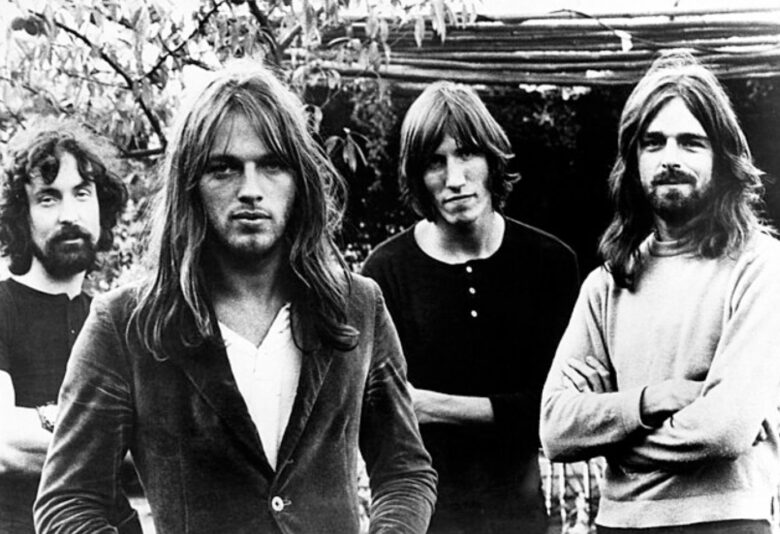
Syd Barrett was removed in 1968 and David Gilmour replaced him. What followed, according to That Eric Alper, was The Dark Side of the Moon, Wish You Were Here and The Wall. Barrett’s vision created the band. Gilmour’s steadiness made it one of the most successful in rock history.
Black Sabbath
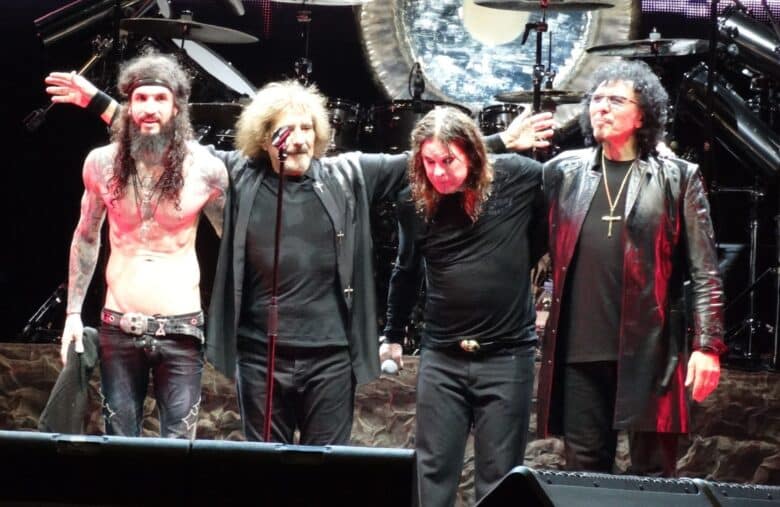
Ozzy Osbourne was fired in 1979 and Ronnie James Dio, who had been fronting Rainbow, replaced him. Artium Academy confirms that Heaven and Hell revitalized the band with a more melodic and technically demanding approach. It was not the same Sabbath. The fans who accepted the difference were rewarded.

Van Halen
David Lee Roth left in 1985 and Sammy Hagar replaced him. Houston Sea Eagle documents that the band then produced four consecutive number-one albums. The Hagar era was more polished and radio-friendly than the Roth years. Fans have debated which version was better ever since, which is evidence that both worked.

Iron Maiden
Paul Di’Anno sang on Iron Maiden’s first two albums before Bruce Dickinson replaced him in 1981. That Eric Alper confirms that The Number of the Beast took them to a new commercial and critical level. Di’Anno built the raw energy. Dickinson brought the operatic reach that defined heavy metal.

Journey
In 2007, the band discovered Arnel Pineda through YouTube videos of him covering Journey songs in the Philippines. Best Classic Bands confirms no major band had found a replacement singer quite that way before. He was hired and gave the band a second life. The story became a documentary.

The bottom line
Eight replacements, one shared quality. None of them tried to sound like who had left. Each brought something of their own and let the band become something new. The ones that failed tried to replicate the original, and the ones on this list did not.
Ask us! What questions do you have about content, strategy, pop culture, lifestyle, wellness, history or more? We may use your question in an upcoming article!
Related:
- The most controversial songs of the ’50s: Do you agree?
- The most controversial songs of the ’60s: Do you agree?
Like MediaFeed’s content? Be sure to follow us.
This article was syndicated by MediaFeed.co.