Futuristic inventions from the 1950s that failed (and why)
The 1950s were America’s most optimistic decade. The war was won, the economy was booming, and the atom had been split, which meant, in the popular imagination, that anything was possible. Scientists, engineers and advertisers were all pointing in the same direction, toward a future of nuclear-powered everything, flying personal vehicles and the permanent conquest of inconvenience. Almost none of it arrived.
Each one was celebrated as inevitable. None of them made it.
The Ford Nucleon
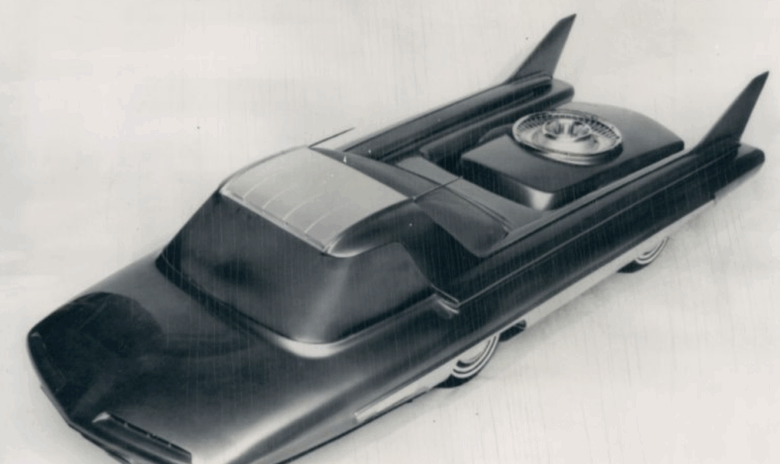
In 1957, Ford unveiled a concept car powered by a small nuclear reactor in the trunk. The theory, according to HowStuffWorks, was that uranium fission would power a steam engine and drivers would stop at nuclear refueling stations the way they stopped at gas stations. The car was never built beyond a scale model because no one solved what to do when it crashed. The Nucleon was a magnificent idea that had not passed through an engineering department.
The Bell PicturePhone
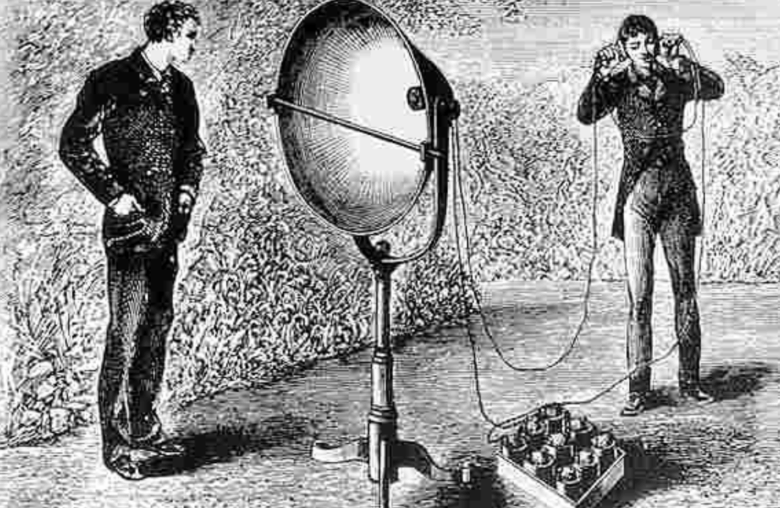
Bell Labs developed the PicturePhone in the late 1950s, and by 1963, it was available in the Chicago area. As CBS News reports, the units transmitted pictures and sound over existing phone lines but were expensive to operate, and people still feared the prying eyes of the person on the other end of the line. The product never took off. The failure was not technological but psychological. People who had spent their entire lives talking on the phone without being seen had no desire to change that. The PicturePhone was about sixty years early.
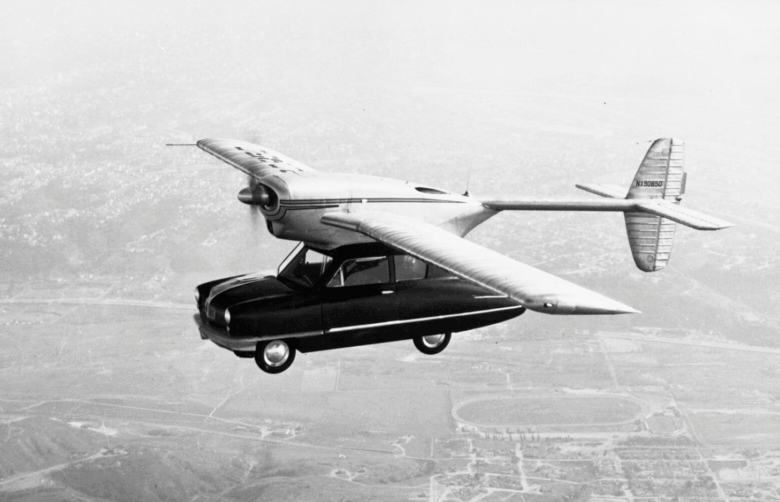
The flying car
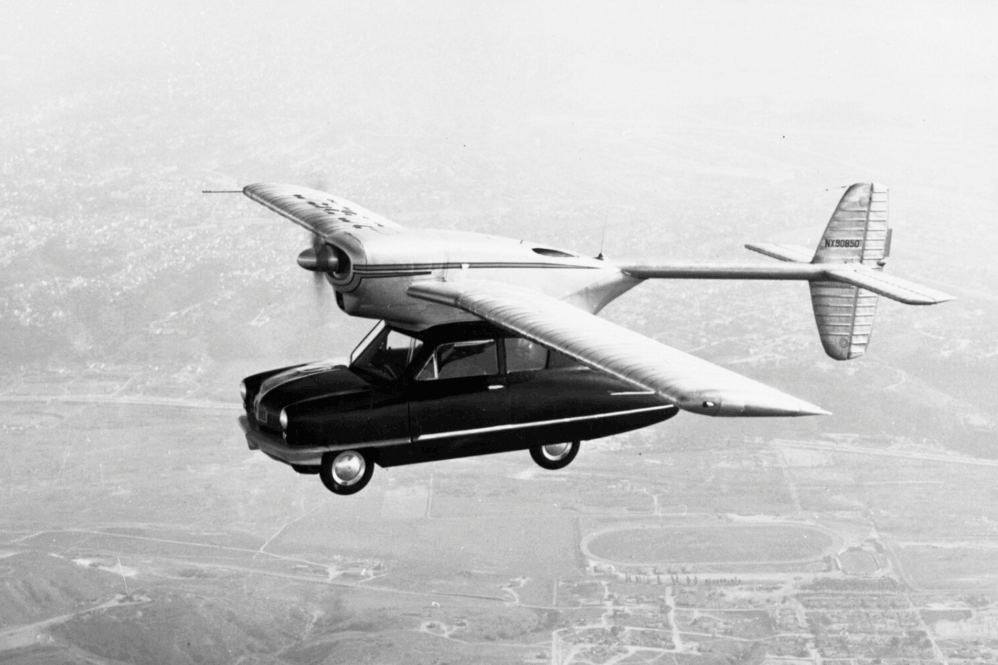
By 1960, virtually every serious futurist had predicted personal flying cars by the year 2000. The prediction appeared in Popular Mechanics, in World’s Fair exhibitions and in congressional testimony about the future of transportation. According to HowStuffWorks, the Curtiss-Wright Air Car actually flew, powered by two 180-horsepower aircraft engines. It failed because the noise was deafening and the fuel consumption was staggering.
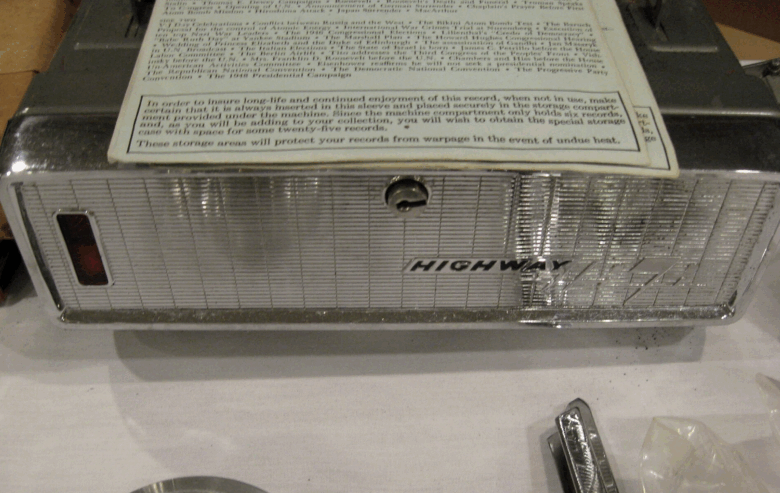
The in-car record player
Chrysler offered optional onboard phonographs on several of its most popular models in the mid-1950s, according to HowStuffWorks. The concept was straightforward: connect a full record player to the car’s speakers and take your vinyl collection on the road. Turning the record over while driving proved genuinely difficult, and the needle skipped on every bump.

The food pill
Throughout the 1950s, popular science publications including Popular Mechanics and Collier’s, regularly predicted that by the end of the century, meals would be replaced by compact nutrient pills. As CBS News documents, eating is not merely a calorie delivery mechanism. The food pill failed not because the chemistry was wrong but because no one wanted it.

Pneumatic tube highways
The same era that produced the food pill predicted that cars would be replaced by personal pods fired through underground pneumatic tubes at high speed. As Gizmodo notes, the cost of pressurized tube networks under every city was essentially infinite and the system offered no routing flexibility.

Food for thought
Every item on this list failed for one of two reasons. The engineering was incompatible with real-world constraints nobody had bothered to calculate, or the invention solved a problem nobody actually had. The 1950s were brilliant at imagining the future. Less reliable at stress-testing it.
Ask us! What questions do you have about content, strategy, pop culture, lifestyle, wellness, history or more? We may use your question in an upcoming article!
Related:
Like MediaFeed’s content? Be sure to follow us.
This article was syndicated by MediaFeed.co.