44 photos comparing car companies’ debut vs latest models
Step into a time machine and prepare to be amazed. From humble, often quirky beginnings to today’s sleek, sophisticated machines, the evolution of the automobile is a testament to relentless innovation and changing times.
Take a fascinating visual journey, placing the very first creations of iconic car manufacturers side-by-side with their most advanced contemporary offerings. Get ready to witness a century or more of design leaps, engineering marvels, and shifting automotive dreams, all captured in striking comparisons that reveal just how far we’ve come.
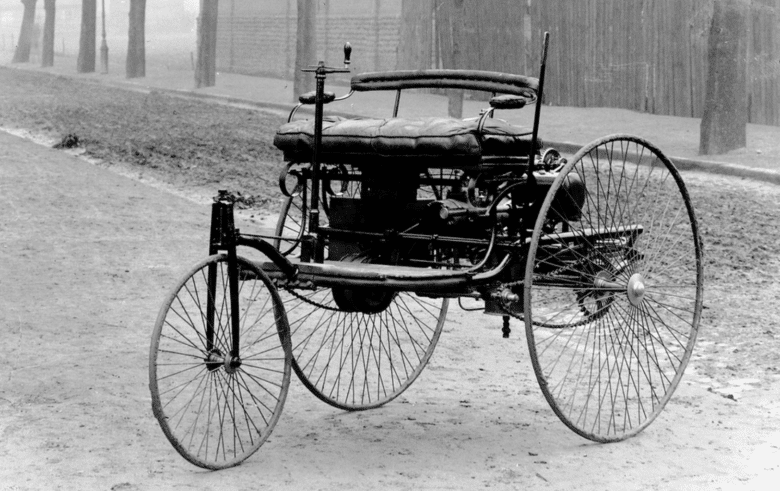
1885: Benz
Karl Benz wasn’t just adding an engine to a carriage; he designed the first true automobile from the ground up. This groundbreaking innovation earned him the patent and recognition as the automobile inventor. In a historic moment in 1889, his wife and sons became the world’s first motorists, embarking on a family visit in this revolutionary vehicle.
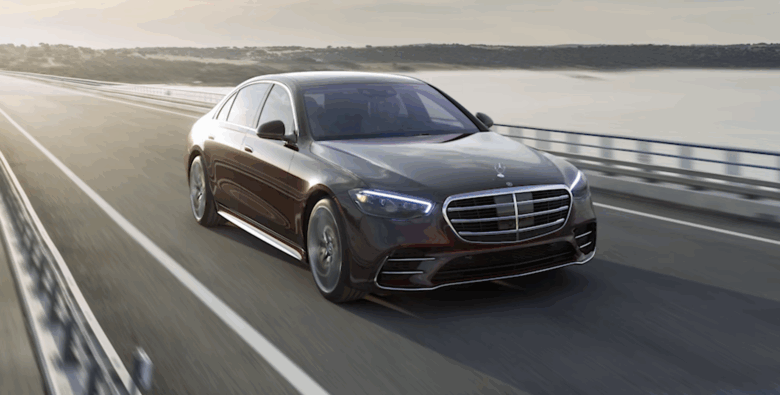
2026: Mercedes-Benz S-Class
The 2026 Mercedes-Benz S-Class continues to serve as the brand’s flagship luxury sedan, balancing traditional high-end craftsmanship with advanced digital infrastructure. For the 2026 model year, the S-Class receives a subtle styling refresh and an overhauled infotainment architecture designed to keep it at the forefront of the premium executive segment.
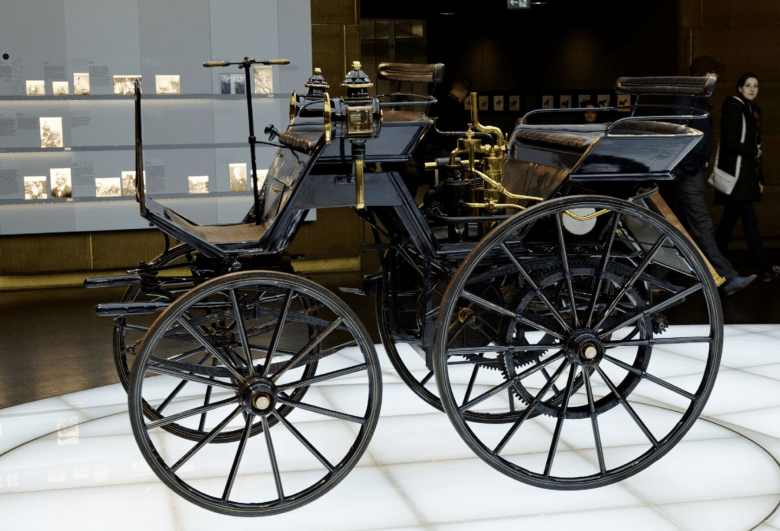
1889: Daimler
The Daimler Motorized Carriage, sold starting in 1892, was the first car produced by German engineers Gottlieb Daimler and Wilhelm Maybach. This vehicle featured a Phaeton body style, a rear-engine, rear-wheel-drive layout, and was powered by a 462 cubic centimeter single-cylinder engine. Weighing 639 pounds, it had a wheelbase of 1,300 millimeters, a length of 2,530 millimeters, a width of 1,475 millimeters, and a height of 1,695 millimeters, eventually being succeeded by the Daimler Stahlradwagen.
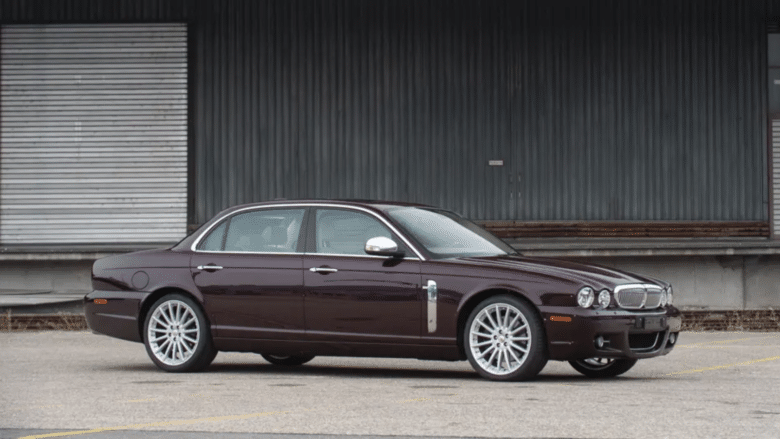
2009: Daimler Super Eight
The Daimler Super Eight marked the end of an era, being the last independent car produced by the Daimler Company. Its production ceased in 2009, following the acquisition of Jaguar and Land Rover by India’s Tata Group. This model was among the final independent Daimler vehicles before the brand was fully integrated into the Jaguar lineup.
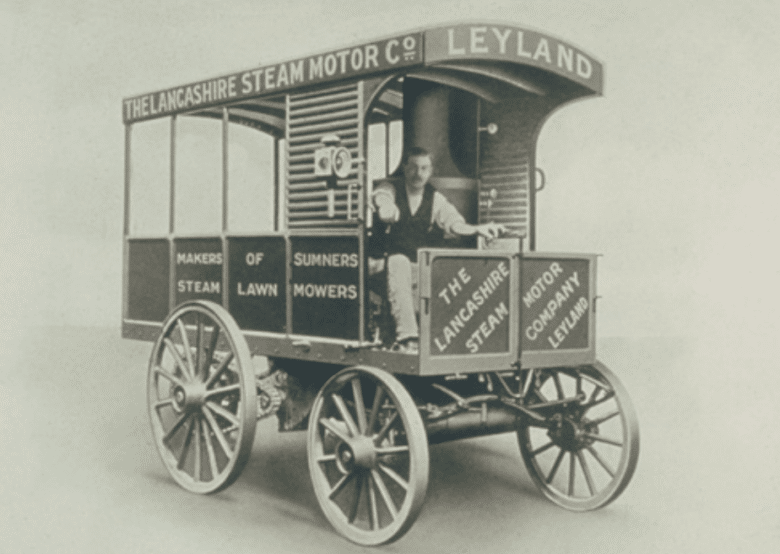
1896: Lancashire Steam Motor Company
The roots of truck manufacturing in Leyland trace back to 1896, when James Sumner and Henry Spurrier founded The Lancashire Steam Motor Company. Their initial venture was a 1.5-tonne capacity steam van. Little could the two friends have imagined that their partnership would blossom into an astonishing success, bringing global recognition to Leyland and creating a legacy that would endure for generations of its residents.

1987: Orange Flagship Trucks
In 1987, Leyland’s truck and bus operations underwent significant restructuring; the truck division merged with the Netherlands’ DAF to form Leyland DAF, with DAF holding the majority stake and management control, while the bus division became independent before being sold to Volvo. The new entity, DAF NV, faced severe challenges in the late 1980s and early 1990s as plummeting truck sales in the UK and continental markets led to the company entering receivership on February 2, 1993. Although a new DAF heavy truck business quickly emerged in Holland and Belgium, the salvation for truck-building in Leyland came through a management buyout of Leyland Trucks in June 1993, establishing a new agreement to sell to UK and European markets via “new DAF.” Subsequently, PACCAR acquired DAF in 1996 and Leyland Trucks in 1998, leading to substantial growth, profitability, and investment, thus securing the future of truck manufacturing in Leyland.
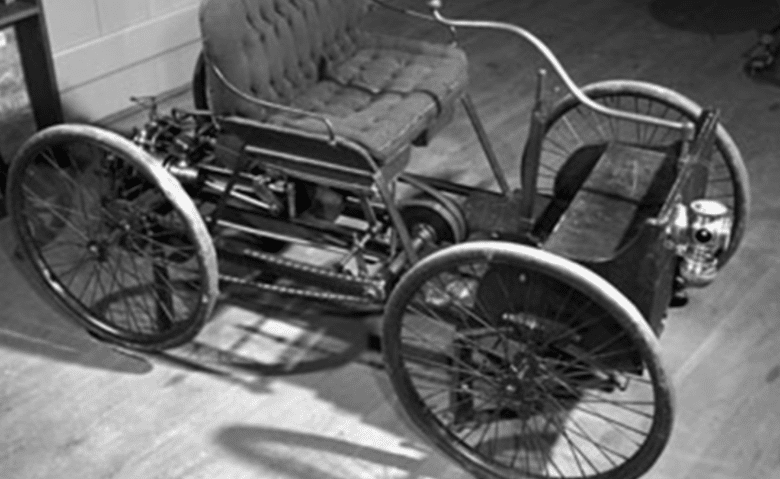
1896: Ford Quadricycle
Henry Ford’s inaugural vehicle, the Quadricycle, was an experimental creation built in 1896. This wasn’t a car intended for production, but rather a vital learning tool for Ford, allowing him to grasp the complex details of automobile construction. This foundational experience with the Quadricycle ultimately paved the way for the establishment of the Ford Motor Company.
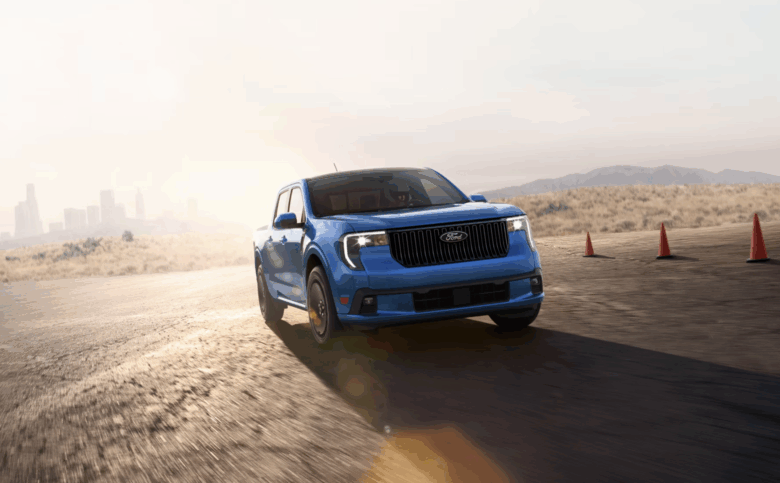
Ford 2026 F-150 Maverick Hybrid
The 2026 Ford Maverick Hybrid is a highly practical compact truck that pairs impressive hybrid fuel economy with everyday utility. Perfectly sized for urban environments, it delivers a car-like driving experience without sacrificing the essential capabilities of a pickup, including a versatile multi-position tailgate and a customizable truck bed. Inside, the cabin maximizes space with clever storage solutions and intuitive digital displays, making it an ideal choice for drivers who want the efficiency of a compact car alongside the rugged versatility of a truck.

1897: Oldsmobile
In 1897, Ransom Olds established the Olds Motor Vehicle Company, marking a pivotal moment in automotive history. Though he had previously experimented with self-propelled vehicles, including steam-powered cars, this new venture was the first company explicitly organized for the purpose of building automobiles in quantity. Their initial offering, the iconic curved-dash Oldsmobile, quickly became a significant commercial success.

2004: Alero GLS
The final production car from the Oldsmobile division was an Alero GLS 4-door sedan, uniquely signed by all assembly line workers. Initially displayed at the R. E. Olds Transportation Museum in Lansing, Michigan, General Motors reclaimed it during its bankruptcy and subsequently housed at the GM Heritage Center in Sterling Heights. In December 2017, this historically significant vehicle, alongside a 1999 Cutlass and a 1996 Ciera, was sold to a Florida dealer for $42,000 at a dealer-only auction in New York.
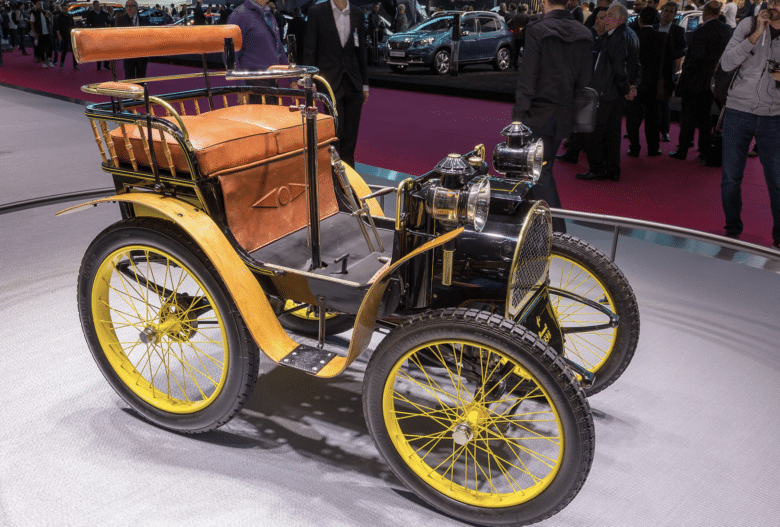
1898: Renault’s Voiturette
Louis Renault, a French engineer and businessman, constructed his first car, the “Voiturette” (or “little car”), in 1898. This innovative vehicle, which featured a revolutionary direct-drive three-speed gearbox with reverse (a conversion of a De Dion-Bouton tricycle), marked the genesis of the Renault Frères company, established with his brothers Marcel and Fernand in 1899. This early creation laid the foundation for what would eventually become one of the world’s leading automotive brands, showcasing advanced engineering for its time and quickly leading to initial sales and the company’s industrial expansion.
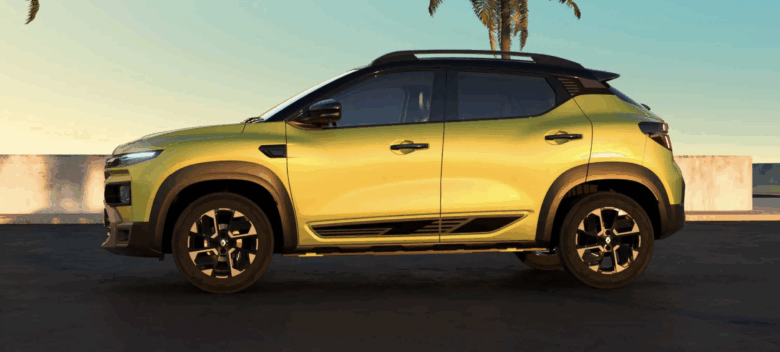
2026 Renault Kiger Austral E-Tech Hybrid
The 2026 Renault Austral E-Tech Hybrid is a sophisticated compact SUV that seamlessly blends striking French design with advanced electrified efficiency. Driven by a highly responsive full hybrid powertrain, it offers low-emission urban driving alongside a smooth, car-like ride that easily transitions to open highway cruising. The tech-focused cabin is built around an intuitive, Google-powered infotainment system with sharp digital displays and clever storage options, providing everyday practicality and refined comfort for modern drivers who refuse to compromise on style or sustainability.
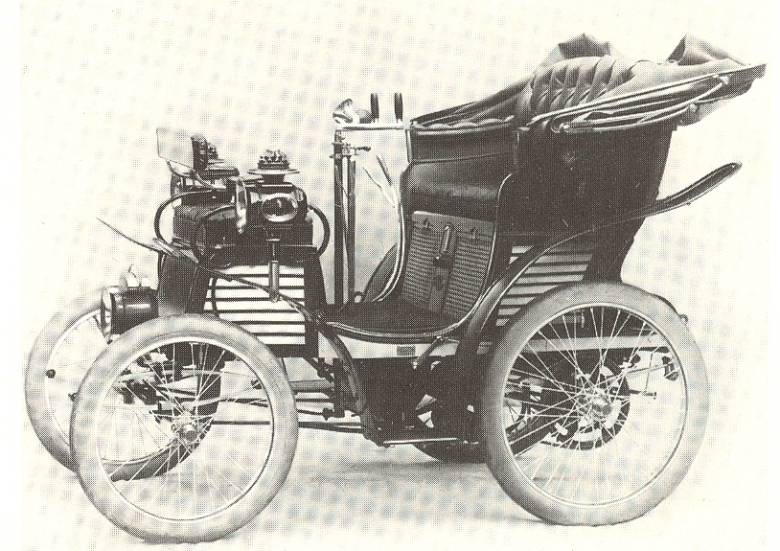
1899: Fiat 3½ HP (also known as the Fiat 4 HP)
Fiat’s inaugural vehicle, the 3½ HP, was a two-seater powered by a 679cc twin-cylinder engine. Produced in Turin, it marked Italy’s entry into the automotive industry.
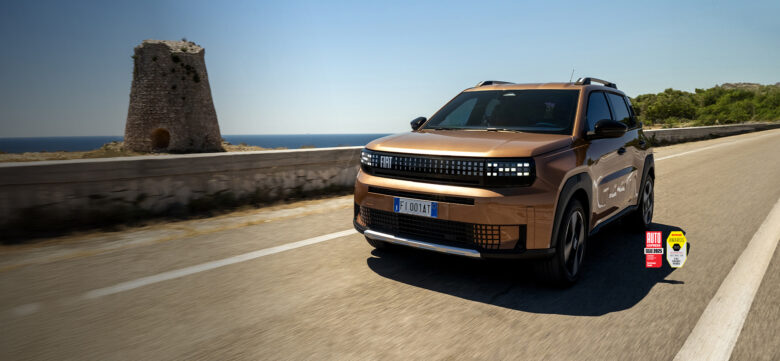
2026 Fiat Grande Panda
The 2026 Fiat Grande Panda is a charmingly retro, blocky compact crossover that revitalizes the brand’s historic nameplate for the modern era. Designed with a distinct 1980s-inspired geometric silhouette, this versatile urban commuter is built on a smart multi-energy platform, offering drivers a choice between a highly efficient hybrid engine and a fully electric powertrain. Inside, the cabin prioritizes sustainable materials, clever space-saving storage, and an intuitive, dual-screen digital layout, making it a stylish and eco-conscious choice for navigating tight city streets with ease.
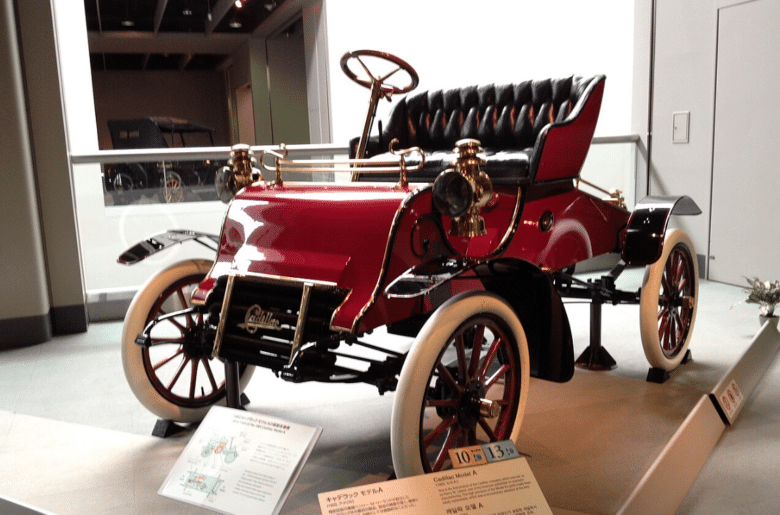
1902: Cadillac Model A
Introduced in 1903, this two-seater featured a 10-horsepower single-cylinder engine. It was among the first to be mass-produced with precision manufacturing techniques.
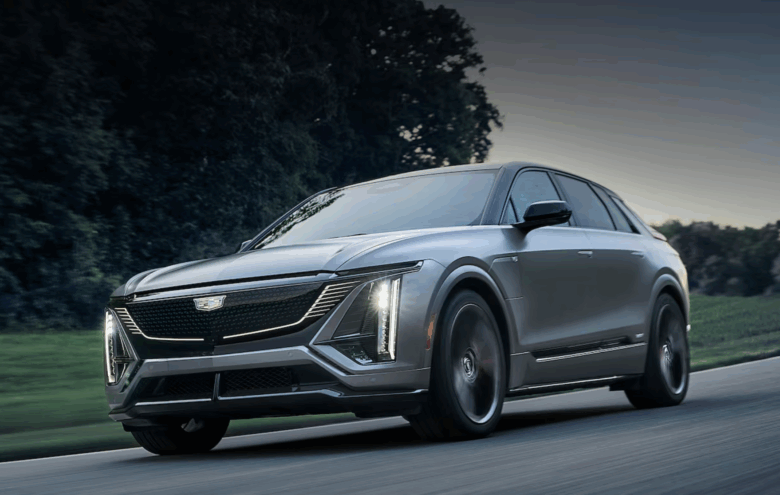
2026 Cadillac Lyriq
The 2026 Cadillac Lyriq is a sleek, all-electric midsize luxury SUV that represents the brand’s sharp pivot toward an electrified future. Built on General Motors’ advanced Ultium platform, it delivers a whisper-quiet ride, effortless instantaneous acceleration, and an impressive driving range that comfortably handles both daily city commuting and long-distance road trips. The cabin is an absolute showpiece of high-end craftsmanship, dominated by a massive, curved 33-inch advanced LED display that seamlessly integrates infotainment and driver data. Combined with its striking, futuristic exterior lighting and an available Super Cruise hands-free driver assistance system, the Lyriq offers a sophisticated, tech-forward driving experience that redefines American luxury for the modern era.

1904: Rolls-Royce 10 hp
The first car produced under the Rolls-Royce name, introduced in 1904. It featured a 1.8-liter engine and was known for its reliability and luxury.
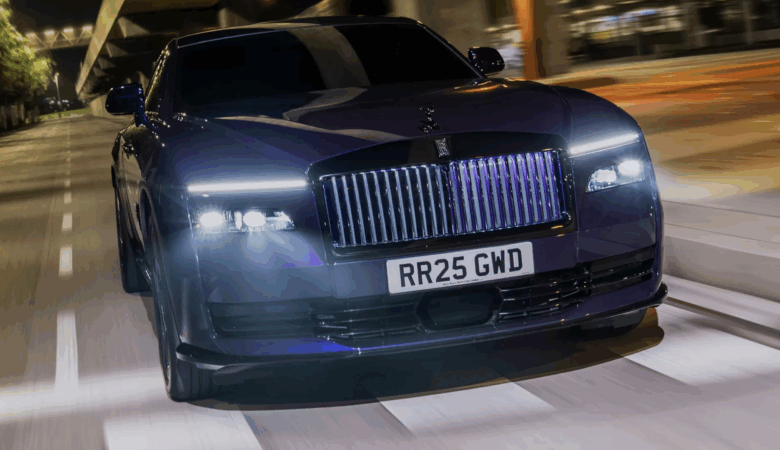
2026 Rolls-Royce Spectre
The 2026 Rolls-Royce Spectre is a breathtaking masterclass in ultra-luxury, serving as the storied brand’s first-ever fully electric production vehicle. Built on a bespoke all-aluminum architecture, it swaps the traditional V12 engine for a dual-motor electric powertrain that delivers a completely silent, near-instantaneous surge of power, elevating the brand’s legendary “magic carpet ride” to unprecedented heights. Inside, the cabin is a sanctuary of unparalleled craftsmanship, featuring an illuminated dashboard, thousands of tiny fiber-optic lights woven into the doors and headliner to mimic a starlit night sky, and endlessly customizable, top-tier materials. With its dramatic, sweeping fastback silhouette and an imposing, illuminated Pantheon grille, the Spectre perfectly bridges the gap between classic automotive opulence and a quiet, zero-emission future.
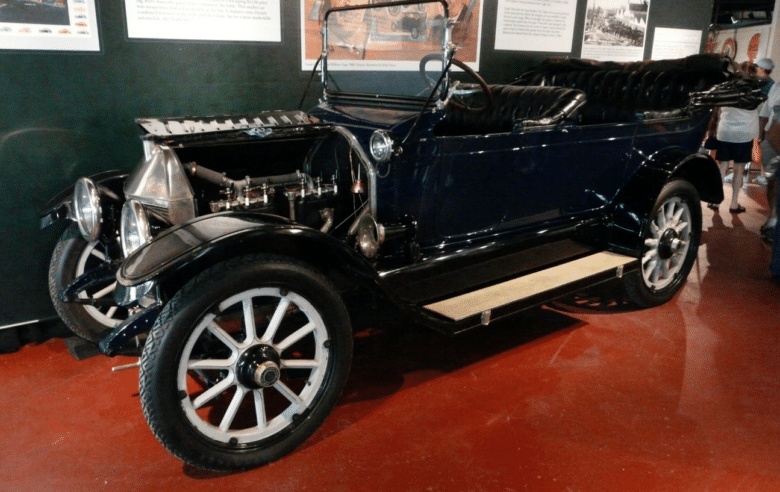
1911: Chevrolet Series C Classic Six
Introduced in 1911, this was Chevrolet’s first production model, featuring a 299.5 cubic-inch six-cylinder engine. It set the foundation for the brand’s future success.
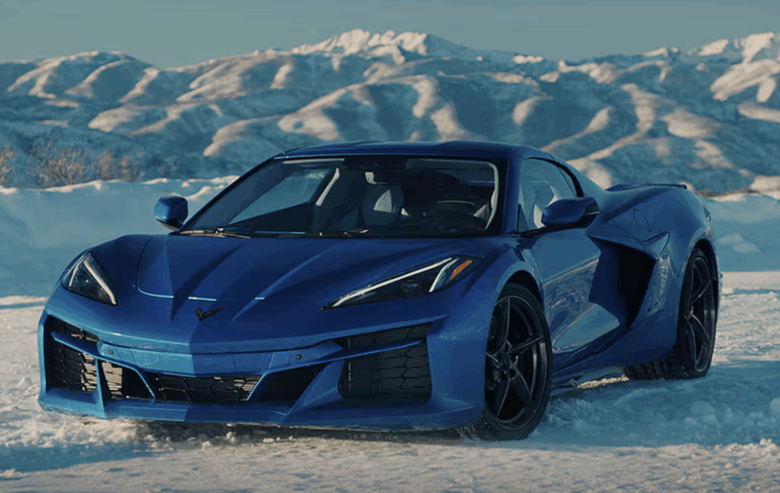
2026 Chevrolet Corvette E-Ray
The 2026 Chevrolet Corvette E-Ray is a groundbreaking, high-performance sports car that brilliantly blends traditional American muscle with advanced electrified capability. As the first-ever hybrid Corvette, it pairs a roaring 6.2-liter V8 engine driving the rear wheels with an electric motor powering the front axle, creating an intelligent, track-ready eAWD system that delivers explosive off-the-line acceleration and rock-solid traction in all weather conditions. The driver-focused cockpit is packed with premium materials, deep bucket seats, and customizable digital performance displays that track everything from lap times to electric battery usage. Featuring a sharp, wide-body design and a removable roof panel, the E-Ray offers an exhilarating, tech-forward driving experience that redefines what a modern everyday supercar can be.
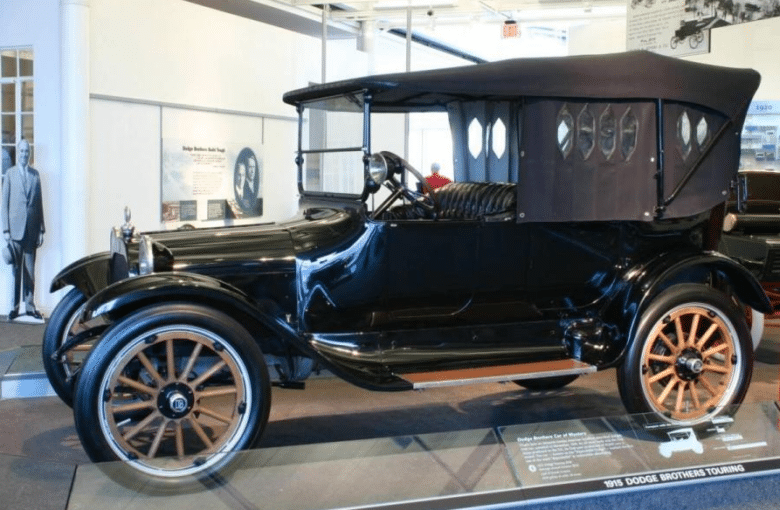
1914: Dodge 30-35
Introduced in 1914, this was Dodge’s first production car, featuring a 212 cubic-inch inline-four engine. It was known for its durability and quality.
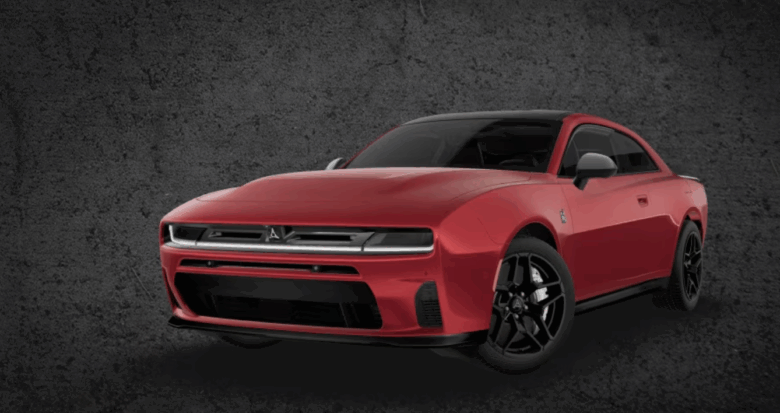
2026 Dodge Charger Daytona
The 2026 Dodge Charger Daytona is a bold, all-electric muscle car that reimagines American performance for the electrified era. Built on a cutting-edge 400-volt architecture, it pairs dual electric motors with a standard all-wheel-drive system to deliver instantaneous, tire-shredding torque, while an innovative “Fratzonic Chambered Exhaust” mimics the throatiness and rumble of a traditional V8. The aggressive, wide-body exterior pays homage to its classic heritage with a unique front R-Wing pass-through that optimizes aerodynamics, while the high-tech cockpit features immersive ambient lighting, massive digital displays, and a distinct pistol-grip shifter. Combining historic muscle car attitude with zero-emission technology, the Charger Daytona offers a thrilling, high-performance driving experience that proves muscle doesn’t have to disappear in an electric future.
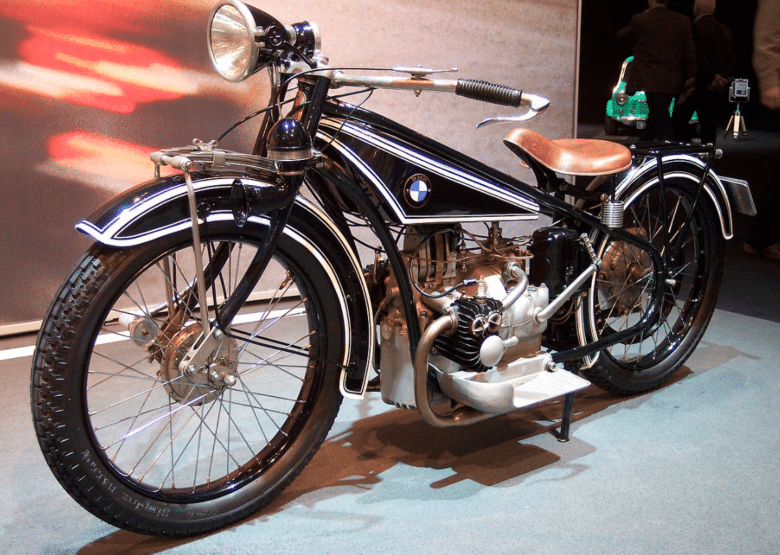
1916: BMW R32
BMW’s first motorcycle, introduced in 1923, featured a 486cc boxer engine and laid the foundation for BMW’s engineering excellence.
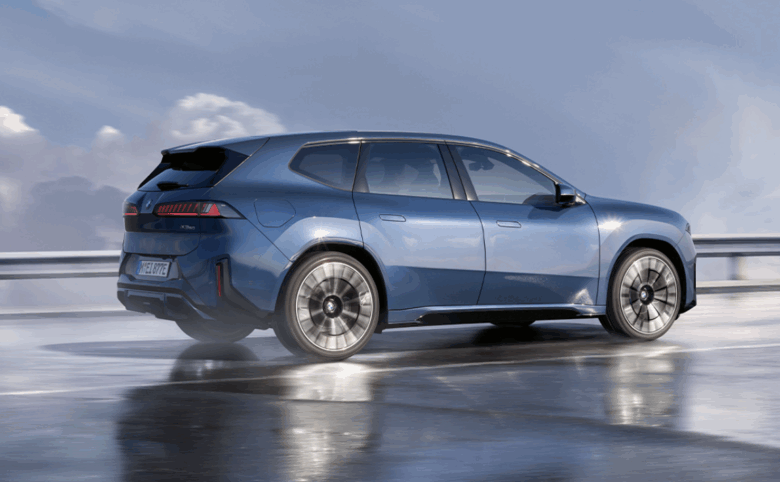
2026 BMW Vision Neue Klasse
The 2026 BMW Vision Neue Klasse represents a radical leap forward for the brand, serving as the blueprint for a next-generation lineup of electric vehicles that completely redefines the classic sport sedan. Featuring a clean, monolithic design, its exterior is characterized by a striking, digitalized kidney grille that seamlessly integrates the headlights into an interactive light display, paying homage to BMW’s heritage while looking firmly ahead.
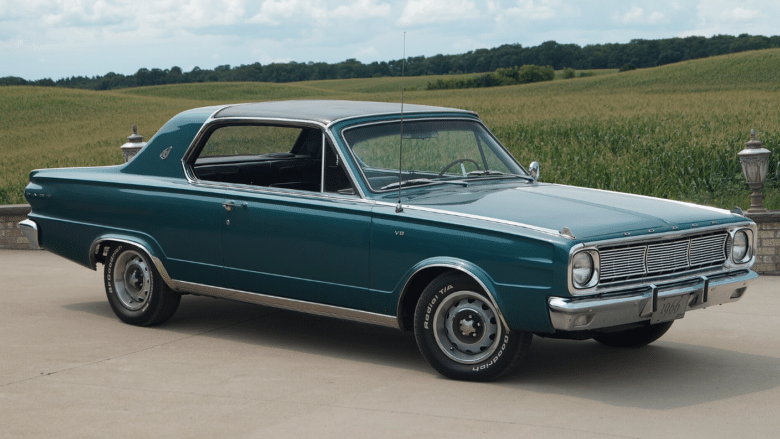
1924: Chrysler Model B
Introduced in 1924, this was Chrysler’s first production car, featuring a 192 cubic-inch inline-six engine. It was known for its engineering innovations and quality.
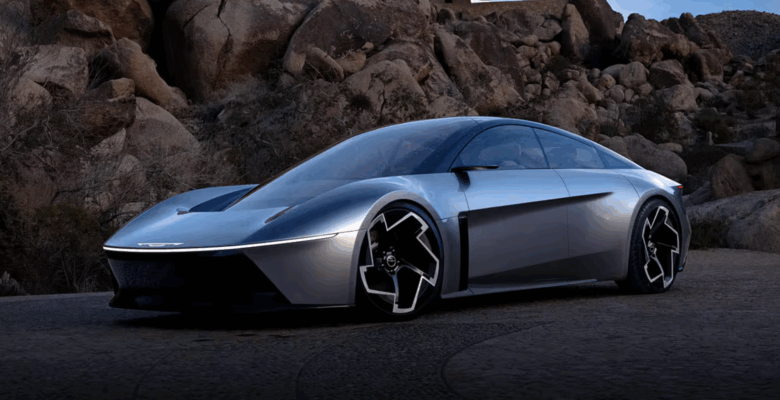
2026 Chrysler Halcyon
The 2026 Chrysler Halcyon is an all-electric concept sedan that outlines the brand’s ambitious vision for a fully electrified, tech-driven future. Boasting a striking, aerodynamic silhouette with a low-slung profile and dramatic butterfly-wing doors, it features an expansive glass canopy that provides a completely seamless, panoramic view of the road.
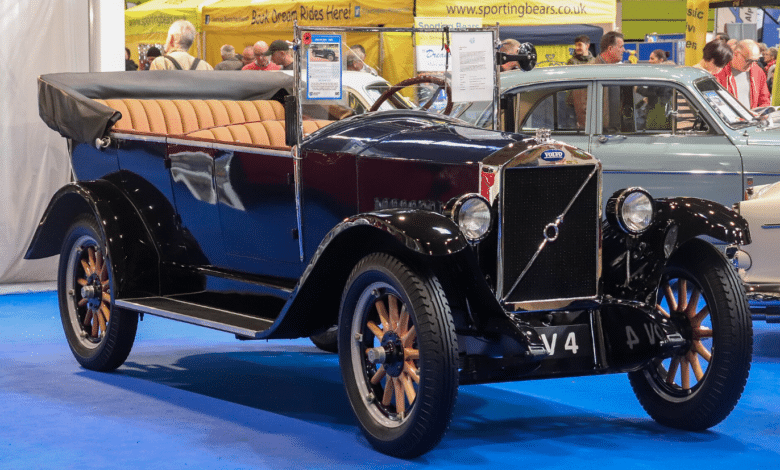
1927: Volvo ÖV 4
Introduced in 1927, this was Volvo’s first production car, featuring a 1.9-liter four-cylinder engine. It was known for its durability and safety features.
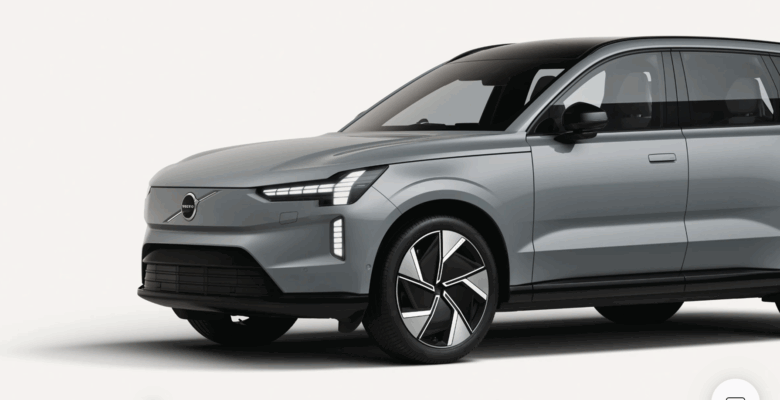
2026 Volvo EX90
The 2026 Volvo EX90 is a sophisticated, all-electric three-row flagship SUV that serves as the vanguard for the Swedish brand’s fully electrified and safety-first future. Wrapped in a clean, aerodynamically optimized Scandinavian design, it features a distinct, tech-forward stance defined by a prominent roof-mounted LiDAR sensor that constantly scans the environment in high resolution.
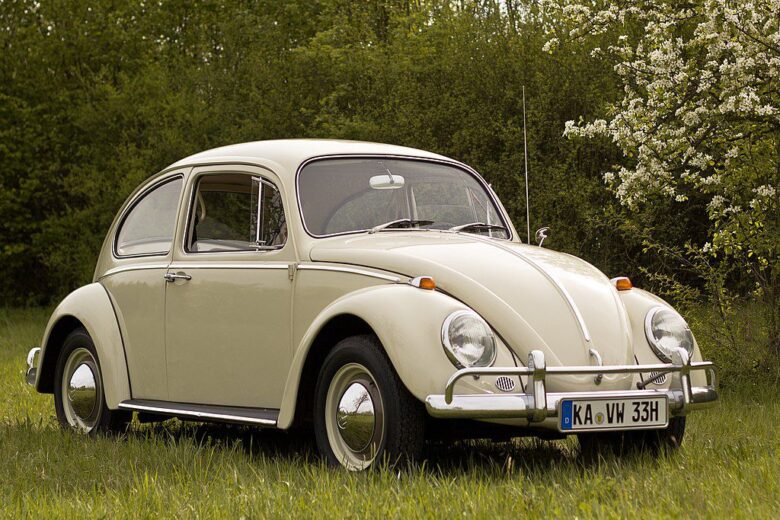
1937: Volkswagen Beetle
Introduced in 1938, the Beetle became one of the best-selling cars in history, known for its distinctive design and reliability.
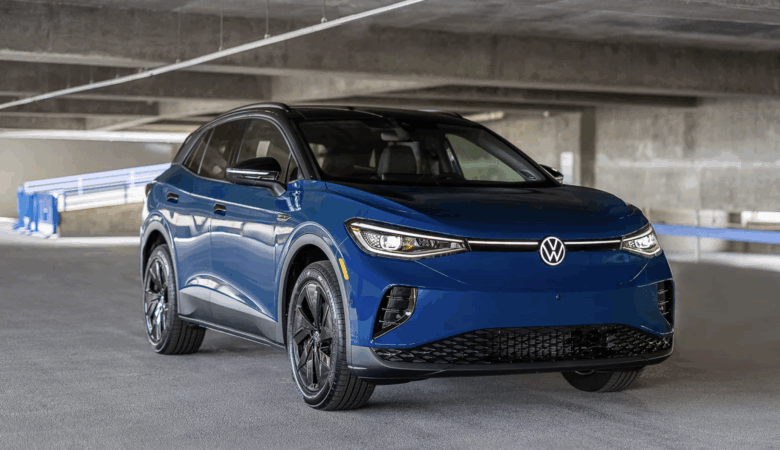
2026 Volkswagen ID
The 2026 Volkswagen ID. Buzz is a charming, all-electric passenger van that brilliantly reimagines the brand’s iconic 1960s microbus for the modern, eco-conscious family. Available in both rear-wheel and dual-motor all-wheel-drive configurations, it delivers a smooth, quiet ride with instantaneous electric torque, making it as capable on highway road trips as it is maneuvering through tight urban streets.
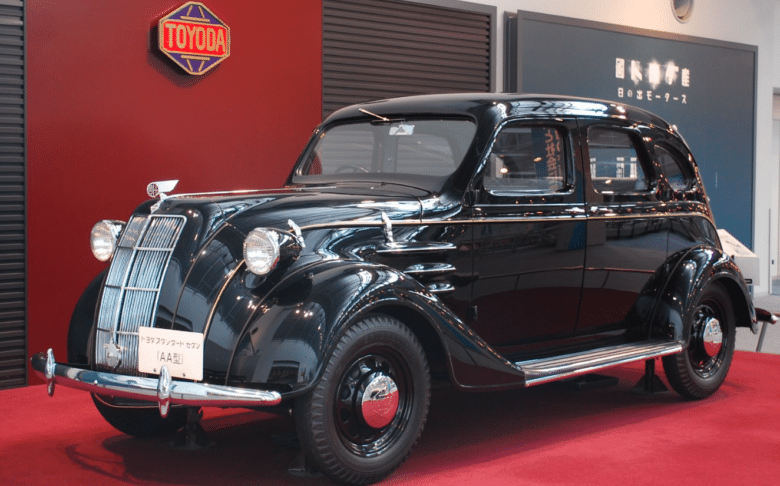
1937: Toyota A
Introduced in 1936, this was Toyota’s first passenger car, featuring a 3.4-liter inline-six engine. It marked the beginning of Toyota’s automotive journey.
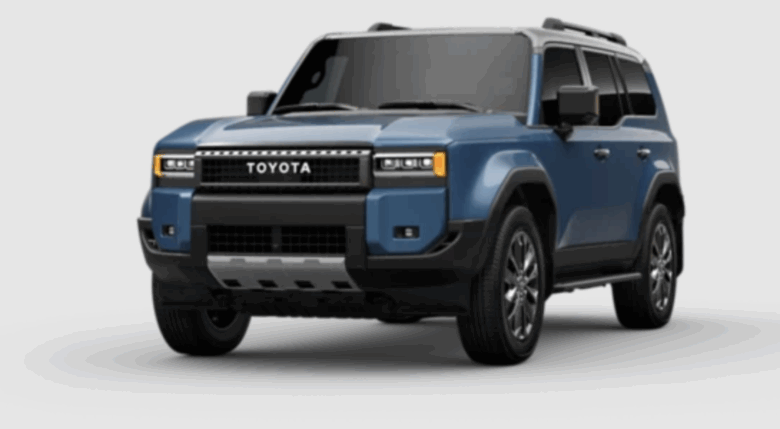
2026 Toyota Land Cruiser
The 2026 Toyota Land Cruiser is a rugged, midsize SUV that brilliantly pairs retro heritage with modern hybrid efficiency, making it an ideal choice for both off-road enthusiasts and daily commuters. Built on a tough, body-on-frame platform, it is powered exclusively by a turbocharged 2.4-liter four-cylinder i-FORCE MAX hybrid powertrain that delivers robust torque and impressive fuel economy for its class.

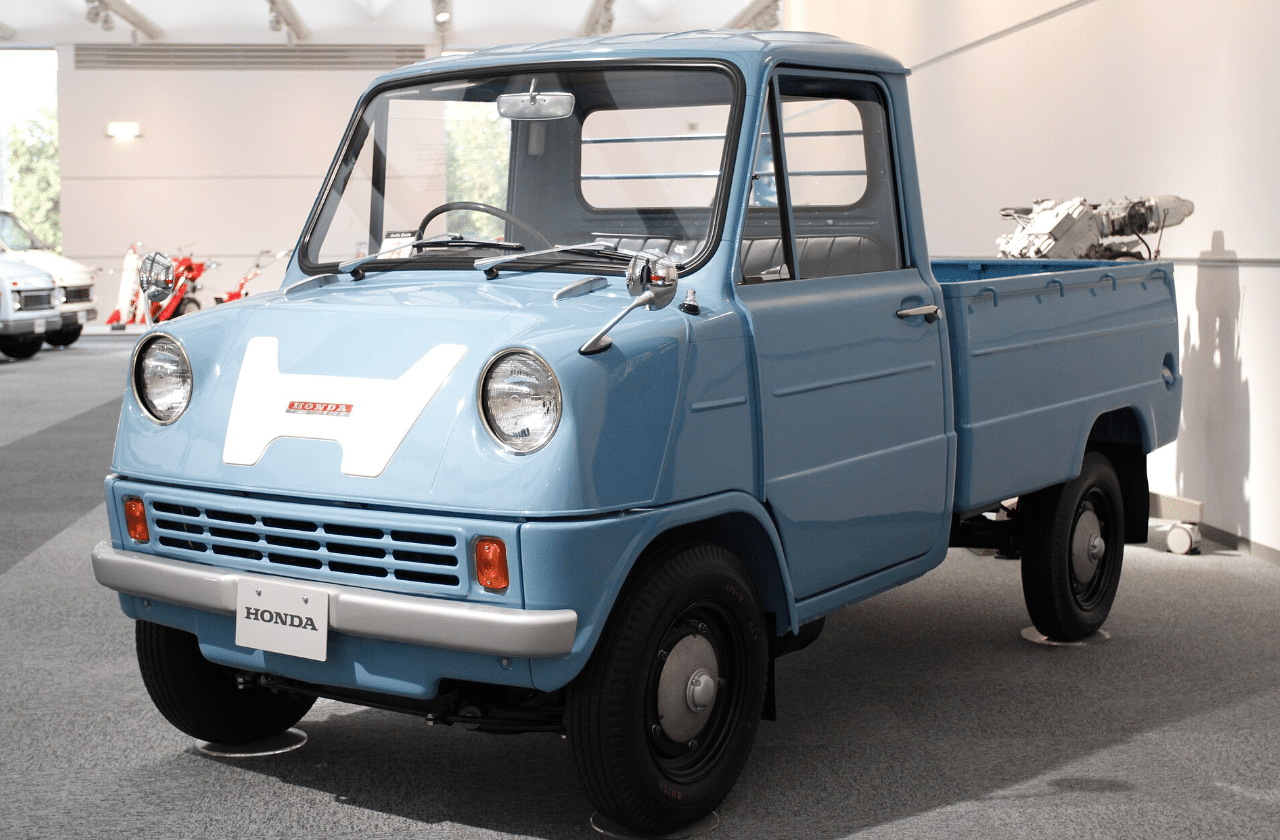
1948: Honda T360
Honda’s first production car, the T360, was a compact pickup truck powered by a 531cc inline-four engine. It marked Honda’s entry into the automotive industry.
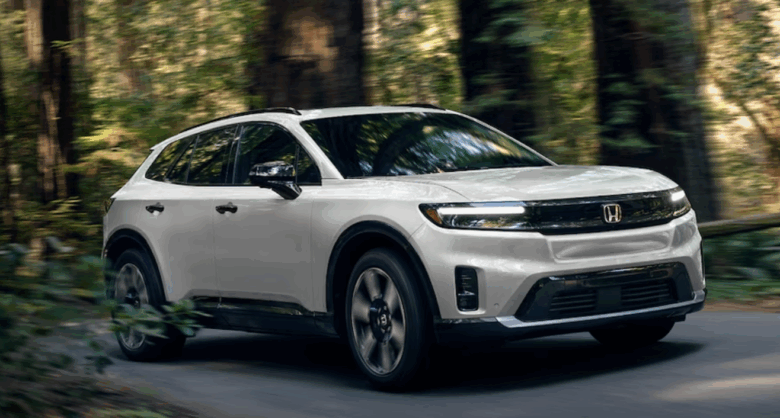
2026 Honda Prologue
The 2026 Honda Prologue is a sleek, all-electric midsize SUV that represents the brand’s major acceleration into the zero-emission market. Boasting a long wheelbase and a low, wide stance, its aerodynamically optimized exterior delivers a modern, sophisticated look while maximizing interior cabin space.
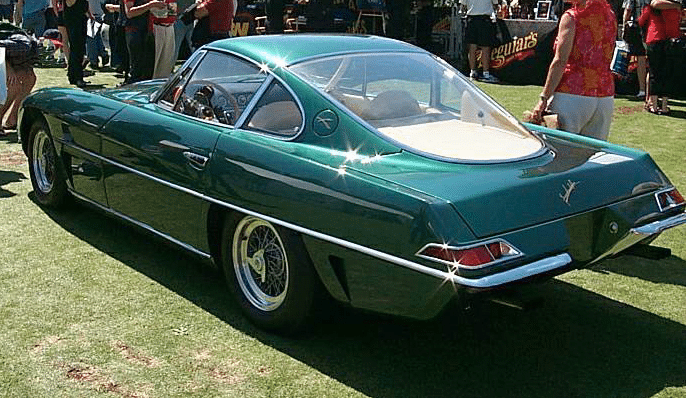
1963: Lamborghini 350 GTV
Lamborghini’s first prototype, the 350 GTV, was introduced in 1963. It featured a V12 engine and showcased Lamborghini’s commitment to high-performance vehicles.
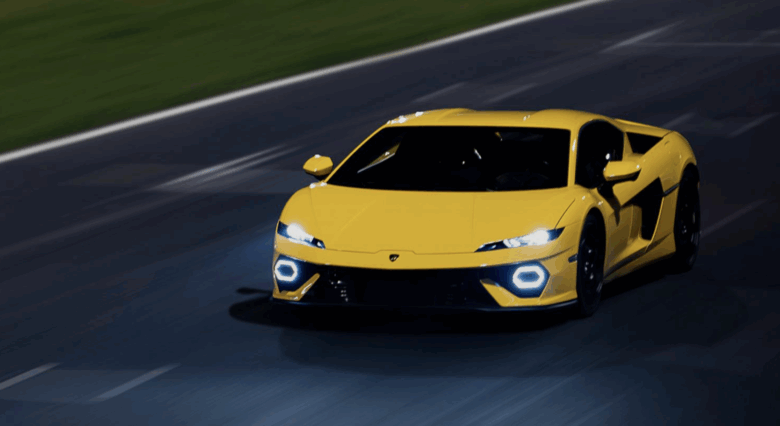
2026 Lamborghini Temerario
The 2026 Lamborghini Temerario is a groundbreaking, high-performance supercar that officially brings the legendary Italian brand into a new era of electrified performance. Replacing the long-running Huracán, the Temerario drops the traditional naturally aspirated V10 in favor of a revolutionary 4.0-liter twin-turbocharged V8 engine paired with three electric motors, creating an advanced plug-in hybrid (HPEV) system that unleashes a staggering 920 horsepower and a screaming 10,000 RPM redline.
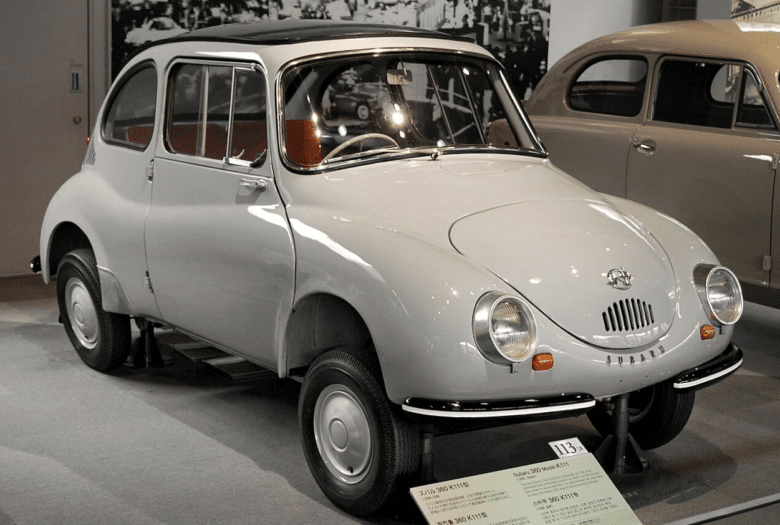
1953: Subaru 360
Introduced in 1954, the Subaru 360 was a compact, rear-engine, two-door car known for its affordability and efficiency. It became a popular choice in Japan during the 1960s.
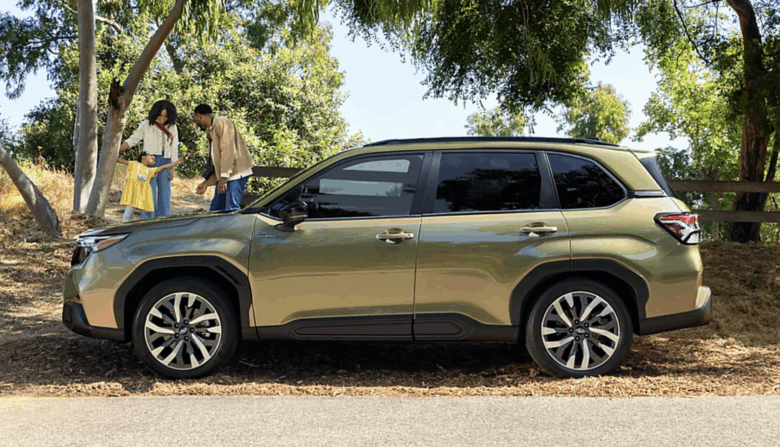
2026 Subaru Forester
The 2026 Subaru Forester remains the quintessential compact SUV for adventure-minded drivers, blending the brand’s legendary ruggedness with significant tech and structural upgrades. Underpinned by a much stiffer global platform that delivers a quieter, more refined ride, it relies on a dependable 2.5-liter Boxer four-cylinder engine paired with Subaru’s hallmark symmetrical all-wheel-drive system for confident, foul-weather traction.
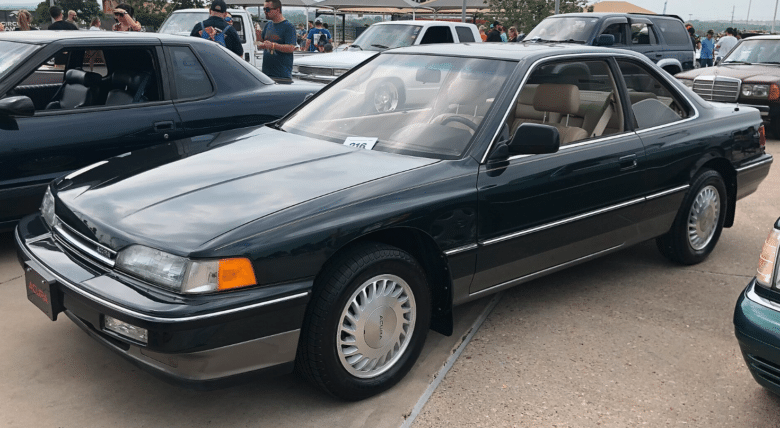
1986: Acura Legend
Introduced in 1986, the Acura Legend was the first vehicle from Honda’s luxury division, featuring a V6 engine and advanced features for its time.
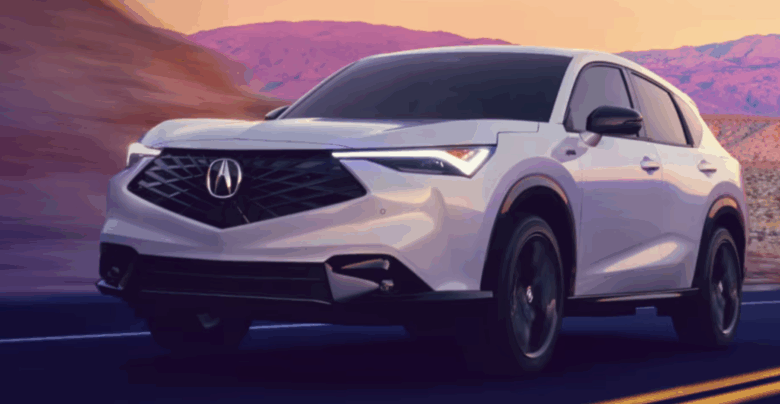
2026 Acura ADX
The 2026 Acura ADX is an all-new, premium subcompact crossover designed to serve as a youthful and approachable entry point into the brand’s luxury lineup. Positioned just below the popular RDX, it shares a platform with the nimble Honda HR-V but elevates the driving experience with a more powerful turbocharged engine and sportier suspension tuning.
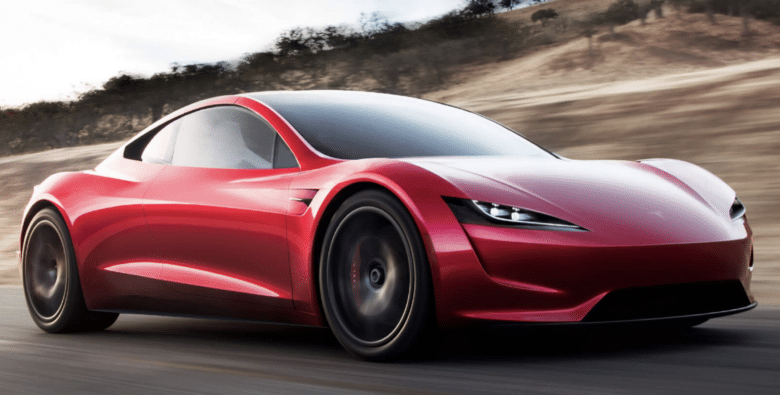
2008: Tesla Roadster
Introduced in 2008, the Tesla Roadster was an all-electric sports car based on the Lotus Elise chassis, offering a range of over 200 miles on a single charge.
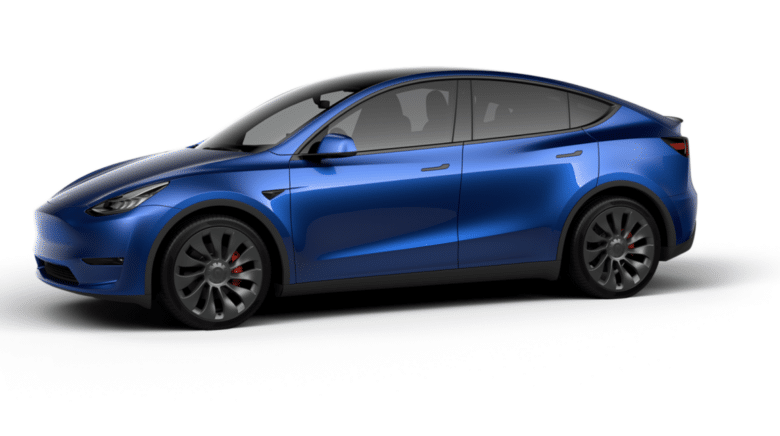
2025: Tesla Model Y
A redesigned version of Tesla’s best-selling electric SUV, featuring improved cabin quietness, a 5% higher rated range, and a more comfortable ride.
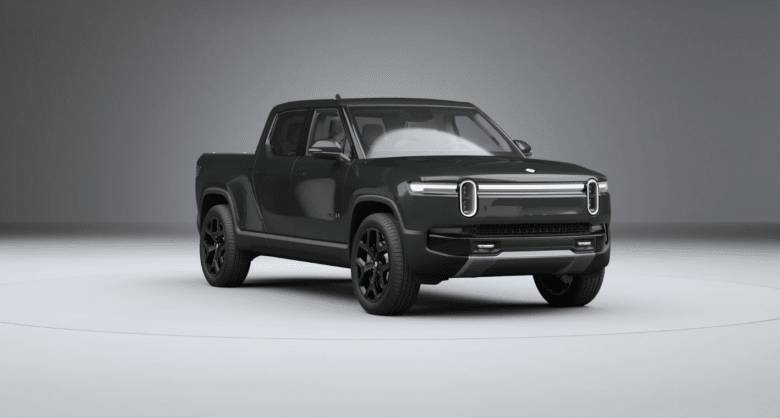
2021: Rivian R1T
Introduced in 2021, the Rivian R1T is an all-electric pickup truck featuring a quad-motor system and a range of over 300 miles.
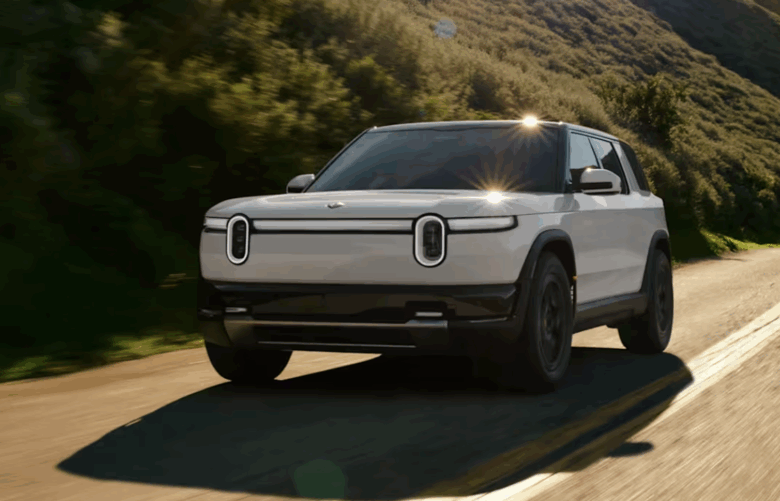
2026 Rivian R2
The 2026 Rivian R2 is a highly anticipated, all-electric midsize SUV designed to bring the brand’s rugged, adventure-ready spirit to a more accessible and compact segment. Positioned as the smaller sibling to the flagship R1S, the R2 retains Rivian’s signature design language—complete with its iconic stadium-shaped front headlights and a sleek, full-width rear light bar—but sits on an entirely new, cost-efficient platform. It offers a choice of single-, dual-, or tri-motor powertrains, delivering blistering acceleration alongside a generous driving range of over 300 miles.
Ask us! What questions do you have about content, strategy, pop culture, lifestyle, wellness, history or more? We may use your question in an upcoming article!
Like MediaFeed’s content? Be sure to follow us.
This article was syndicated by MediaFeed.co.