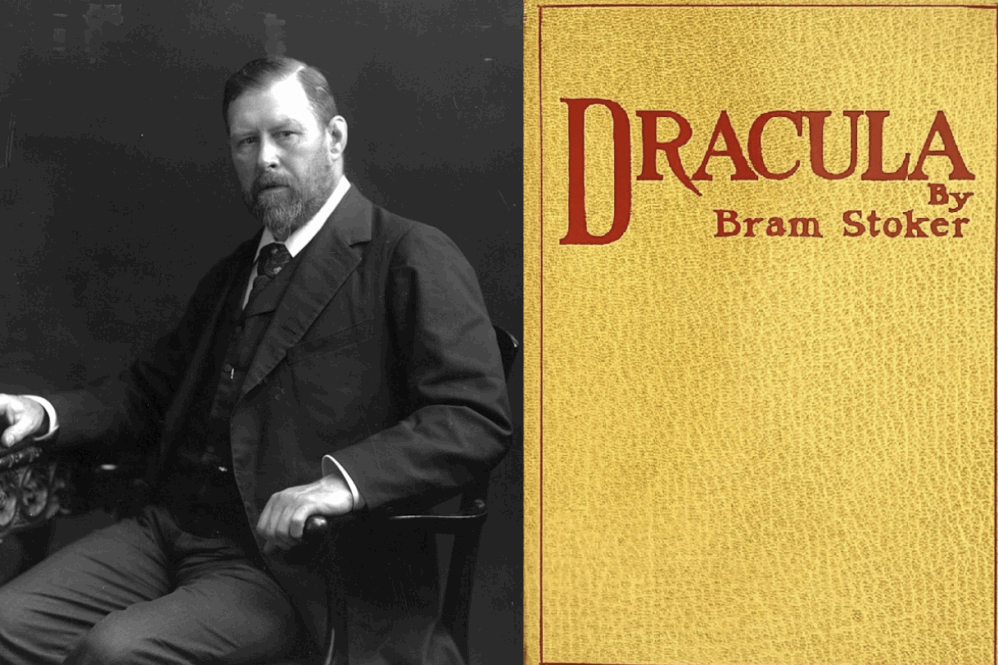
On May 26, 1897, the classic vampire novel Dracula first appeared in London bookshops. Written by Irish author Bram Stoker, this masterpiece of Victorian-era Gothic literature eventually earned him global fame. However, the famous vampire actually had a surprisingly slow and unusual journey to global fame.
Before becoming a famous author, Bram Stoker lived quite a varied life. As a child, he was bedridden with an undiagnosed, severe illness from birth until age seven, unable to stand or walk, but he grew up to become a football star at Trinity College in Dublin. After graduating, he spent ten years working in the civil service at Dublin Castle. During this time, he also wrote drama reviews for the Dublin Mail. Through his reviewing work, Stoker met the actor Sir Henry Irving. Irving hired Stoker as his manager for nearly three decades. In this role, Stoker managed Irving’s large volume of correspondence and traveled with him on tours across the United States.
On the side, Stoker began writing horror stories for magazines. In 1890, he published his very first novel, The Snake’s Pass. He would go on to publish 17 novels in total during his lifetime, but none became as legendary as Dracula.
The novel is written in the unique form of diaries and journals kept by its main characters. It tells the chilling story of a vampire who travels from Transylvania, a region of Eastern Europe located in modern-day Romania, to Yorkshire, England. There, he preys on innocent people to feed on the blood he needs to survive.
Interestingly, Stoker did not start with the name we all know today. He originally named his villain “Count Wampyr.” While on family vacations in Yorkshire, Stoker borrowed a book from a local public library written by a retired diplomat named William Wilkinson. The book focused on Wallachia and Moldavia, and it was within those pages that Stoker discovered the name “Dracula.”
While folklore about vampires had existed since ancient times, Stoker’s novel put them directly into mainstream 20th-century literature. Surprisingly, the book was only a moderate success when it was first released. In fact, when Stoker died in 1912, none of his obituaries even mentioned Dracula by name.
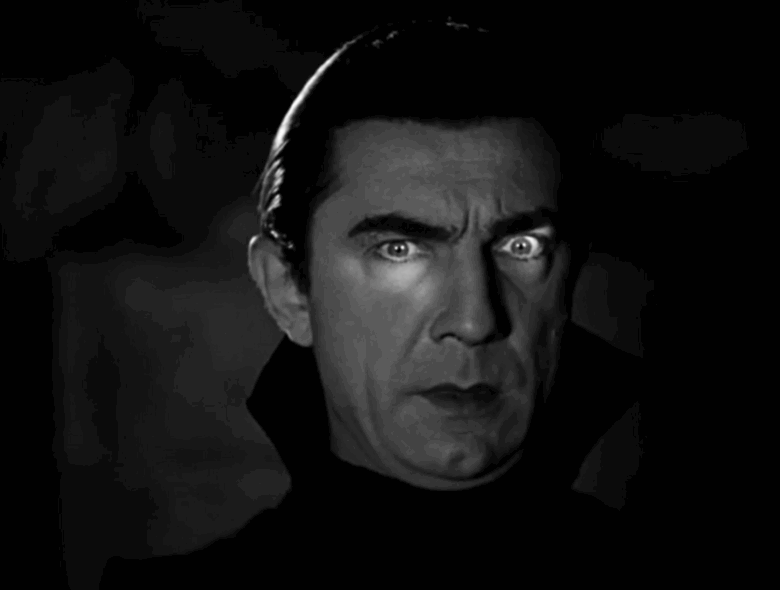
The book’s popularity finally began to raise in the 1920s when it was adapted into a Broadway play. Universal Pictures then pushed “Dracula mania” into overdrive with its blockbuster 1931 movie. Directed by Tod Browning, the film starred Hungarian actor Bela Lugosi. Thanks to his exotic accent, Lugosi became the quintessential Count Dracula.
In the late 20th century, the obsession continued with bestselling novels by American writer Anne Rice and the television series Buffy the Vampire Slayer. The vampire phenomenon stayed strong into the 21st century with book and film series, all tracing their roots back to the classic vampire novel Dracula in 1897.
Ask us! What questions do you have about content, strategy, pop culture, lifestyle, wellness, history or more? We may use your question in an upcoming article!
Like MediaFeed’s content? Be sure to follow us.
This article was syndicated by MediaFeed.co