
Not a Morning Person? 10 Ways to Change That
Some people naturally wake up ready to go. The rest of us… do not. The good news is that becoming more of a morning person is less about personality and more about habits—and those can be adjusted over time.
You don’t need a complete life overhaul. A few small, consistent changes can make early mornings feel a lot less painful (and occasionally even enjoyable).

Shift Your Wake-Up Time Gradually
Jumping from a 9 a.m. wake-up to 6 a.m. overnight rarely works. Moving your alarm earlier in 10–15 minute increments gives your body time to adjust. Slow and steady tends to stick.

Build a Simple Night Routine
A consistent wind-down routine helps signal to your body that it’s time to sleep. That might mean dimming lights, putting screens away, or doing something relaxing. The goal isn’t perfection—just consistency.
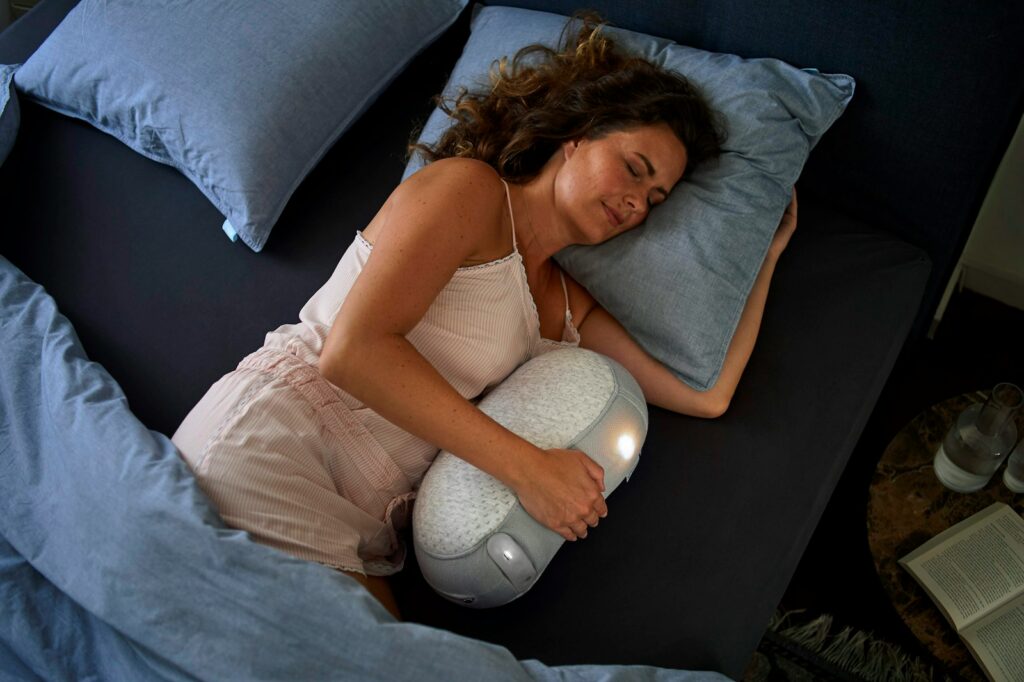
Keep a Consistent Sleep Schedule
Going to bed and waking up at roughly the same time each day supports your body’s internal clock. Most adults need about 7–9 hours of sleep, so timing matters just as much as duration.

Make Your Sleep Environment Work for You
A cool, dark, and quiet room tends to support better sleep. Blackout curtains, white noise, or earplugs can help if your environment isn’t naturally ideal. Better sleep at night makes early mornings much easier.

Go to Bed Earlier (Yes, It Still Matters)
There’s no real workaround here. If you want to wake up earlier and feel functional, you’ll likely need to go to bed earlier. It’s not exciting advice, but it’s effective.

Give Yourself a Reason to Wake Up
Mornings are easier when there’s something to look forward to, even something small. Coffee, a quiet moment, a walk, or a favorite playlist can make getting out of bed feel less like a chore.

Get Regular Exercise
Consistent physical activity is linked to better sleep quality. You don’t have to work out at 5 a.m. (unless you want to), but moving your body during the day can help you fall asleep more easily at night.

Watch Your Caffeine Timing
Caffeine can stay in your system for several hours—sometimes longer than you think. Cutting it off in the early afternoon can help prevent it from interfering with your sleep later that night.

Avoid Heavy Meals Right Before Bed
Eating too close to bedtime can make it harder to fall asleep comfortably. A lighter evening routine, especially in the last couple of hours before bed, can help your body wind down more naturally.

Get Morning Light as Soon as You Can
Exposure to natural light early in the day helps regulate your internal clock and can make you feel more alert. Even a few minutes outside in the morning can make a difference. On darker days, bright indoor light can still help.
Becoming a morning person isn’t about suddenly loving early alarms—it’s about making mornings feel manageable (and occasionally even pleasant). With a few consistent habits, you can shift your routine without completely fighting your natural rhythm.
Read More:
- How to Set Work Boundaries Without Looking Like You Don’t Care
- 10 Ways to Add ‘Executive Energy’ to Your Daily Routine
- 10 Sneaky Ways Lifestyle Creep Is Draining Your Wallet
Ask us! What questions do you have about content, strategy, pop culture, lifestyle, wellness, history or more? We may use your question in an upcoming article!
Like MediaFeed’s content? Be sure to follow us.
This article originally appeared on Resourcebuzz and was syndicated by MediaFeed.co.