
10 Shopping Habits Driven More by Emotion Than Logic
Most people like to think they shop logically. In reality, emotions often make the first decision, and the budget deals with it later.
Stress, boredom, nostalgia, and even fake urgency can all push people to spend in ways that feel justified at the time. These 10 shopping habits show how emotion can take over long before logic has a chance to speak up.

10. Buying Something Just Because It’s on Sale
A discount can make an unnecessary purchase feel smart. But, saving money on something you did not need is still spending money you did not need to spend.

9. Shopping When You’re Bored or Anxious
Shopping can offer a quick mood boost, especially online, where buying something takes almost no effort. The problem is that the emotional lift usually fades much faster than the charge on your card.

8. Buying to Impress Other People
Some purchases are less about use and more about image. When the goal is to look successful, stylish, or ahead of everyone else, the decision is emotional long before it is practical.

7. Justifying a Splurge With “I Deserve This”
Everyone deserves enjoyment, but this phrase often shows up right before an impulse buy. A treat can be fine, but it stops being rewarding when it creates stress later.

6. Buying Duplicates of Things You Already Own
It can feel safe to buy another version of something familiar. Still, comfort is not the same as need, and a fifth black sweater rarely changes your life in any meaningful way.

5. Keeping Items Just Because They Were Expensive
This habit comes from not wanting to admit that money was wasted. Keeping something you do not use, wear, or enjoy does not fix the purchase. It just extends the regret.
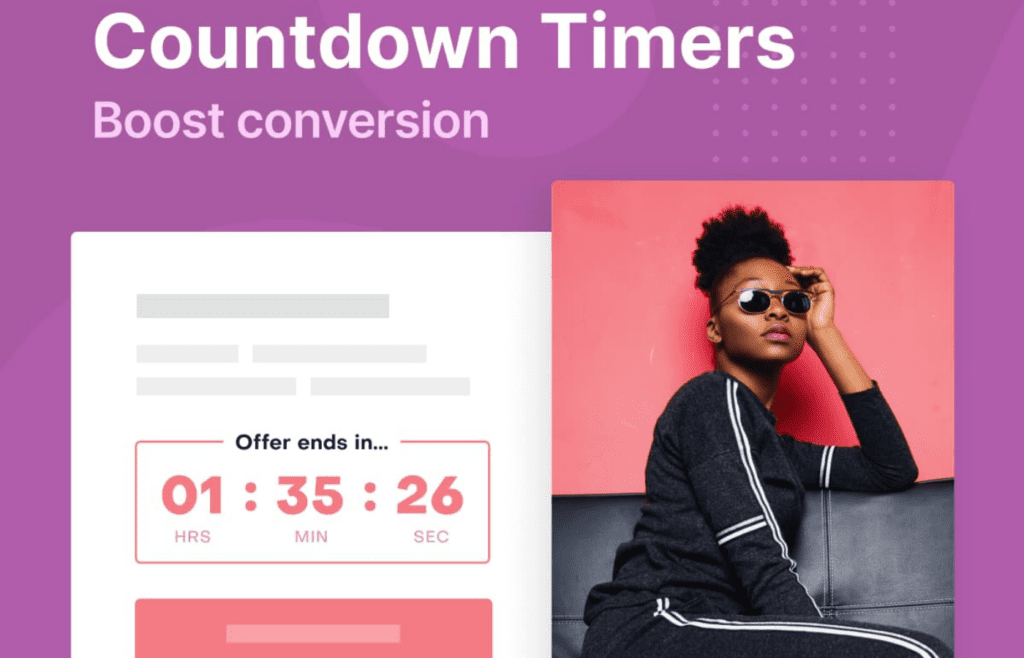
4. Falling for “Limited Time” Pressure
Countdown clocks and low-stock warnings are designed to trigger urgency. Once you feel rushed, you are reacting to fear of missing out, not making a calm decision.
3. Shopping to Feel More in Control
Buying something can create a temporary sense of order when other parts of life feel uncertain. Unfortunately, a shopping cart is not a coping strategy, even if it tries very hard to look like one.

2. Letting Nostalgia Make the Decision
Old toys, vintage packaging, and familiar brands can pull people in fast. There is nothing wrong with sentimental spending now and then, but nostalgia gets expensive when it starts doing the budgeting.

1. Buying for Your “Future Self”
This is one of the easiest traps to fall into. The bread maker, workout gear, or new planner all make sense for the person you hope to become, but your current habits give a much better clue about whether the purchase makes sense.
Emotional shopping is rarely about the item itself. It is about what the purchase promises to fix, prove, or soothe. Spotting that pattern early can save you money and a surprising amount of buyer’s remorse.
Related:
- 10 Financial Habits That Separate Millionaires From Everyone Else
- Buying in Bulk? These 10 Items Are Actually Worth It
- These Items Aren’t Always a Bargain at Sam’s Club
Ask us! What questions do you have about content, strategy, pop culture, lifestyle, wellness, history or more? We may use your question in an upcoming article!
Like MediaFeed’s content? Be sure to follow us.
This article originally appeared on Resourcebuzz and was syndicated by MediaFeed.co.