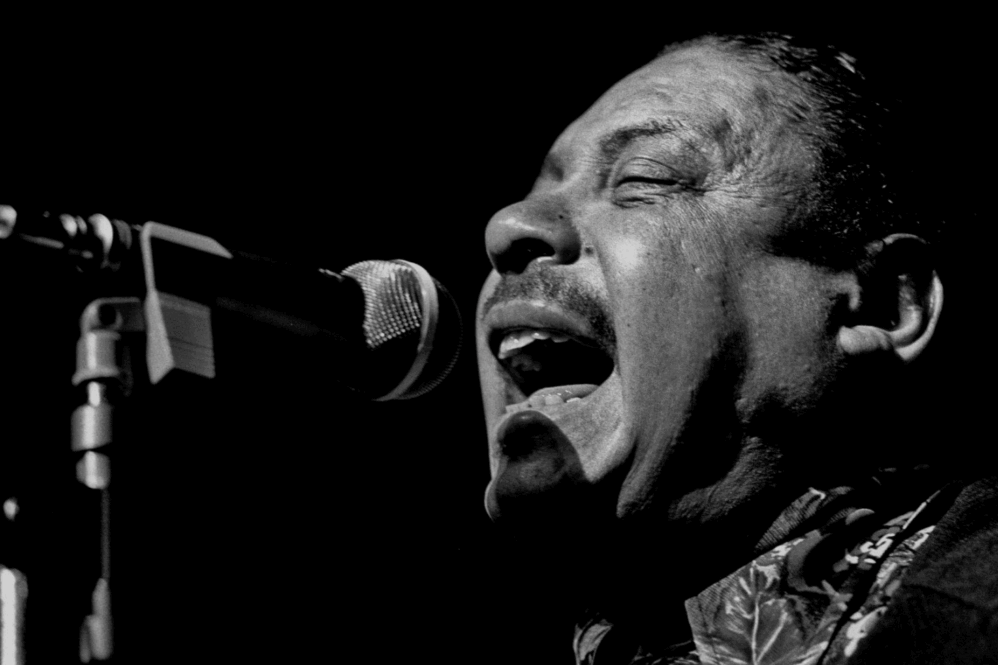
The most controversial song the year you were born: Boomer edition
Baby Boomers were born between 1946 and 1964, and the music surrounding their arrival was some of the most socially charged in American history.
The era opened with the civil rights movement demanding to be heard through song and closed with rock and roll having permanently rewritten what was permissible on American radio.

Born in 1946: “Strange fruit” by Billie Holiday
Billie Holiday’s lynching protest song was considered so incendiary that Columbia Records refused to release it, and Holiday had to record it on a smaller label. Ranker notes radio stations refused airplay throughout the 1940s. Holiday’s performances drew ongoing pressure from authorities.
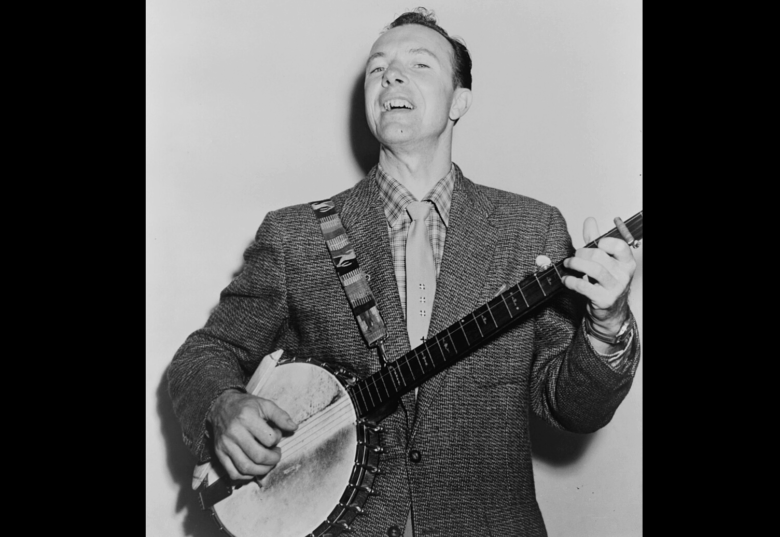
Born in 1947: “If I had a hammer” by Pete Seeger
Pete Seeger’s left-wing politics made him a target of McCarthyism, and the songs associated with him were treated as threats to public order. Stacker documents that Seeger was denied access to television for years due to his communist associations. The song became a civil rights anthem.
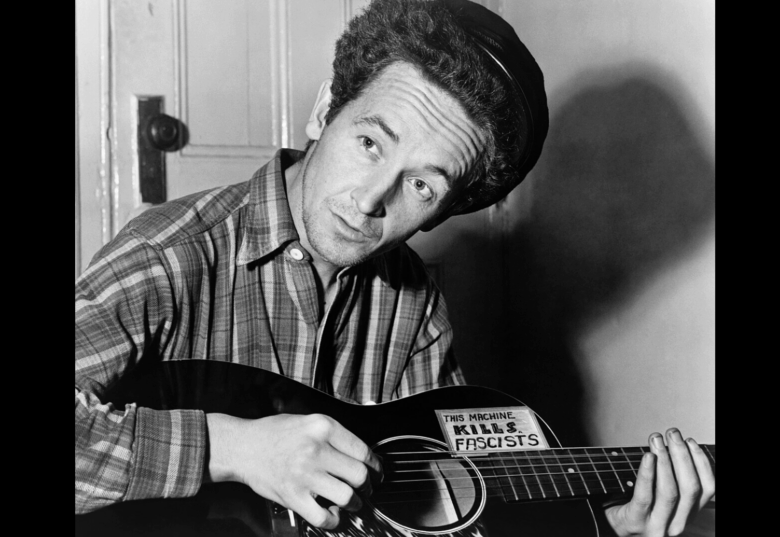
Born in 1948: “Plane wreck at Los Gatos (Deportee)” by Woody Guthrie
Written in response to a plane crash that killed 28 unnamed migrant workers returning to Mexico, Stacker confirms that Guthrie wrote it as a protest against the government’s treatment of migrant labor. It received minimal mainstream airplay and was later recorded by dozens of artists, including Joan Baez.
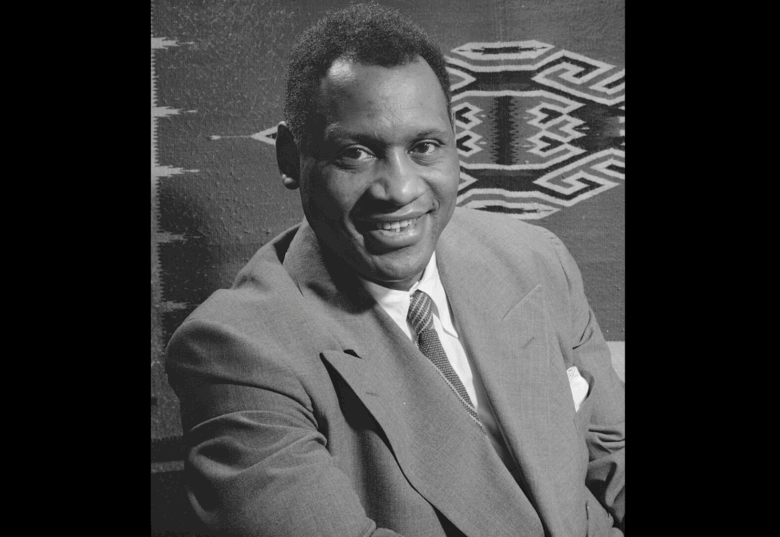
Born in 1949: “Ol’ man river” by Paul Robeson
Paul Robeson’s powerful baritone and his uncompromising activism made him one of the most suppressed artists in American history. Stacker notes the State Department revoked Robeson’s passport in 1950, ending his international career. His recordings were pulled from stations nationwide.
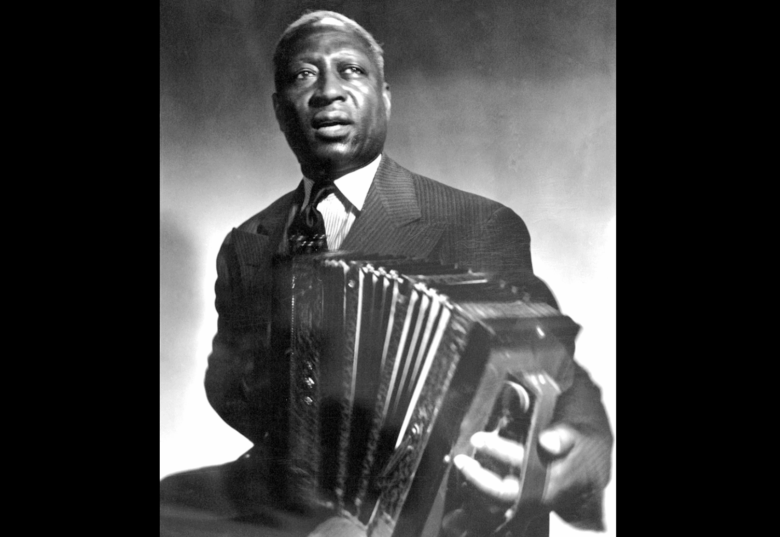
Born in 1950: “Goodnight, Irene” by Lead Belly and The Weavers
Pete Seeger co-founded The Weavers and brought this Lead Belly song to mainstream audiences. When Seeger’s communist associations made him a liability, Ranker documents stations pulled all Weavers recordings. The year’s best-selling single was erased from the airwaves by politics.
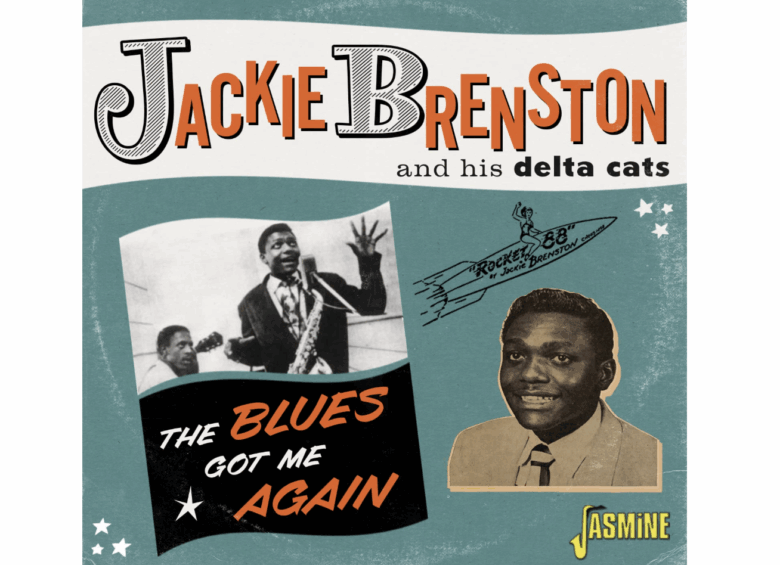
Born in 1951: “Rocket 88” by Jackie Brenston and His Delta Cats
Widely regarded as one of the first rock and roll records, “Rocket 88” drew immediate concern from parents and moral authorities who associated its driving rhythm and car-race subject matter with juvenile delinquency. According to Ranker, white radio stations refused to play it, and covers by white artists were produced to sideline the original.
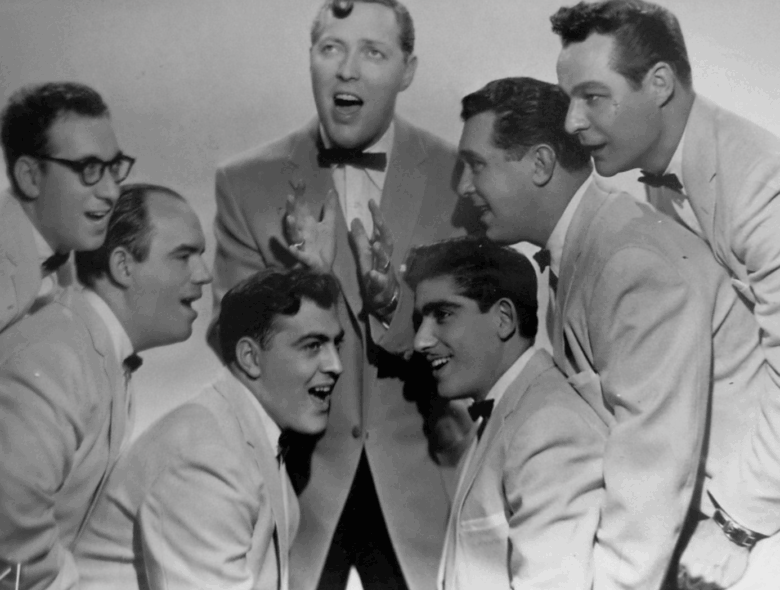
Born in 1952: “Crazy man, crazy” by Bill Haley and His Comets
Bill Haley’s early rock and roll recordings alarmed the same broadcasting authorities who would later try to ban “Rock Around the Clock.” According to Stacker, its association with teen rebellion made it a target. It became the first rock and roll song on national television.
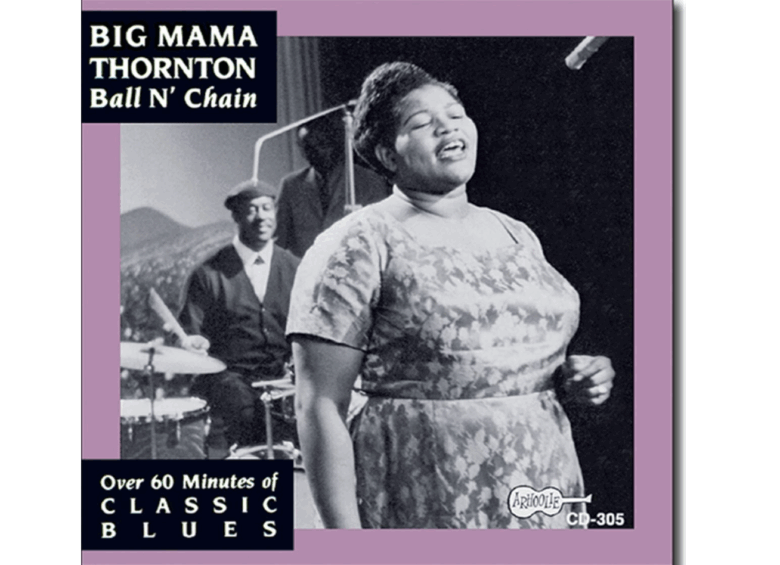
Born in 1953: “Hound dog” by Big Mama Thornton
Willie Mae “Big Mama” Thornton recorded the original “Hound Dog” in 1953, a full three years before Elvis made it famous. Ranker confirms the original was kept off white radio. When Elvis recorded it three years later, stations played it immediately.
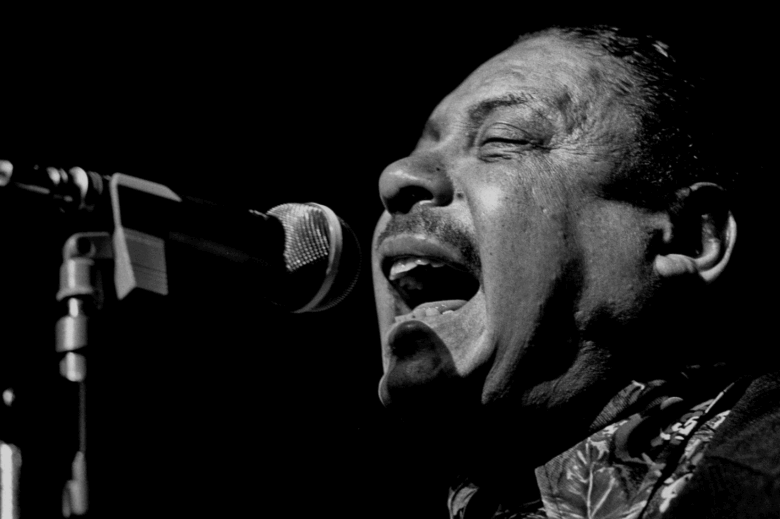
Born in 1954: “Shake, rattle and roll” by Big Joe Turner
The original version of this song contained lyrics far more sexually explicit than the version Bill Haley later cleaned up for white radio. According to Stacker, Turner’s original was considered too raw for white radio. The sanitized version became the hit.
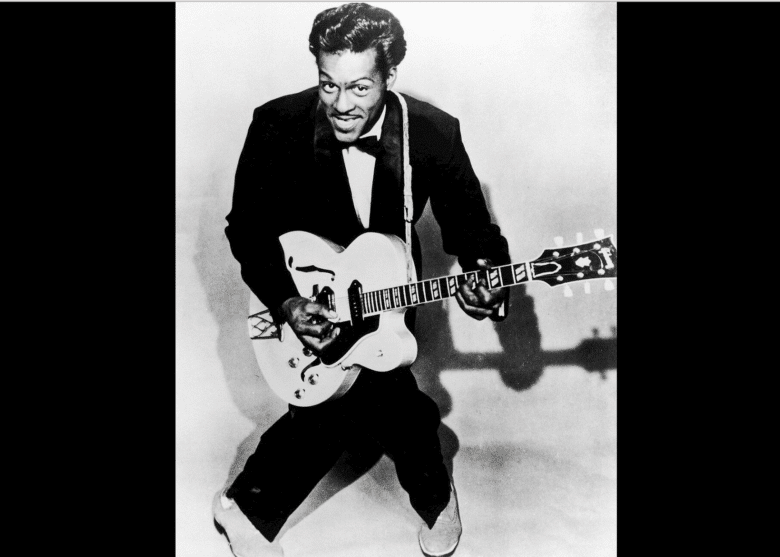
Born in 1955: “Maybellene” by Chuck Berry
Chuck Berry broke onto white pop radio in 1955 with a song that crossed racial boundaries that American broadcasting had spent decades enforcing. Ranker documents stations considered his music inappropriate for white audiences. Berry later discovered two people had been added as co-writers to dilute his royalties.
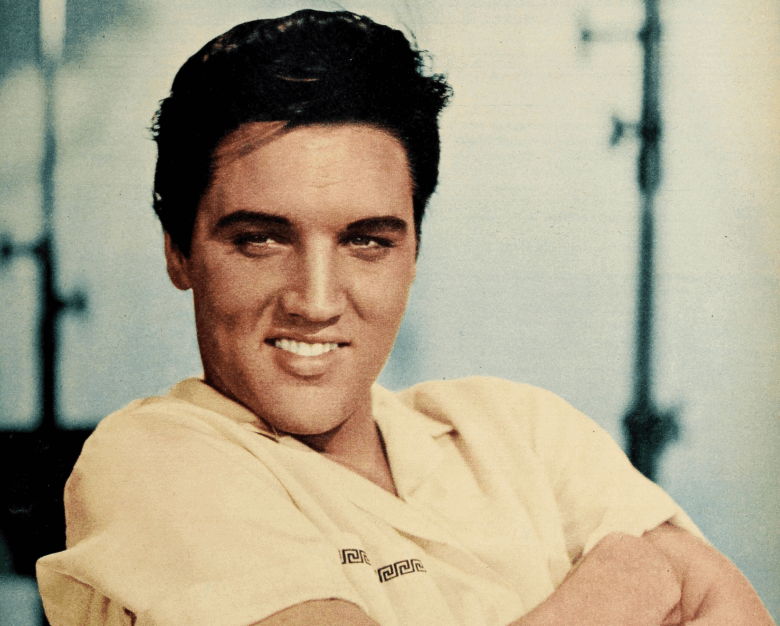
Born in 1956: “Hound dog” by Elvis Presley
When Elvis performed “Hound Dog” on The Ed Sullivan Show, producers filmed him exclusively from the waist up, fearing the effect his hip movements might have on the viewing public. The NCAC also notes that producers filmed him from the waist up, fearing the effect his movements would have on viewers. The performance was watched by 60 million people.

Born in 1957: “Whole lotta shakin’ goin’ on” by Jerry Lee Lewis
Many stations refused to play it at all, Ranker confirms. Lewis’s career subsequently collapsed when his marriage to his 13-year-old cousin became public.
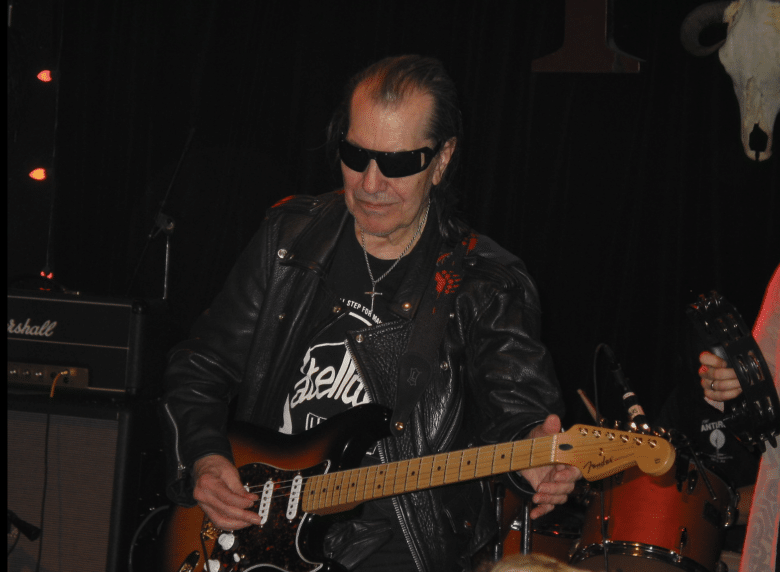
Born in 1958: “Rumble” by Link Wray
The only instrumental ever banned from American radio. According to Ranker, stations banned it, fearing its distorted guitar might incite gang violence. It contained no lyrics.
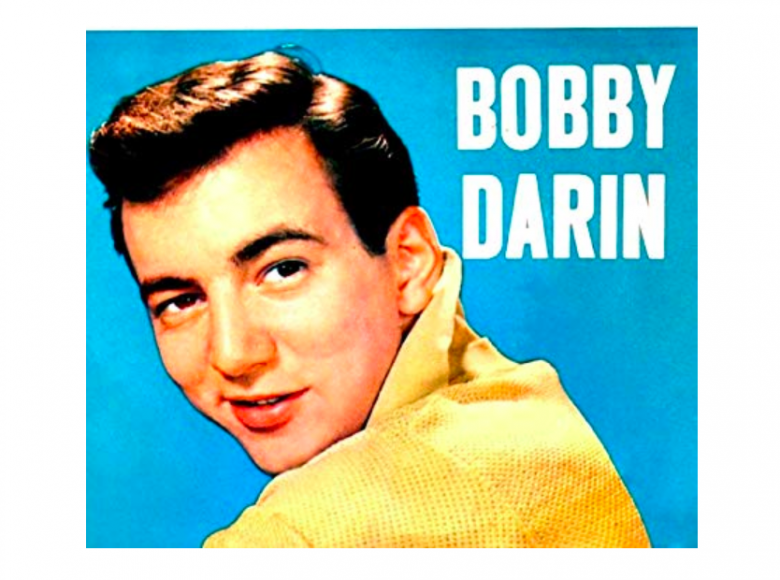
Born in 1959: “Mack the knife” by Bobby Darin
Behind the cheerful jazz arrangement are lyrics about bodies and knife attacks. Stacker documents that WABC and the BBC both banned it. It won the Grammy for Record of the Year anyway.
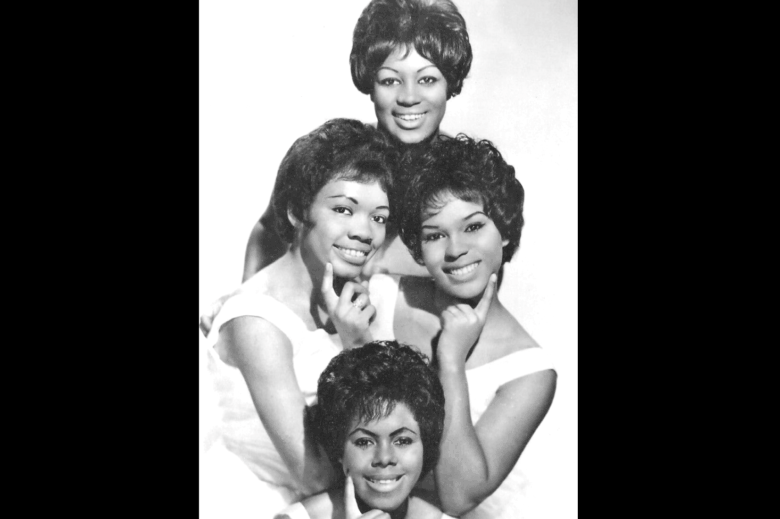
Born in 1960: “Will you still love me tomorrow” by The Shirelles
The first number one hit by an all-Black female group was also banned by radio stations for mild sexual innuendo. According to the NCAC, its frank discussion of intimacy was unacceptable for broadcast. It sold over a million copies.
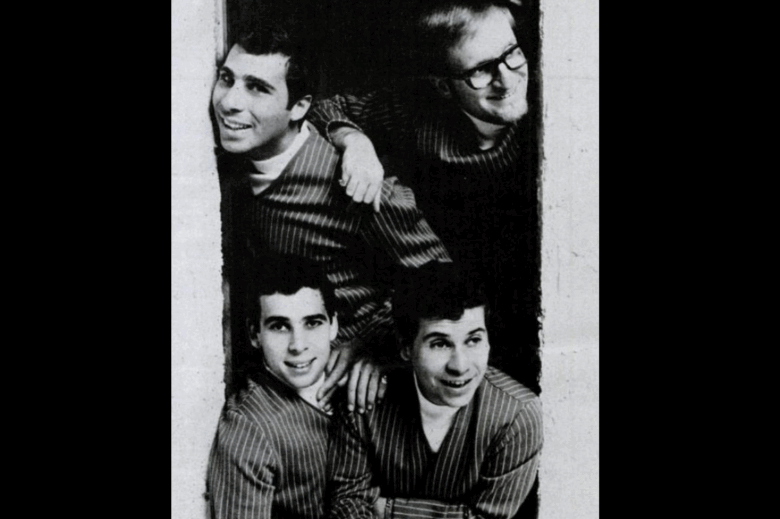
Born in 1961: “The lion sleeps tonight” by The Tokens
It would take decades for the true controversy to emerge. Stacker documents that the Tokens failed to credit Zulu worker Solomon Linda as the creator. His descendants sued Disney in 2006 and reached an undisclosed settlement.
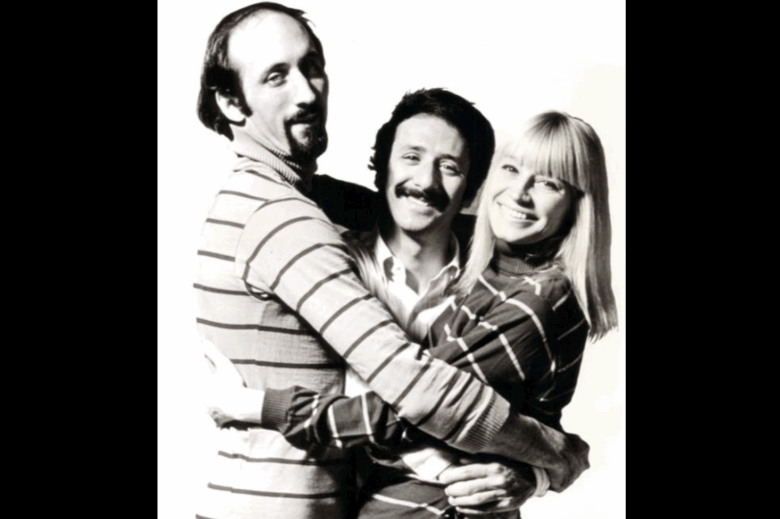
Born in 1962: “If I had a hammer” by Peter, Paul and Mary
When Peter, Paul, and Mary recorded Pete Seeger’s song, its earlier associations with communist politics were still a liability. The song won Grammys and became a civil rights anthem, Stacker confirms. Seeger himself remained banned from television.

Born in 1963: “Louie louie” by The Kingsmen
The FBI investigated this song for two years. Parade confirms the FBI investigated for two years, listening at speeds from 16 to 78 rpm. Their conclusion: the lyrics could not be determined. They are not pornographic.

Born in 1964: “A change is gonna come” by Sam Cooke
Sam Cooke wrote this after being turned away from a whites-only motel in Louisiana in 1963 and after hearing Bob Dylan’s “Blowin’ in the Wind.” According to Ranker, its direct address of racial inequality limited airplay. Cooke was shot and killed in December 1964.

Wrap up
Nineteen songs, nineteen attempts to silence something. The Boomers were born into a musical era where the most important recordings were almost always the most contested ones. Not one of the bans on this list worked. Every one of these songs is still being heard.
Ask us! What questions do you have about content, strategy, pop culture, lifestyle, wellness, history or more? We may use your question in an upcoming article!
Related:
- The most controversial songs of the ’50s: Do you agree?
- The most controversial songs of the ’60s: Do you agree?
Like MediaFeed’s content? Be sure to follow us.
This article was syndicated by MediaFeed.co.