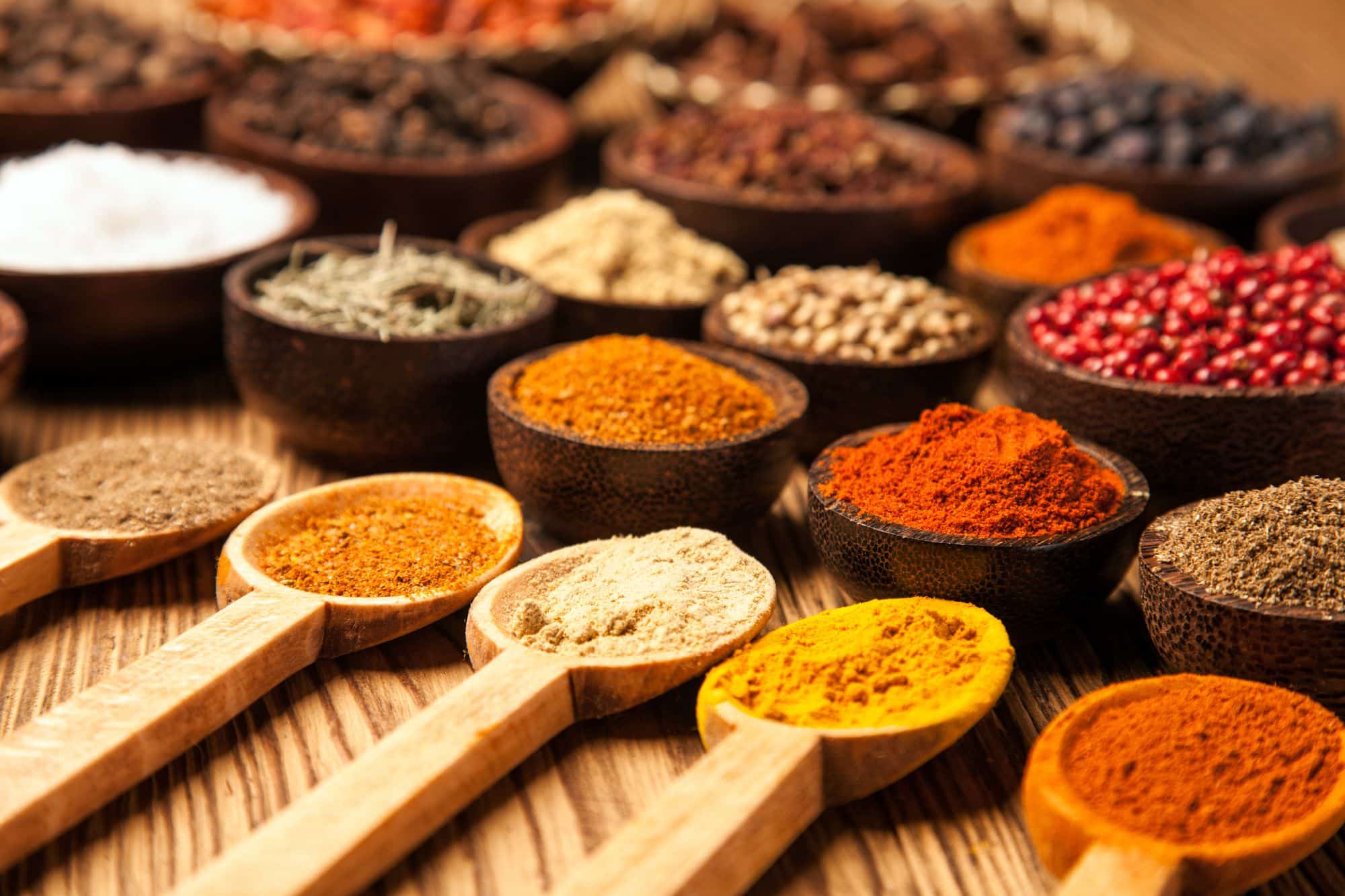
The most underused medicine cabinet in most American kitchens is the spice rack. Decades of research have examined what common cooking herbs and spices do at the cellular level, and the findings for older adults are specific enough to be worth knowing. None of these spices is a treatment. But the gap between what food can do and what most people know about it is wider than it should be.
This article draws on peer-reviewed research published by the NIH and subsequent reviews. All claims below reflect findings from published studies, not supplement marketing.
The three spices covered here are already in most kitchens. What they do after 60 is worth understanding.
Cilantro
Cilantro, the leaf of the Coriandrum sativum plant, has been the subject of a 2021 NIH study that found its essential oil demonstrates antimicrobial, antioxidant, and anti-inflammatory activity in laboratory testing. Likewise, coriandrum sativum polyphenols exhibit protective effects against obesity, metabolic syndrome, and diabetes. Cilantro also contains vitamins A, C, and K, and provides potassium, calcium, and manganese.
There is a separate body of research suggesting cilantro may support the body’s natural process of binding to and eliminating certain heavy metals. Healthline notes that cilantro is among the dietary sources studied for this property, though researchers note that the evidence remains preliminary and that dietary approaches work alongside, not in place of, medical treatment.
Turmeric and curcumin
Turmeric contains curcumin, a yellow polyphenolic compound that, according to an NIH review, has antioxidant, anti-inflammatory, neuroprotective, anticancer, hepatoprotective, and cardioprotective properties. It has been used in Ayurvedic and Chinese medicine for centuries, with the first Western research into its health benefits beginning in the 1970s.
For older adults specifically, a meta-analysis published in the Journal of Medicinal Food analyzed eight randomized clinical trials and found that curcumin extracts were associated with reduced joint arthritis symptoms in middle-aged and elderly participants. A separate pilot trial found that a turmeric extract formulation reduced knee joint pain in participants over three days to one week.
One practical note worth knowing. Curcumin has low bioavailability on its own, meaning the body absorbs relatively little of it from food or supplements. Research consistently shows that pairing curcumin with piperine, the active compound in black pepper, increases absorption significantly.
Curry
Curry powder is not a single spice but a blend, typically combining turmeric, cumin, coriander, chili, and fenugreek. The health literature on curry reflects the cumulative properties of its components rather than any single compound. Fenugreek has been studied for blood sugar regulation. Cumin has demonstrated antioxidant activity. Coriander contains similar polyphenols to cilantro. The combination of a regular dietary pattern provides a range of anti-inflammatory compounds simultaneously.
According to a PMC review, curcumin inhibits proinflammatory cytokines, neutralizes free radicals, and has demonstrated neuroprotective and cardioprotective capabilities. These effects make the regular culinary use of curry, which delivers turmeric alongside complementary compounds, a reasonable dietary choice for older adults managing inflammation.
Wrap up
None of these spices replaces medication or physician guidance. What they do is add meaningful nutritional complexity to ordinary meals. The research supporting turmeric’s anti-inflammatory properties in older adults is among the most robust in the food-as-medicine literature. Cilantro and curry round out a pattern of regular spice use that costs nothing extra and has no documented downside. That is a reasonable argument for reaching for them more often.
Ask us! What questions do you have about content, strategy, pop culture, lifestyle, wellness, history or more? We may use your question in an upcoming article!
Related:
Like MediaFeed’s content? Be sure to follow us.
This article was syndicated by MediaFeed.co.