
How many of these senior health myths can you spot?
Some of the most persistent ideas about aging are also the most wrong. They have been repeated so often that they have acquired the feeling of common sense.
The problem is that common sense and current medical evidence frequently disagree, and in health matters, the gap between the two can have real consequences.
Here are five widely held beliefs about aging that deserve a second look.

Myth 1: Memory loss is a normal part of getting older
Occasional forgetfulness can occur with aging and is generally not a cause for concern. But significant, progressive memory loss is not a normal feature of aging. Only a small percentage of people over 65 have dementia, according to data cited by Psychology Today. Consistent forgetting of names, repeated questions, or difficulty completing familiar tasks warrants a physician conversation, not a shrug.

Myth 2: Exercise is too risky after 70
Studies show that older adults, even in nursing homes, benefit meaningfully from exercise. The CDC recommends 150 minutes of moderate aerobic activity weekly for adults 65 and older, plus muscle-strengthening exercises on two or more days a week. Adults over 74 experience the largest relative gains in survival and healthy life from physical activity. The risk of not exercising consistently outweighs the risk of doing it. Almost anyone, at any age and with most health conditions, can participate in some form of physical activity.

Myth 3: You can stop blood pressure medication once your numbers are normal
This is very dangerous and one of the most common mistakes in senior self-care. Blood pressure medication brings the numbers down because it is continuously doing its job. Stopping allows pressure to return to its previous elevated level, often within days. The normalized reading reflects the medication working, not the underlying condition resolving. Any decision to change or stop medication should involve a physician.
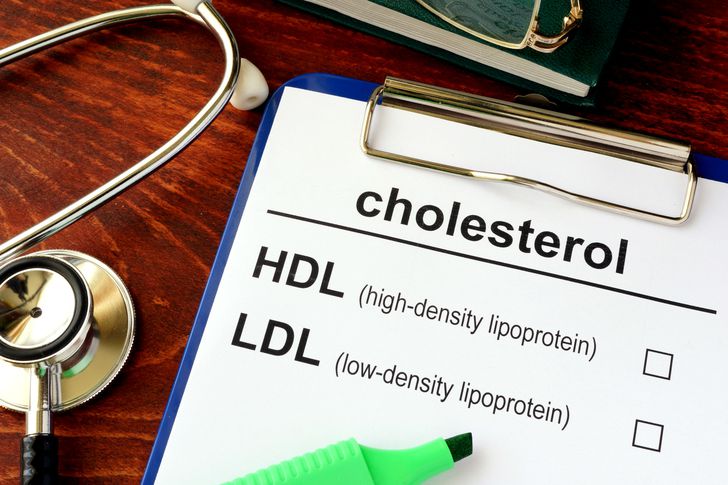
Myth 4: High cholesterol only affects people who are overweight or eat poorly
Genetics and lifestyle can raise cholesterol regardless of body size. A lean person who eats carefully can still have elevated LDL and be at significant cardiovascular risk. Conversely, someone who is overweight may have favorable lipid numbers. High cholesterol produces no symptoms either way, which is exactly why a lipid panel is the only reliable way to know where the numbers actually stand.

Myth 5: Older adults need less sleep
The National Sleep Foundation recommends seven to nine hours per night for adults of all ages, including those over 65. What changes with aging is sleep architecture. Lighter sleep, more frequent waking, and a shift toward earlier bedtimes. These changes create the impression that less sleep is needed, when in fact the need remains the same and the ability to meet it has simply become more fragmented. Chronic sleep deprivation in older adults is associated with increased risk of falls, cognitive decline, and cardiovascular disease.

Wrap up
Believing that memory loss is inevitable can delay a diagnosis that might change everything. Believing exercise is dangerous can accelerate decline. Believing blood pressure medication can be self-discontinued can cause a stroke. The gap between common belief and current evidence is worth closing, one conversation with a physician at a time.
Ask us! What questions do you have about content, strategy, pop culture, lifestyle, wellness, history or more? We may use your question in an upcoming article!
Related:
- Functional vs. conventional blood testing: Which is right for you?
- 10 signs your elderly parent needs help
Like MediaFeed’s content? Be sure to follow us.
This article was syndicated by MediaFeed.co.