Restaurants that felt fancy when we were kids
There was a category of restaurant in the 1970s and 1980s that occupied a specific rung. Not fast food, not fine dining, but something that felt, to a child in a padded booth across from their parents, genuinely special. The lighting was dimmer than at home, the menu longer than a single laminated page, and the arrival of a waiter rather than a cashier signaled that something different was happening.
A birthday, a report card, and an anniversary, the parents were observing without much explanation. Going to one of these restaurants meant being included in an adult ritual, which was its own reward before the food arrived.
Here are five of the restaurants that held that particular magic.
Steak and Ale
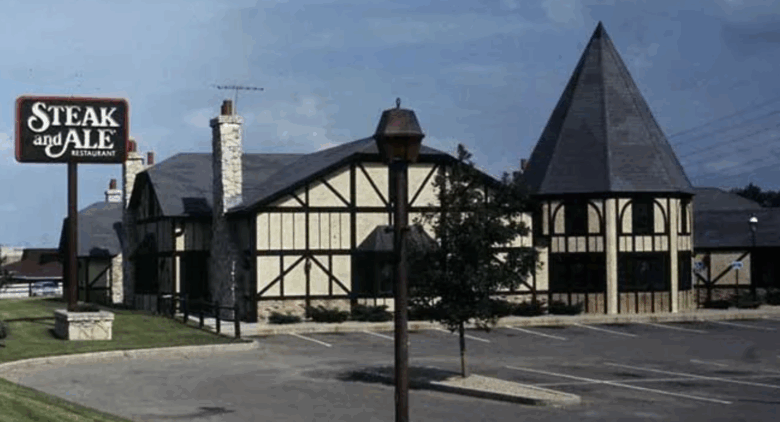
Norman Brinker founded Steak and Ale in Dallas in 1966, building the founding template of the American casual dining steakhouse. The Tudor-style rooms were deliberately dim. The salad bar, which Steak and Ale is credited with introducing to casual dining, was a genuine novelty. A plate of prime rib in that setting was indistinguishable from fine dining to anyone under twelve. The chain grew to 280 locations before all remaining locations closed overnight in 2008 when the parent company filed for Chapter 7 bankruptcy. A Facebook group called “Steak and Ale’s Comeback” accumulated nearly 55,000 members in its absence.

Olive Garden
The first Olive Garden opened in Orlando in 1982, created by General Mills as its first original restaurant concept. For families who had not grown up eating Italian food outside the home, unlimited breadsticks and a menu printed in what appeared to be Italian constituted a genuinely exotic experience. By 1989, the chain had grown to 145 locations. A 2025 survey found that 67 percent of Baby Boomers reported positive opinions of Olive Garden, a figure that speaks less to the food than to the memory of what sitting in one of those booths once felt like.
Bennigan’s
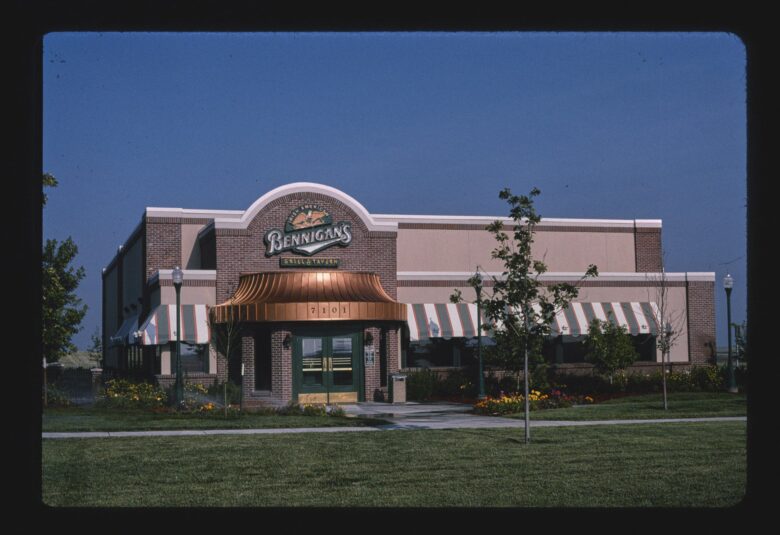
Norman Brinker created Bennigan’s for the Pillsbury Corporation in 1976 in Atlanta. The Irish pub theme felt distinctly different from the fluorescent ordinariness of fast food. The Monte Cristo sandwich, batter-dipped and finished with powdered sugar, seemed to belong to a more elaborate world. At its peak, Bennigan’s operated more than 300 locations. Parent company Metromedia filed for Chapter 7 bankruptcy in July 2008, and all 150 corporate locations closed overnight, without warning to staff or customers.
Howard Johnson’s
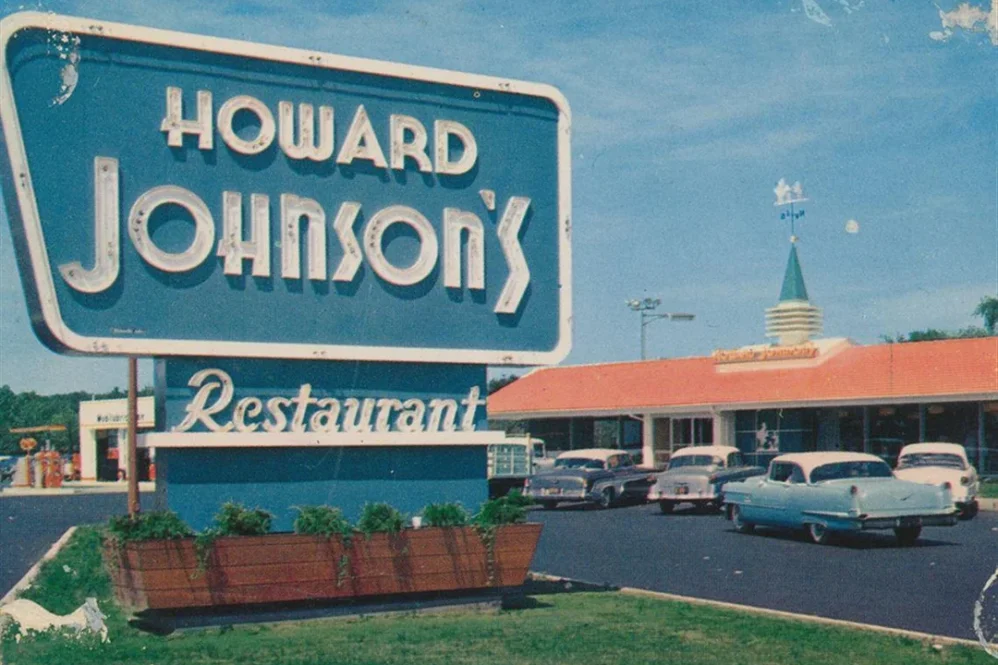
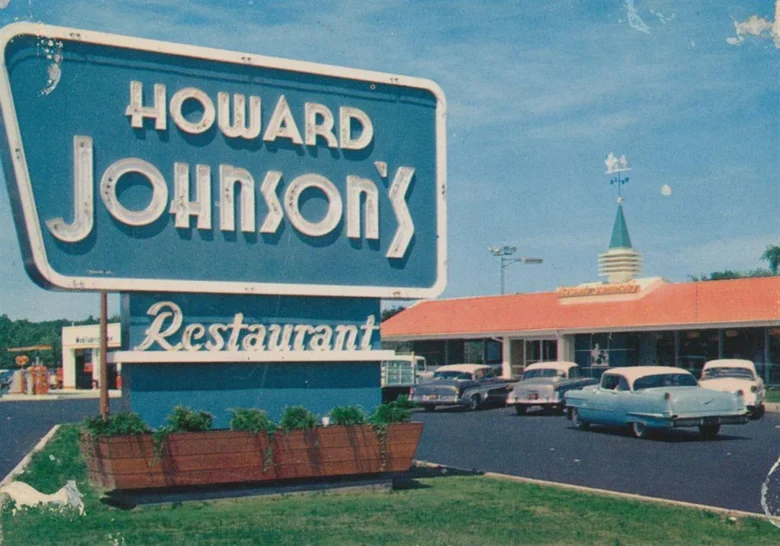
Howard Johnson’s was founded in Quincy, Massachusetts, in 1925 and became the largest restaurant chain in the United States by the late 1960s, with over 1,000 locations. Its orange rooftops were visible from every major highway. Its signature was 28 flavors of ice cream, a number that seemed, to a child, essentially infinite. Road trips in the 1960s and 1970s were organized around Howard Johnson’s stops. The last location closed in Lake George, New York, in 2022.
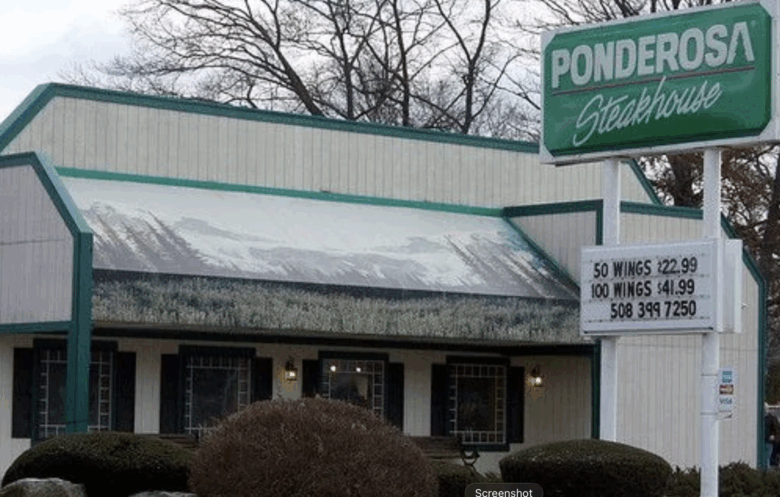
Ponderosa Steakhouse
Ponderosa Steakhouse was founded in 1965 on a straightforward premise: affordable steak dinners for families who could not justify a traditional steakhouse. The all-you-can-eat buffet gave every visit a sense of abundance. For a child, returning for a second or third serving felt genuinely extraordinary. At its peak, Ponderosa and sister chain Bonanza operated over 600 locations combined. A small number of locations remain today.

Wrap up
These restaurants were not objectively luxurious. The experience of being taken to one as a child was its own kind of occasion, remembered decades later with a clarity that more expensive meals rarely produce.
Ask us! What questions do you have about content, strategy, pop culture, lifestyle, wellness, history or more? We may use your question in an upcoming article!
Related:
- Gone but not forgotten: Photos of classic mall stores we miss
- Gone but not forgotten: Photos of childhood snacks we miss
Like MediaFeed’s content? Be sure to follow us.
This article was syndicated by MediaFeed.co.