As the news about coronavirus and the disease it causes, Covid-19, becomes more serious by the day in the United States, I was reminded of that old quote from children’s television host Fred Rogers. His mother had advised during times of crisis to “always look for the helpers.”
The first person I saw rising to the occasion as a helper in this crisis is a friend at the heart of the coronavirus outbreak in Kirkland, Washington. She saw all the panic buying going on and wondered what was being done for those who couldn’t get to grocery stores. What about the people at the nursing home where the outbreak began? What did they need? She called. They needed individually wrapped snacks.
She asked on social media if anyone had any food items they’d like to donate. What ensued was a barrage of Venmo and PayPal donations from folks near and far. Several hours later she was able to drop off a few hundred dollars worth of snacks to a grateful staff. It didn’t stop there, though. Her story inspired others to do the same.
As the virus spreads, the threat to people’s health may likely take a backseat to the threat to their livelihoods and financial stability, especially small business owners. If we all work together, though, we can help to stave off some of the worst effects, especially at the local level.
Here are 9 things we all can do to make life a little easier for the people in our neighborhoods, our communities and beyond. We’re all in this together. We can all overcome it together.
Image Credit: Daisy-Daisy / iStock.
1. Buy gift certificates

Have a favorite locally-owned store, restaurants bakery, cafe or pub? You can help keep them afloat as people stay home more frequently by buying some gift certificates. You can use them after this passes. And this will pass.
Image Credit: DepositPhotos.com.
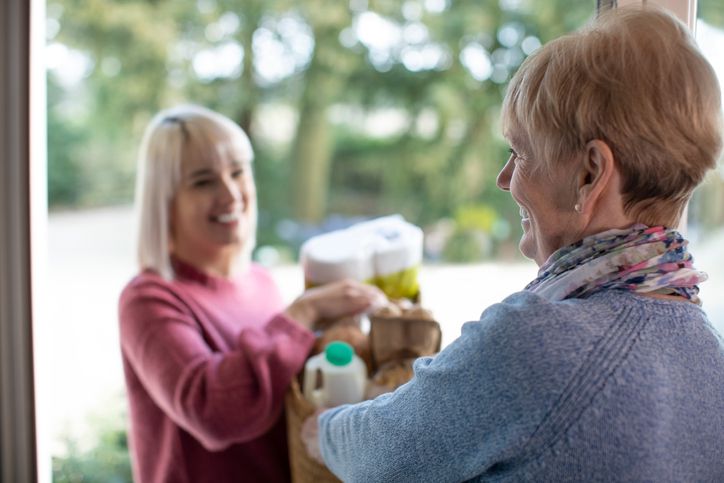
2. Check on neighbors, especially the elderly

Do they have enough supplies? Do they need any small tasks done? Check in often. Even a small conversation can be helpful and reassuring.
Image Credit: DimaBerkut / iStock.
3. Offer to run errands

Not everyone can get out for the things they need. As you visit neighbors, offer to run errands. Does the dog need to go to the vet? Do they need medications from the pharmacy? If the individual is immunocompromised or elderly, be sure to take precautions to ensure you don’t infect them if you unknowingly have the virus.
Image Credit: Credit: Highwaystarz-Photography /iStock.
4. Offer to watch the kids

Lots of schools are canceling classes, putting a strain on many working families who can’t afford the additional costs of childcare. If you have some spare hours while you’re working from home, offer to look after the kids.
Image Credit: Depositphotos.
5. Give blood

Giving blood is an important way to ensure people get the everyday, crucial medical services they need.
Image Credit: DepositPhotos.com.
6. Donate to your local homeless shelter, women’s shelter or other services
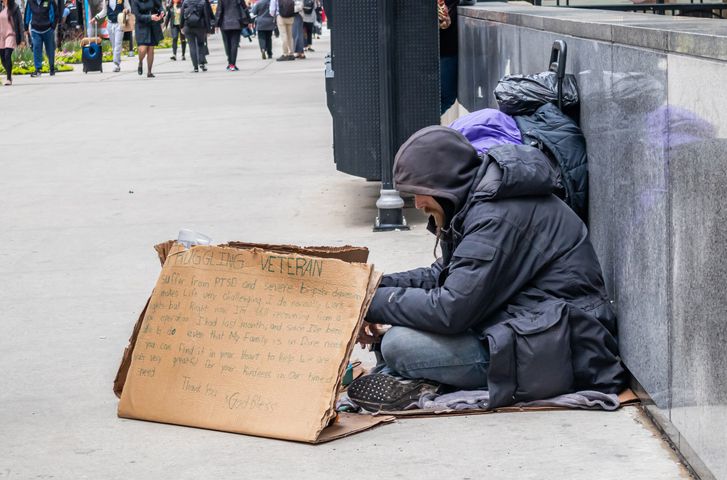
Resources will be strained, especially when it comes to the least fortunate among us. Your contribution can help ensure these people get the services they need.
Image Credit: Rawf8 / iStock.
7. Don’t ask for a refund

If you had tickets to a canceled live show — especially if it’s for a small, local theater group, local musician or artist — consider not asking for your money back. You could afford the price to attend and those actors, that musician or artist can’t book another gig. Consider it paying it forward or, as one friend puts it, making a deposit in your karma account.
Image Credit: millann / iStock.
8. Tip generously

If you do go out to eat, get takeout or catch a ride somewhere, be sure to tip generously. The folks serving you probably have a lot less work right now, thus a lot less money coming in.
Image Credit: Depositphotos.
9. Flatten the curve

Perhaps the most important thing we all can do at this time is to avoid spreading the virus through social distancing and washing our hands frequently. This is referred to as flattening the curve. If you’re able, it’s important to limit your personal interactions whenever possible, wash your hands frequently and staying home if you feel ill.
This article was produced and syndicated by MediaFeed.org.
Image Credit: Fly_dragonfly / iStock.