1980s hip-hop songs that wouldn’t fly today
The 1980s were a decade when artists pushed boundaries and challenged social norms through provocative lyrics. While some tracks became cultural touchstones that sparked important conversations about free speech and censorship, many contain content that would face intense scrutiny in today’s cultural climate. These songs helped define an era, but also reflect how our standards have evolved.

N.W.A.’s F Tha Police
N.W.A. infamously received a letter from the F.B.I. in response to the group ripping law enforcement a new one with their Straight Outta Compton track. Upon the release of “F tha Police,” the song immediately caused controversy because of the suggestive lyrics. Murdering police shouldn’t be condoned, but neither should the use of excessive force. Ice Cube ferociously raps about having it bad because he’s brown and police think they have the authority to kill a minority.
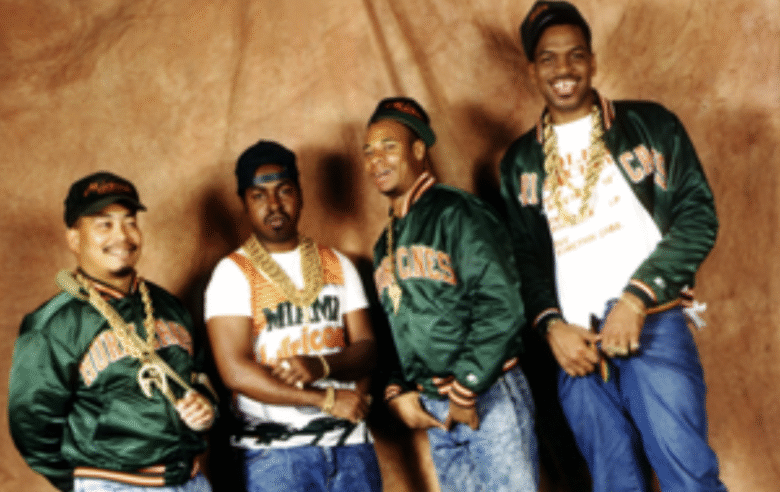
2 Live Crew’s Me So (expletive)
“Me So (expletive)” reached number one on the U.S. Billboard Hot Rap Tracks chart and number 26 on the U.S. Billboard Hot 100 in 1989. It started as a jokey, “intimately” charged party song, but following its release in 1989, it exploded into a national scandal that literally led to arrests. 2 Live Crew’s 1989 album As Nasty As They Wanna Be became the first album declared legally obscene.

Public Enemy’s Fight the Power
“Fight the Power” was originally conceived as part of the soundtrack for Spike Lee’s seminal film Do the Right Thing. The sound of Public Enemy’s 1989 song blared as face-masked protesters in Washington, D.C. broke into a spontaneous rendition of the electric slide dance near the White House. Public Enemy used sharp lyrics and intense production to challenge racism and injustice. “Fight The Power” became an anthem for resistance.
Ice-T’s Cop Killer
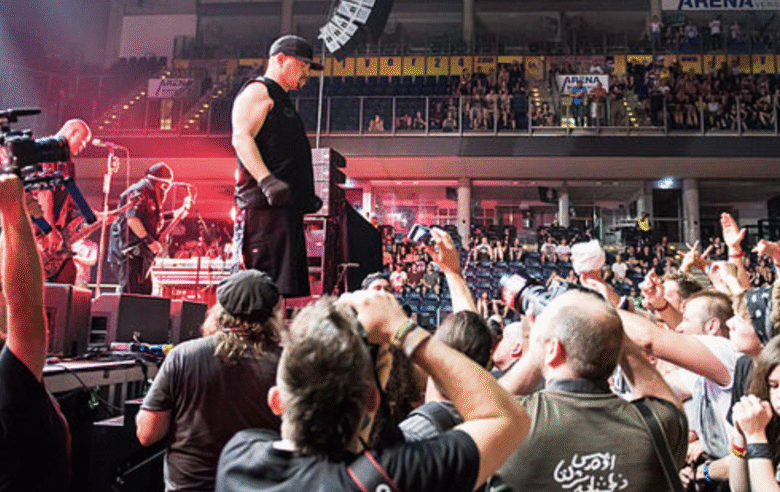
Fellow Los Angeles rapper Ice-T faced backlash after his metal band, Body Count, released “Cop Killer” in 1992. The song became huge, not in the last place because even President Bush Sr. spoke out against it, providing the best advertisement money can buy and making Ice-T one of Hip Hop’s first free-speech martyrs. While musically this song may not qualify as Hip Hop, Ice-T is Hip Hop.

Geto Boys’ Crooked Officer
In the Geto Boys’ “Crooked Officer” from 1993, the Houston rap group bears witness to racial profiling and police violence in the so-called Dirty South. Geto Boys’ response to police brutality took it a step further than N.W.A. did. The teasing chorus by Big Mike leaves no doubt about what the Geto Boys think would be a suitable reaction to racial profiling and police violence.

Slick Rick’s Children’s Story
One of the most sampled songs in hip hop history, “La Di Da Di” is known for Slick Rick’s storytelling and Doug E. Fresh’s beatboxing. Slick Rick emerges as a master storyteller whose ability to tell a succinct story with engaging detail makes an MC truly well-rounded. This was Rick’s solo debut with production from RUN-D.M.C.’s Jam Master Jay as well as the Bomb Squad.

Wrap up
Hip-hop artists have protested police violence in their music for decades. In the late 1980s and early 1990s, rappers from different corners of the United States described the brutal and discriminatory police tactics they witnessed in their communities.
Ask us! What questions do you have about content, strategy, pop culture, lifestyle, wellness, history or more? We may use your question in an upcoming article!
Related:
Like MediaFeed’s content? Be sure to follow us.
This article was syndicated by MediaFeed.org.