
11 everyday conveniences Boomers grew up without
Modern conveniences are most certainly generational. What grandchildren view as normal were nonexistent or not so widely used when Boomers were growing up. For Boomers, who grew up in a world without smartphones, social media, or even microwaves, those moments came thick and fast. The postwar decades were an era of relentless innovation, when everyday life suddenly felt futuristic.

Cell phones and instant communication
Imagine going through your day without texting, checking social media, or even having a cell phone. If you wanted to contact someone, you had to pick up a landline phone, wait for them to answer, and leave a message on an answering machine if they weren’t home. My parents never owned a cell phone. It was always a landline for them, with a rotary-dial device mounted to the wall. How did people live before there were cell phones? Well, there were these things called telephone booths. It cost a dime to place a call.
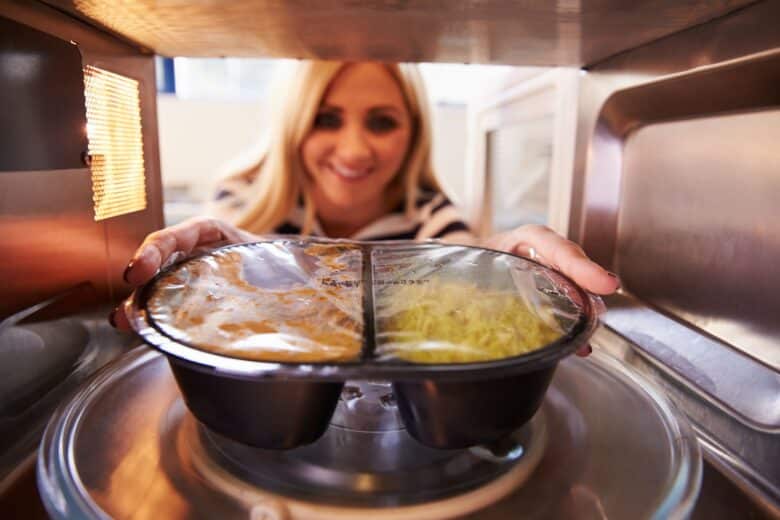
Microwave ovens revolutionized kitchens
If there’s one invention that perfectly captures the spirit of mid-century innovation, it’s the microwave. Imagine telling someone in 1955 that they could heat an entire meal in under two minutes, without fire, gas, or even turning on the oven. Despite their invention in 1945, microwave ovens weren’t part of the everyday American home until decades later. In the late 1970s, they were finally affordable enough that the average family could have one in their kitchen.

Internet access transformed everything
Take, for instance, life before the Internet in the mid-1990s. When we needed to do research, we went to a building called a public library and used something called an encyclopedia. Before the internet revolutionized how we access information, Baby Boomers lived in a world where knowledge wasn’t just a few clicks away. To find the location of books in the library, you went to a card catalog, a cabinet with small drawers that held printed cards showing book titles and shelf locations.
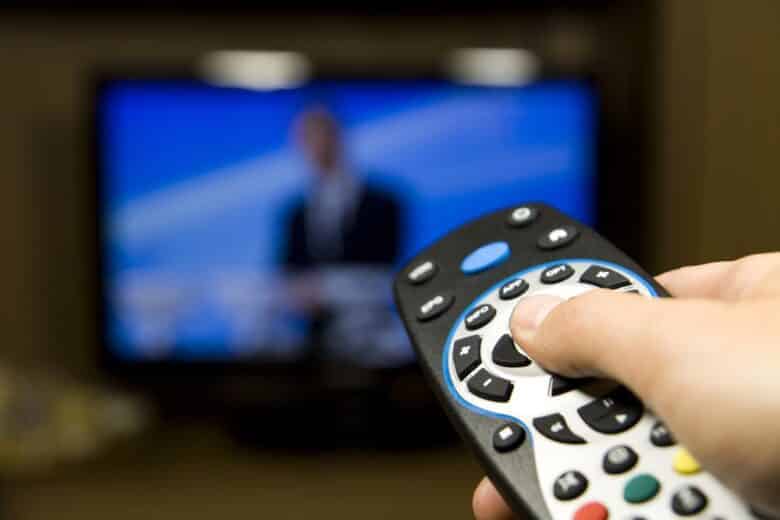
Remote controls changed television
Until recently, there were no services such as streaming or on-demand viewing. If you wanted to see a show, you had to be in front of the TV when the show was broadcast. That said, it didn’t take us very long to flip through those three TV channels in the 1950s while turning the dial on the TV set. That’s right, no remote. Boomers had to actually get up and walk to the television every time they wanted to change the channel.

GPS replaced folded maps
When baby boomers were growing up, going on a trip usually meant watching a parent trying to unfold a giant map in the car while the other parent insisted the destination had been overshot by only a couple of hundred miles. For purposes of safety, convenience, and simply geeking out on some really cool technology, boomers have embraced the use of GPS. Most new cars have the option of built-in GPS, which is also standard on cell phones and utilized by online mapping systems.

Central air conditioning was luxury
I grew up in Florida. The house I lived in as a child didn’t have central heat and air conditioning. Air conditioning was a later addition to my parents’ house. Likewise, our cars when I was a child didn’t have air conditioning. What many take for granted today was considered a luxury item that only the wealthy could afford in the 1950s and early 1960s.
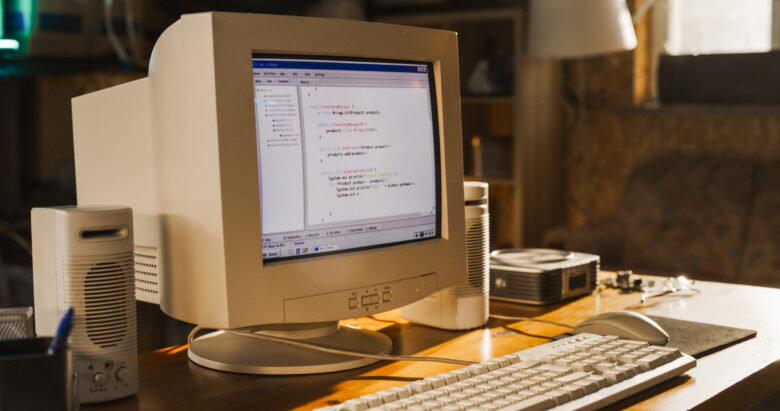
Personal computers weren’t personal
Homework was done on typewriters or by hand, and research for school projects meant a trip to the library to search through physical encyclopedias. The thought of using a computer to browse the web, shop online, or communicate with people across the globe would have been unfathomable to Boomers. Boomers learned to respect their belongings and stretch their value because wasting things simply wasn’t how most families lived.

ATMs and online banking
Cash was king, and banking meant physically going to the bank during business hours. There were no ATMs to withdraw money at midnight or mobile apps to deposit checks from your phone. If you needed cash on the weekend, you planned or you went without. The concept of checking your balance instantly on a smartphone would have seemed like science fiction.
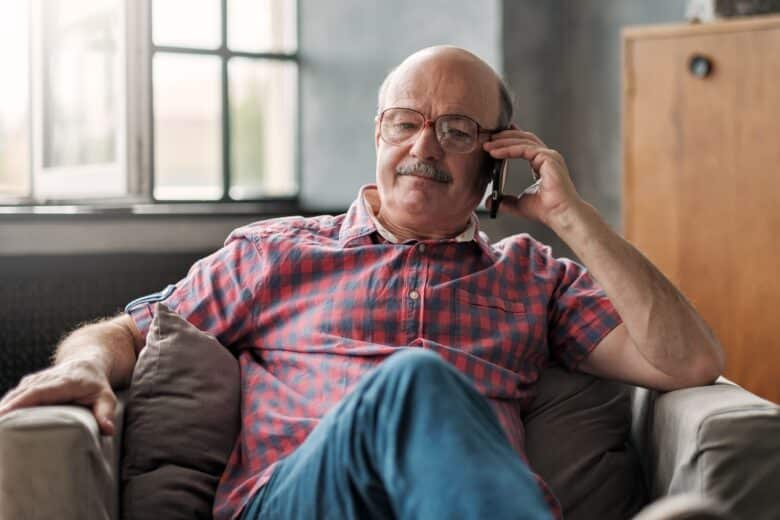
Cordless phones freed movement
The telephone has had a pretty amazing technological trajectory over the lifetime of a boomer. In earlier decades, phones came equipped with what effectively were leashes to make sure nobody strayed too far mid-conversation. The rise of the cordless phone extended the range to about the driveway before early cell phones empowered us to talk anywhere.
Social media connected generations
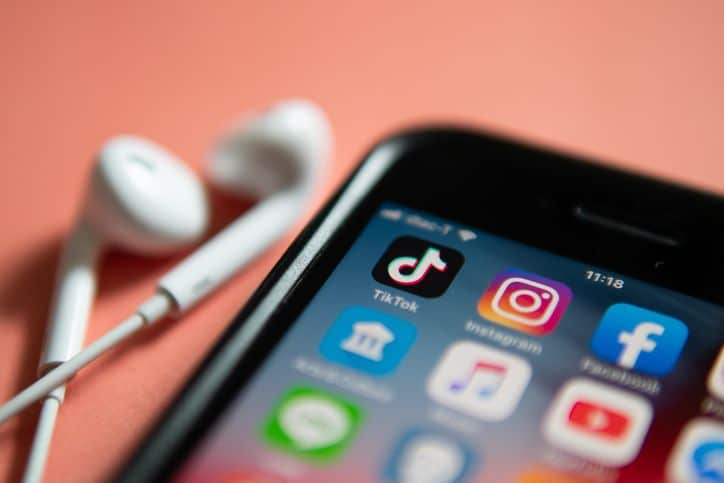
Baby boomers as a whole now represent the fastest-growing demographic on social networking sites. While social networking is now a normal part of the online experience, it took most of us a while to warm up to what initially seemed to be an invitation to privacy invasion. Social media has made it possible not only to almost instantly connect to friends but also to develop a widening ring of social contacts.

Wrap up
Boomers didn’t just witness innovation. They lived through it. They saw the world change from rotary phones and vinyl records to microwaves and PCs, all within a few short decades.
Ask us! What questions do you have about content, strategy, pop culture, lifestyle, wellness, history or more? We may use your question in an upcoming article!
Related:
- Nostalgic Gen X toys that’ll heal your inner child
- The ’60s parenting practices we now know were terrible for the kids’ brains
Like MediaFeed’s content? Be sure to follow us.
This article was syndicated by MediaFeed.org.