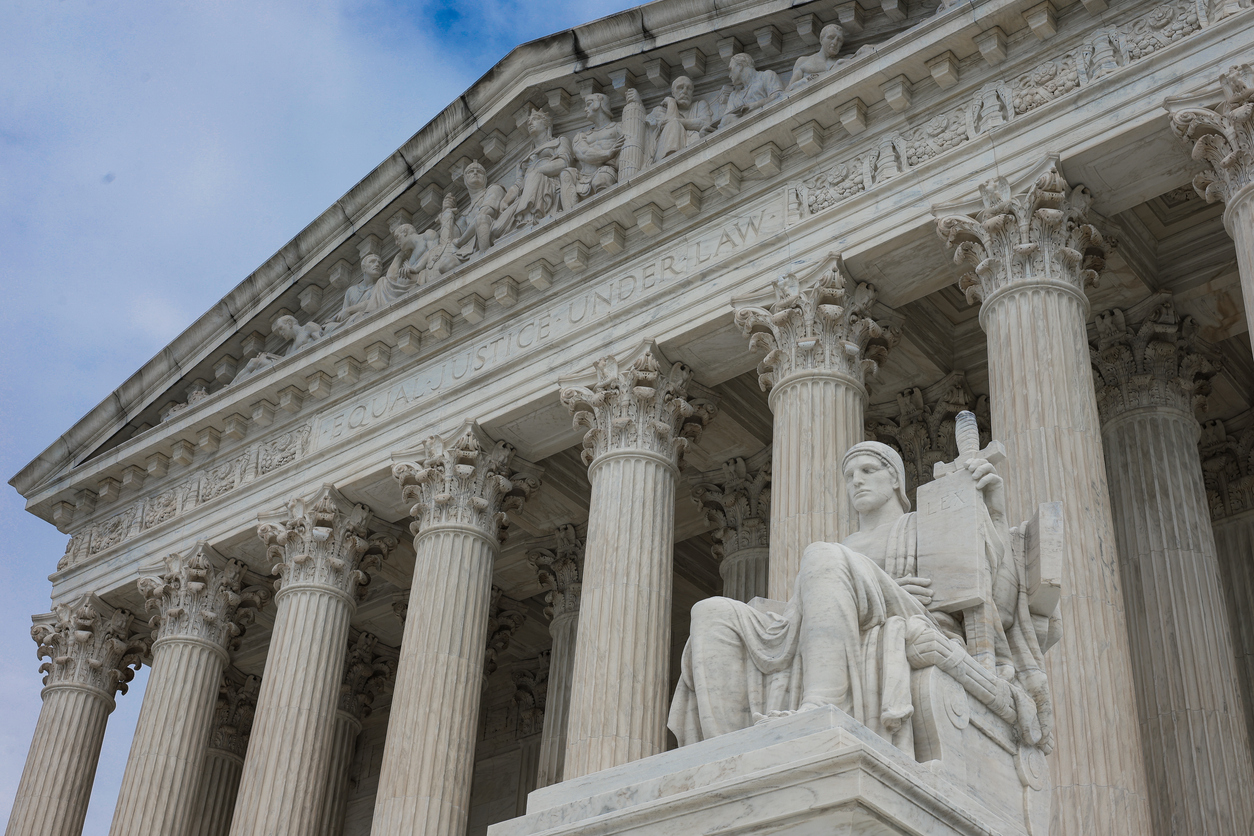
On February 24, 1988, the U.S. The Supreme Court made a decision in which the Court held that parodies of public figures, even those intending to cause emotional distress, are protected by the First and Fourteenth Amendments to the U.S. Constitution.
The case involved two men, Reverend Jerry Falwell and Larry Flynt. Falwell was a famous religious conservative and the founder of a political group called the Moral Majority. Flynt was the publisher of Hustler, an adult magazine.
The conflict began in 1983 when Hustler published a parody advertisement. The front cover of the magazine featured a parody of a well-known Campari liquor campaign. In the original ads, celebrities were interviewed about their first time drinking. Hustler’s spoof, however, used the name and image of Reverend Jerry Falwell, a famous televangelist and political figure, under the provocative headline: “Jerry Falwell talks about his first time.”
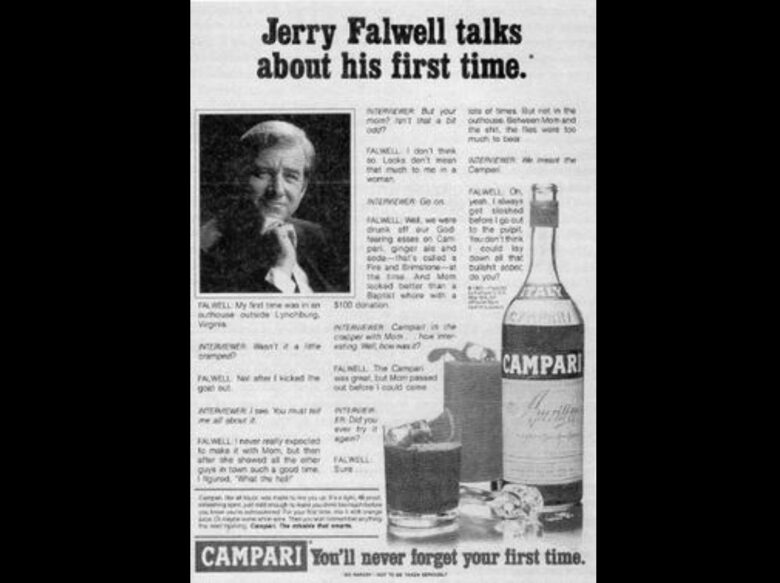
The phrase “first time” was given a graphic intimate twist. The fictional interview depicted Falwell claiming his first intimate experience was a drunken, incestuous encounter with his mother. To clarify that the piece was a joke, the magazine included a small disclaimer at the bottom of the page stating, “Ad parody—not to be taken seriously,” and listed the segment as “Fiction” in the table of contents.
Initially, Falwell won his case. A lower court awarded him a $200,000 settlement for the emotional distress caused by the parody. However, Larry Flynt did not back down. He appealed the decision, arguing that the First Amendment protected his right to publish the piece, even if it was in poor taste.
Eventually, the case reached the Supreme Court. The justices had to decide a difficult question: Does the Constitution protect speech that is intentionally offensive and causes emotional pain, especially when it targets a public figure?
On February 24, 1988, the Supreme Court delivered its verdict. In a rare 8-0 unanimous vote, the Court overturned the $200,000 settlement.
The justices ruled that while the Hustler parody was certainly offensive and in poor taste, it was still protected under the First Amendment. The Court explained that in a free society, public figures like Falwell must expect to be criticized or even parodied. If the government started punishing people for being offensive, it could lead to a bad situation where no one feels safe satirizing those in power.
The ruling in Hustler Magazine v. Falwell confirmed that the right to satirize and mock public figures is an important part of American democracy. It ensured that cartoonists, comedians, and writers can use humor and exaggeration to comment on public life without the fear of being sued into bankruptcy.
Ask us! What questions do you have about content, strategy, pop culture, lifestyle, wellness, history or more? We may use your question in an upcoming article!
Like MediaFeed’s content? Be sure to follow us.
This article was produced and syndicated by MediaFeed.