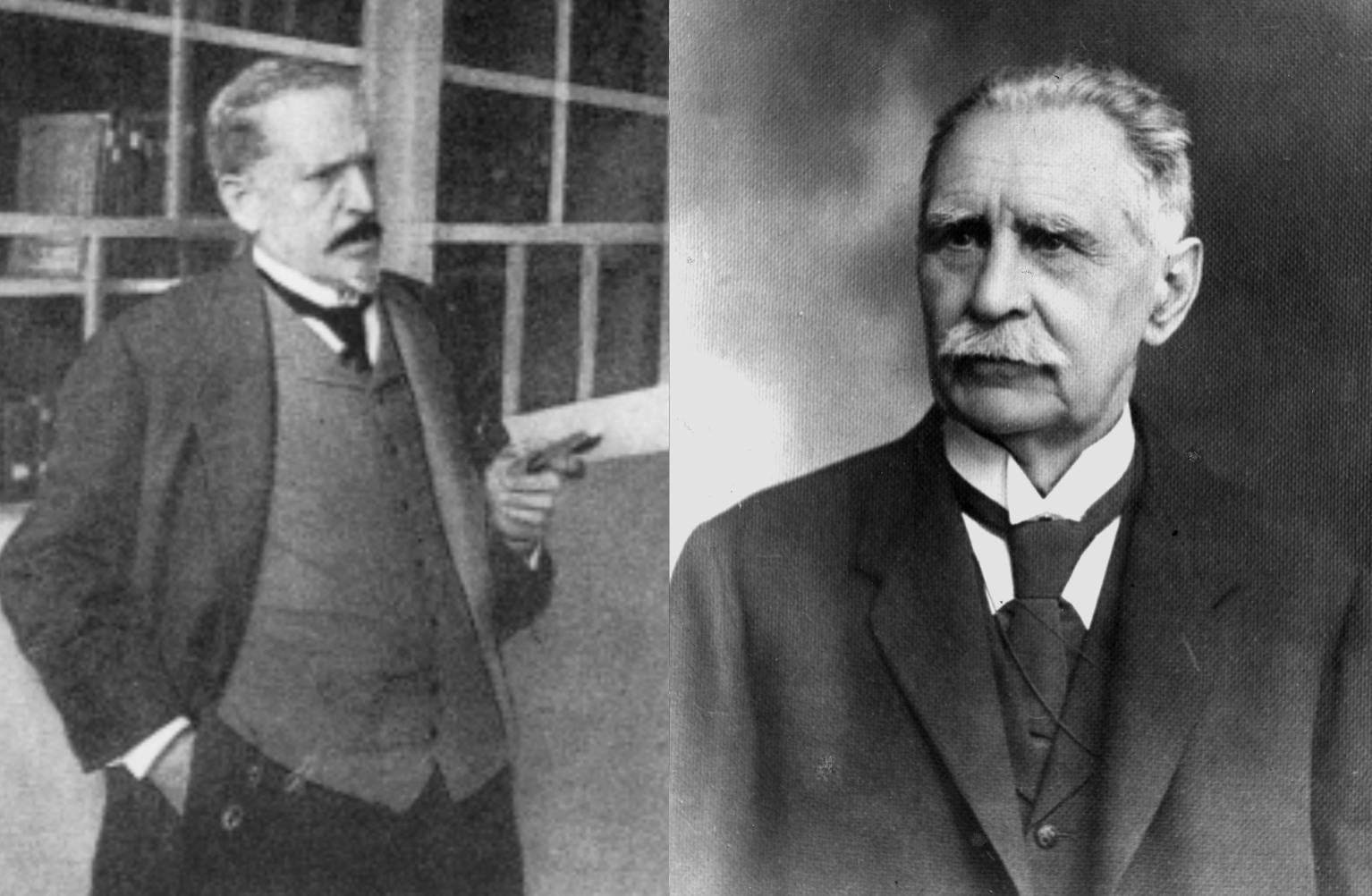
In the late 1800s inventors everywhere were trying to figure out how to make engines more reliable and efficient. One of the most important steps happened on February 13, 1893, as two Hungarian engineers named János Csonka and Donát Bánki were granted a patent for a device called the carburetor.
Csonka was a master mechanic and the the head of the Study Workshop of the Technical University of Budapes, while Bánki was a professor and engineer. They spent years working on internal combustion engines. At the time, early engines had many problems due to uneven mixing of gases , which meant they didn’t always run smoothly.
There is a famous story about how they came up with their idea. One day, Bánki saw a flower seller on the Inner Ring Road using a hand-held sprayer to mist flowers with water. He noticed how the sprayer turned liquid into a fine mist. He realized that if they could do the same thing with fuel, it would mix much better with air.
This led them to develop the nozzle-type carburetor. This device worked by using a small nozzle to spray fuel into a stream of air, which created the perfect mixture for the engine to burn, making the engine much more powerful and reliable. Their invention was first used for stationary engines, the machines that stayed in one place to power factories or pumps.
Csonka and Bánki were not the only ones working on this problem. Famous engineers like Wilhelm Maybach were also trying to create a better way to mix fuel. However, the Hungarian team was very fast, they filed their patent several months before Maybach filed his own, and they are officially recognized as the creators of the modern carburetor.
Following their success, János Csonka went on to design the first Hungarian car in 1905, which was used for mail delivery. While Donát Bánki continued to teach and invent, becoming one of Hungary’s most respected scientists.
Today, even though modern cars use fuel injection, the carburetor remains one of the most important inventions in mechanical history.
Ask us! What questions do you have about content, strategy, pop culture, lifestyle, wellness, history or more? We may use your question in an upcoming article!
Like MediaFeed’s content? Be sure to follow us.
This article was syndicated by MediaFeed.org.