This article was reviewed by Felix Gussone, MD.
Key Takeaways:
- Testosterone does more than drive puberty. It influences drive, mood, motivation, and aspects of overall energy. Produced mainly in the testes, this hormone supports energy, muscle growth, bone density, and red blood cell production.
- Low testosterone can lead to symptoms like fatigue, weight gain, low libido, and mood changes, but testing can help you ascertain if your levels are outside the normal range.
- Treatments like testosterone replacement therapy (TRT) or clomiphene or enclomiphene citrate may help restore balance and improve function.
Testosterone is more than just the hormone that puts hair on your chest and makes your voice crack during puberty. It’s also instrumental in fueling your motivation, your confidence, and your drive to take on challenges.
In this guide, we’ll look at what testosterone means in daily life, physically, emotionally, and socially.
Testosterone and Physical Expression
How Is Testosterone Made?
Testosterone is the body’s primary male hormone, or androgen. It’s synthesized from cholesterol and produced mainly in the testes, with smaller amounts coming from the adrenal glands (and the ovaries in women).
Production relies on a steady line of communication between your brain and the testes. First, the hypothalamus produces and secretes gonadotropin-releasing hormone (GnRH), which sends a signal to the pituitary gland, a tiny pea-sized endocrine gland in the brain. The pituitary releases luteinizing hormone (LH) and follicle-stimulating hormone (FSH) in response, which prompts the testes to amp up testosterone and sperm production.
Together, these systems regulate the amount of testosterone in your body, influencing everything from energy and drive to muscle development and mood.
What Testosterone Does for Men’s Bodies
Testosterone gets a lot of fanfare for its role in puberty. During adolescence, there’s a 30-fold increase in testosterone production, driving several physical and psychological changes, including the growth and development of the privates, an increase in bone density and muscle mass, body hair growth, the deepening of the voice, mood changes, sperm production, and more.
Hitting its peak in early adulthood, normal testosterone levels in men usually range from about 300 to 1,000 nanograms per deciliter (ng/dL). If levels fall below that range consistently, you might notice physical changes, like weight gain, reduced muscle mass and muscle strength, and lower bone density, which can increase the risk of osteoporosis.
Testosterone also helps regulate red blood cell production, which supports oxygen delivery and endurance. During puberty, rising testosterone levels in boys trigger a sharp increase in hemoglobin, the oxygen-carrying component of red blood cells, helping explain why men generally have higher red blood cell counts than women.
How Testosterone Impacts Function
What do morning wood, your libido, and sperm production have in common? They’re all influenced by testosterone in one way or another.
Testosterone plays a central role in libido and contributes to normal arousal function, though arousal themselves primarily depend on vascular and nerve pathways. Therefore, if you have low testosterone levels, you may experience common symptoms like low libido, ED, reduced spontaneous arousal, and DE.
Men who have a confirmed diagnosis of testosterone deficiency (hypogonadism) may be advised to explore testosterone treatments like testosterone replacement therapy (TRT) or enclomiphene citrate under the guidance of a healthcare provider to help restore normal testosterone levels and function. Enclomiphene is currently not FDA-approved.
Studies have found TRT to be most effective for mild forms of ED in men with low testosterone, while combined therapy with other medications (like PDE-5 inhibitors) is often needed when ED is driven by more significant vascular problems.
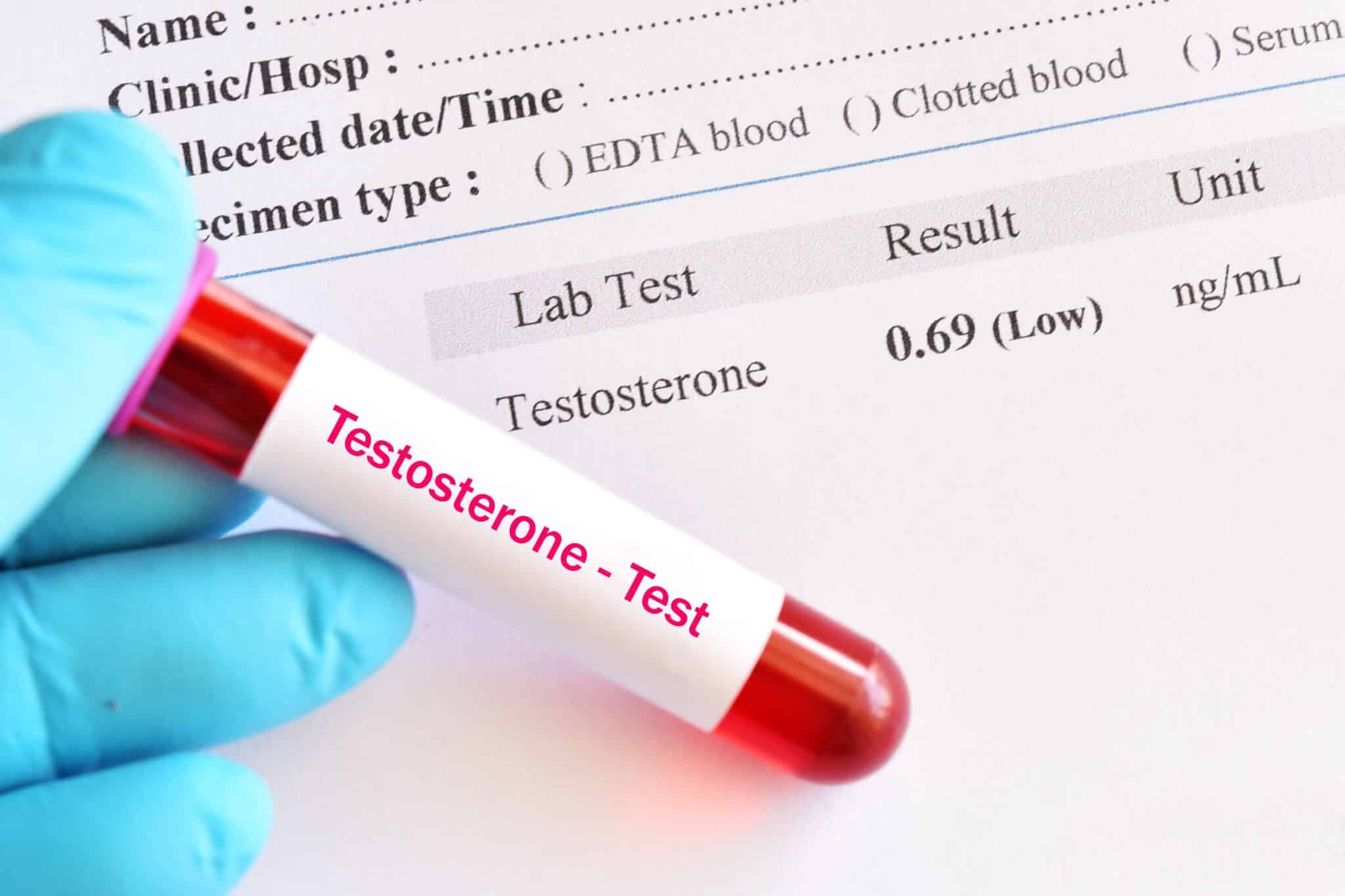
If you’re noticing symptoms of low testosterone, like low libido or ED, the best way to find out if your levels are too low is to take a testosterone blood test and work with a healthcare provider to see if medication can help you feel like yourself again.
How Testosterone Fuels Competition
Testosterone is often linked to aggression, but there’s little evidence that normal variations in testosterone levels cause aggressive behavior. Men who misuse anabolic steroids, taking extremely high and unsafe doses of testosterone, may become more aggressive. However, naturally high testosterone levels and TRT don’t show the same pattern.
Studies show that testosterone can influence drive and determination, especially when it comes to status and competition, though its effects often depend on stress levels and social context.
Higher testosterone levels have also been linked to risk-taking and dominance, but mainly when cortisol levels are low. When cortisol is high, testosterone’s effects appear blunted, suggesting that stress may shift behavior from status-seeking to status-protecting.
How Testosterone Impacts Mood
Testosterone doesn’t just regulate what you see on the outside. Research shows that healthy testosterone levels are associated with emotional well-being and may influence mood, motivation, confidence, and stress response. Low testosterone is often associated with depressive symptoms such as fatigue, listlessness, low motivation, and even hopelessness.
The hormone also appears to shape anxiety and stress resilience. Healthy testosterone levels have been associated with greater calmness and confidence, while very low levels may contribute to increased worry or anxiety in some men.
TRT in older men with low levels has also been shown to improve mood and overall quality of life, reinforcing that balanced testosterone is key for emotional well-being, not just physical health.
What Testosterone Means for Men’s Health
Testosterone does far more than shape physical traits. This powerful hormone influences energy, focus, motivation, and confidence. Low levels of testosterone, which can result from aging, medical conditions, or lifestyle habits, can make you feel off in more ways than you might think, affecting your body, mood, libido, and overall vitality.
While balanced testosterone supports overall well-being, more isn’t always better. Extremely high testosterone – especially from anabolic steroid misuse or unsupervised TRT — can cause side effects like gynecomastia (enlarged breast tissue), acne, fluid retention, infertility, high red blood cell counts (which may increase blood clot risk), and injection-site infections. Some studies also suggest a possible increase in cardiovascular risks in certain men.
The best way to keep your hormones in check without medication? A healthy lifestyle that includes regular exercise, quality sleep, balanced nutrition, and managing weight, cholesterol, and blood pressure. Find even more ways to increase testosterone naturally.
If you’re concerned about your levels, a simple blood test can help you and your healthcare provider decide if treatment makes sense.
FAQs
What causes low testosterone levels?
Low testosterone can result from several factors, including genetics (such as Klinefelter syndrome), aging, or medical conditions that affect hormone production. This condition, known as hypogonadism, can also occur after injury or illness that impacts the testes or the brain regions that regulate hormones.
How is testosterone measured?
A blood test is used to measure total testosterone levels, usually reported in nanograms per deciliter (ng/dL). Your provider may also check hormone-binding globulin (SHBG), which affects how much “free” testosterone is available in your body. Testing is often done in the morning, when testosterone levels are highest.
Is testosterone therapy FDA-approved?
Yes. The FDA has approved several forms of TRT, including injections, gels, patches, and oral formulations, for men diagnosed with low testosterone. Like all hormone therapy, TRT should only be used under medical supervision, as it may carry side effects such as acne, fluid retention, or reduced fertility.
What are the risks of too much testosterone?
Excess testosterone — especially from anabolic steroid abuse or unsupervised high-dose supplementation — has been linked to an increased risk of cardiovascular problems, liver issues, and mood changes like aggression and irritability. Working with a provider to monitor the effects of testosterone therapy helps to ensure testosterone levels stay within a healthy range.
Can lifestyle affect testosterone levels?
Yes, a healthy lifestyle can help maintain hormone balance. Regular exercise, quality sleep, stress management, and a nutrient-rich diet can all support natural testosterone production. On the other hand, weight gain, high cholesterol, poor diet, or chronic stress can lead to lower testosterone levels over time.
Related:
Like MediaFeed’s content? Be sure to follow us.
This article originally appeared on ForHers.com and was syndicated by MediaFeed.org.