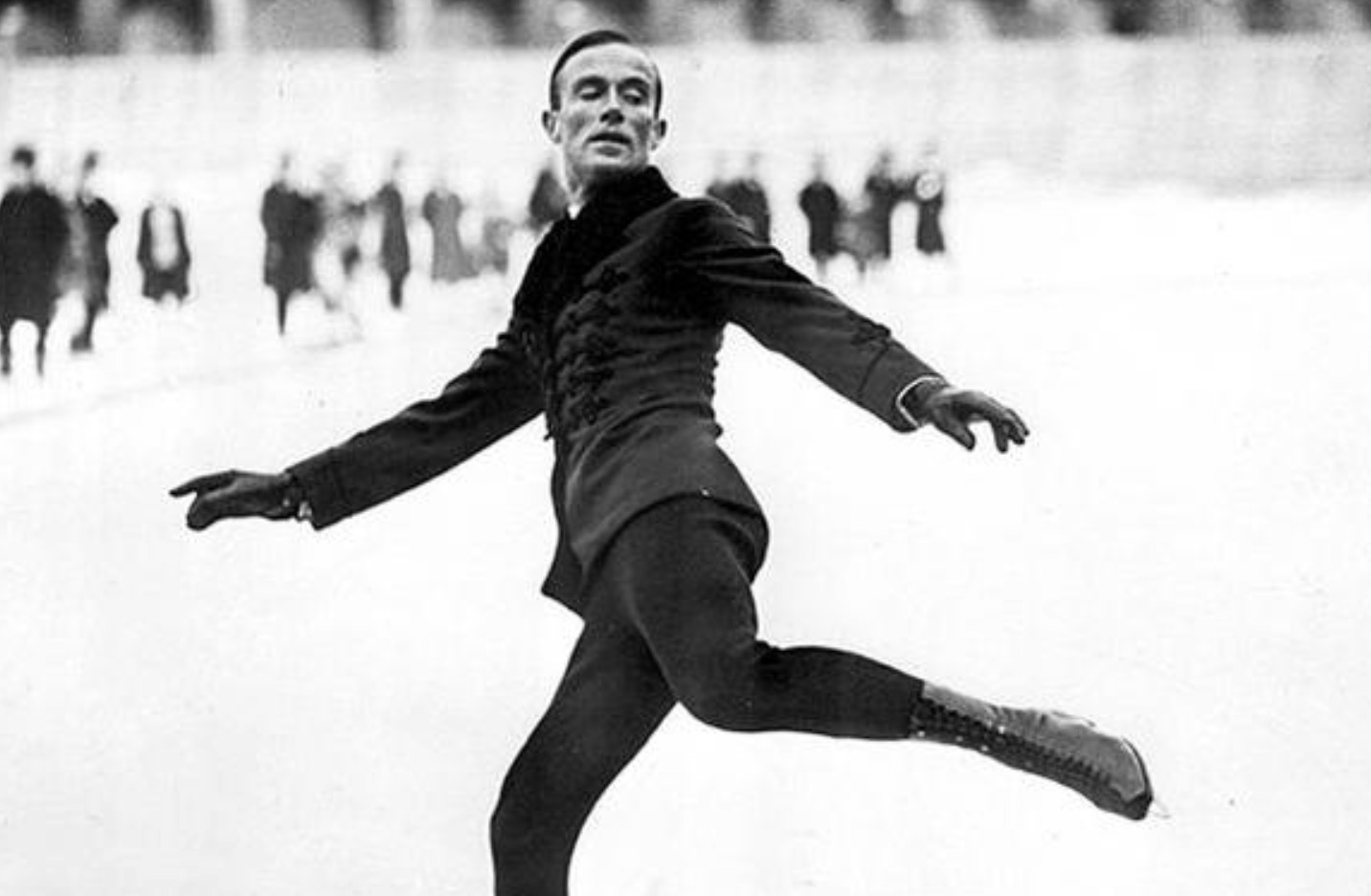
On January 25, 1924, The first Winter Olympics took place in the French Alps at Chamonix. While it was initially organized to correspond with the 1924 Summer Olympics in Paris, this event was a great success, attracting around 10,000 spectators, and later the International Olympic Committee (IOC) named it asthe First Olympic Winter Games.
The popularity of previous Winter Sports Weeks hosted by France in 1908 and 1912 helped pave the way for the 1924 event. Eventually, sixteen nations gathered to compete in sixteen events across six sports.
Scandinavian athletes dominated the slopes and rinks. Norway won 17 medals. Norwegian Thorleif Haug was the Games’ biggest star, earning three gold medals in cross-country skiing and the combined event, as well as a bronze in ski jumping.
American speed skater Charles Jewtraw shocked the field by winning the 500-meter race, defeating the Finnish skater Clas Thunberg. This remained the only gold medal for the United States, which finished third overall in the standings.
While the athlete pool was overwhelmingly male, 13 women competed in figure skating, with Austrian skaters dominating the podium.
Historic Performances
Two of the most legendary performances came from ice hockey and figure skating. The Canadian ice hockey team won every single game and outscored their opponents. Meanwhile, Swedish figure skater Gillis Grafström originated several spins like the flying sit spin and the Grafström spin, a variation of the camel spin leading him to win the gold medal.
The Games also featured 11-year-old Norwegian figure skater Sonja Henie, who went on to become one of the most famous Olympians and Hollywood stars in history.
The legacy of Chamonix is perhaps best captured by a story of sportsmanship that lasted fifty years. In 1974, a calculation error was discovered in the 1924 ski jumping results. It revealed that American Anders Haugen had actually finished third, not fourth. At age 83, Haugen was invited to Norway, where the widow of the original bronze medalist, Thorleif Haug, personally presented him with the medal.
The success of the 1924 Games inspired nations worldwide to build winter sports facilities, leading to an 84 percent increase in participants by the 1928 Games in St. Moritz. What began as a sports week in France had successfully established the Winter Olympics as a permanent and beloved event of the sporting world.
Related:
- 9 movies that’ll make you ugly cry—and why that’s actually good for you
- The ’40s parenting practices we now know were terrible for kids’ brains
Like MediaFeed’s content? Be sure to follow us.
This article was produced and syndicated by MediaFeed.us.