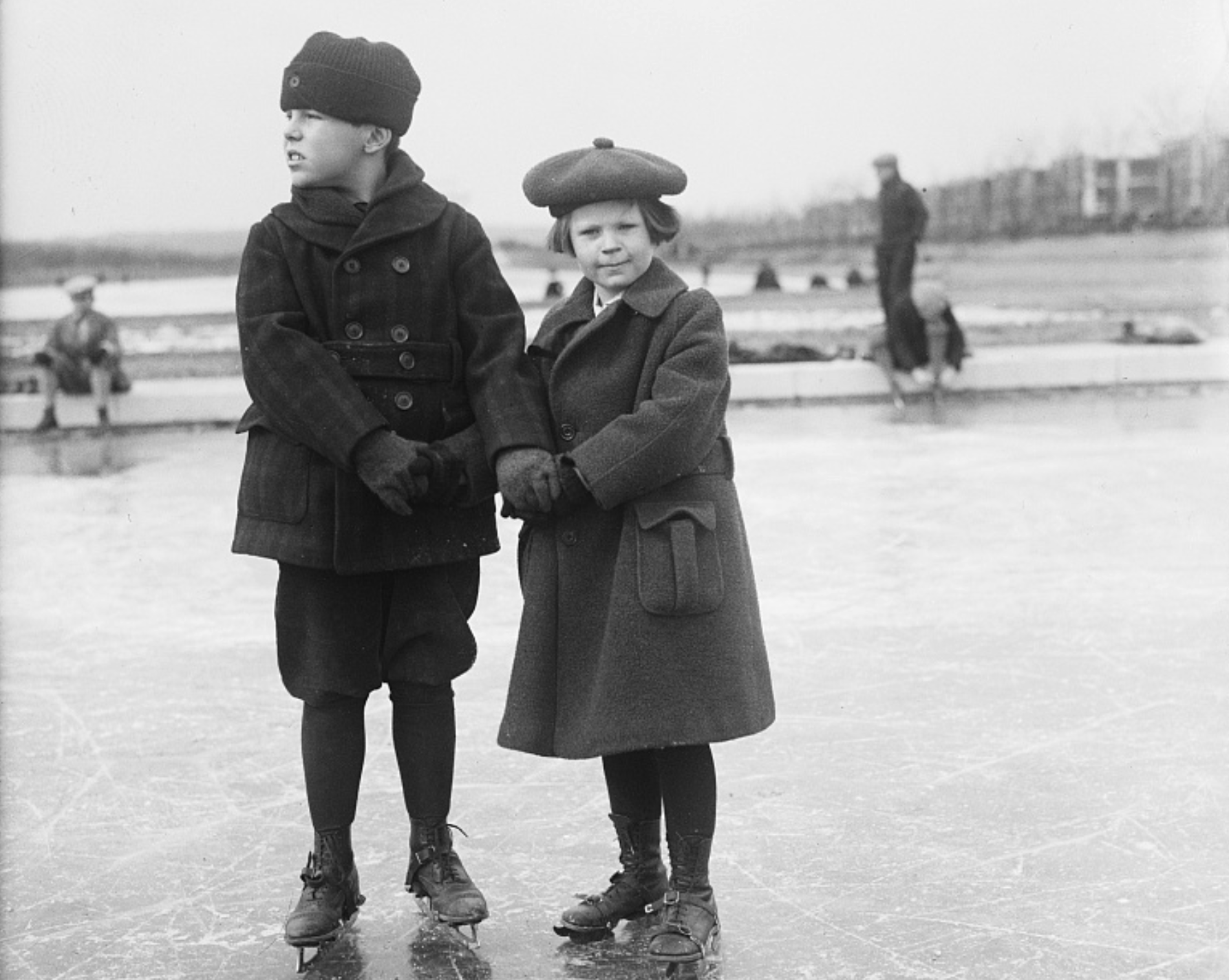
1940s Parenting Practices We Now Know Were Terrible for Kids’ Brains
Parents in the 1940s were doing what they believed was right. Advice from doctors, schoolteachers, and government pamphlets stressed discipline, respect for elders, and strict routines. The experiences of the Great Depression and World War II shaped a generation that valued toughness and self-sufficiency. Modern neuroscience, however, shows that many of those well-intentioned habits clashed with the way young brains actually grow.

Rules before relationships
Family life revolved around structure. Children were expected to follow orders without question, speak only when invited, and show constant deference to adults. Such firmness created orderly homes, yet it also reduced the everyday conversation that builds language and confidence. Today researchers know that back-and-forth talk with caring adults strengthens neural pathways tied to learning and emotional security. Silence may have looked like good manners, but it often limited development.

Responsibility beyond readiness
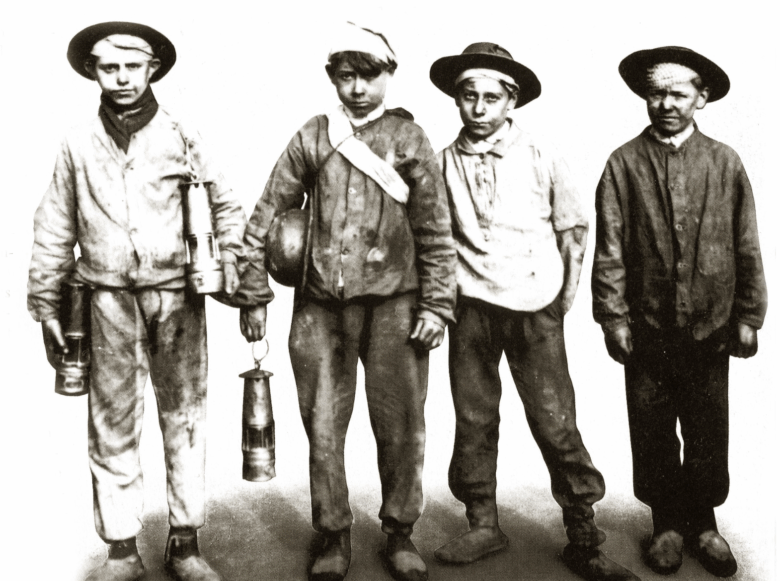
Chores were a central part of childhood. Sweeping floors, helping with laundry, or caring for younger siblings gave children a sense of purpose, especially while many fathers were away at war and mothers entered the workforce. These duties could teach competence, yet they also placed adult burdens on immature nervous systems. When expectations exceeded a child’s capacity, stress hormones rose and the message learned was that love depended on performance.

Affection with conditions
Early in the decade, remnants of older advice warned parents not to hug or kiss too much. The belief was that tenderness produced weak character. By the late 1940s Dr. Benjamin Spock began to challenge that idea in his influential book, encouraging warm, loving care and trust in parental instincts. Even Spock, however, promoted firm limits and scheduled feeding rather than feeding on demand. Neuroscience now confirms that consistent affection and flexible responses help infants build secure attachment and healthy stress regulation.

Play as a solitary job
Play was considered the work of childhood, but adults rarely joined in. Children spent long hours with neighborhood friends, inventing games without supervision. Independent play nurtured creativity, yet the lack of adult involvement meant fewer chances for guided problem solving and emotional coaching. Modern approaches balance free exploration with supportive participation from parents.

Feeding and routines by the clock
Babies were commonly fed on rigid timetables and introduced to solid foods early. These practices were meant to create orderly households, but they ignored natural hunger cues. Current research shows that cue-based feeding strengthens trust and helps the brain connect bodily needs with reliable comfort.

Spanking as everyday discipline
Physical punishment was widely accepted as necessary for building character. Fear could stop behavior quickly, but studies now link frequent spanking to higher rates of aggression, anxiety, and difficulty with attention. Brains learn best from calm guidance rather than threat.

Gender boxes and limited choices
Boys were pushed toward toughness and competition, while girls were praised for quiet helpfulness around the house. These narrow expectations shaped the kinds of toys children received and the skills they practiced. Scientists now understand that creativity, empathy, and problem solving flourish when children explore a full range of interests.
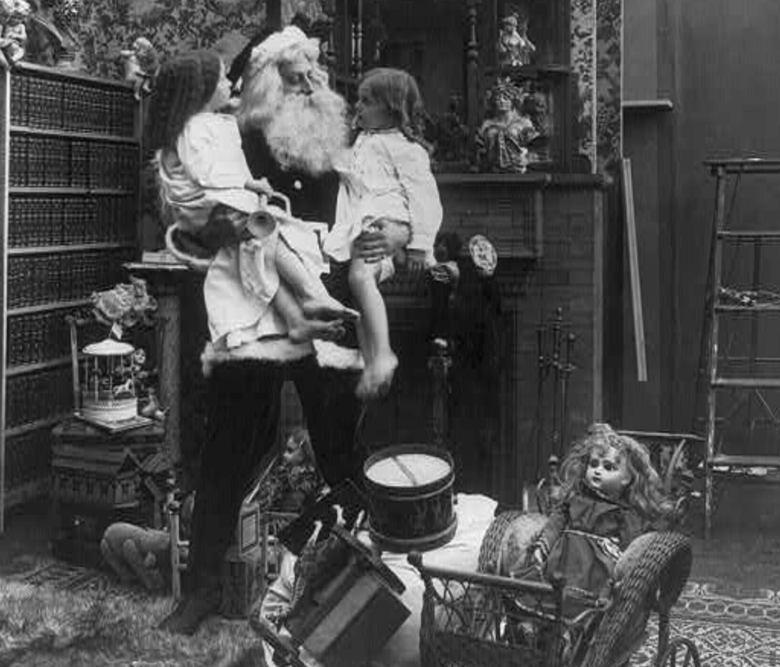
Wartime childhoods
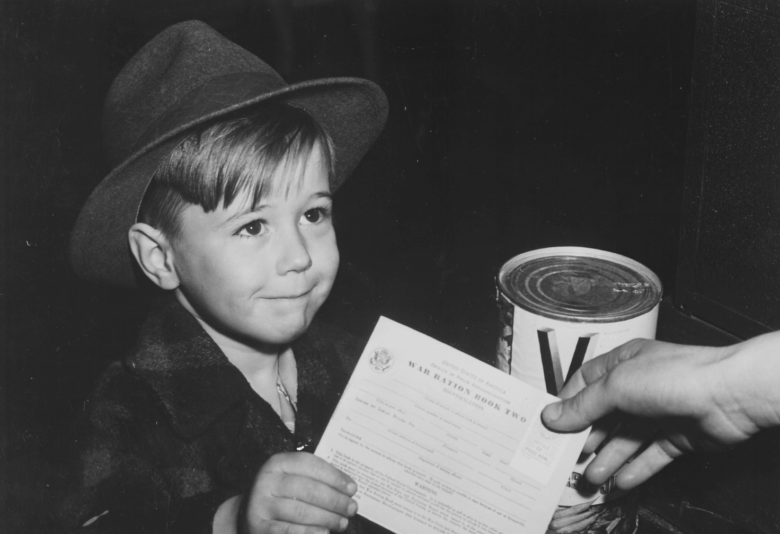
With fathers overseas and communities worried about the future, many children absorbed adult anxiety without explanation. Adults believed shielding youngsters meant saying little. Modern psychology shows that children sense tension even when it is unspoken, and reassurance is essential to keep the developing threat system from staying on high alert.
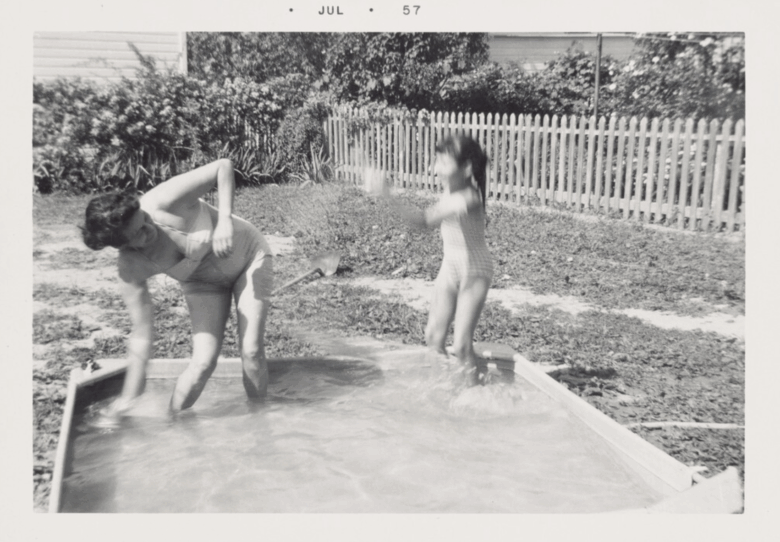
Smoke in the living room
Cigarettes were part of daily life, present at the dinner table and in cars. Only decades later did researchers connect secondhand smoke with problems in attention, breathing, and learning. The developing brain proved far more vulnerable to toxins than anyone imagined.
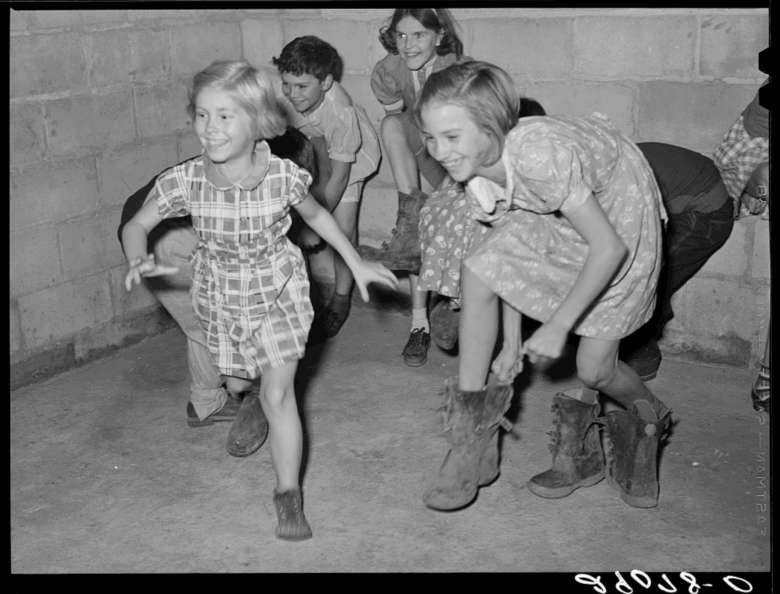
Misunderstood differences
Restless or struggling students were labeled lazy rather than recognized as having dyslexia or attention disorders. Left-handed children were often forced to switch hands, creating confusion and shame. Support that is common today was almost nonexistent.
Toilet training before its time
Many parents began training in the first months of life, using strict schedules and embarrassment to hurry the process. Experts now agree that readiness varies and that pressure can create long-lasting anxiety around control and bodily awareness.
Separation at birth
Hospital routines frequently kept newborns in nurseries while mothers recovered elsewhere. Breastfeeding was secondary to order and efficiency. Research now highlights how early skin-to-skin contact shapes bonding and the infant stress system.
The mothers and fathers of the 1940s loved their children deeply and followed the best guidance available. Their focus on responsibility and structure produced resilient adults, yet science has revealed the hidden costs of emotional distance and rigid control. Today we know that healthy brains grow through conversation, comfort, flexible routines, and respect for individual needs. The lessons of that era remind modern parents that connection, not toughness alone, is the strongest foundation for a child’s future.
Like MediaFeed’s content? Be sure to follow us.
This article was syndicated by MediaFeed.org.