Key Takeaways:
- Natural appetite suppressants include fenugreek, glucomannan, coffee, green tea, and foods high in fiber, protein, and water.
- These natural appetite suppressants work best when combined with eating whole foods and doing more physical activity.
- Always speak to your healthcare provider before taking a new supplement to make sure it’s safe for you.
Natural appetite suppressants include certain foods, ingredients, and dietary supplements that might help you feel fuller longer, thus keeping your appetite in check and potentially preventing overeating.
Below, we explore natural appetite suppressants and guide you on incorporating more of them into your diet.
Just remember that it’s important to talk to your healthcare provider before starting any weight loss supplements or appetite suppressants.
This article was reviewed by Lynn Marie Morski, MD, JD.

1. High-Fiber Foods
What it is: Fiber is a nutrient found in fruits, veggies, whole grains, and supplements. There are two categories of dietary fiber: soluble and insoluble fiber.
How it works: While both types of fiber offer health benefits, soluble fiber is particularly great for appetite suppression because it slows down digestion, prolonging feelings of fullness.
Soluble fiber also helps improve insulin sensitivity and stabilize blood sugar levels, reducing cravings for sugary or high-calorie foods.
And research shows soluble fiber might promote feelings of fullness (satiety) by slowing down digestion.
Evidence: A fairly large body of research, including several randomized controlled trials, has linked eating more fiber to reduced calorie intake and body weight along with increased satiation and reduced hunger.
And a study that included people eating a calorie-restricted diet found that those taking in more fiber were more likely to stick with their diet and lose weight.
How to use: Eat plenty of high-fiber foods, such as:
- Legumes, like beans, lentils, and peas
- Nuts and seeds
- Fruits, like raspberries, strawberries, and apples
- Complex carbohydrates, like starchy veggies, brown rice, and quinoa
You can also consider a fiber supplement if you can’t get enough fiber from foods. A 2017 review of studies found that fiber supplementation led to weight loss and body fat loss in people with overweight and obesity. Just make sure to talk to your provider first before starting any new supplement.
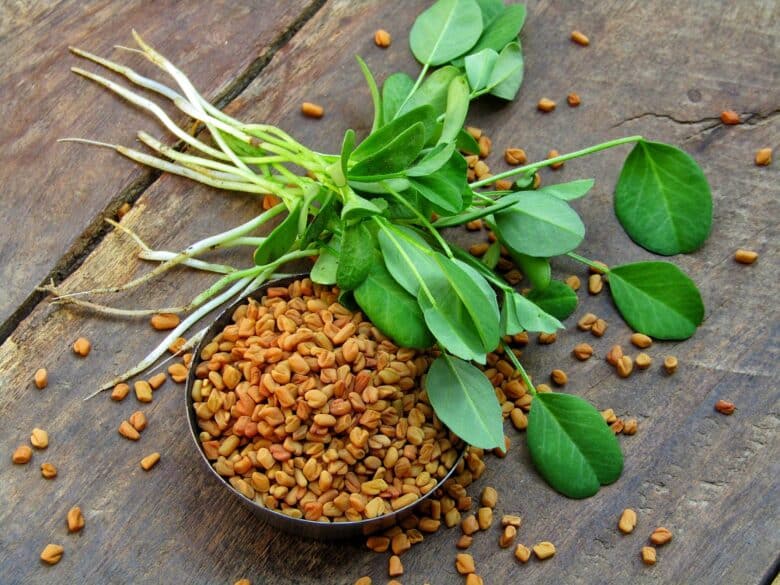
2. Fenugreek
What it is: Fenugreek is an herb with a maple syrup-like taste that has fiber-dense seeds.
How it works: Fenugreek may reduce hunger and increase feelings of fullness, potentially through its fiber content.
Research suggests fenugreek may particularly benefit people with type 2 diabetes as it can stabilize blood sugar levels. It might improve cholesterol levels, too.
Evidence: In a small study, participants with type 2 diabetes who consumed 5 grams of fenugreek powder twice daily before meals for two months showed reduced waist circumference and body mass index (BMI).
Fenugreek supplements can also lead to eating less fat.
Athletes often use fenugreek to enhance muscle performance, but more research is needed to understand how it works and its long-term effects.
How to use: You can cook with fenugreek or get it in supplement form; it’s often marketed as an herbal appetite suppressant. Some research suggests taking up to 8 grams of fenugreek per day for appetite suppression in people with obesity.
Thus far, fenugreek hasn’t been associated with any severe side effects, although some people report gastrointestinal issues.

3. Glucomannan
What it is: Glucomannan is a water-soluble dietary fiber that’s derived from the roots of Konjac plants. These root veggies are also known as elephant yams and devil’s tongues.
How it works: Like other soluble fibers, glucomannan sits in your stomach longer than other foods. This may make you feel fuller, helping you practice portion control and avoid overeating.
Evidence: A 2024 randomized controlled trial including 112 people with obesity found that taking a glucomannan supplement for 180 days effectively promoted weight loss and improved body composition, although the supplement was also linked to gastrointestinal side effects such as gas, diarrhea, constipation, and abdominal discomfort.
How to use: You can find glucomannan in supplement form, sometimes marketed as a weight loss supplement. The Office of Dietary Supplements notes there are few safety concerns with taking up to 15.1 grams per day of glucomannan for several weeks, but it notes that tablet forms may pose a choking hazard.

4. Protein-rich Foods
What is it: Protein is a key nutrient found in foods like meat, fish, eggs, and tofu.
How it works: Protein helps you build and maintain muscle mass, and it can also keep you feeling fuller for longer. This is partly because protein digestion takes longer than other nutrients and helps regulate blood sugar levels.
High-protein diets may also affect your hunger hormones, making you feel fuller.
Evidence: Research shows that a high-protein diet can promote weight loss and help you avoid weight regain.
A small study found that people who ate a high-protein breakfast had fewer food cravings later in the day than those who ate a normal-protein breakfast.
And another small study found that consuming casein or pea protein before meals led to more fullness and eating less at that meal.
How to use: Add a protein source to every meal and snack. Go for lean proteins like:
- Chicken
- Turkey
- Beef (lean cuts, with visible fat trimmed off)
- Pork (with visible fat trimmed off)
- Fish (salmon, snapper, cod, etc.)
- Eggs
- Tofu
You can also use protein powder, bars, and shakes to top up your intake.
How much protein is right for you depends on a variety of factors. For guidance, consider working with a registered dietitian.

5. Water (and Foods With High Water Content)
What is it: Water is a natural appetite suppressant, as are foods high in water, like soups and some fruits and veggies.
How it works: Water can fill you up physically, and it may affect hunger hormones, including leptin, a hormone that suppresses appetite.
Your brain can mistake hunger for thirst, so staying hydrated avoids confusing hunger signals, too.
Evidence: One study asked 50 women with overweight to drink about a bottle of water 30 minutes before meals. The women reported a lower appetite. They also had a reduced body weight after eight weeks.
How to use: Try drinking a glass of water before meals and keeping a reusable water bottle with you all day to sip from.
Besides drinking enough water, eat more foods high in water content or put them in smoothies. Some examples include:
- Soup
- Watermelon
- Strawberries
- Grapefruit
- Cantaloupe
- Lettuce
- Cabbage
- Celery
- Spinach
- Cucumbers

6. Coffee
What is it: Coffee comes in the form of the beloved beverage, but you can also get caffeine supplements.
How it works: Coffee might reduce your appetite by affecting hunger hormones and slowing gastric emptying — how long food sits in your stomach before being fully digested. But more research is needed to know for sure.
Evidence: Some studies show that drinking coffee 30 minutes to four hours before a meal might lead to reduced energy intake, or eating fewer calories.
How to use: Drink coffee. Just not too much.
The Food and Drug Administration (FDA) recommends limiting caffeine to no more than about four or five cups of coffee a day.

7. Green Tea
What is it: Green tea comes in the form of the hot beverage, but you can also get green tea extract supplements.
How it works: Green tea contains two potentially beneficial properties: caffeine and catechins, a type of antioxidant.
Epigallocatechin gallate (EGCG), the type of catechin in green tea, has been linked to reduced inflammation. EGCG is also naturally found in some other teas, dark chocolate, and certain nuts.
Research shows EGCG supplements can delay gastric emptying in healthy women, aiding appetite suppression. Green tea might also lower the hunger hormone ghrelin.
Beyond appetite suppression, green tea might support gut health by fostering the growth of healthy gut bacteria and inhibiting the growth of unhealthy microbes.
Evidence: In one clinical trial, women with abdominal obesity — obesity around the middle of the body — who took green tea supplements for 12 weeks lost an average of nearly 2.5 pounds, lowered their cholesterol, and reduced their levels of ghrelin.
How to use: Enjoy green tea daily or look into supplements if your provider says they’re suitable for you. by fostering the growth of healthy gut bacteria and inhibiting the growth of unhealthy microbes.
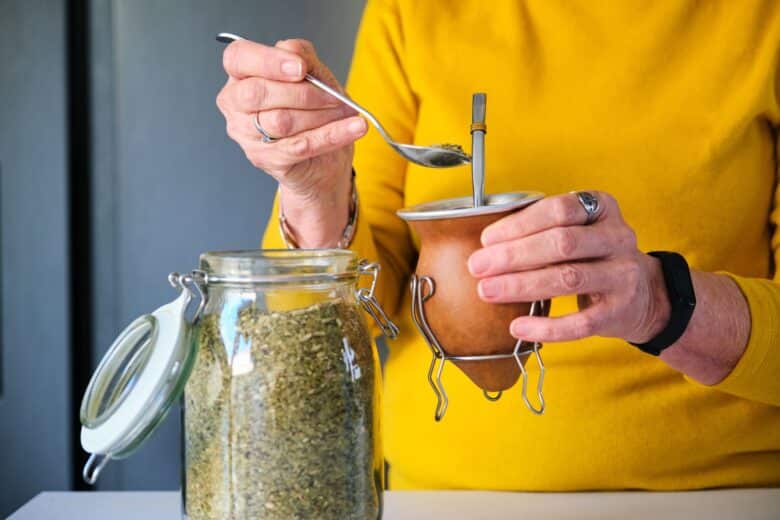
8. Yerba Mate
What is it: You’ve likely heard of — or enjoyed a cup of — yerba maté tea. Like green tea, it comes from dried tree leaves you steep in water and enjoy as a beverage. However, it contains much more caffeine than green tea.
How it works: Yerba maté contains caffeine and polyphenols like chlorogenic acid, which has been linked to improved weight loss and glucose tolerance — your ability to process sugar. It might also affect your appetite.
Evidence: One study found yerba maté supplements led to lower fat mass, body fat percentage, and waist-to-hip ratio in people with obesity.
Another study found that consuming yerba maté before exercise might also enhance workout performance and reduce appetite during exercise.
How to use: Enjoy yerba maté, but watch out for the caffeine content and consuming too much too close to bedtime, as this could affect your sleep.

9. Spicy Peppers
What is it: Chili peppers and cayenne pepper may offer more than just a flavor perk.
How it works: Animal studies have suggested that capsaicin, the active ingredient in chili peppers, may be linked to weight loss in those with high-fat diets and might restore healthy gut bacteria.
In humans, capsaicin has been associated with various metabolic benefits and may aid in weight loss for people with obesity, possibly through several mechanisms, including its effect on hunger hormones.
Evidence: Research suggests that eating chili peppers at dinner might prevent you from feeling hungry again and eating more later at night.
That said, the exact effective amount for appetite control has yet to be established.
How to use: Add chilli peppers or chilli powder to your meals. Because eating spicy foods is also connected with some uncomfortable digestion issues, start with smaller amounts and see how much spice you can tolerate before increasing the amount.

10. Garcinia Cambogia
What is it: Garcinia cambogia is a Southeast Asian fruit that resembles a small pumpkin.
How it works: Garcinia cambogia contains a lot of hydroxycitric acid, which some researchers think helps release more serotonin — the “feel good” chemical — in the brain, which could make it a natural appetite suppressant.
Hydroxycitric acid might also block certain enzymes from turning sugar and carbs into fat, which is why some think that garcinia cambogia suppresses appetite. Because of this, you might see it in products marketed as weight management supplements.
Evidence: There’s still not enough evidence to say for sure whether garcinia cambogia supplements are effective for appetite suppression or weight loss.
Some studies show appetite-suppressing effects, but the evidence is mixed, and serious side effects have been reported.
How to use: Consume garcinia cambogia or look into supplements if you get the green light from your provider.

11. Caralluma Fimbriata
What is it: Caralluma fimbriata is an edible Indian cactus often used in chutneys and other relishes. Its extract is also found in some medicines and supplements.
How it works: One study found that people who consumed Caralluma fimbriata extract for 16 weeks had a reduced daily calorie intake and a smaller waist circumference than those in the placebo group.
However, it’s unclear how this cactus affected appetite, as the hormones involved in appetite regulation weren’t affected.
Interestingly, people in the placebo group had elevated levels of cortisol (one of the stress hormones) and leptin, both of which are linked with increased appetite and cravings.
Evidence: Because of studies like the one above, caralluma fimbriata is often marketed as a natural appetite suppressant. However, most researchers agree that more studies are needed to understand exactly how it works, its long-term effects, and its effectiveness.
How to use: Look into caralluma fimbriata supplements, if they’re right for you.

Alternative Weight Loss Medications
Some natural hunger suppressants can be part of a healthy diet and seem to boost satiety. However, they likely don’t control appetite and lead to as much weight loss as prescription weight loss medications can.
If you have excess weight or obesity, it might be worth considering medications that are linked with weight loss and effective appetite suppression. That includes injections and pills.
Weight loss pills include:
- Bupropion. Bupropion is an antidepressant that’s sometimes used as part of a weight loss treatment plan.
- Metformin. Metformin is a diabetes drug often prescribed off-label for weight loss and polycystic ovary syndrome (PCOS). It can act on parts of your brain that regulate appetite.
- Topiramate. Topiramate is an antiseizure drug that’s also used to prevent migraine attacks and is prescribed off-label for weight loss. It might act on reward pathways related to food to help you avoid overeating.
- Naltrexone. Naltrexone can treat opioid and alcohol use problems. It blocks the effects of these substances on the brain, reducing cravings.

Alternative: Lifestyle Changes
In addition to weight loss medications, there are many lifestyle strategies you can use to help you manage your appetite. These include:
- Eating more protein and fiber
- Drinking more water
- Getting enough sleep — sleep loss disrupts hunger hormones, increasing your appetite
- Managing stress — similarly, stress can increase appetite and cravings for sugary and fatty foods

Natural Appetite Suppressants: The Bottom Line
If you want to take steps to promote fullness naturally, here’s what to keep in mind about natural appetite suppressants:
- A fiber-rich and high-protein diet can help control appetite. Staying hydrated, eating more protein and fiber, and drinking appropriate amounts of yerba maté tea, green tea, or coffee can also promote feelings of fullness.
- Some supplements might work. Research has linked glucomannan, fenugreek, caralluma fimbriata, and garcinia cambogia to appetite suppression, but more studies are needed to understand their mechanisms and long-term effectiveness.
- Get the go-ahead from your healthcare provider. Supplements aren’t right for everyone. Talk to your healthcare provider before starting any weight loss supplements or herbal appetite suppressants.
There are lots of options, whether you go the natural route with supplements and dietary changes or you want to try a prescription approach to appetite suppression.

FAQs: How can I naturally suppress my appetite?
You can naturally suppress your appetite by eating more protein and fiber, drinking water, getting enough sleep, and lowering stress. Coffee, green tea, yerba maté, and spicy peppers might also suppress appetite.

Image Credit: bit245/Istockphoto.
How can I mimic Ozempic® naturally?
You can mimic Ozempic® naturally by eating more nutritious foods — especially those high in protein and fiber that fill you up — drinking more water, getting enough sleep, and lowering stress. Supplements like fenugreek, glucomannan, and green tea might help to reduce your appetite.

What are natural phentermine alternatives?
Natural phentermine alternatives include foods high in protein and fiber, water, coffee, yerba maté, and green tea. Supplements like caralluma fimbriata, glucomannan, and fenugreek may help suppress appetite, as phentermine does.
Related:
- Metformin Vs. Ozempic®: Drug Comparison
- BMI Calculator for Women: BMI Chart, Healthy Ranges, and Tips
Like MediaFeed’s content? Be sure to follow us.
This article originally appeared on ForHers.com and was syndicated by MediaFeed.org.