Winter traditions from the ’50s that were oddly great at beating the blues
Before smartphones and streaming services, 1950s families battled winter doldrums with simple rituals that combined physical activity, creativity, and genuine community connection. These twelve traditions offered surprisingly effective mood-boosting benefits.
Neighborhood sledding competitions
Kids organized impromptu racing tournaments on local hills to encourage exercise. The competition built camaraderie while physical activity naturally lifted spirits. Parents often joined in, creating multigenerational fun during dark winter months.
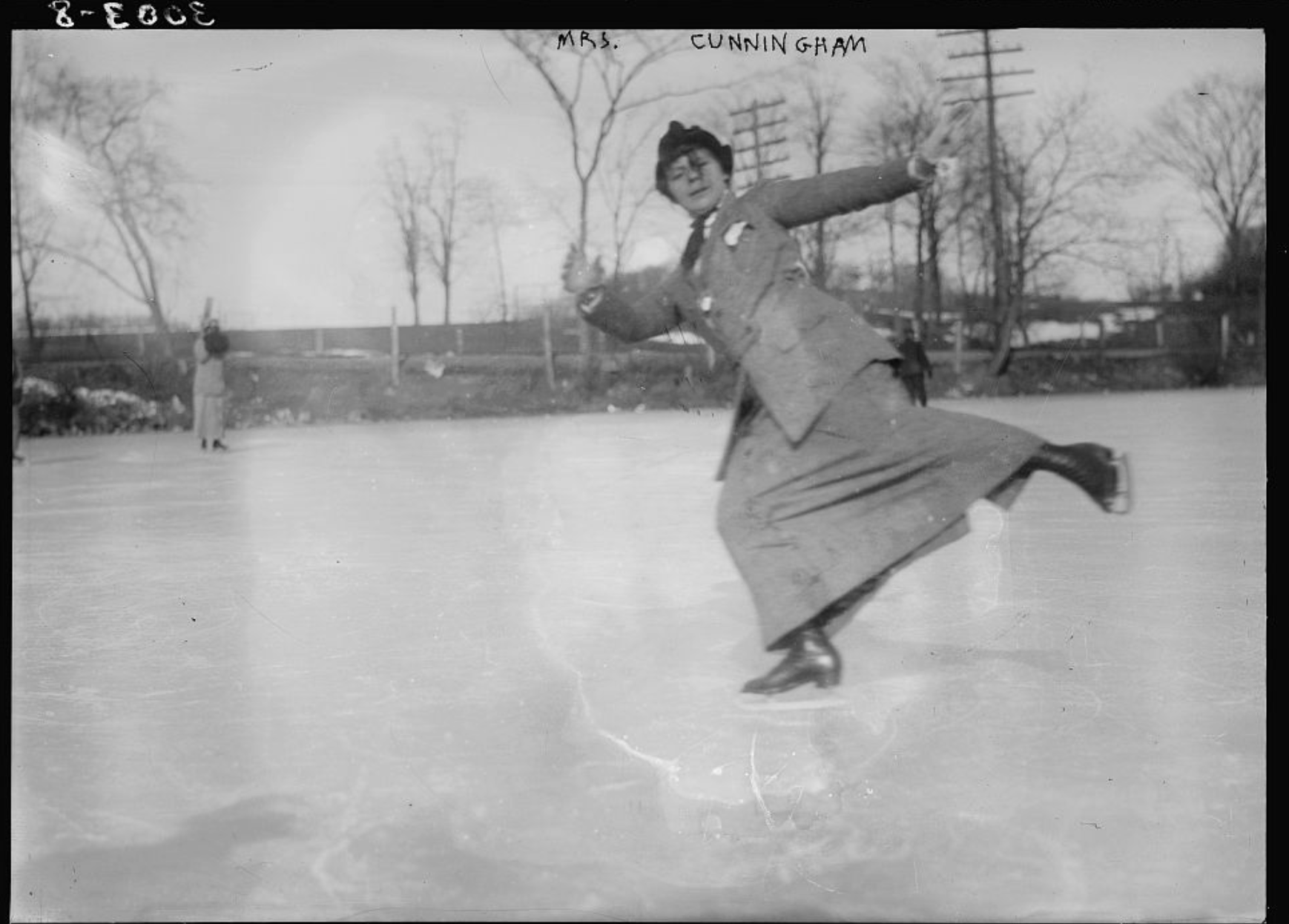
Ice skating at local rinks
Community ice rinks became social hubs where families gathered for entertainment. The physical exertion released endorphins while the social atmosphere combated winter isolation. Many towns flooded baseball fields, making skating accessible to everyone.
Snowball fights and snowmen
Spontaneous outdoor play provided stress relief through creative expression and laughter. Building snowmen required teamwork, while snowball fights offered harmless competition. Physical activity and cold air naturally invigorated bodies and minds.
Family game nights around the radio
Families gathered for board games while listening to holiday programs. This screen-free bonding strengthened relationships through shared laughter and competition. The ritual created predictable comfort during unpredictable winter weather.
Making homemade ornaments
Crafting decorations from paper, popcorn, and cranberries provided a mindful activity that engaged hands and minds. The creative process offered a distraction from seasonal darkness while producing tangible results. Children and adults benefited from the meditative quality of handwork.
Winter baking and candy-making
Kitchens filled with warm scents as families prepared holiday treats together. The collaborative effort built connections while sweet aromas naturally elevated moods. Sharing homemade goods with neighbors extended the joy beyond individual households.
Caroling in the neighborhood
Groups of singers traveled from door to door, spreading cheer through music and social interaction. The combination of singing, walking, and community connection provided multiple mood-boosting benefits. Even shy participants gained confidence through group participation.
Attending local holiday events
Small-town parades, tree lightings, and community gatherings fostered a sense of belonging. These public rituals created shared memories while breaking up winter monotony. The anticipation added excitement to dreary months.
Holiday charity drives
Collecting food, clothing, or toys for those in need provided purpose. Helping others naturally boosts mental health through meaningful action. Many neighborhoods organized donation drives that united communities.
Hot drinks by the fireside
Evening rituals of cocoa or cider by the fire created hygge before that word existed. The warmth and sweet flavors offered simple comfort. These moments encouraged conversation and relaxation.
Listening to radio shows
Families gathered around radios to listen to comedy programs, dramas, and holiday specials. The shared listening provided entertainment while strengthening family bonds. Popular shows gave people common conversation topics.
Reflective letter writing
Many practiced writing thoughtful letters to distant relatives during winter evenings. The activity encouraged gratitude while maintaining essential connections. Handwriting provided meditative benefits that typing cannot replicate.
Wrapping up
These traditions combined movement, creativity, connection, and comfort to naturally combat seasonal depression. Modern life could benefit from reviving these simple practices that brought light to dark winter months.
Related:
- The cozy rituals your grandparents swore by every December
- December traditions families brought on the road
Like MediaFeed’s content? Be sure to follow us.
This article was syndicated by MediaFeed.org.