This article was reviewed by Sara Harcharik Perkins, MD.
Postpartum Hair Loss: Causes, Expectations, and Treatment Options
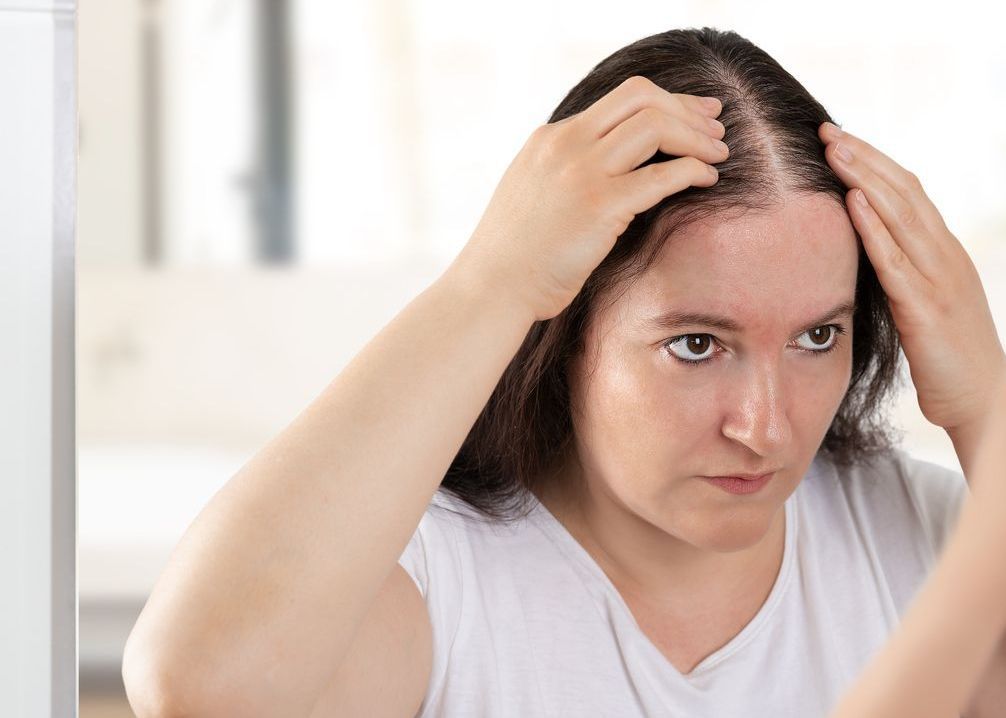
Postpartum hair loss is one of the many surprises new moms don’t see coming. Between sleepless nights, diaper duty, and adjusting to life with a newborn, watching clumps of hair shed in the shower can feel overwhelming.
The good news? Postpartum hair loss is usually temporary, and there are ways to manage it until regrowth catches up.
In this article, we cover what causes postpartum hair loss, how long it typically lasts, and what you can do about it.
What is Postpartum Hair Loss?
While data on postpartum hair loss is limited, there’s lots of research on the substantial hormone changes you go through during and after pregnancy.
And what you’re experiencing technically isn’t hair loss, but excessive breakage and hair shedding due to diminishing estrogen levels.
Dermatology experts refer to this excessive hair shedding as telogen effluvium.
Telogen effluvium is really common after giving birth, with some survey studies finding that over 90% of women reported some form of hair shedding during the postpartum period. It’s important to note that there may be significant sampling bias here, as women who experienced hair loss may be much more likely to respond to the survey.
Childbirth isn’t the only thing that can trigger telogen effluvium. Here are a few other potential causes:
- Illness
- Severe stress
- Some medications
- Crash dieting
- Major surgery
Why Does Postpartum Hair Loss Happen?
Beginning in the first trimester, your progesterone and estrogen levels gradually increase. Your ovaries produce these pregnancy hormones in the first 12 weeks. And after that, it’s your placenta doing the work.
High levels of circulating placental estrogen can prolong the anagen phase (AKA growing phase) of the hair-growth cycle. This is why some women experience thicker-looking hair during pregnancy.
But after delivery, hormonal changes like a sharp drop in estrogen can cause all those growth phase hairs to enter the catagen or resting phase — all at the same time.
Months later, they all shed at the same time during the telogen or shedding phase.
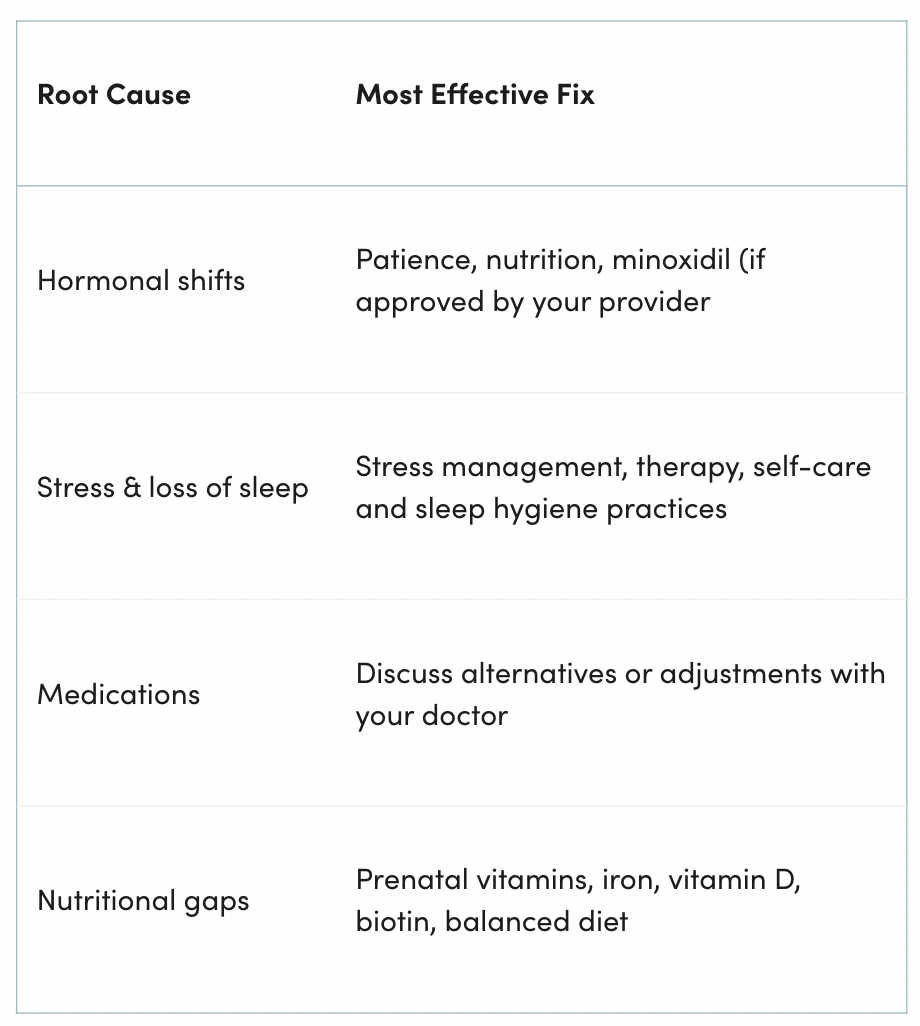
Combine this with stress and sleep deprivation, and you’ve got a recipe for postpartum hair loss.
When Will the Shedding Start and Stop?
For most women, shedding begins around three to four months postpartum, peaks around the fourth month, and tapers off by the baby’s first birthday.
Postpartum shedding accelerates several weeks or even months after childbirth because your hormone levels dramatically shift.
In general, the type of hair loss called telogen effluvium usually takes place three to four months after a stressful or traumatic event. And childbirth can be pretty traumatic.
Grace, a Hers writer who went through postpartum hair loss herself, shared: “I remember finding handfuls of hair in the shower drain and feeling like I was falling apart. But slowly, things leveled out, and my hair began to grow back.” Read her full story here.
How Long Does Postpartum Hair Loss Last?
When does postpartum hair loss stop and hair regrowth start? Most women get back to normal hair growth and fullness one year postpartum.
Treating Postpartum Hair Loss
Excessive shedding from telogen effluvium will typically resolve on its own. A few months after you notice the hair loss, you should start to see your hair shedding go back to more typical levels — about 50 to 100 hairs per day.
Because postpartum hair loss is usually temporary, treatments like topical minoxidil may help speed up regrowth, but patience and nutrition are often the most effective “treatments.” Medications like spironolactone are not typically helpful unless another form of hair loss is present.
So, here are a few things you can try to make your hair look a little fuller in the meantime.
Opt For the Right Products
The right hair care products (and hairstyles!) can make all the difference when you have fine hair.
Hair products like volumizing shampoo and conditioner will help wash away heavy oils and grease while adding extra body.
Check out our guide on how to get volume in your hair for tips to make hair look more like it did pre-pregnancy.
Up Your Vitamins
Healthy hair growth relies on essential vitamins and minerals like those part of a healthy diet. A lack of these nutrients can potentially lead to hair loss:
- B vitamins like biotin, vitamin B12, and folic acid
- Vitamin D
- Iron
- Zinc
If you have a nutritional deficiency, work with your healthcare provider to determine whether supplementation is right for you.
Biotin gummies can help prevent sparse strands. Some women also continue to take prenatal vitamins with folate, iron, and vitamin D to help with regrowth.
Eating a healthy, balanced diet can help, too.
Address Postpartum Depression
Postpartum depression, which is different from the baby blues, is a very real medical condition. And it can happen to anyone.
Postpartum anxiety or depression can make it difficult to take care of yourself — and your hairline.
Online therapy might help you deal with your postpartum emotions and get the help you need to address your symptoms.
Severe Postpartum Hair Loss: When to See a Healthcare Provider
While hair loss in new moms is common for new mothers, if your child’s first birthday has come and gone and you still notice thinning hair, it might be time to see a healthcare provider.
What’s the best treatment for postpartum hair loss? A dermatologist, trichologist, or other healthcare professional can help you figure out the right hair loss treatments for you. They can also uncover whether there’s something bigger going on, like female pattern hair loss or a thyroid issue.
Postpartum Hair Loss Treatments
Below, we round up some effective, science-backed treatments for hair loss.
Word of caution: If you’re breastfeeding, it’s always best to check with your healthcare provider before adding any new treatment to your haircare routine.
Topical Minoxidil
Minoxidil is easy to use, backed by plenty of research and FDA-approved for female pattern hair loss.
Though its use for telogen effluvium is off label, it’s a common line of defense for various forms of hair loss.
Oral Minoxidil
If you’re looking for a way to boost hair growth without changing your styling routine, this once-a-day pill might be just the thing. It works by increasing blood flow to your hair follicles, which can help kickstart growth.
While oral minoxidil isn’t actually FDA-approved for hair loss, it can be effective for female hair loss at different doses ranging from 0.25 to 1.25 milligrams per day.
Spironolactone
This prescription medication primarily works by blocking the binding of testosterone and dihydrotestosterone (DHT) to androgen receptors in your hair follicles, decreasing their effects.
FYI: spironolactone treats androgenetic alopecia, also known as female pattern hair loss, so it may not be effective for telogen effluvium.
Postpartum Hair Loss: The Bottom Line
Telogen effluvium is the most common form of postpartum hair loss — and one that usually completely resolves itself in under a year.
From the moment you notice more shedding than usual, your scalp is working to replace those lost hairs with new hairs.
Let’s recap what we know about postpartum hair loss:
- It’s totally normal. No, you’re not the only one losing hair after childbirth. Most new moms experience some hair loss.
- Give it time. Hair loss from telogen effluvium usually resolves within a year.
- Try a treatment. If it’s been over a year or your hair loss feels severe, talk to a healthcare provider or dermatologist about hair loss treatments like minoxidil to help kickstart hair growth.
Hair can impact the way you feel about yourself, but remember, there are things you can do to improve hair health and help get hair loss under control.
Learn more about the various types of hair loss in women in our comprehensive guide.
Want to do a little more digging? Read our guide on how to get thicker hair for more tips.
Related:
Like MediaFeed’s content? Be sure to follow us.
This article originally appeared on ForHers.com and was syndicated by MediaFeed.org.