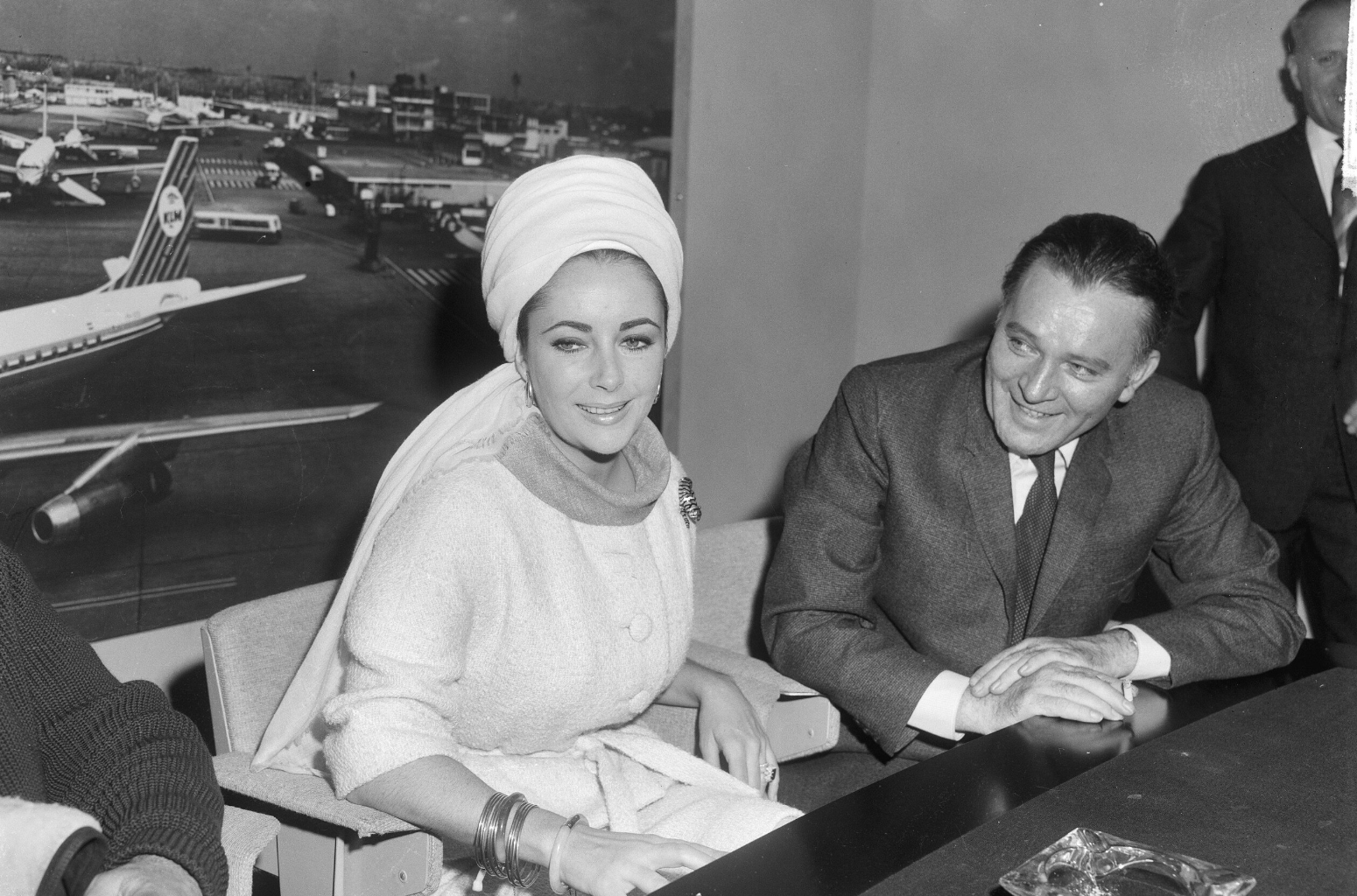
When glamour hid the struggle
Picture Hollywood’s golden era: flashbulbs exploding at glamorous premieres, stars draped in diamonds stepping from limousines. Behind those dressing room doors, however, some of classic cinema’s brightest talents fought private battles with addiction that would have shocked audiences. Decades before celebrity rehab became tabloid fodder, these stars conquered demons quietly, often at tremendous personal and professional risk.

Elizabeth Taylor broke the silence
Famous for violet eyes and eight marriages, Elizabeth Taylor battled alcohol and prescription medications at fame’s peak. Her family staged an intervention in 1983, which led to her groundbreaking admission to the Betty Ford Center. Three doctors wrote combined prescriptions for twenty-eight different drugs between 1983 and 1988, including tranquilizers and painkillers. Taylor conquered addiction largely privately before public acknowledgment became common, later becoming a vocal HIV/AIDS advocate.

Errol Flynn’s vodka-filled oranges
Hollywood’s swashbuckling star earned a reputation through films like Captain Blood, but alcohol battles often overshadowed talent. When Universal Studios banned alcohol on set during Against All Flags, Flynn injected oranges with vodka and ate them between takes. Co-star Maureen O’Hara observed that he arrived prepared, with lines memorized, but drunk by four each afternoon. Sobriety periods proved key to reviving his career.
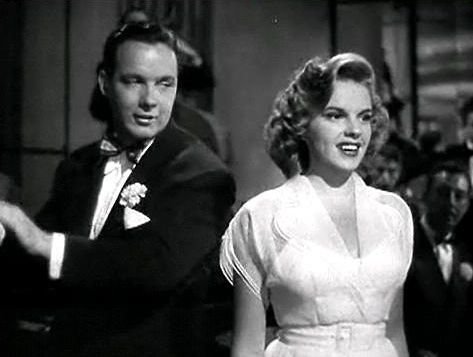
Judy Garland never escaped the studios
MGM studio executives gave teenage Judy Garland amphetamines to work eighteen-hour days and barbiturates to sleep. Studio head Louis B. Mayer called her a “fat little pig with pigtails” despite her four-foot-eleven frame. By the time she was 17, filming The Wizard of Oz, she was already addicted. Garland managed sobriety periods quietly while seeking help off the record, but studios protected their image over her well-being.

Richard Burton’s daily battle
The legendary Shakespearean actor with seven Oscar nominations lived his high-profile life alongside Elizabeth Taylor while consuming up to three bottles of vodka daily during the worst periods. Burton spoke candidly about alcoholism on Dick Cavett’s show in 1980, calling it “no laughing matter.” He found sobriety periods demonstrating that even amidst Hollywood excess, self-discipline remained possible. Burton died at fifty-eight from cerebral hemorrhage, his deterioration hastened by years of alcohol consumption.

Studios manufactured perfect images
Social stigma surrounding addiction in mid-twentieth-century Hollywood was crushing. Rehab was considered shameful, whispered about behind closed doors. Studios and publicists worked overtime preserving glamorous star images, hiding struggles from fans. Addiction was framed as personal failure rather than a health issue requiring treatment.
Compare classic Hollywood’s silence with today’s celebrity culture featuring open conversations, public rehab programs, and advocacy work. These past stars demonstrated remarkable resilience, overcoming addiction without fanfare or media attention. Their emphasis on privacy, discretion, and self-discipline contrasts sharply with modern transparency, yet both approaches require tremendous courage to maintain.
These classic stars fought battles privately, preserved careers, and sometimes saved lives through sheer determination. Hollywood evolved from silence and shame to awareness and support systems. Their stories remind us that recovery courage isn’t always public, but it’s always inspiring, regardless of era.
Related:
- Recognizing the signs of gambling addiction in teens & adults
- How retro routines are helping people unplug & unwind
Like MediaFeed’s content? Be sure to follow us.
This article was syndicated by MediaFeed.org.