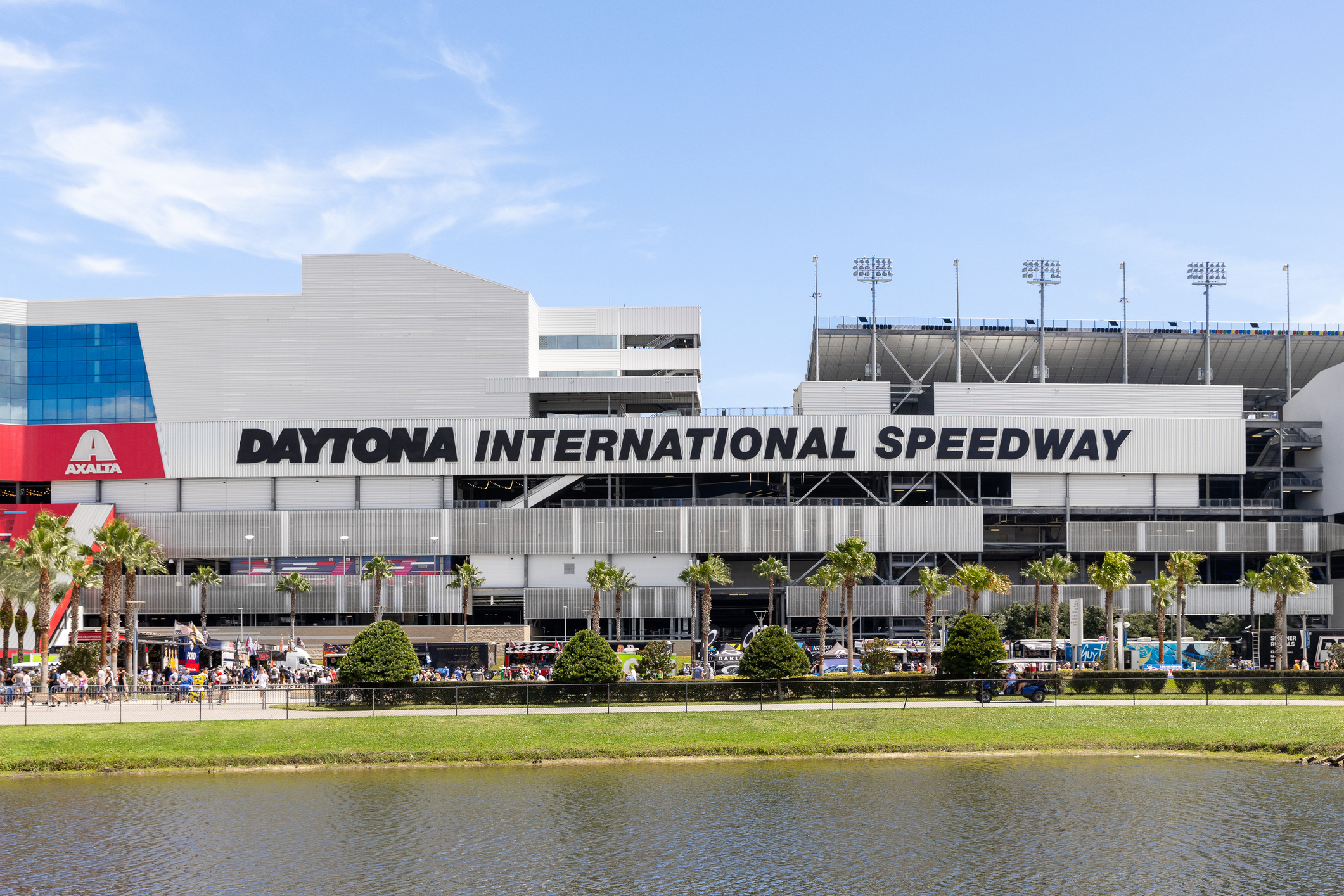
On December 14, 1947, a group of promoters, drivers, and mechanics gathered at the Streamline Hotel in Daytona Beach, Florida, for what would become one of the most consequential meetings in motorsport history. Presided over by William H.G. “Big Bill” France, the conversation centered on the chaotic state of stock car racing in the postwar American South. Prize payouts weren’t guaranteed, rules varied by region, and drivers were constantly at odds with promoters. France, a charismatic mechanic-turned-racing-organizer, believed the sport needed structure, legitimacy, and long-term vision. By the end of the meeting, he had formed the National Association for Stock Car Auto Racing—better known the world over today as NASCAR.
NASCAR’s creation formalized a grassroots racing culture that grew out of the South’s bootlegging tradition, where drivers modified their cars to outrun authorities. France understood that the raw spectacle of fast, powerful, production-based cars could draw crowds, but only if fans trusted what they were seeing. So NASCAR introduced standardized rules, consistent schedules, and a proper points system. Very quickly, it evolved from a regional pastime into the largest motorsport organization in the U.S.
The ripple effects stretched far beyond the racetrack. NASCAR accelerated Detroit’s development of “win on Sunday, sell on Monday” performance cars, propelling machines like the Plymouth Superbird, Ford Galaxie, and Chevy Monte Carlo into cultural legends. Its growth also transformed the economies of small Southern towns, revived tourism in Daytona Beach, and ultimately made American stock car racing a billion-dollar entertainment industry. The 1947 meeting at the Streamline wasn’t just the birth of a sanctioning body—it marked the beginning of a uniquely American motorsport empire.
Related:
- Then & Now: 44 Photos Comparing Car Companies’ Debut vs Latest Models
- Classic Muscle Cars of the ’60s & ’70s
Like MediaFeed’s content? Be sure to follow us.
This article was syndicated by MediaFeed.org.