Vintage holiday traditions that quietly boosted joy without anyone noticing
Many holiday customs from the past weren’t flashy or commercialized, but they fostered connection, gratitude, and happiness in small, meaningful ways. Long before social media and Instagram-ready décor, people were finding joy in simple, quiet traditions that still resonate today.
Why small traditions mattered
Holidays were less commercialized in the 1950s through the 1980s. Families and communities prioritized connection over spectacle, gathering around shared activities rather than expensive gifts. Repetition and rituals created comfort and emotional grounding, offering stability during an unpredictable year. Joy often came from unexpected or understated practices that modern celebrations overlook.
Family and home traditions
Baking seasonal treats together filled homes with warmth and anticipation. Handmade decorations or ornaments became cherished keepsakes, with families crafting unique pieces that reflected their personalities. Reading holiday stories aloud created cozy evenings where imaginations soared. Evening walks to see neighbors’ lights fostered community connections, transforming simple strolls into magical adventures through twinkling streets.
Community and giving traditions
Secret gift exchanges with neighbors or coworkers built anticipation and mystery. Volunteering or helping local charities quietly became acts of service rather than social media posts. Singing carols door-to-door without expectation of reward spread joy through neighborhoods. Handmade holiday cards, rather than store-bought ones, carried personal touches that recipients treasured for years.
Personal reflection and ritual
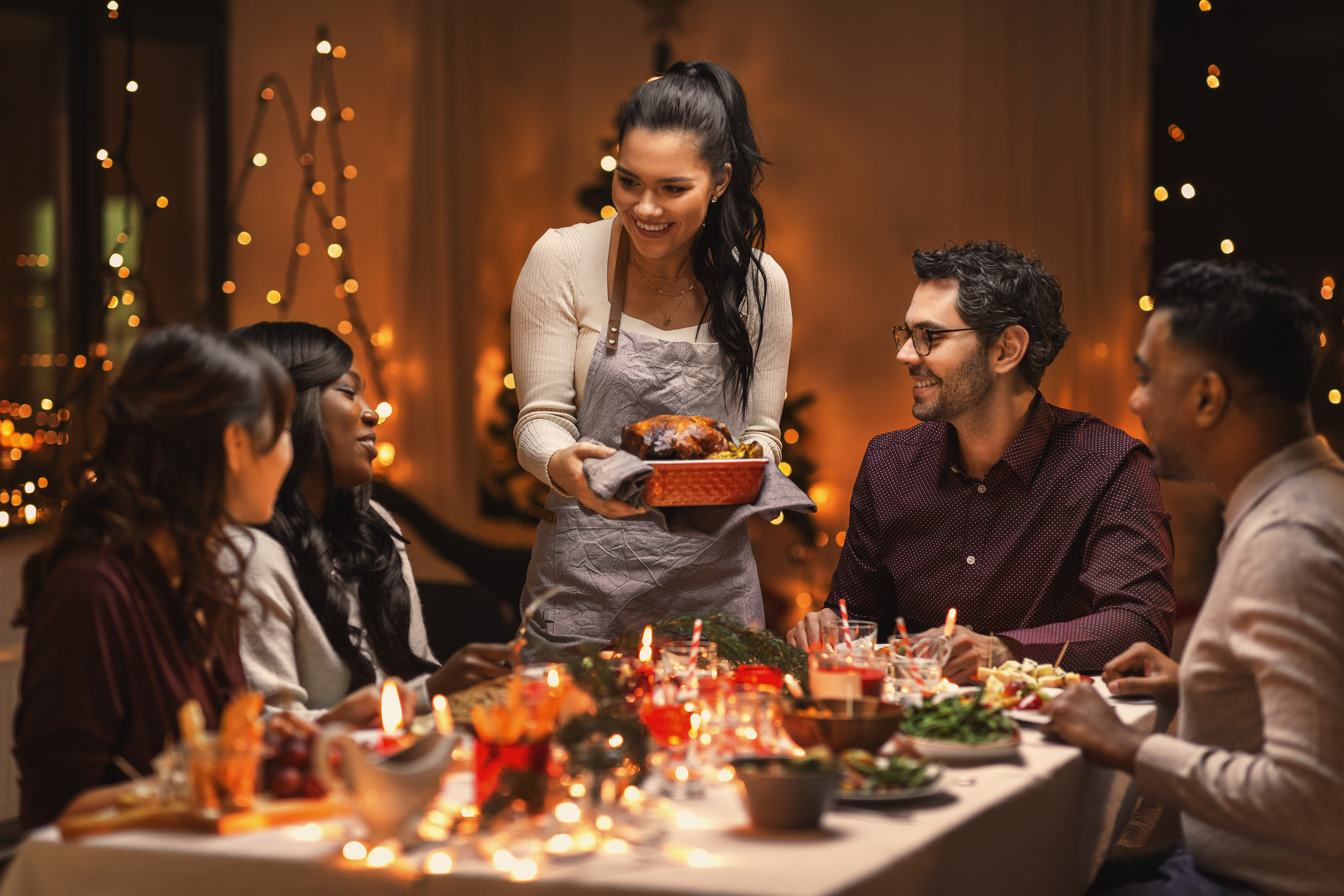
Lighting candles at dinner for gratitude transformed ordinary meals into moments of mindfulness. Creating a yearly family scrapbook or photo tradition preserved memories with handwritten notes detailing each story. Quiet contemplation or journaling about the year allowed processing emotions before rushing into the next. Setting small intentions for the year ahead provided direction without pressure.
Fun and play traditions
Playing board games as a family during holidays created laughter and friendly competition. Making DIY holiday toys or crafts taught patience and creativity while reducing dependence on commercial products: neighborhood scavenger hunts or games in the snow built community bonds beyond individual families. Wrapping presents in playful, personalized ways transformed giving into an art form that recipients remembered as much as the gifts themselves.
Why these traditions worked
They encouraged mindfulness and presence rather than distraction. Traditions fostered connection and togetherness through shared experiences that couldn’t be rushed. Activities boosted creativity and problem-solving as families improvised with limited resources. These practices built memories and emotional resilience that lasted decades, shaping how people approached challenges throughout their lives.
Comparison to modern holidays
Modern celebrations often prioritize social media-driven or commercialized spectacles over genuine connection. Vintage traditions integrated joy naturally through understated activities that required minimal expense but maximum participation. The nostalgia factor reflects a desire for less clutter and a more authentic connection. Simple practices created a lasting impact without elaborate production or documentation.
Takeaway
Some of the simplest traditions, like a shared cookie recipe, a quiet carol, or a hand-drawn card, created moments of joy that outlasted any flashy gift or decoration. It may be time to bring a few of them back quietly. These understated customs remind us that happiness often hides in repetition, connection, and presence rather than spectacle or expense. The vintage approach to holidays offers valuable lessons about prioritizing what truly matters during festive seasons.
Related:
Like MediaFeed’s content? Be sure to follow us.
This article was syndicated by MediaFeed.org.