

Cars from the ’70s that looked futuristic but weren’t
Designers in the 1970s experimented boldly, filling showrooms with wedge shapes, gullwing doors, and angular lines inspired by space exploration and science fiction. Aerodynamics met aspiration as automakers chased futuristic aesthetics. They looked like they came from the future, but reality had other plans.
The Space Age and science fiction heavily influenced automotive design during this era. Bold styling choices dominated, with wedge shapes and sharp angular lines becoming standard. Materials experiments using plastics and aluminum pushed boundaries while pop-up headlights added technological flair.

AMC Pacer (1975)
The bubble-like Pacer was designed around a revolutionary rotary engine that never materialized. When GM abandoned its Wankel program, AMC shoehorned a heavy inline-six into the compact body. First-year sales plummeted when rising gas prices exposed its terrible efficiency.

Bricklin SV-1 (1974)
Malcolm Bricklin promised the safest sports car ever built with gullwing doors. The electro-hydraulic doors took 12 seconds to open and frequently trapped passengers when they failed to open. Fewer than 3,000 were built before bankruptcy ended production in 1976.

Lotus Esprit (1976)
Giugiaro’s wedge-shaped masterpiece became James Bond’s submarine car. Early models produced just 160 horsepower, making acceleration underwhelming despite exotic looks. Roger Moore complained that the vehicles overheated constantly during filming in Sardinia.

Lamborghini Countach (1974)
The original prototype promised revolutionary performance. Overheating and reliability problems forced Lamborghini to downgrade engines. Drivers couldn’t see out the rear window, so they had to sit on the sill with the door open when reversing.

Maserati Bora (1971)
Giugiaro designed this sophisticated mid-engine supercar with Citroën’s complex hydraulic systems. Sales suffered dramatically during the 1973 oil crisis. Only 524 were built through 1978, with specialized maintenance requirements scaring away buyers.
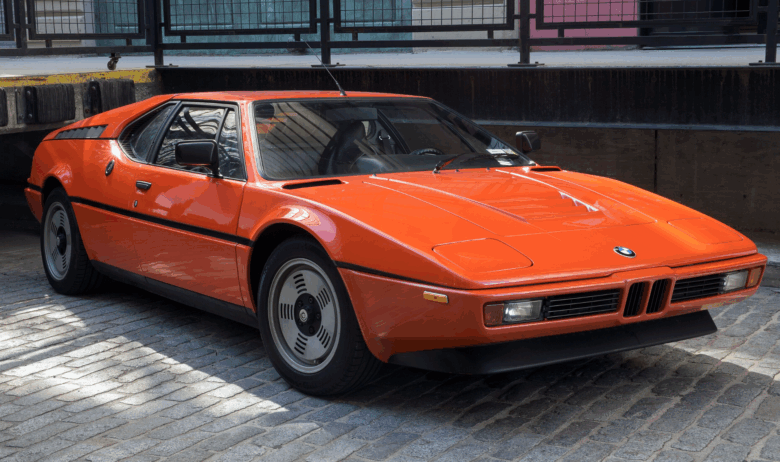
BMW M1 (1978)
BMW’s first supercar featured Giugiaro’s striking wedge design and was intended for racing homologation. Production delays and Lamborghini’s bankruptcy derailed the project. By the time it reached customers, racing rules had changed, making it obsolete for competition.

Citroën SM (1970)
This French-Italian collaboration married Maserati’s V6 with Citroën’s hydropneumatic suspension. Despite winning Motor Trend’s 1972 Car of the Year, timing chain failures plagued early models and harmed sales.

Datsun 280ZX (1979)
Datsun evolved its Z-car with Ferrari Daytona-inspired lines. Designers sacrificed acceleration for fuel economy, making the 135-horsepower 280ZX slower than the decade-old 240Z despite its futuristic appearance.

Wrapping up
Some cars promised a future we never got, but their boldness still turns heads today. Though flawed, these automotive dreamers proved that sometimes the journey matters more than the destination.
Related:
- Forgotten luxury cars that remind us nothing lasts forever
- 13 iconic cars from classic American movies we still love
Like MediaFeed’s content? Be sure to follow us.
This article was syndicated by MediaFeed.org.



