The Dark Side of the Golden Age: When Classic Hollywood Became a Nightmare
The era of Classic Hollywood, often called the “Golden Age,” is celebrated for its glamour, unforgettable stars, and timeless movies. Yet, behind the shimmering studio facade, a darker reality existed: a regime of grueling work hours, physical dangers, and psychological control. For many stars, the price of fame was injury, emotional trauma, and, in some tragic cases, even death. It took decades for the full story to emerge, as the stars themselves finally broke the industry’s silence.

The Wizard of Oz (1939): Abuse and Addiction
One of the most beloved films in history hides one of the most troubling production stories. For a 16-year-old Judy Garland, the role of Dorothy Gale became a descent into a studio-mandated nightmare that led to a lifelong struggle with addiction.
- Studio Control and Drugs: To maintain the required youthful, slim appearance for her character, MGM executives placed Garland on a strict diet and forced her to take “pep pills” (amphetamines) to keep her energetic during excruciatingly long work hours, followed by sleeping pills to help her rest. This created a devastating cycle of substance dependency that plagued her until her early death.
- Physical Hazards: The memorable scene where Dorothy falls asleep in a field of poppies while it “snows” involved using chrysotile asbestos as artificial snow, a now-known carcinogen that exposed the entire cast and crew to a serious long-term health risk.
- Injury and Neglect: Garland wasn’t the only one suffering. The original Tin Man, Buddy Ebsen, had to be replaced after his aluminum dust makeup caused a near-fatal lung reaction. The Wicked Witch of the West, Margaret Hamilton, suffered severe burns when a trapdoor malfunctioned during a fire-and-smoke effect, yet the studio pressured her to return to work almost immediately.

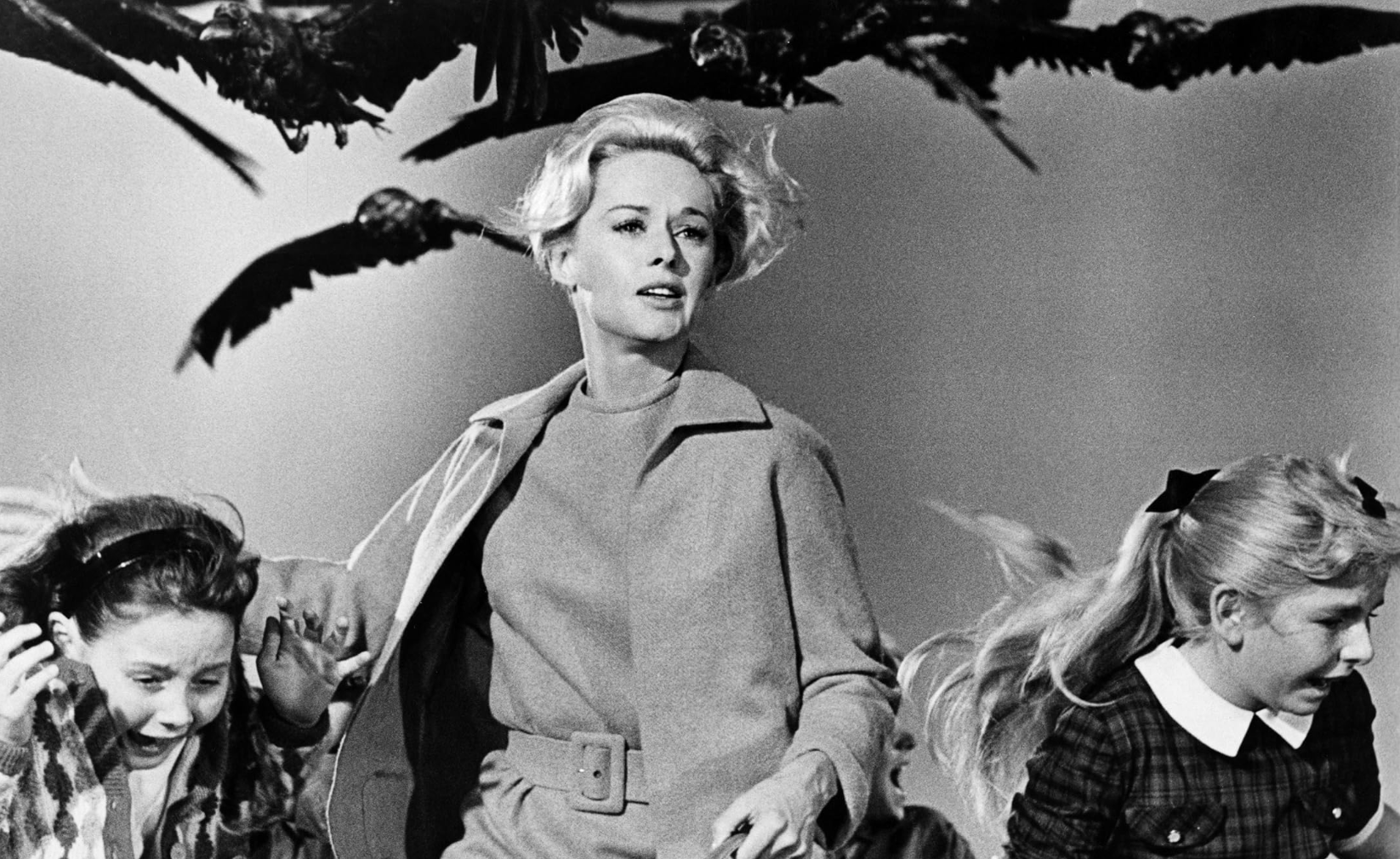
The Birds (1963): Cruelty and Psychological Trauma
While technically at the tail end of the classic era, Alfred Hitchcock’s production of The Birds is a chilling example of directorial control bordering on abuse. Lead actress Tippi Hedren became Hitchcock’s muse, and later, the target of his alleged obsessive and cruel behavior.
- Unsafe Stunt Work: For the climactic attic attack scene, Hedren was assured that mechanical birds would be used. Instead, Hitchcock had live birds—including ravens and doves—flung and tied directly at her for five straight days. The assault was so brutal that a bird pecked dangerously close to her eye, and the director only stopped filming after Hedren collapsed on set from exhaustion and a doctor intervened, ordering a week’s rest.
- The Price of Rejection: Hedren later stated that Hitchcock’s increasingly difficult and dangerous demands were retribution for her rejecting his inappropriate advances, showing how the studio system often granted powerful men unchecked authority over their actors.
Singin’ in the Rain (1952): Exhaustion and Physical Push
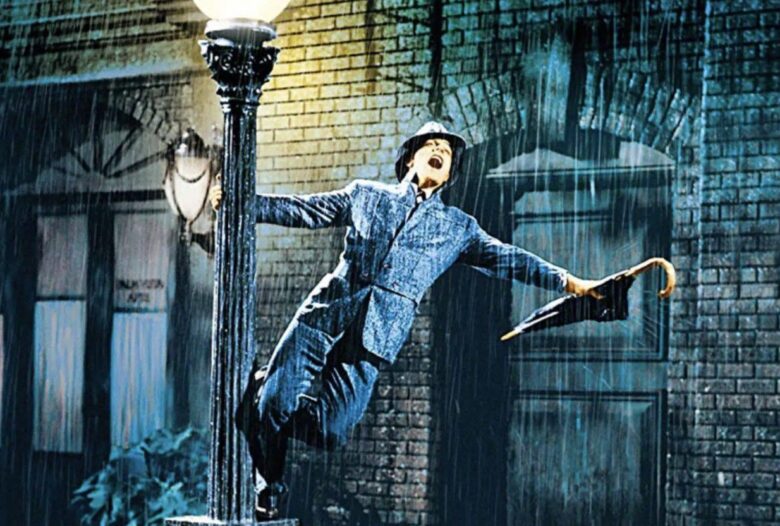
Even on a joyful musical set, the demand for perfection could break the cast. For Debbie Reynolds, a young actress who was a trained gymnast but not a seasoned dancer, filming was an ordeal of intense physical strain, pushed by director and co-star Gene Kelly.
- Extreme Overwork: Reynolds famously recalled rehearsing the grueling “Good Morning” number for an entire day, until her feet were allegedly bleeding (though the extent of the blood has been debated by Kelly’s widow, the sheer exhaustion is undisputed). She later stated that filming Singin’ in the Rain and childbirth were the two hardest things she ever did in her life.
- Illness on Set: Reynolds’ co-star, Gene Kelly, himself performed his iconic rain sequence while battling a 103°F fever, underscoring the industry standard of working through severe illness rather than delaying a costly production.
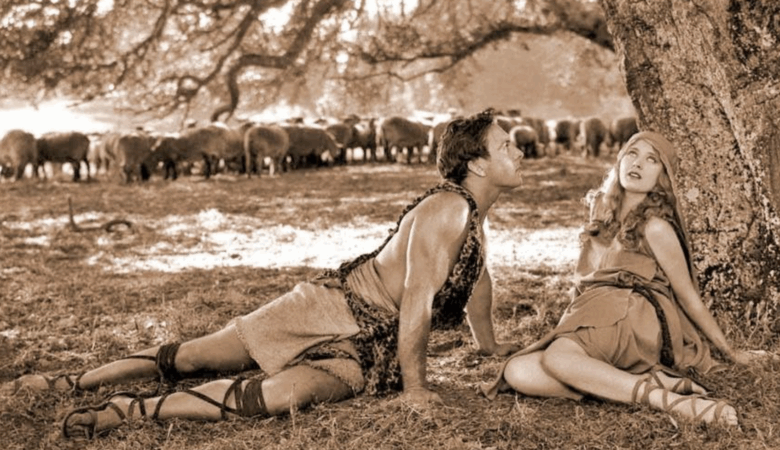
Noah’s Ark (1928): Fatal Safety Failures
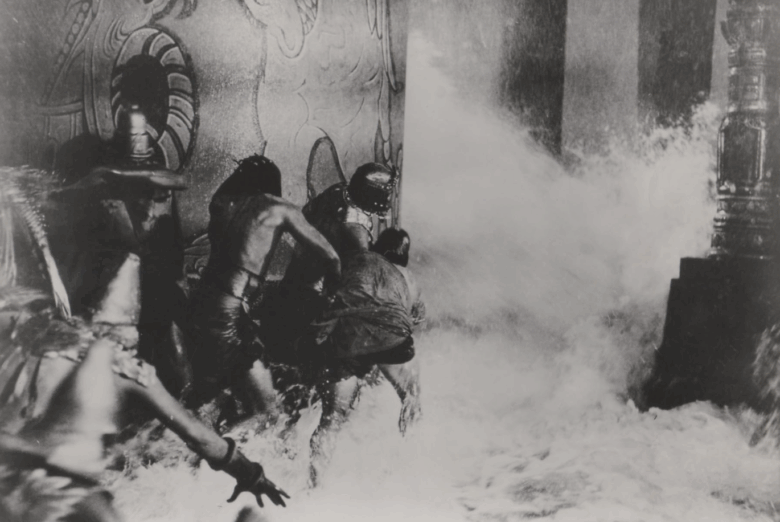
The silent film era operated with virtually no safety standards, and this tragic blockbuster highlighted the horrifying results.
- Catastrophic Production: For the climactic Great Flood sequence, director Michael Curtiz chose to release a staggering 600,000 gallons of water on a crowd of thousands of extras, ignoring requests to use safer miniatures.
- Deaths and Injuries: The powerful deluge resulted in the deaths of three extras who drowned in the flood, while many others suffered broken limbs and severe injuries, including one man who required a leg amputation. The incident was so shocking that it is credited with forcing the initial, though slow, implementation of stricter safety regulations on Hollywood film sets.
Wrapping it up
The accounts of these stars—including Judy Garland, Tippi Hedren, and Debbie Reynolds—were critical in pulling back the curtain on the exploitative studio system. Their willingness to speak out, often years or decades after the fact, has helped modern Hollywood better define the boundaries of ethical and safe working conditions, serving as a permanent warning about the human cost of classic cinema.
Related:
- Avoid keeping these items in your car to stay safe
- Car features from the past that were wildly unsafe
Like MediaFeed’s content? Be sure to follow us.
This article was syndicated by MediaFeed.org.