Finding calm amid the chaos
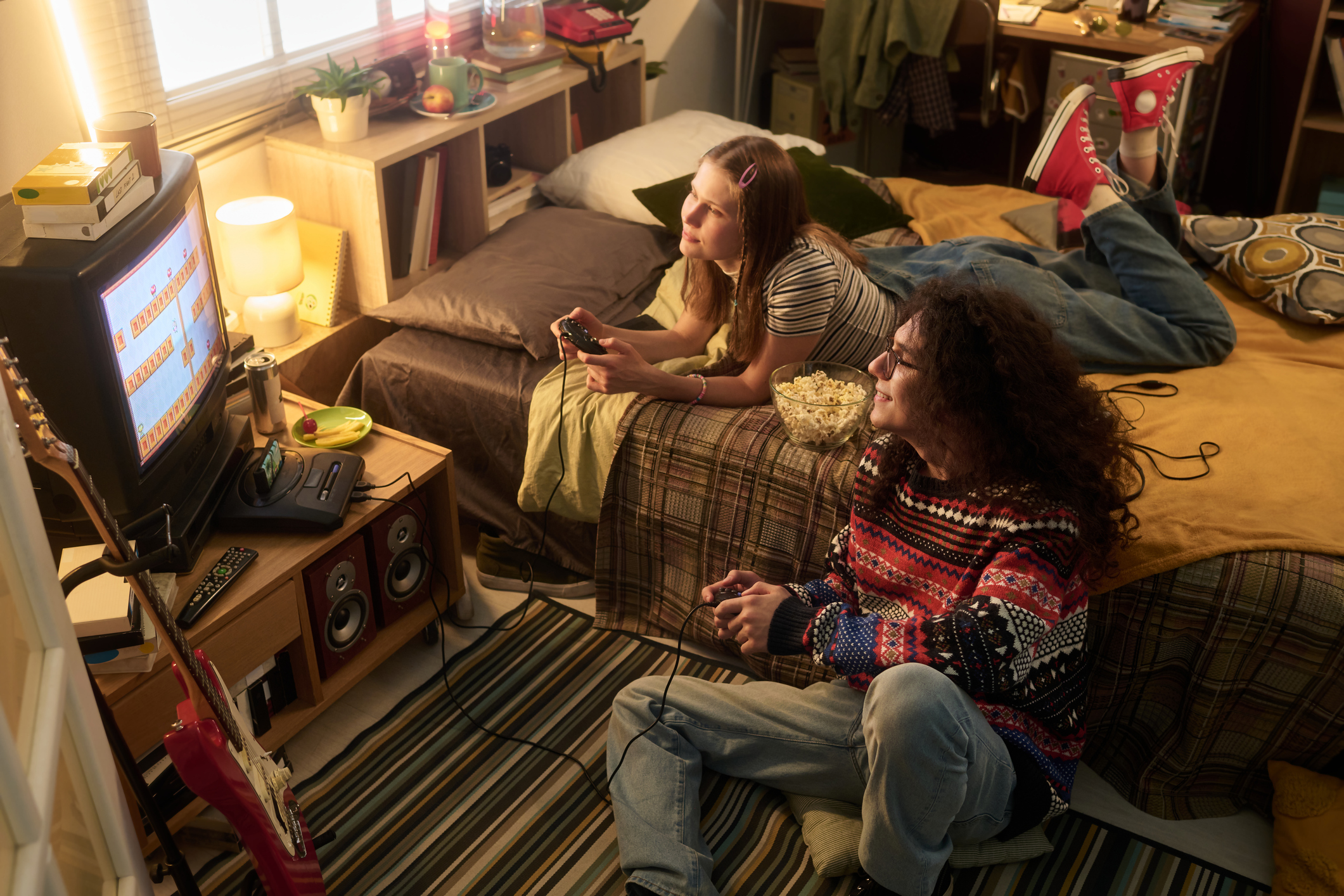
A Gen Xer unwinding after work by tuning a guitar, assembling a model airplane, or restoring a vintage car. Hobbies from the analog era aren’t just fun; they also provide mental clarity, emotional balance, and a form of self-administered therapy. According to Utah State University Extension research, engaging in fun recreational activities helps avoid boredom and burnout, both of which can lead to depression. These activities show that mindful engagement can restore focus and calm in an overstimulated, always-on world.
Why hobbies are therapeutic
Hands-on, focused activities reduce stress and anxiety by engaging attention fully. They provide a sense of accomplishment and purpose while offering a break from digital distractions and multitasking. Hobbies act as informal therapy, fostering resilience, focus, and mindfulness by directing attention away from negative thoughts and toward creative engagement.
Classic Gen X hobbies that heal
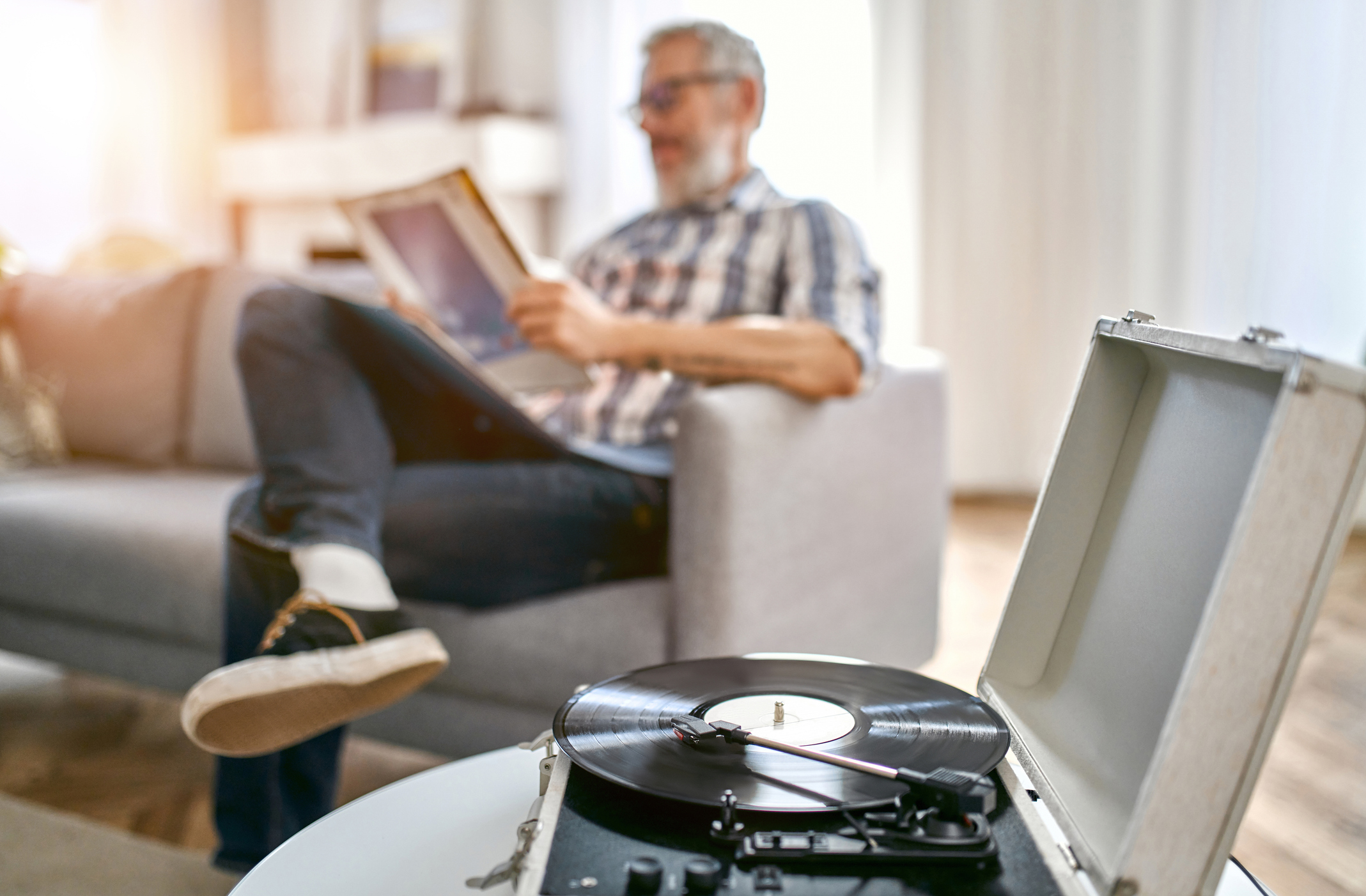
Vinyl collecting and playing music evoke a sense of nostalgia and presence. Woodworking or furniture restoration promotes focus and patience. Model building or crafting improves problem-solving and mindfulness. Gardening or home DIY projects blend physical activity with calm, repetitive tasks. Analog hobbies reconnect Gen Xers with sensory, hands-on engagement lost in digital life.
Old-school fun
Hobbies foster flow and mindfulness as tasks require deliberate steps and concentration, creating meditative focus. They encourage reflection and presence rather than distraction. Slow, intentional practice reinforces patience and emotional regulation. Consistent hobby engagement enhances mood, cognitive clarity, and emotional balance by promoting sustained attention.
Insight gained
Carve out time for hobbies that engage your hands and mind. Embrace analog or screen-free activities for stress relief. Focus on the process, not perfection, for maximum therapeutic benefit. Even small, regular sessions can provide a meaningful mental reset from daily pressures.
Hobby therapy
Improved patience, focus, and emotional resilience in work and relationships emerge from consistent hobby practice. A strengthened sense of identity and personal satisfaction develops through mastery. Enhanced ability to unplug, relax, and enjoy the moment provides crucial mental health benefits.
Wrapping up
For Gen X, hobbies were never just pastimes but tools for mental clarity, emotional balance, and mindful presence. By returning to these hands-on, analog joys, we can all give our busy minds the therapy they deserve. Choose one hobby this week to engage fully, unplugged, and notice how it restores calm, focus, and joy.
Related:
- Lessons from the analog age: Why Boomers are right to put presence before push notifications
- 7 things people from the pre-Internet era get that others don’t
Like MediaFeed’s content? Be sure to follow us.
This article was syndicated by MediaFeed.org.