Slow days and simple joys
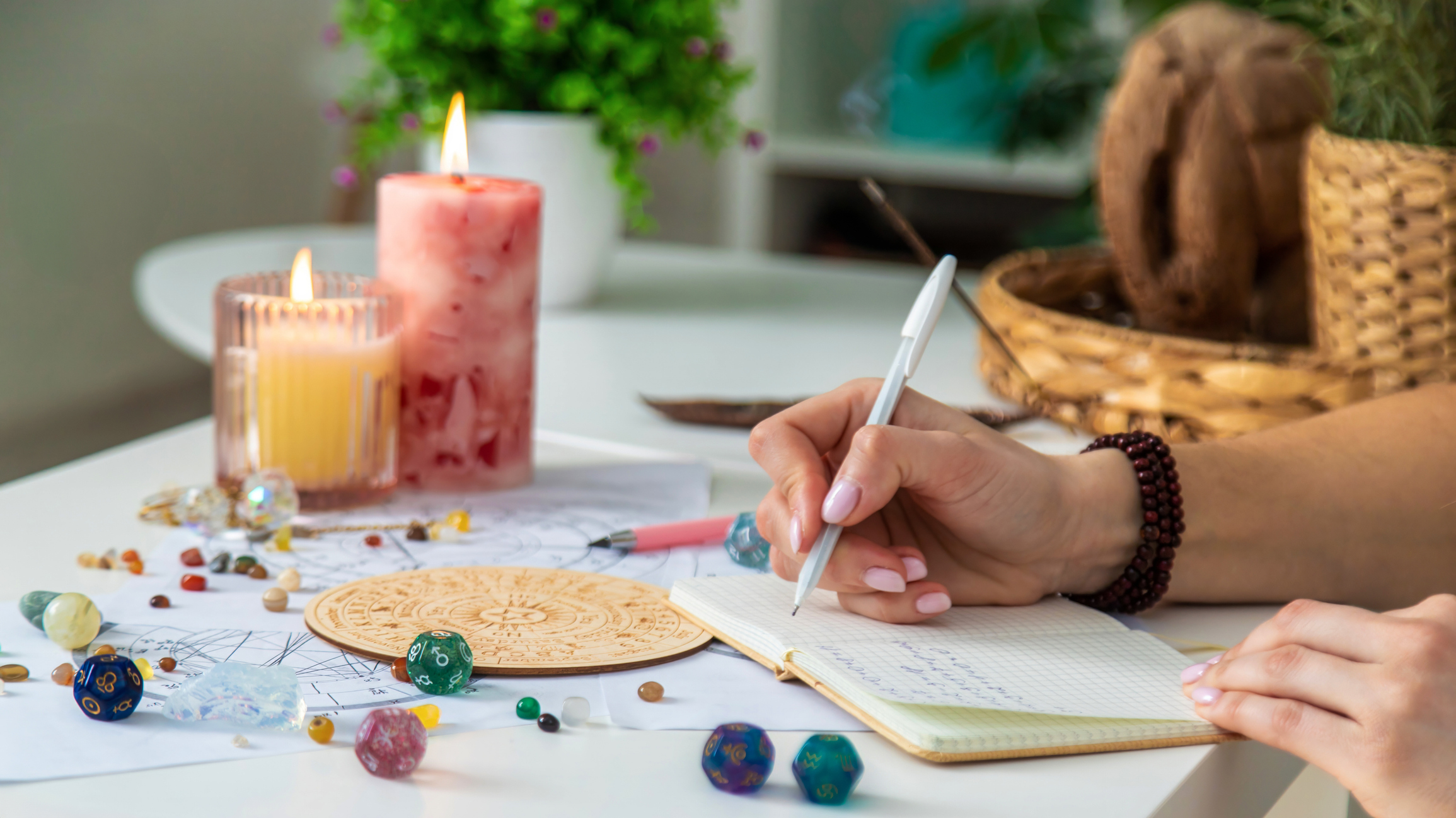
Sunlight filtering through lace curtains. Coffee brewing while hands work soil into a garden bed. The scratch of a pencil on newsprint, filling in crossword squares one careful letter at a time. These scenes from our parents’ and grandparents’ lives weren’t just quaint routines; they were cherished memories. Research published by Harvard Health has found that hobbies such as gardening, crafts, and games involve creativity, sensory engagement, and cognitive stimulation, all of which are linked to good mental health. Those analog, hands-on pastimes offered something we’re struggling to reclaim: lessons in mindfulness and authentic relaxation. Revisiting these practices reveals how to disconnect from constant stimulation and cultivate genuine calm.
Purposeful activities
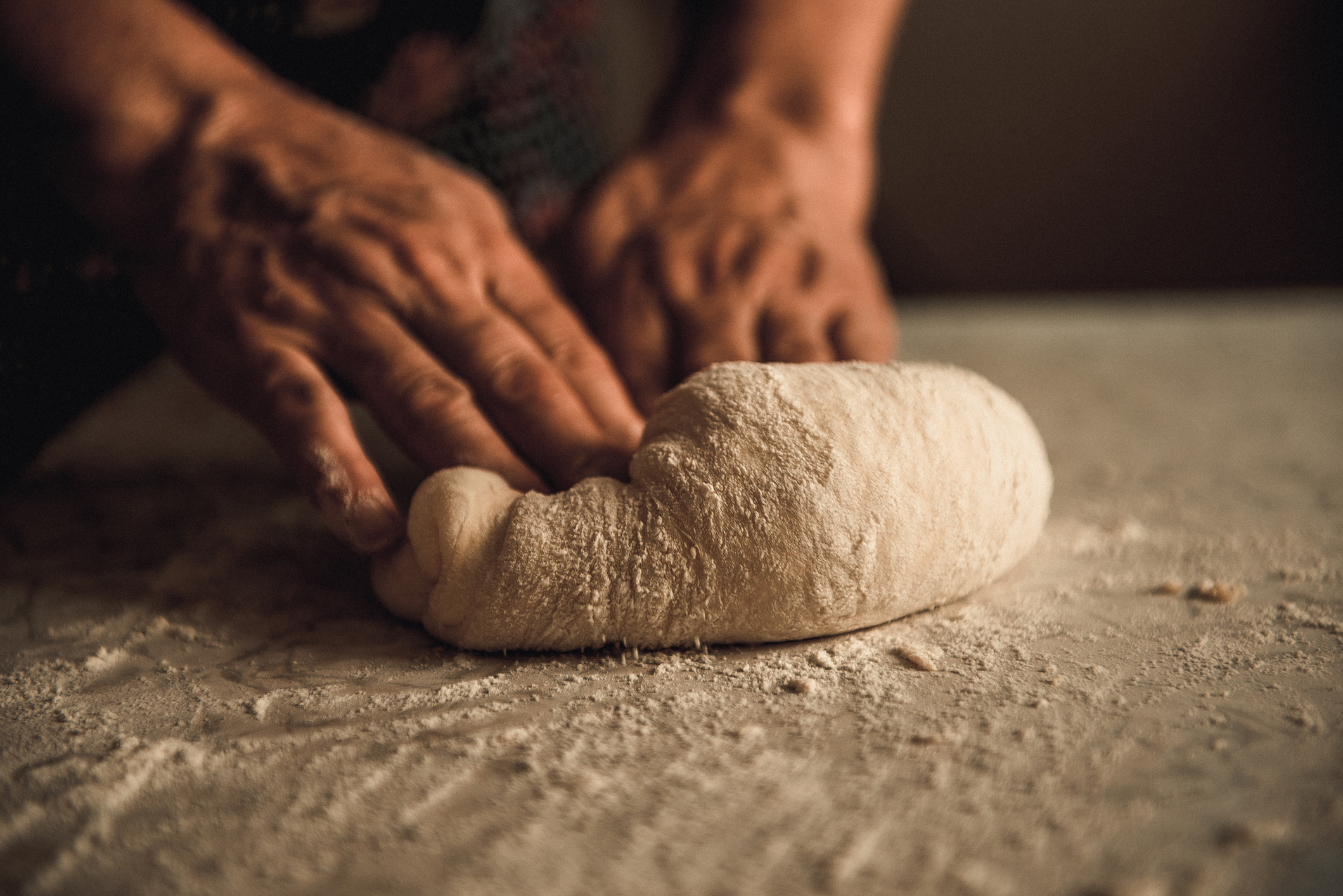
Gardening provided more than tomatoes. Sewing delivered more than hemmed trousers. These hobbies created something deeper: accomplishment without crushing pressure. These are the things that I do: threading a needle, measuring twice before cutting, and kneading dough until it feels right. Each task demanded attention yet offered forgiveness for imperfection. Research indicates that purposeful engagement reduces stress and promotes a state of flow by activating brain regions associated with reward and emotional regulation. When we immerse ourselves in activities that balance challenge with capability, we access states of concentration that naturally crowd out anxiety.
Screen-free mindfulness
Our parents’ hobbies existed in blissful ignorance of notifications and algorithms. No pings interrupted knitting needles. No comparison culture haunted crossword puzzles. These analog pursuits demanded something revolutionary: undivided attention given freely, without the transaction of likes or shares. Studies from Georgetown University demonstrate that reducing screen time improves mental health with outcomes comparable to cognitive-behavioral therapy. Screen-free activities restore what constant connectivity erodes: mental clarity, sustained focus, and the capacity to simply be present.
Nostalgia for relaxation
Picking up the hobbies that occupied our parents’ evenings does more than fill time. It connects us to family history and positive memories. That connection matters profoundly for emotional regulation. Berkeley researchers found that nostalgia helps us feel connected to others and find meaning while buffering against loneliness. Nostalgia triggers neurological responses that lower stress hormones and improve mood, transforming wistful remembrance into an active wellness practice. When we garden like Grandma did, we’re accessing a proven calming mechanism.
Lessons to be learned
The wisdom in our parents’ pastimes translates directly to contemporary wellness. Schedule dedicated time for slow, hands-on hobbies that genuinely bring joy. Choose activities rewarding patience over instant results: bread baking that demands waiting, needlework accumulating stitch by stitch. Consider incorporating social dimensions into these practices. Mindful hobby experts suggest starting with activities that engage all your senses and create tangible results. The most effective relaxation happens when it’s both intentional and immersive.
Integrating old-school pastimes today
Adapting analog practices to modern schedules requires creativity rather than wholesale restructuring. Dedicate short periods to mindful hobbies. Fifteen minutes of morning journaling. Thursday evenings for knitting. These modest investments compound into significant wellness returns. Incorporate elements from your favorite past activities, such as cooking from scratch, handwriting letters, and solving puzzles during commutes. Lifestyle experts note that old-fashioned hobbies, such as canning and embroidery, offer both creative satisfaction and screen-free engagement that modern life desperately needs.
Final word
Our parents’ favorite pastimes were exercises in patience, presence, and absolute relaxation. By embracing even fragments of their slow, purposeful routines, we find calm and grounding in today’s hectic world. These analog activities offer permission to move at human speed, to create without performing. The simplicity you’re seeking might be waiting in the practices your parents enjoyed, ready to teach you what they always knew about finding peace in purposeful activity.
Related:
- Why nostalgia is good for your mental health (& your playlist)
- Boomer wellness secrets that never went out of style
Like MediaFeed’s content? Be sure to follow us.
This article was syndicated by MediaFeed.org.