Weird TV product placements you totally missed (or thought were just furniture)
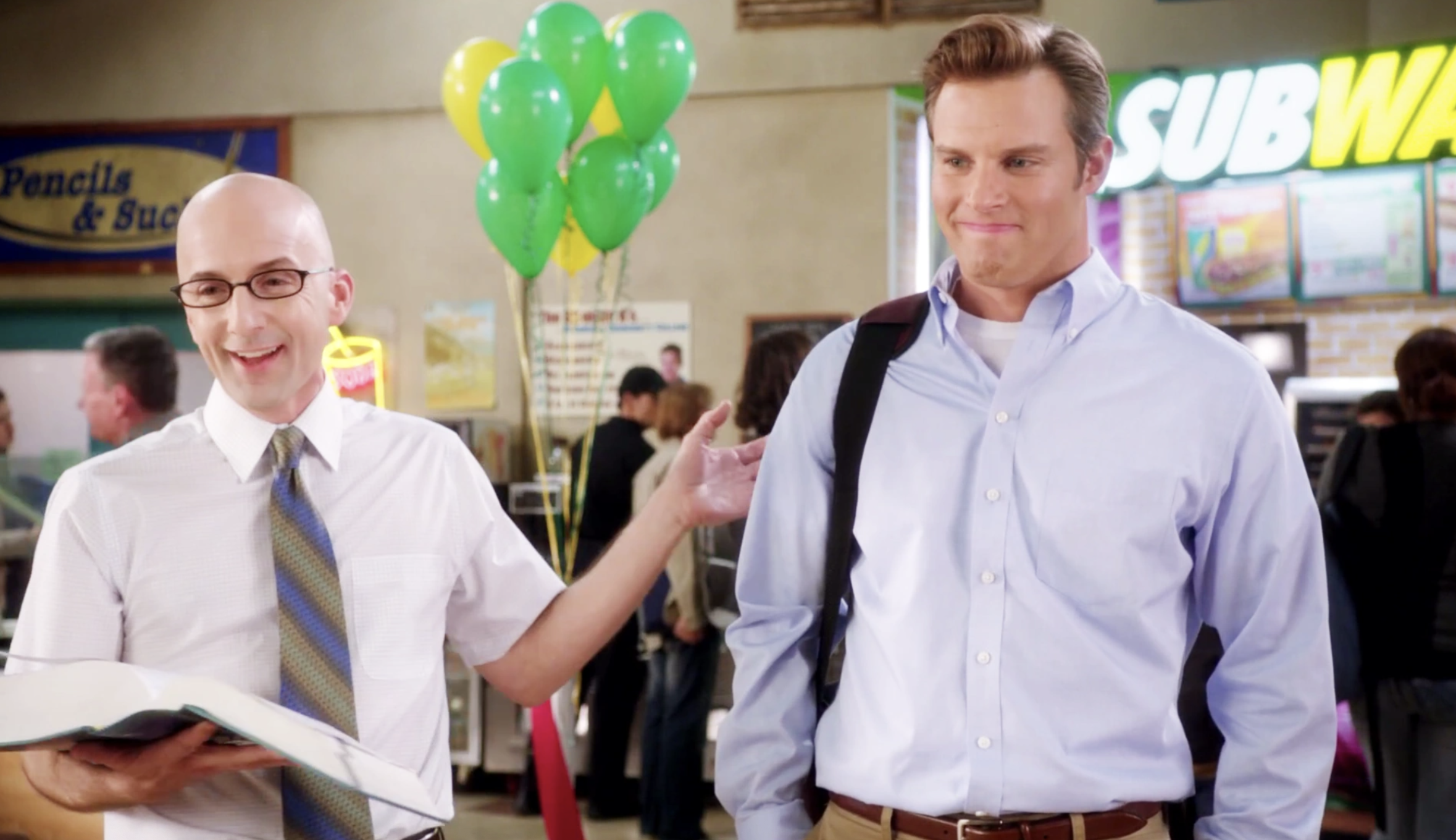
The television series Chuck featured notorious product placement, including scenes where characters delivered enthusiastic monologues about Subway sandwiches that felt more like commercials than organic dialogue, creating one of the most recognized examples of clumsy brand integration in modern television. These prominent placements became cultural jokes as audiences recognized the transparent attempts to generate advertising revenue through forced brand mentions that disrupted narrative flow. However, this blatant approach represented only one strategy in the evolving relationship between brands and television content.
As audiences developed awareness of product placement tactics, brands and producers evolved more sophisticated integration strategies that embedded products seamlessly into settings, character identities, and even plot developments, allowing viewers to absorb them without recognizing commercial intent. This subtle approach transformed products from blatant advertisements into naturalized elements of fictional worlds that seemed like authentic choices rather than paid placements. The evolution of placement strategies created ones so effective that many viewers never recognized them as advertising, despite repeated exposure throughout series runs.
This article explores the most subtle and unconventional television product placements that blend seamlessly into the background or storylines, often going unnoticed even by the most attentive viewers, illustrating how commercial integration has become an integral part of contemporary television production.

Dell technology dominance in House of Cards
Dell monitors and computers appeared consistently throughout House of Cards as the default technology equipment in every government office, making the brand the official technology provider for Washington, D.C., political operations. The placement strategy avoided drawing attention to specific products through dialogue or close-ups, instead establishing Dell as the natural technology choice through its constant presence in wide shots. This approach created subconscious brand associations by making Dell synonymous with political power and government functionality.
The effectiveness came from normalizing the brand as infrastructure rather than featured product, allowing viewers to absorb the association without recognizing the deliberate placement strategy. The repetition across hundreds of scenes throughout multiple seasons created stronger brand impressions than any single featured placement could achieve. Dell’s integration demonstrated how background consistency can build brand associations more effectively than obvious promotional moments that trigger audience skepticism.

Eggo waffles becoming Stranger Things iconography
Eggo waffles appeared repeatedly throughout Stranger Things as Eleven’s preferred food, creating such a strong character association that the product became inseparable from the show’s cultural identity and generated massive sales increases for the brand. The placement began organically as a period-appropriate 1980s product choice that fit the show’s nostalgic aesthetic, but evolved into a character-defining element that appeared across multiple seasons. The repetition transformed a simple food preference into an iconic character trait that fans celebrated and recreated.
The brand integration succeeded by becoming part of character development rather than blatant advertising, making the product feel like an authentic storytelling choice rather than a commercial placement. Kellogg’s capitalized on this cultural association through limited edition packaging and marketing campaigns that referenced the show without requiring additional paid placement. The Eggo example demonstrates how product choices that enhance character identity can generate enormous commercial value when they resonate with audience emotional connections to characters.

Designer footwear in Sex and the City
Carrie Bradshaw’s dialogue consistently referenced Manolo Blahnik and Jimmy Choo luxury footwear brands throughout Sex and the City without showing prominent logos or product shots, creating aspirational associations through character obsession rather than visual display. The placement strategy relied on verbal brand mentions that positioned these designers as objects of desire and status symbols within the show’s luxury lifestyle framework. The casual name-dropping made these brands seem like natural vocabulary for fashion-conscious characters rather than paid advertisements.
The effectiveness came from associating these brands with the show’s glamorous lifestyle and making them synonymous with sophisticated urban fashion without requiring visual product placement that might seem commercial. The strategy created stronger aspirational connections than traditional product shots could achieve because the brands represented character values and lifestyle choices that resonated with their target audience. This approach demonstrated how dialogue-based placement can build brand prestige more effectively than visual integration when executed through characters audiences admire and want to emulate.

Ford vehicle features in procedural dramas
Police procedurals, including shows like The Rookie, occasionally feature scenes where characters interrupt action sequences to praise specific safety features of Ford or Toyota vehicles in dialogue that feels like inserted commercial scripts rather than natural conversation. These moments create jarring tonal shifts as characters suddenly speak in marketing language about vehicle specifications during otherwise intense dramatic situations. The placement becomes evident through the unnatural dialogue patterns and the specific technical details that characters mention without prompting.
The awkwardness of these integrations stems from attempting to combine paid placement with narrative action in ways that disrupt storytelling flow and suspend audience belief in character authenticity. The scenes function as miniature car commercials embedded in dramatic programming, making the commercial nature impossible to miss. This approach demonstrates how forced dialogue placement can undermine both the advertisement and the show by creating moments that audiences recognize as inauthentic intrusions.

Wednesday and its quick-service restaurant brands
Wednesday featured scenes where the title character appeared with Taco Bell bags and specific branded beverages that fit teen-oriented settings, providing recognizable brand visibility without requiring dialogue or plot integration. These brief visual placements capitalized on the show’s popularity to generate brand associations with young audiences through casual background presence. The strategy relied on brand recognition from packaging and logos rather than explicit product endorsement or character preference statements.
The placement effectiveness came from matching brands to appropriate demographic and setting contexts where their presence seemed plausible rather than forced. The brief appearances generated brand visibility without disrupting narrative flow or requiring character actions that might seem inauthentic. This approach demonstrates how visual placement can succeed when brands fit naturally into settings rather than requiring artificial justification through dialogue or plot.

30 Rock’s satirical Snapple integration
30 Rock featured scenes where characters openly discussed their disdain for product placement, only to immediately launch into enthusiastic, detailed endorsements of Snapple iced tea, which functioned as both satire and an actual paid advertisement. The self-aware approach acknowledged audience skepticism about product placement through metacommentary that made the subsequent placement seem ironic rather than commercial. However, the scenes still functioned as effective advertisements by featuring the product prominently and delivering marketing messages.
The strategy succeeded by disarming audience resistance through humor and self-awareness, which made viewers feel sophisticated for recognizing the placement strategy. The ironic framing did not diminish the commercial effectiveness of featuring the product and delivering brand messages. This approach demonstrated how satire and metacommentary can make product placement more acceptable to audiences without reducing its advertising impact.

Pottery Barn moral dilemma in Friends
The Friends episode featuring Rachel’s Pottery Barn apothecary table created an entire plot around the product, with Rachel lying to Phoebe about the table’s origin because Phoebe opposes mass-produced furniture. The storyline centered on the brand and featured multiple references, product shots, and store visits that functioned as an extended advertisement disguised as character conflict. The placement drove massive sales increases for Pottery Barn by featuring their products as objects of desire worth lying about to maintain friendships.
The integration succeeded by making the brand central to plot development, rather than maintaining a background presence, creating memorable story moments that associated Pottery Barn with aspirational home furnishing choices. The moral conflict framework made the product seem valuable enough to generate interpersonal drama, positioning the brand as culturally significant. This case demonstrates how plot integration can create more memorable and effective placements than any background presence or dialogue mention by making products essential to storytelling.

Modern Family’s Apple ecosystem episode
Modern Family’s “Connection Lost” episode presented the entire narrative through MacBook, iPhone, and iPad screens, creating an immersive demonstration of Apple ecosystem features that functioned as an extended product demonstration disguised as an innovative storytelling technique. The episode required no explicit brand endorsements because the entire viewing experience showcased product capabilities through the family’s technology-mediated communication. Every scene featured Apple products as essential tools for maintaining family connections.
The placement represented ultimate integration by making the products inseparable from the storytelling method itself, rather than objects within the story. The innovative format garnered critical praise for its creative storytelling, which effectively masked the episode’s function as a comprehensive Apple product demonstration. This approach demonstrated how formal experimentation can disguise product placement as artistic innovation when executed with sufficient creativity and technical skill.

Community’s self-aware Subway character
The show Community created a character named Subway, who had legally changed his name as part of a corporate sponsorship deal, turning product placement itself into satirical commentary and a beloved running gag that acknowledged the absurdity of placement through exaggeration. The character wore Subway uniforms, spoke in corporate slogans, and existed solely to promote the brand through his presence in the study group. The latter Honda character continued this strategy by creating another human embodiment of corporate sponsorship.
The placement succeeded through extreme self-awareness that made the commercial nature explicit while still delivering brand visibility and positive associations through sympathetic character portrayal. The satirical framework made audiences more receptive to the placement by acknowledging its artificial nature rather than pretending products appeared naturally. This approach demonstrated how metacommentary can make audiences complicit in product placement by treating it as a shared joke rather than a commercial intrusion.

Wrap Up
These placements succeed through subtlety, deep integration, or sheer strangeness that makes them difficult to recognize as paid advertisements despite their commercial nature and strategic placement. The range from invisible background consistency to plot-essential presence to satirical acknowledgment demonstrates the diverse strategies brands and producers employ to integrate commercial messages into entertainment content. Understanding these techniques reveals how thoroughly advertising has infiltrated contemporary television, extending beyond traditional commercial breaks.
Streaming platforms and commercial-free viewing have intensified brand investment in deep content integration, as traditional advertising opportunities diminish, making product placement an increasingly essential revenue source for television production. The evolution means that brands will continue to develop more sophisticated integration strategies that make their commercial presence seem like authentic storytelling choices. Rewatching favorite shows with awareness of these strategies reveals how extensively commercials now blend in with programming that audiences consume as pure entertainment. Check out our other media analysis articles here at MediaFeed to discover additional insights into how advertising shapes contemporary entertainment content and viewing experiences.
Related:
- Actors whose careers got derailed after one bad TV role
- Drama TV character deaths we’ll never, ever get over
Like MediaFeed’s content? Be sure to follow us.
This article was syndicated by MediaFeed.org.