Is BMI Accurate? What Is It and Is It Useful?
Body mass index (BMI) is a measure of your weight relative to your height. It’s meant to tell you if you have an elevated risk of disease and death based on those numbers.
Sounds pretty important, right? Is BMI accurate, though?
Despite being widely used, BMI isn’t accurate for everyone. Plus, while it can give some insight into your health, it doesn’t take into account body fat, cardio fitness, or other critical markers of health.
Let’s go over the pros and cons of BMI and alternative metrics that can be a more accurate measure of health and wellness.
This article was reviewed by Craig Primack, MD, FACP, FAAP, FOMA.
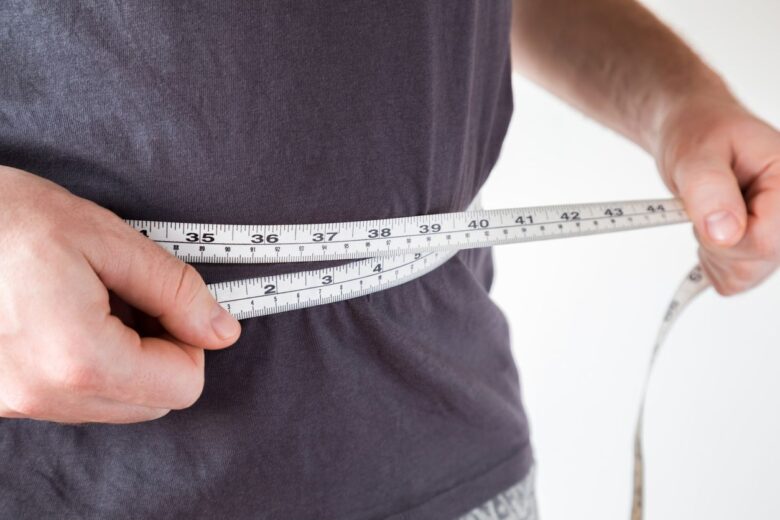
What Is BMI?
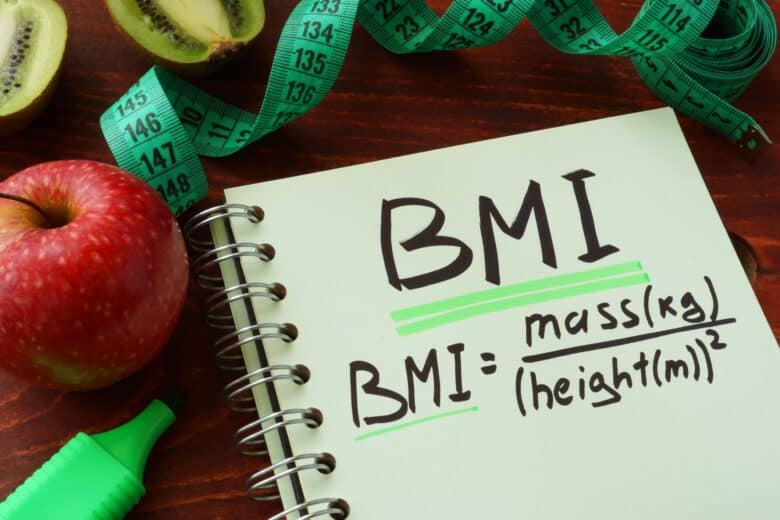
First, what is BMI, and how does BMI work? Put simply, BMI is a measurement of a person’s weight in kilograms divided by their height in meters squared.
Using this equation, you get a number that falls into a category of:
- Underweight
- Normal weight
- Overweight
- Obesity
The idea of BMI emerged way back in 1832. Belgian mathematician Adolphe Quetelet wanted to create measurable characteristics of the “normal man.” He created the Quetelet Index, which is weight divided by height squared.
In 1972, physiologist Ancel Keys built upon Quetelet’s work and coined the term “body mass index.”
Nowadays, BMI is used as a standard screening tool worldwide to measure body composition and disease risk.
But as you can see, the people involved in creating BMI as a health metric weren’t healthcare professionals, nor were they around to experience changes in modern medicine. That’s just one of the criticisms — which we’ll get to soon.

How Do I Calculate My BMI?
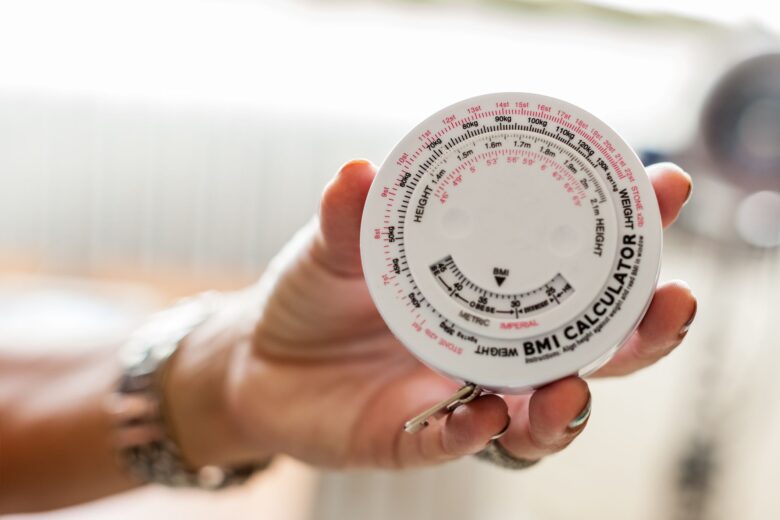
You can calculate your BMI by dividing your weight in kilograms by your height in meters squared. To work it out with pounds and inches:
- Measure your height in inches.
- Square your height.
- Measure your weight in pounds.
- Multiply your weight by 702.
- Divide your weight number by your height number squared.
No worries if you’re not up for doing the math — most people don’t crunch the numbers themselves. For a quicker calculation, use the Hims BMI calculator.
What Is My BMI Range?
Once you have your BMI number, check which BMI range this puts you in based on categories used by the CDC (Centers for Disease Control and Prevention) and WHO (World Health Organization).
Here are the BMI categories:
- Underweight: BMI less than 18.5
- Normal weight: BMI 18.5 to 24.9
- Overweight: BMI 25 to 29.9
- Obesity class I: BMI 30 to 34.9
- Obesity class II: BMI 35 to 39.9
- Obesity class III (extreme obesity): BMI 40 or greater
Having a higher BMI could increase your risk of health conditions like:
- Type 2 diabetes
- High cholesterol
- Cardiovascular disease
- Sleep apnea
- Hypertension (high blood pressure)
- Certain cancers
Based on your BMI, your healthcare provider may recommend making lifestyle changes or other treatments to gain or lose weight.

Is BMI Accurate?
Despite being a go-to screening tool, BMI isn’t always accurate. It can predict health risks associated with obesity, but it can also misclassify certain populations and doesn’t tell the whole story when it comes to your health.
“BMI is a simple tool that gives a quick snapshot of your weight and health, which is a useful place to start,” says Craig Primack MD, FACP, FAAP, FOMA, obesity medicine specialist and Senior Vice President of Weight Management at Hims & Hers. “But remember, it doesn’t capture things like muscle, body composition, or overall lifestyle, and, therefore, it should never be the only measure we rely on.”
Ideally, body mass index should be used alongside other health metrics — like a person’s body fat percentage or waist circumference — to help predict disease risk or give insight into weight loss needs.
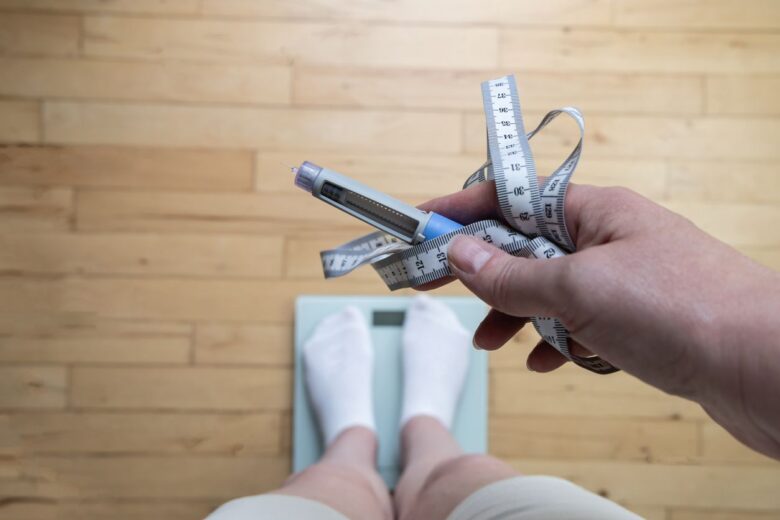
Are BMI Calculators Accurate?
They are in that they give you an exact number based on the standard calculation (rather than flying solo on the math). But the measurement of BMI itself is what comes with problems.
Let’s go over the pros and cons of using BMI.

Pros of Using BMI
Is BMI reliable? Not always. But that doesn’t mean you should ignore it completely. It can be a useful metric in some cases.
Here are the positives of using BMI as a health-measurement tool.

It’s Simple and Widely Accepted
You just need to measure your weight and height to work out your BMI. No blood pressure monitors, special tools, or expensive lab tests required.
Body mass index is widely accepted by healthcare professionals and global organizations as a health measurement.
It’s Quick
Working out your BMI is very quick. You (or a healthcare provider) can figure out your weight status, potential risk for health conditions, and whether you might need to make changes or seek treatment.

It’s Cost-Effective
Calculating your BMI is free. You can’t say the same for other health measurements, such as a dual-energy X-ray absorptiometry (DEXA) scan or hydrostatic (underwater) weighing.

It Provides Insight Into Health Risks
Studies show that having an elevated BMI is associated with an increased risk of conditions like type 2 diabetes, heart disease, and certain cancers.
One study found that those with a high BMI of 30 or more (classified as having obesity) had a 1.5 to 2.7 times higher risk of death over 30 years.
Some good news? Another study found that when people with obesity lost weight, they had about a 15 percent reduction in all-cause mortality (dying for any reason).

It’s Can Guide Preventive Care
Since BMI is so quick and easy to work out, and it can provide insight into health risks, you can use it for preventative care.
A healthcare provider can recommend whether weight gain, weight loss, medication, or lifestyle changes could improve your health in the long run.

Criticisms of BMI
Though it has its benefits, BMI isn’t perfect, and there’s a lot of criticism around it. Here are some of the flaws.

It’s Not Accurate for Everyone
BMI only takes into account a person’s height and weight. So, universal categories may not be accurate across every ethnic group, age, or gender.
The measurement isn’t totally accurate for people who are pregnant, older, or shorter, either.

It Doesn’t Measure Body Fat or Muscle
BMI doesn’t differentiate between body fat and muscle. So, someone with a lot of muscle would have an elevated BMI and may be classified as having obesity, despite having low body fat.

It Doesn’t Take Into Account Any Other Health Markers
BMI doesn’t measure waist circumference, body fat distribution, metabolic health, or cardio fitness — all of which provide insight into disease risk and overall health status.
Because of this, BMI can miss important health markers. Someone with central obesity (more weight around the stomach), for example, might be classified as “normal” weight based on their BMI. But they may, in fact, have an elevated risk of weight-related health issues.
What to Use Instead of (or With) BMI
BMI is a quick and easy way to assess a person’s weight status — and a good starting point for evaluating overall health. But there are other, more accurate measurements to use.
Some of those include:
- Waist-to-hip ratio (WHR). WHR compares the circumference of your waist to that of your hips. This helps to assess central obesity. A higher WHR (more body fat around the middle) is linked to a higher risk of conditions like type 2 diabetes and heart disease.
- Waist-to-height ratio (WHtR). WHtR compares a person’s waist circumference to their height. It can also evaluate central obesity and be a better predictor of cardiometabolic risk (various weight-related health issues) than BMI.
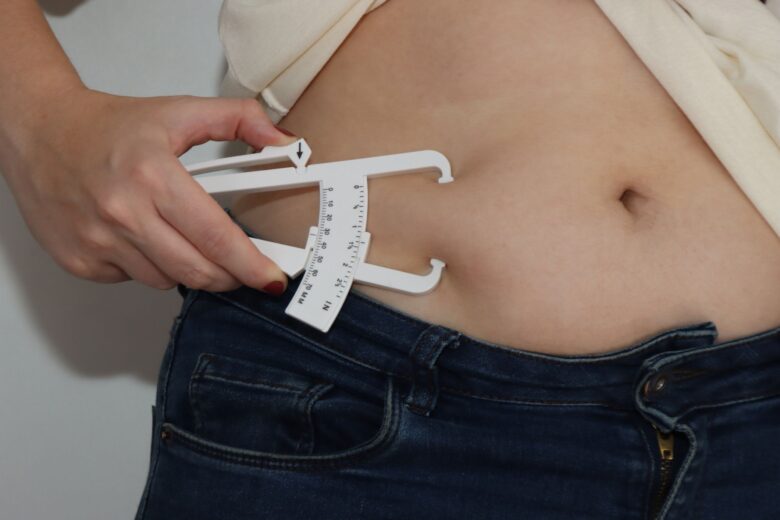
- Body fat percentage. Body fat percentage is how much body fat you have relative to your weight. A higher body fat percentage could indicate a higher risk of related diseases. You can measure body fat percentage with skin calipers, bioelectrical impedance analysis (BIA), or a DEXA scan.
- Visceral fat measurement. Visceral fat is the fat stored deep in the abdomen around internal organs. Having more visceral fat is linked to an increased risk of type 2 diabetes and cardiovascular disease. It’s measured with DEXA, magnetic resonance imaging (MRI), or a computed tomography (CT) scan.
- A body shape index (ABSI). ABSI measures waist circumference, height, and weight. It gives insights into visceral fat and overall risk of death. Unlike BMI, it takes into account body fat distribution and central obesity.
- Physical fitness assessments. Your endurance, muscular strength, and flexibility can provide insights into your overall health beyond your weight.
- Metabolic health markers. Blood pressure, blood sugar levels, lipid profile (levels of fats in the blood), and inflammatory markers can also provide information about a person’s health independent of weight.

Is BMI Accurate for Everyone? Final Thoughts
In short, BMI is a great first step in learning about your weight and health status. But it’s just that: a first step. It’s not accurate for everyone, and it doesn’t take into account key metrics, like waist circumference and body fat percentage.
Here are some final FAQs:
-
Is BMI outdated? You could say that. It can give you an idea of whether you’re at a “normal” body weight for your height. But it doesn’t tell the full story, and it doesn’t take into account ethnicity, age, gender, waist circumference, or other health markers. More up-to-date health measurements can give you more accurate insights.
-
Is BMI a good indicator of health? Kind of. BMI is a quick and easy way to get insight into your risk of weight-related health problems, like type 2 diabetes and heart disease. But it isn’t fully accurate and doesn’t take into account factors like central obesity.
-
Does BMI account for muscle mass? Nope. And that’s a problem. People with more muscle may be classified as having overweight or obesity. Consider pairing BMI with other health measurements to assess your health and weight status.
To sum it all up, you can use BMI as a screening tool to see whether you may benefit from gaining or losing weight.
But take it with a grain of salt, and use BMI with other health tests for a more accurate picture. Consider speaking to a healthcare provider for a personalized look at your health and weight.
- Related: BMI Calculator
- Related: Hypertension
Like MediaFeed’s content? Be sure to follow us.
This article originally appeared on Hims.com and was syndicated by MediaFeed.org.