12 once-loved tourist destinations around the world that tourism ruined
Tourism represents one of humanity’s greatest paradoxes, simultaneously serving as a bridge between cultures while generating economic opportunities that can transform entire regions. When managed thoughtfully, travel creates invaluable connections between people, preserves cultural heritage through financial incentives, and provides communities with sustainable income sources that can protect natural resources for generations. The industry has lifted countless destinations out of poverty while allowing travelers to experience the profound beauty and diversity that our planet offers.
However, the explosive growth of global tourism has revealed a darker reality that challenges our most cherished travel dreams. The very popularity that brings prosperity to destinations can become their ultimate destroyer, creating a vicious cycle where success breeds the conditions for its own downfall. When visitor numbers exceed a location’s carrying capacity, the authentic charm, pristine beauty, and cultural richness that initially attracted travelers begin to crumble under the weight of their collective footsteps.
This article explores twelve beloved destinations around the world where unchecked tourism has fundamentally altered their character, sometimes irreversibly. From pristine beaches transformed into polluted wastelands to ancient cities overwhelmed by crowds, these locations serve as cautionary tales about the urgent need for sustainable travel practices. Their stories remind us that every journey carries responsibility, and that the places we love most desperately need our protection, not just our admiration.

The mechanisms of ruin: how tourism can destroy a destination
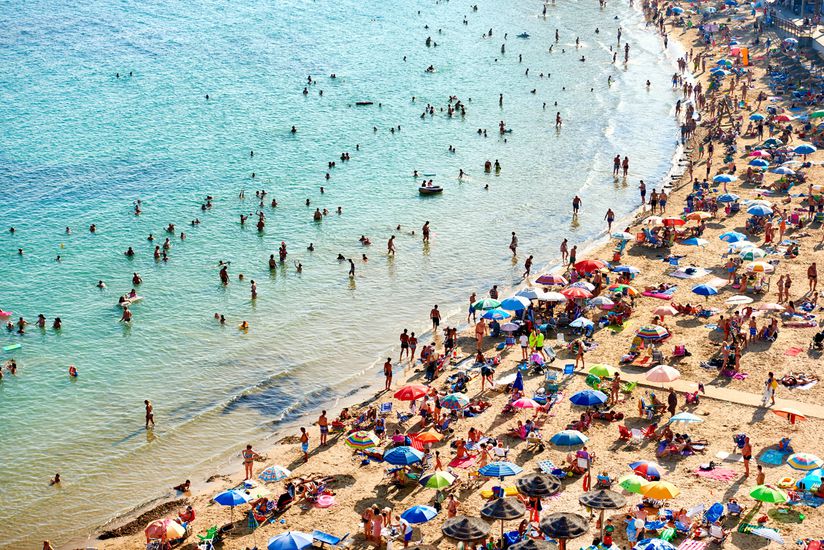
Overcrowding represents the most visible symptom of tourism’s destructive potential, transforming peaceful sanctuaries into chaotic spectacles where visitor experience degrades dramatically. When destinations exceed their carrying capacity, the infrastructure designed for local populations buckles under the pressure of millions of additional visitors each year. Traffic congestion replaces tranquil street scenes, while popular viewpoints become so crowded that appreciating the natural beauty becomes nearly impossible.
Environmental degradation closely follows overcrowding, as fragile ecosystems struggle to cope with unprecedented human impacts. Coral reefs suffer damage from boat anchors and sunscreen chemicals, hiking trails erode under constant foot traffic, and waste management systems collapse under the volume of tourist-generated garbage. Water pollution and air quality deterioration often accompany mass tourism, fundamentally altering the natural environments that initially drew visitors to these areas.
Cultural erosion represents the most insidious form of tourism damage, as authentic local traditions gradually transform into commercialized performances designed for tourist consumption. Rising property values and living costs force longtime residents to relocate, replacing vibrant communities with tourist-oriented businesses that prioritize profit over preservation. This “Disneyfication” of cultural heritage sites strips away the genuine character that made destinations special, leaving behind hollow replicas that satisfy neither visitors seeking authentic experiences nor locals trying to maintain their way of life.
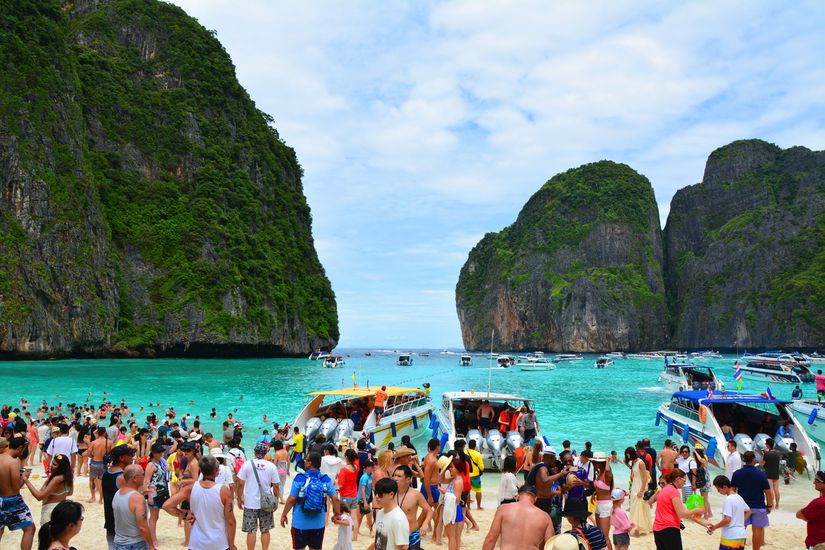
1. Maya Bay, Koh Phi Phi Leh (Thailand)
Maya Bay represented the quintessential tropical paradise, featuring a pristine crescent beach surrounded by towering limestone cliffs and crystal-clear turquoise waters. The bay gained international fame after serving as the primary filming location for “The Beach” starring Leonardo DiCaprio, showcasing its untouched natural beauty to millions of viewers worldwide.
The movie’s popularity triggered an overwhelming invasion of speedboats carrying up to 5,000 visitors daily to this small bay. Boat anchors destroyed coral reef ecosystems, while tourist activities polluted the pristine waters with sunscreen chemicals and garbage. The constant human presence stressed marine life and eroded the sandy beaches that had taken centuries to form.
Thai authorities closed Maya Bay completely in 2018 for environmental rehabilitation, allowing damaged coral reefs to recover and marine life to return. A limited reopening occurred, with strict regulations in place, including visitor caps, designated swimming areas, and mandatory environmental briefings for all tourists.
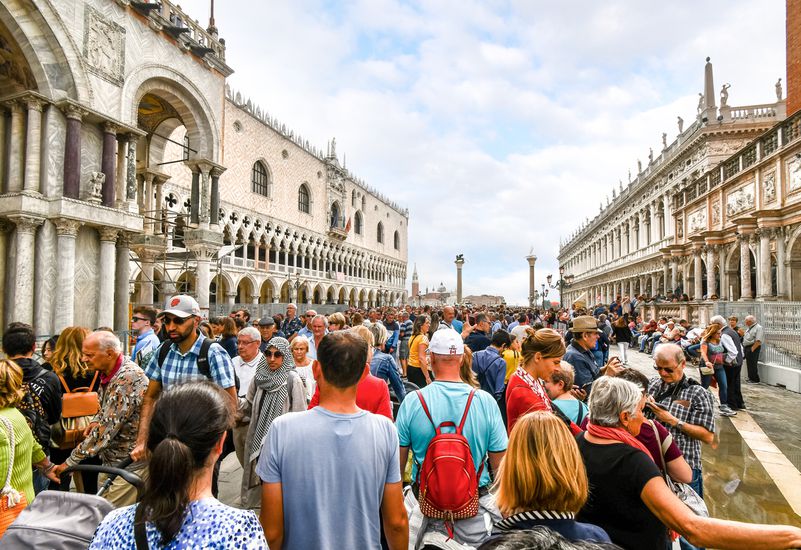
2. Venice (Italy)
Venice captivated visitors for centuries with its unique canal system, stunning Byzantine and Gothic architecture, and romantic atmosphere that seemed frozen in time. The floating city offered an unparalleled cultural experience, featuring world-class art museums, traditional craftspeople, and an authentic Italian lifestyle that was accessible throughout its historic neighborhoods.
Massive cruise ships began dominating the cityscape while discharging up to 30,000 passengers daily into Venice’s narrow streets and squares. Rising accommodation costs forced longtime residents to relocate to the mainland, while traditional businesses closed to make room for souvenir shops and tourist restaurants. The city’s infrastructure, designed for medieval populations, struggles under modern tourism pressure.
Venice implemented tourist taxes and is considering daily visitor limits to manage overcrowding. Debates continue about banning large cruise ships from entering the historic lagoon, while authorities work to preserve the city’s cultural authenticity and livability for remaining residents.

3. Mount Everest (Nepal/Tibet)
Mount Everest represented the ultimate mountaineering challenge, offering experienced climbers the chance to test themselves against the world’s highest peak while experiencing the pristine beauty of the Himalayas. The mountain held profound spiritual significance for local communities, representing humanity’s relationship with nature’s most extreme environments.
Commercial expedition companies transformed Everest climbing into a profitable industry, leading to dangerous overcrowding on summit routes. “Traffic jams” now occur near the summit as hundreds of climbers wait in line, while accumulated waste, including abandoned tents, oxygen bottles, and human waste, litters the mountain’s pristine slopes.
Nepal and China have implemented stricter permit regulations, requiring climbers to bring down specific amounts of waste. Cleanup expeditions regularly remove tons of garbage from the mountain, but the fundamental problems of overcrowding and commercialization persist.
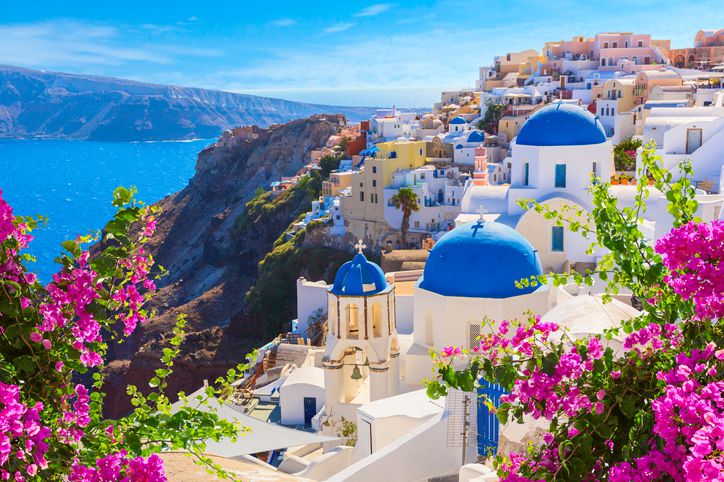
4. Santorini (Greece)
Santorini’s iconic, white-washed buildings, perched on volcanic cliffs, create one of the world’s most photographed landscapes. The island offered visitors authentic Greek island culture, excellent local wines, stunning sunset views, and a peaceful atmosphere that epitomized Mediterranean charm.
Instagram-driven tourism has brought overwhelming crowds seeking the perfect social media photo, with some areas receiving over 15,000 visitors daily, despite having infrastructure for only a fraction of that number. Water shortages became common during the peak season, while traditional businesses were replaced by tourist-oriented establishments that charged inflated prices.
Local authorities implemented limits on cruise ship passengers and promoted alternative attractions to disperse crowds. However, the island continues struggling with peak-season overcrowding and the challenges of maintaining authentic Greek culture amid intense tourism pressure.

5. Dubrovnik (Croatia)
Dubrovnik’s magnificent medieval walls, Renaissance architecture, and stunning Adriatic coastline earned it the nickname “Pearl of the Adriatic.” The UNESCO World Heritage site provided visitors with an authentic glimpse into European history while preserving a vibrant local culture and community.
The city’s popularity surged after it was used as a filming location for “Game of Thrones,” with cruise ship passengers alone reaching 8,000 daily during peak season. The historic old town became so crowded that residents could no longer navigate their streets, while traditional businesses closed to make way for tourist shops and restaurants.
Dubrovnik launched the “Respect the City” campaign and implemented limits on cruise ship arrivals. The city now uses real-time monitoring to manage crowd levels and redirects visitors to less congested areas when capacity limits are reached.

6. Boracay (Philippines)
Boracay’s powdery white sand beaches and crystal-clear waters made it a tropical paradise that consistently ranked among the world’s best beaches. The island offered an affordable luxury experience with excellent diving, vibrant nightlife, and warm Filipino hospitality.
Uncontrolled development led to severe environmental degradation, with raw sewage flowing directly into the ocean and unregulated construction destroying coastal ecosystems. Overcrowding reached critical levels, while water pollution made swimming dangerous in many areas.
The Philippine government closed Boracay completely for six months in 2018, implementing a comprehensive rehabilitation program. The island reopened with strict environmental regulations, visitor limits, and improved waste management systems that have significantly improved water quality.

7. Machu Picchu (Peru)
This sacred Inca citadel perched high in the Andes Mountains represented one of humanity’s most significant archaeological achievements. The site offered visitors a profound connection to ancient civilizations while showcasing breathtaking mountain landscapes and remarkable stone construction techniques.
High foot traffic began causing erosion of ancient pathways and potential structural damage to the delicate ruins. The constant stream of visitors disrupted the site’s spiritual atmosphere while straining local resources and infrastructure in the surrounding Sacred Valley.
Peruvian authorities implemented timed entry tickets, mandatory guided tours, and daily visitor limits of 2,500 people. New circuit routes distribute foot traffic more evenly while protecting the most vulnerable areas of the ancient citadel.

8. The Great Barrier Reef (Australia)
The Great Barrier Reef is the world’s largest coral reef system, supporting extraordinary marine biodiversity and offering unparalleled snorkeling and diving experiences. This natural wonder served as a living laboratory for marine science while providing spiritual and recreational value to millions.
While climate change causes the most significant damage through coral bleaching, tourism contributes to boat anchor damage, irresponsible diving practices, and pollution from coastal development. Some areas experience physical damage from inexperienced snorkelers and divers touching or standing on fragile coral formations.
Current State: Massive conservation efforts include strict marine park regulations, mandatory operator training, and reef restoration projects. However, the reef’s future remains uncertain due to the ongoing impacts of climate change that tourism alone cannot address.

9. Barcelona (Spain)
Barcelona offered visitors an incredible combination of unique Gaudí architecture, vibrant cultural neighborhoods, excellent cuisine, and beautiful Mediterranean beaches. The city struck a perfect balance between historical preservation and modern innovation, offering authentic Spanish lifestyle experiences.
Explosive growth in short-term rentals has driven housing costs beyond the reach of residents, leading to neighborhood gentrification and community displacement. Traditional businesses closed while noise pollution and overcrowding degraded the quality of life for remaining residents, sparking anti-tourism protests.
Barcelona implemented strict regulations on tourist apartments and promoted alternative attractions in the surrounding areas. Local authorities strive to strike a balance between economic benefits and resident needs while managing sustainable visitor growth.
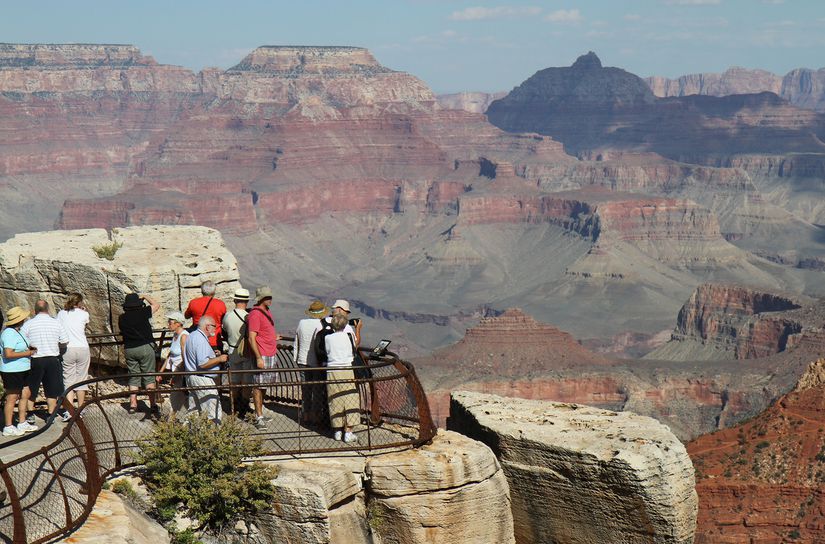
10. The Grand Canyon (USA)
The Grand Canyon offered visitors one of Earth’s most spectacular geological displays, with vast scale and stunning beauty that inspired wonder and reverence. The pristine wilderness experience allowed people to connect with nature while learning about geological processes spanning millions of years.
Popular viewpoints became severely overcrowded, with parking shortages and long waits diminishing the visitor experience. Air pollution from tourist vehicles and noise pollution from helicopter tours disrupted the natural environment, straining park resources and wildlife habitats.
The National Park Service implements timed entry reservations during peak periods and promotes alternative viewpoints to distribute crowds more evenly. Efforts continue to strike a balance between access and preservation, while encouraging sustainable transportation options.

11. Ha Long Bay (Vietnam)
Ha Long Bay’s emerald waters, dotted with thousands of limestone karsts, create a mystical seascape that UNESCO has recognized as a World Heritage site. The bay offered peaceful boat trips through stunning natural formations while showcasing traditional Vietnamese fishing culture.
Uncontrolled tourist boat traffic led to severe water pollution and ecosystem damage, while the dumping of waste degraded water quality throughout the bay. The constant boat traffic disrupted marine life while aggressive competition between tour operators diminished service quality.
Vietnamese authorities implemented stricter regulations on tour operators and improved waste management systems. New environmental standards require boats to meet pollution control measures while limiting the number of boats in sensitive areas daily.

12. The Pyramids of Giza (Egypt)
The Pyramids of Giza represented humanity’s most outstanding ancient architectural achievements, offering visitors a direct connection to pharaonic civilization and profound historical significance. These iconic monuments inspired awe and wonder while educating people about ancient Egyptian culture and their remarkable engineering prowess.
Overwhelming crowds and aggressive vendor harassment created stressful visitor experiences that detracted from the site’s majesty. Erosion from constant foot traffic threatens the ancient structures while commercialization around the site diminishes its historical dignity and spiritual atmosphere.
Egyptian authorities are working to improve visitor management by implementing better crowd control and stricter vendor regulations. New ticketing systems and guided tour requirements aim to enhance the visitor experience while protecting these irreplaceable monuments.
The path forward: sustainable tourism
Education represents the foundation of sustainable tourism, as travelers who understand their impact make more responsible choices that protect destinations while supporting local communities. Responsible tourism practices include researching destinations beforehand, respecting local customs and regulations, selecting accommodations and tour operators that are committed to sustainability, and minimizing environmental impact through conscious consumption and waste reduction.
Government initiatives and local community involvement prove essential for implementing effective tourism management strategies that balance economic benefits with environmental and cultural preservation. Successful programs typically include visitor caps, timed entry systems, ecological education requirements, and revenue-sharing mechanisms that ensure tourism benefits reach residents rather than just international corporations.
Diversification strategies encourage visitors to explore lesser-known destinations, thereby reducing pressure on over-touristed sites while providing economic opportunities to communities that rely on tourism revenue. This approach requires coordinated marketing efforts, infrastructure development in alternative locations, and education campaigns that highlight hidden gems worthy of visitor attention.

Conclusion
The stories of these twelve destinations serve as urgent reminders that our planet’s most precious places face unprecedented threats from the very appreciation they inspire. Every booking decision, every photo shared, and every step taken in these sacred spaces carries consequences that extend far beyond individual travel experiences. The choice between sustainable exploration and destructive consumption rests with each traveler, travel company, and government authority involved in the tourism ecosystem.
The responsibility for preserving these irreplaceable destinations belongs to everyone who benefits from their existence, whether through direct visits, economic opportunities, or simply knowing that such wonders exist on our shared planet. Future generations deserve the chance to experience the same natural beauty, cultural authenticity, and spiritual connection that initially drew millions of travelers to these places. This preservation requires immediate action, sustained commitment, and fundamental changes in how we approach travel and tourism development.
Explore our other travel and sustainability articles here at MediaFeed, where we continue to explore how to experience the world’s wonders while protecting them for generations to come.
Related:
- 22 fascinating places you’re not allowed to visit
9 once-loved American destinations that have been ruined …
Like MediaFeed’s content? Be sure to follow us.
This article was syndicated by MediaFeed.org.