2025’s Top Cities for Pollinator-Friendly Landscaping
Which U.S. cities are using their lawns and gardens to invite and sustain pollinators?
To mark National Pollinator Month, LawnStarter used 11 different metrics to rank 2025’s Top Cities for Pollinator-Friendly Landscaping.
Why is LawnStarter ranking pollinator-friendly cities? No Mow May is shifting to Slow Mow Summer to protect bees and butterflies.
Flutter through our ranking and insights below.

Top 5 Close Up
Check out the slideshow below for highlights on each of our top 5 cities for attracting pollinators.
To learn how we ranked the cities, see our methodology.
No. 1: Seattle
Overall Score: 76.47
Pollinator-Friendly Policies: Has Policy | Rank: 1 (TIE)
Limit on Substances That Hurt Bees: Has Law | Rank: 1 (TIE)
City Has Pesticide Free Zones or Pesticide Restrictions: Yes | Rank: 1 (TIE)
Number of Pollinator Waystations: 19 | Rank: 28
Local tips: The concept of pollinator pathways was originally invented by Seattle-based artist Sarah Bergmann. 22 city parks are currently pesticide-free.
When landscaping in the Emerald City, choose pollinator-friendly Washington native plants such as common camas, common yarrow, and mock orange.
Atlanta
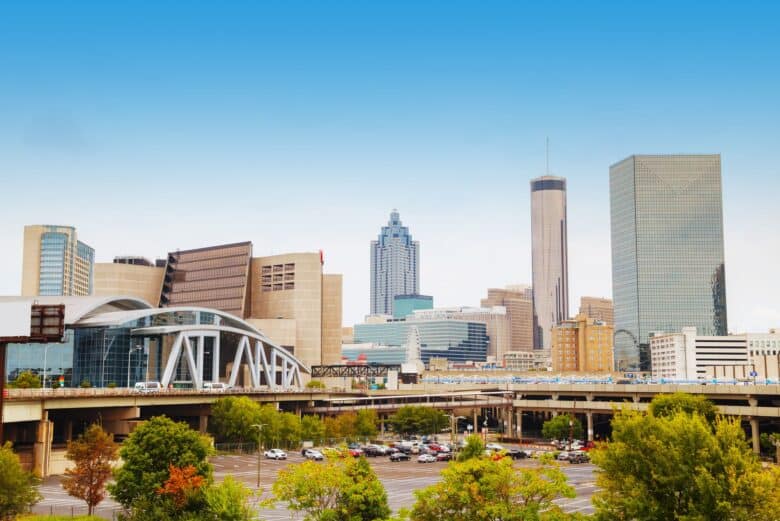
No. 2: Atlanta
Overall Score: 74.83
Pollinator-Friendly Policies: Has Policy | Rank: 1 (TIE)
City Has Pesticide Free Zones or Pesticide Restrictions: Yes | Rank: 1 (TIE)
Number of Butterfly Gardens: 81 | Rank: 1
Number of Pollinator Waystations: 38 | Rank: 10
Local tips: Register your pollinator garden with the Georgia Pollinator Partnership.
Join the Great Southeast Pollinator Census this August, a citizen science project by the University of Georgia.
Try replacing some or all of your turfgrass with a native ground cover.

New York
Overall Score: 71.98
Pollinator-Friendly Policies: Has Policy | Rank: 1 (TIE)
Limit on Substances That Hurt Bees: Has Law | Rank: 1 (TIE)
City Has Pesticide Free Zones or Pesticide Restrictions: Yes | Rank: 1 (TIE)
Number of Pollinator Waystations: 46 | Rank: 28Local tips: Add some New York native plants to your vertical garden to entice pollinators.If you’re among the lucky few NYC residents with grass, consider swapping out your turf for a pollinator-friendly native lawn alternative.
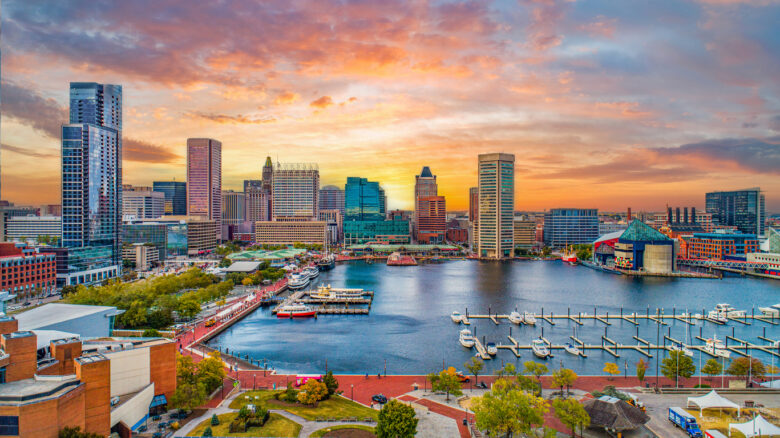
Baltimore
Overall Score: 70.13
Pollinator-Friendly Policies: Has Policy | Rank: 1 (TIE)
Limit on Substances That Hurt Bees: Has Law | Rank: 1 (TIE)
City Has Pesticide Free Zones or Pesticide Restrictions: Yes | Rank: 1 (TIE)
Number of Pollinator Waystations: 16 | Rank: 37Local tips: Maryland’s State Insect — the Baltimore checkerspot — is declining. Fill your landscape with Maryland native plants to help with local pollinator conservation efforts.
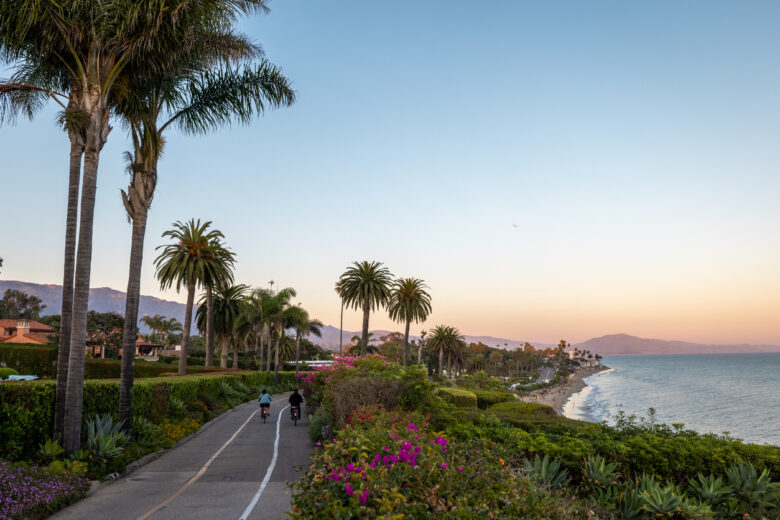
Santa Barbara
Overall Score: 67.68
Pollinator-Friendly Policies: Has Policy | Rank: 1 (TIE)
Limit on Substances That Hurt Bees: Has Law | Rank: 1 (TIE)
City Has Pesticide Free Zones or Pesticide Restrictions: Yes | Rank: 1 (TIE)
Number of Pollinator Waystations: 46 | Rank: 77
Local tips: Fill your Golden State gardens with California native plants and replace your lawn with a California native grass.

Ranking Overview
Cities like Seattle (No. 1), Atlanta (No. 2), and Baltimore (No. 4) score at the top thanks to policies protecting pollinators, urban gardens and other spaces dedicated to pollinators, and high local interest in pollinator-friendly landscaping, according to Google searches.
Cities in 27 states in our ranking — including California, Texas, and New York— received a boost in our rankings for their pollinator-friendly policies. These consist of promoting the use of native plants, creating pollinator habitat protection and management strategies, and funding research initiatives.
49 cities have their own local ordinances for pesticide-free zones or restrictions. Connecticut and Maryland were the first two states to ban neurotoxic pesticides called neonicotinoids back in 2016. Now, 8 states in our ranking have restricted these substances that are harmful to bees.
54 cities in our ranking are affiliates of Bee City USA, meaning their local governments have committed to pollinator conservation.
Near the bottom of our ranking are cities in Southeastern states like Alabama, Florida, and Louisiana because they lack legislation in pollinator conservation and other sustainable initiatives.
Methodology
First, we determined 11 factors (metrics) that are most relevant to rank 2025’s Top Cities for Pollinator-Friendly Landscaping.
We then assigned a weight to each factor based on its importance and grouped those factors into 3 categories: Policy and Local Commitment, Environmental Quality, and Public Engagement and Interest. The categories, factors, and their weights are listed in the table below.
For each of the 500 biggest U.S. cities, we then gathered data on each factor from the sources listed below the table.
Finally, we calculated scores (out of 100 points) for each city to determine its rank in each factor, each category, and overall. A city’s Overall Score is the average of its scores across all factors and categories. The highest Overall Score ranked “Best” (No. 1) and the lowest “Worst” (No. 500).
Notes: The “Worst” among individual factors may not be No. 500 due to ties.

Turn Your Landscape into a Pollinator Paradise
Landscaping with native and nectar-producing plants is important for supporting pollinators like bees, butterflies, and other insects. Even birds, bats, and small mammals can be pollinators.
Eliminating the use of harmful pesticides is key to pollinator conservation — studies have shown they are contributing to ongoing bee population loss.
Use the following tips to help grow a pollinator paradise in your backyard:
- Design a butterfly garden filled with native plants.
- Grow a bee lawn.
- Help save the bees by opting for organic pest control methods.
- Swap out your old mulch for an organic alternative.
- Keep your lawn healthy — it’s the best organic defense against weeds.
- Consider adding shelter or nesting spots to your pollinator garden.
- Celebrate Slow Mow Summer and mow less frequently to keep bees buzzing.
Related:
Like MediaFeed’s content? Be sure to follow us.
This article originally appeared on Lawnstarter.comand was syndicated by MediaFeed.org