
Only people who grew up in 1961 can name all 10 of these household objects
Could you name these without peeking?
Ten household objects from 1961. Each heading is a clue, and the name comes in the first line below it. If you get seven or more, you probably grew up around then.
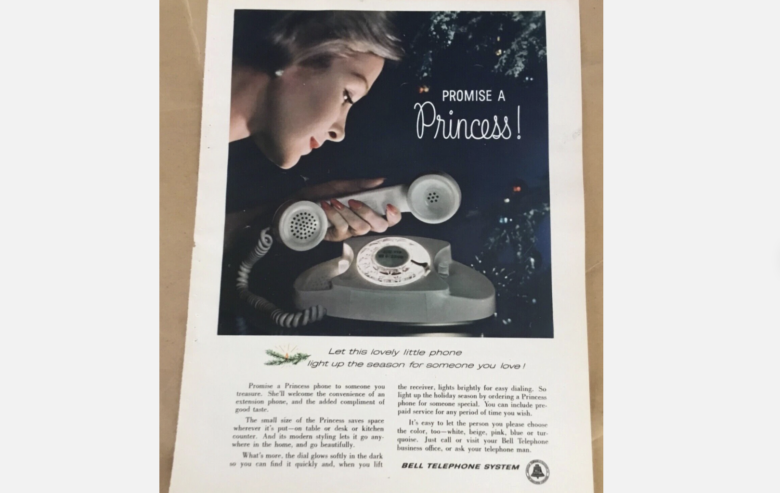
The pink phone that lit up
It was the Princess phone. Designer Henry Dreyfuss made it for Bell in 1959. It was sold as a bedroom phone, with the slogan “It’s little… It’s lovely… It lights,” and it stayed in production until 1994, the Henry Ford Museum notes.
The design team had seen people lying in bed with the heavy Model 500 resting on their stomachs, Cooper Hewitt explains. The Princess took up a third of the space, and it had a night light under the dial, per the Smithsonian.

The Christmas tree you couldn’t water
It was an aluminum tree, usually an Evergleam.
The Aluminum Specialty Company of Manitowoc, Wisconsin, sold more than a million between 1959 and 1969. A revolving color wheel did the lighting, the Henry Ford Museum says. The 1965 special “A Charlie Brown Christmas” gets the blame for its decline.
Trees ran from two to seven feet and sold for $5 to $25, Light Metal Age reports.
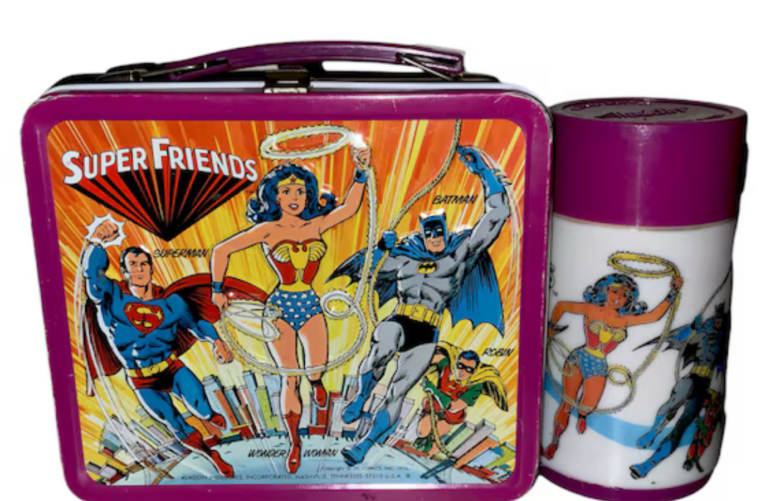
The lunch box with the matching thermos
It was a metal lunchbox with a matching thermos. Aladdin Industries made the first one, with TV cowboy Hopalong Cassidy, in 1950. It sold 600,000 in its first year, NPR reported.
By 1963, a Jetsons box was a hit. By 1986, Aladdin and Thermos were making only plastic ones, Antique Trader notes.
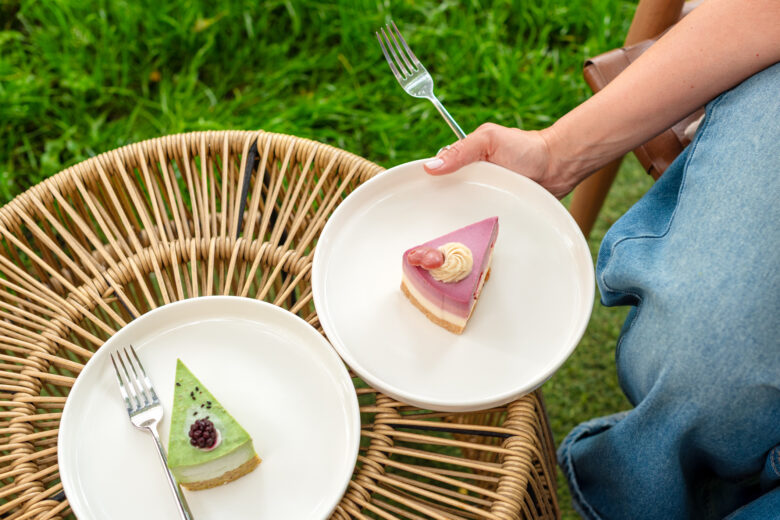
The pale plates that wouldn’t break
Do you remember Melmac? The name belonged to American Cyanamid’s melamine plastic. Magazines in the early 1950s pushed it as a “wonder plastic,” one antiques writer says. By the late 1950s and 1960s, it was in just about every American home.
Designer Russel Wright made Melmac lines. His “Residential” set won MoMA Good Design awards in 1953 and 1954, per HubPages.
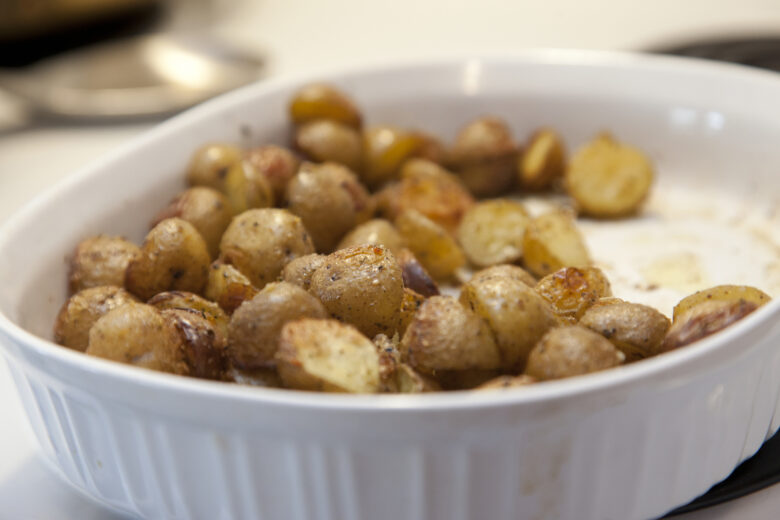
The white dish with blue flowers
A scientist named Donald Stookey accidentally overheated a piece of glass in 1953, and it became a new material. It was CorningWare. Corning Glass Works introduced the cookware in 1958. It was very popular in the 1960s and ’70s.
The Blue Cornflower pattern ran from 1958 to 1988.
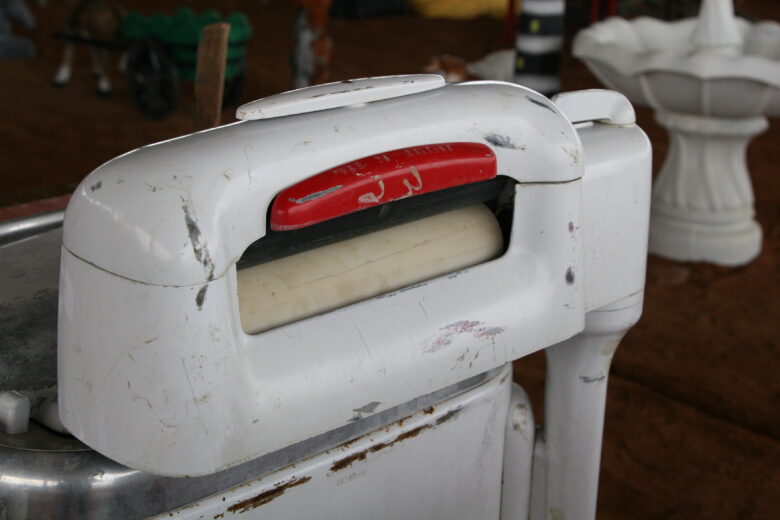
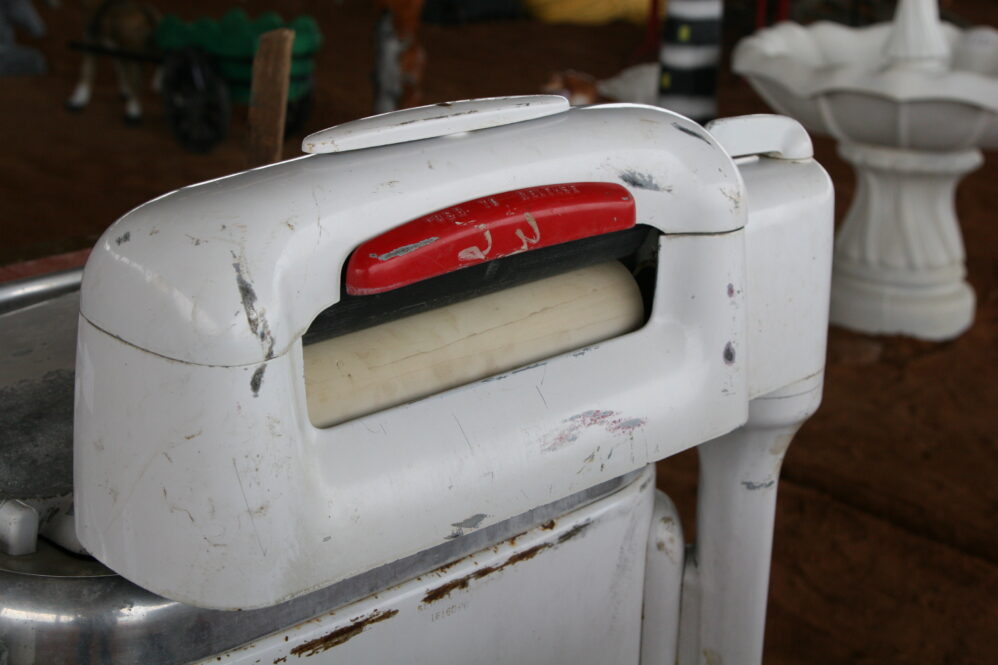
The washer with two rollers on top
It was a wringer washer. In the 1960 census, 34.8 percent of households had a wringer or separate spinner, and 46.3 percent had an automatic or semi-automatic machine. Only 21.2 percent had a dryer, one analysis of the census shows.
By 1970, just 11.3 percent still had a wringer, and 49.3 percent had a dryer.
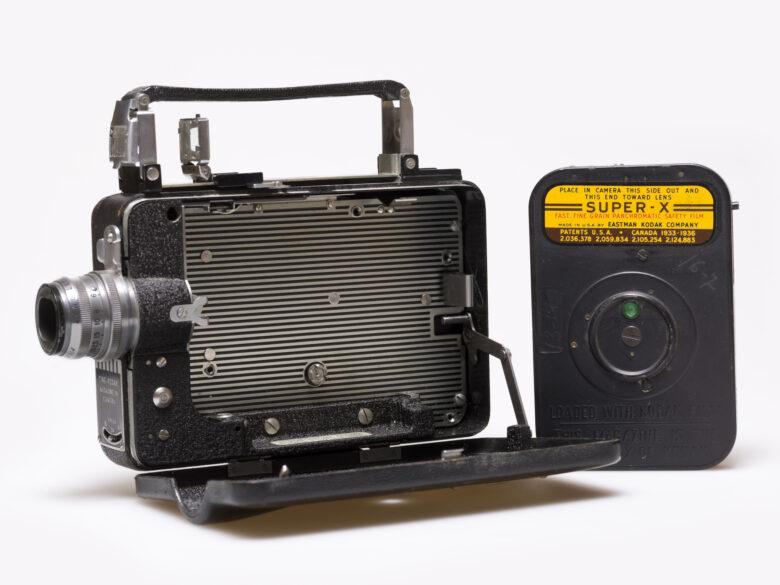
The silent movies you made yourself
Kodak introduced the 8mm format in 1932, and cameras and projectors were affordable and widespread by the 1950s. The films were silent, and families played them on living room walls, Selectism reports.
Kodak’s easier-loading Super 8 arrived in 1965, Capture says.
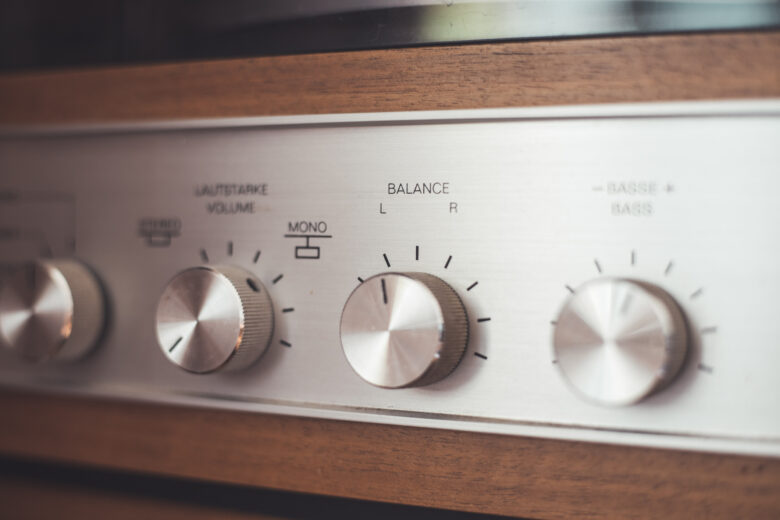
The furniture that played records
The console stereo: a single wooden cabinet held a turntable, an AM/FM radio, and speakers. For about two decades, it was the living room’s centerpiece, Click Americana says. One Zenith model hid its speakers behind louvered doors.
1961 mattered for them. The FCC authorized FM stereo that April, and on June 1, WGFM in Schenectady, New York, became the first station to broadcast it, the FCC notes.

The supplies nobody wanted to need
It was a fallout shelter kit. On July 25, 1961, President Kennedy gave a televised speech on the Berlin Crisis and urged families to prepare. That September, Life magazine ran a cover story with a letter from him encouraging families to prepare, the National Park Service notes.
Requests for civil defense information jumped. “Survival stores” sold filters, first-aid kits, dried food, and canned water, EBSCO reports.

The radio small enough for a pocket
It was a transistor radio. The first, the Regency TR-1, went on sale in 1954 for $49.95. It sold over 100,000, the Computer History Museum says.
Then Japanese imports made them cheap. By 1959, six million had shipped to the U.S., Encyclopedia.com notes. By the early ’60s, plenty of kids had one, one nostalgia site says.

The bottom line
In the 1960 census, about 35 percent of U.S. households still used a wringer or separate spinner, and only 21 percent had a dryer. On June 1, 1961, WGFM in Schenectady became the first U.S. station to broadcast in FM stereo.
Ask us! What questions do you have about content, strategy, pop culture, lifestyle, wellness, history or more? We may use your question in an upcoming article!
Related:
- 8 places and discoveries where exploration has limits
- Some of the most surprising record deals in music history
Like MediaFeed’s content? Be sure to follow us.
This article was syndicated by MediaFeed.co.