’60s stars who quietly disappeared from the spotlight
The 1960s transformed countless performers into global icons through revolutionary cultural shifts that redefined entertainment, music, and the concept of celebrity itself. This turbulent decade launched careers with unprecedented velocity, creating stars whose faces and voices became synonymous with social change, artistic innovation, and generational rebellion. Yet for every enduring legend who maintained their prominence across subsequent decades, numerous equally talented individuals found themselves choosing or experiencing dramatically different trajectories that led away from public attention.
Fame’s ephemeral nature became particularly evident as the decade drew to a close and cultural tastes evolved rapidly. Many performers who seemed destined for lasting stardom discovered that their particular styles, personas, or circumstances no longer aligned with changing audience expectations. Others made deliberate decisions to step away from the spotlight, prioritizing personal fulfillment over continued celebrity. Some faced challenges that made sustained public careers impossible or undesirable.
This article explores ten prominent figures from the 1960s who, for various compelling reasons, faded from public view after achieving significant recognition. Their stories reveal the complex relationship between talent, timing, personal choice, and the unpredictable nature of sustained fame in an industry that constantly demands reinvention and adaptation.

1. Doris Day
Doris Day dominated Hollywood box offices throughout the early 1960s, ranking as one of America’s most bankable stars through her wholesome image and versatile performances in romantic comedies and musicals. Her films, such as “Pillow Talk” and “That Touch of Mink,” established her as the quintessential girl-next-door, and her recording career produced numerous hit singles that showcased her distinctive vocal style.
Day’s withdrawal from Hollywood occurred gradually during the late 1960s, as she transitioned briefly to television with “The Doris Day Show” before retiring from acting entirely. Her decision reflected personal priorities that valued private life over continued entertainment career demands. She discovered fulfillment through animal welfare activism, becoming a passionate advocate for animal rights causes that dominated her attention for decades.
The actress spent her final decades in Carmel, California, where she operated animal welfare organizations and maintained almost complete privacy until she died in 2019. Her post-Hollywood life demonstrated how major stars could find meaningful purpose beyond entertainment industry recognition, achieving personal satisfaction through causes that mattered more to her than sustained celebrity.

2. Pete Best
Pete Best served as The Beatles’ drummer during their crucial formative period, performing with the band throughout their Hamburg residencies and Liverpool club appearances that built their initial reputation. His steady rhythm section work supported the group’s early material, and he appeared on early recordings that captured their raw energy before achieving international recognition. Music historians credit his contributions to establishing the band’s fundamental sound during their developmental years.
The devastating dismissal from The Beatles in August 1962, just before their breakthrough single “Love Me Do,” created a trauma that essentially ended Best’s music career for decades. His replacement by Ringo Starr occurred without warning, leaving him emotionally shattered as he watched his former bandmates achieve unprecedented global success. The psychological impact proved so severe that he abandoned music entirely, seeking stability in conventional employment.
Best worked as a civil servant for over twenty years, deliberately avoiding the music industry that had caused such profound disappointment. His eventual return to music in 1988 with The Pete Best Band represented a hard-won peace with his past, allowing him to perform Beatles-era material without bitterness. His story illustrates how career setbacks can redirect lives toward unexpected but ultimately satisfying paths.
3. Shelley Duvall
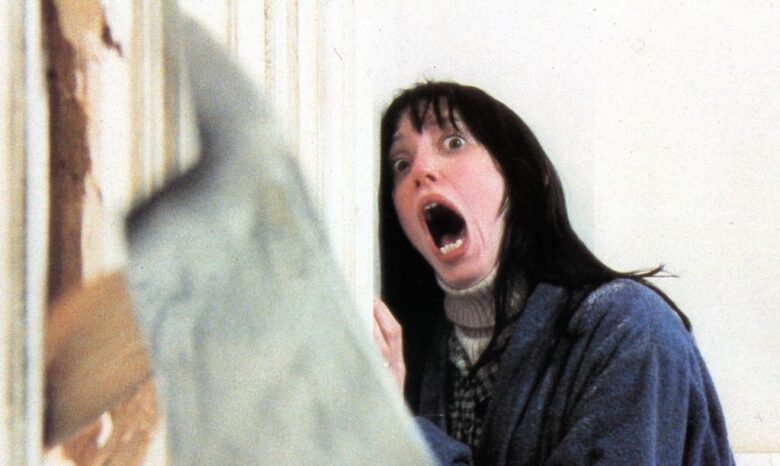
Robert Altman discovered Shelley Duvall and cast her in multiple films throughout the early 1970s, though her career began in the late 1960s. Her unconventional appearance and naturalistic acting style made her a perfect fit for Altman’s ensemble pieces, such as “Brewster McCloud” and “McCabe & Mrs. Miller.” Critics praised her ability to bring authenticity to quirky characters that might have seemed artificial in the hands of less capable writers.
Duvall’s gradual withdrawal from acting spanned several years, culminating in her last significant film role in 2002. Her retreat from public life became complete, and she avoided interviews or public appearances for over a decade. Various factors contributed to her reclusiveness, including reported struggles with mental health issues that made public exposure difficult to manage.
Her 2016 television interview sparked widespread concern about her well-being, leading to support from The Actors Fund and renewed attention to the challenges faced by former performers dealing with personal difficulties. Duvall’s situation highlighted the importance of mental health support for entertainment industry veterans who may lack adequate resources during vulnerable periods.

4. Skip Spence
Skip Spence’s musical journey began as the original drummer of Jefferson Airplane, before his songwriting talents led him to co-found Moby Grape, one of San Francisco’s most promising psychedelic bands. His guitar work and compositions on albums like “Moby Grape” and “Omaha” established him as a significant creative force in the burgeoning psychedelic scene.
Mental health struggles, exacerbated by drug use every day in the psychedelic era, derailed Spence’s promising career trajectory. His erratic behavior led to institutionalization and essentially ended his involvement with Moby Grape during their peak years. The combination of psychological challenges and substance abuse made sustained musical collaboration increasingly difficult.
Spence’s solo album, “Oar,” recorded after his hospitalization, became a cult classic decades later, although it attracted little attention upon its release. He lived reclusively for most of his remaining years, rarely performing or recording, until his death in 1999. His posthumous recognition as an underappreciated genius demonstrates how mental health challenges can derail careers that might otherwise have achieved lasting success.
5. Vaughn Meader
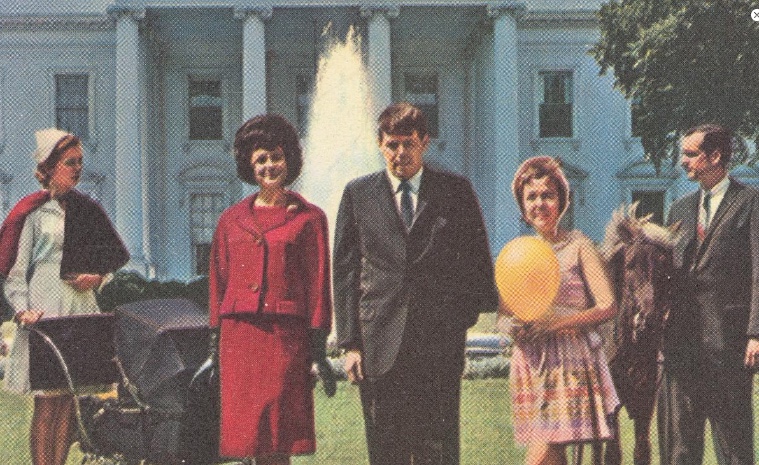
Vaughn Meader achieved extraordinary success through his uncanny vocal impression of President John F. Kennedy, particularly with his 1962 comedy album “The First Family.” The recording became one of the fastest-selling albums in history, establishing Meader as a household name virtually overnight. His Kennedy impersonation was so accurate that even members of the Kennedy family praised its authenticity and humor.
The November 1963 assassination instantly and permanently ended Meader’s career, as his signature act became culturally inappropriate overnight. The tragic event transformed his greatest asset into an impossible liability, leaving him without a viable professional identity. His attempts to develop new material or transition to different forms of entertainment never achieved meaningful success.
Meader’s subsequent decades involved various failed comeback attempts, struggles with addiction, and eventual withdrawal from public life. His story represents one of entertainment history’s most dramatic examples of how external events can destroy a career regardless of talent or popularity. His eventual religious conversion brought him personal solace, although it did not restore his professional prominence.

6. Johnny Rivers
Johnny Rivers dominated mid-1960s rock radio with his energetic live recordings and covers of contemporary songs, particularly hits like “Memphis” and “Secret Agent Man.” His distinctive style combined rock and roll energy with sophisticated production techniques, making his recordings sound fresh and contemporary. His live performances at venues like the Whisky a Go Go helped establish the Los Angeles rock scene’s reputation for innovative entertainment.
Rivers’ commercial success declined as musical tastes shifted toward psychedelia and harder rock styles that didn’t suit his more traditional approach. His clean-cut image and straightforward rock style became less relevant as audiences embraced more experimental and rebellious musical forms. The changing landscape made it increasingly challenging to maintain mainstream relevance.
However, Rivers continued recording and touring throughout subsequent decades, maintaining a loyal fanbase even without achieving his previous commercial heights. His selective touring and recording schedule allowed him to preserve his artistic integrity without compromising to chase trends. His career demonstrates how some performers can find sustainable satisfaction in reduced but meaningful artistic output.

7. Audrey Hepburn
Audrey Hepburn reached the pinnacle of Hollywood stardom during the early 1960s with iconic performances in “Breakfast at Tiffany’s” and “My Fair Lady.” Her distinctive style, elegance, and acting ability made her one of cinema’s most beloved figures, and her fashion influence extended far beyond entertainment into cultural trendsetting. Critics and audiences consistently praised her ability to combine sophistication with accessibility in her screen performances.
Hepburn began scaling back her acting career during the mid-1960s, prioritizing family life over continued Hollywood prominence. Her decision reflected personal values that prioritized relationships and personal fulfillment over professional achievement. This choice meant declining numerous high-profile projects that might have sustained her career at peak levels.
Her transition to humanitarian work as a UNICEF Goodwill Ambassador beginning in 1988 provided a meaningful purpose that satisfied her desire to make a positive global impact. This role allowed her to use her celebrity status for causes she considered more important than entertainment. Her dedication to humanitarian causes, which continued until she died in 1993, demonstrated how stars can find fulfillment through service rather than continued performance.
8. Cary Grant
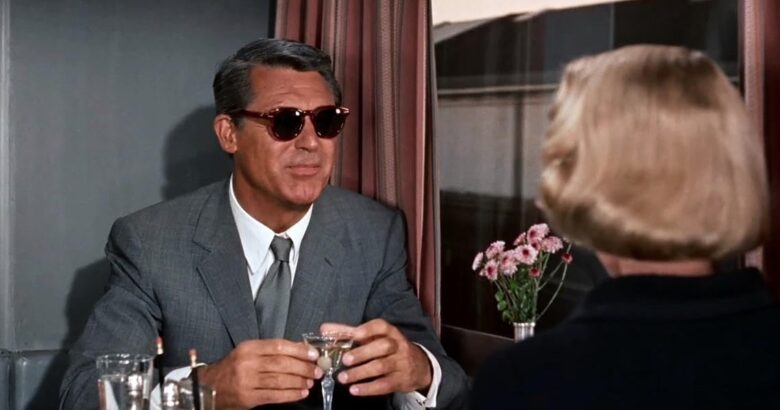
Cary Grant maintained his leading man status throughout the early 1960s with sophisticated performances in films like “Charade” and “Father Goose.” His debonair persona and impeccable comedic timing made him one of Hollywood’s most reliable stars, capable of carrying both romantic comedies and dramatic thrillers with equal success. His professionalism and screen presence remained undiminished despite being in his late fifties.
Grant’s surprising retirement announcement in 1966 shocked the entertainment industry, as he remained popular and could have continued working for many more years. His decision reflected personal priorities that valued private life and business interests over continued acting demands. The choice demonstrated remarkable self-awareness about when to conclude a successful career on his own terms.
Grant’s post-Hollywood life focused on business ventures, including serving on corporate boards and raising his daughter, Jennifer. His successful transition to private life demonstrated that major stars could find satisfaction beyond the entertainment industry’s recognition. His decision to retire at the height of his powers rather than gradually declining showed wisdom that many performers might have benefited from emulating.

9. Bobby Sherman
Bobby Sherman achieved massive teen idol status during the late 1960s and early 1970s, thanks to hit songs like “Little Woman” and his television appearances, which made him a household name among young audiences. His clean-cut image and pop sensibilities perfectly matched the pre-rock era’s final moments, making him enormously popular with specific demographic groups. His recording success and television visibility established him as one of the era’s most recognizable young performers.
Sherman’s music career declined as musical tastes shifted toward more sophisticated and rebellious forms, making his wholesome image seem outdated. The changing cultural landscape left little room for his particular style of entertainment, making it increasingly challenging to maintain relevance. His gradual retreat from entertainment reflected both changing industry dynamics and personal evolution.
His transition to emergency medical services and police work represented a complete career transformation that prioritized public service over entertainment recognition. This dramatic change demonstrated how former performers could find meaningful purpose in entirely different fields. Sherman’s successful second career demonstrated that entertainment industry skills could be translated into valuable contributions in other areas of society.

10. Joe Cocker
Joe Cocker achieved breakthrough success with his distinctive vocal interpretations of popular songs, particularly his version of “With a Little Help from My Friends” and his legendary performance at the Woodstock festival. His gritty, emotional delivery style and dynamic stage presence made him one of rock music’s most compelling performers. His early recordings demonstrated a remarkable ability to transform familiar material into deeply personal artistic statements.
Cocker’s career faced significant challenges during the early 1970s due to substance abuse issues that affected his performances and public appearances. These struggles led to periods of reduced visibility and canceled tours, which damaged his professional reputation. The combination of personal problems and changing musical trends made sustained success difficult to maintain.
However, Cocker’s eventual recovery and comeback during the 1980s proved that some career interruptions can be temporary rather than permanent. His triumphant return to recording and touring demonstrated remarkable resilience and artistic longevity. His continued popularity until his death in 2014 showed how genuine talent can overcome temporary setbacks when combined with personal determination and professional support.
Conclusion
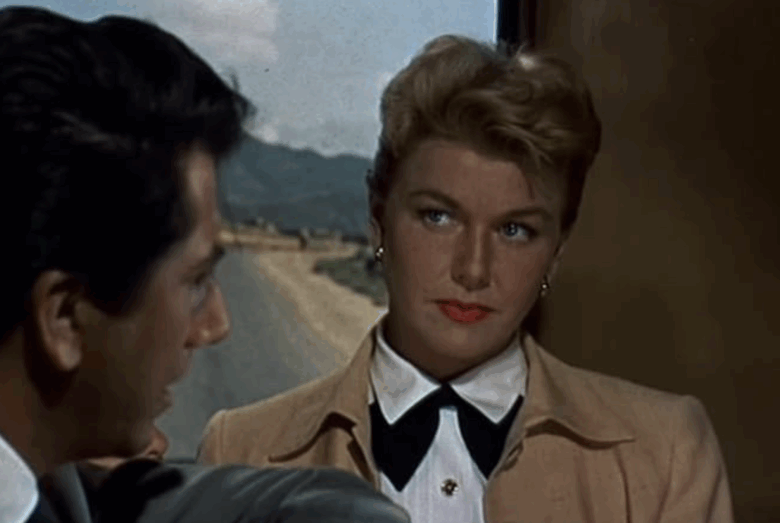
These diverse career trajectories illustrate the multiple factors that can lead prominent performers away from sustained public attention. Personal choice, changing industry trends, mental health challenges, and shifting life priorities all played roles in redirecting these careers toward different forms of fulfillment. Some found meaningful purpose in entirely different fields. In contrast, others maintained smaller-scale artistic output, and several discovered satisfaction in their private life that exceeded their achievements in the entertainment industry.
The stories reveal how celebrity culture often fails to account for performers’ human needs for growth, privacy, and personal evolution beyond their public personas. Many of these individuals found greater happiness and fulfillment after stepping away from the demanding expectations of sustained stardom. Their experiences suggest that career longevity should not be the only measure of a successful artistic life.
Explore our other entertainment retrospectives here at MediaFeed, where we delve into the personalities and cultural moments that have shaped decades of popular entertainment history.
Related:
- 13 unforgettable stars & starlettes we still fawn over
- 11 forgotten ’70s actors only a true Boomer could name
Like MediaFeed’s content? Be sure to follow us.
This article was syndicated by MediaFeed.org.