
The golden years of retirement represent the culmination of decades of hard work and careful planning, yet many Americans approach this milestone with a nagging sense of financial uncertainty. While the dream of a comfortable retirement remains universal, the reality of making limited savings stretch across potentially decades of post-work life creates genuine anxiety for millions approaching this major life transition. The challenge becomes even more complex when considering the rising costs of healthcare, housing, and daily living expenses that increase faster than traditional savings vehicles can keep pace.
Half a million dollars represents a substantial achievement for most American savers. Yet, this amount often feels insufficient when viewed against the backdrop of retirement planning calculators and financial advisors’ recommendations. Traditional retirement wisdom suggests that retirees need significantly more to maintain their pre-retirement lifestyle, particularly in high-cost metropolitan areas where housing alone can consume the majority of a fixed income. This perceived shortfall leaves many potential retirees wondering whether their years of diligent saving will provide the security and comfort they envisioned.
The transformative power of geographic arbitrage offers a realistic solution to this widespread retirement dilemma, demonstrating that strategic location choices can dramatically extend the purchasing power of modest savings accounts. When combined with Social Security benefits, a $500,000 retirement nest egg can provide years of comfortable living in carefully chosen states that offer favorable tax structures, reasonable living costs, and quality amenities that enhance rather than diminish the retirement experience.
Image Credit: Jacob Wackerhausen/istockphoto.
Key factors for affordable retirement

Cost of living variations across American states create dramatic differences in how far retirement dollars can stretch, with housing representing the single most significant factor in these calculations. Geographic differences in real estate markets, utility costs, grocery prices, and transportation expenses can mean the difference between a modest retirement and a truly comfortable one. States with lower housing costs often provide additional savings in property taxes, insurance premiums, and maintenance expenses that compound over time.
Tax policy represents another crucial consideration for retirees seeking to maximize their income, as state-level tax treatment of retirement income varies dramatically across the country. Some states impose no income tax whatsoever, while others specifically exempt Social Security benefits, pension income, or retirement account withdrawals from taxation. These tax advantages can add thousands of dollars annually to retirees’ disposable income, effectively extending the life of their savings without requiring any lifestyle compromises.
Healthcare costs represent a significant concern for retirees, even with Medicare coverage, as supplemental insurance, prescription medications, and long-term care expenses can vary substantially by location. States with competitive insurance markets, lower prescription drug costs, and comprehensive senior services can help retirees manage these essential expenses more effectively. Climate considerations also impact both lifestyle satisfaction and practical expenses, as temperate weather reduces heating and cooling costs while potentially supporting more active, healthy aging.
The following 24 states offer the best opportunities to start your retirement life anew while maximizing every dollar of your savings.
Image Credit: g-stockstudio/Istockphoto.
1. West Virginia

$500K + Social Security Will Last: 18 Years
West Virginia leads the nation in retirement affordability with annual expenditures after Social Security of just $27,846, making it possible for modest savings to stretch nearly two decades. The state offers low housing costs throughout most regions, reasonable property taxes, and significantly below-average costs for groceries, utilities, and transportation.
Mountain State living provides access to stunning natural beauty, outdoor recreation opportunities, and tight-knit communities that often welcome newcomers. The slower pace of life appeals to retirees seeking escape from urban pressures, while the state’s rich cultural heritage offers unique experiences unavailable elsewhere.
Image Credit: istockphoto.
2. Kansas

$500K + Social Security Will Last: 17.3 Years
Kansas combines moderate living costs with retiree-friendly tax policies, including full exemption of Social Security benefits from state income tax and partial exemptions for other retirement income—annual expenditures after Social Security average $28,988, reflecting reasonable costs across all major spending categories.
Prairie living offers wide open spaces, affordable cultural amenities, and strong communities with Midwestern values. The state provides access to quality healthcare systems, reasonable climate conditions, and cost-effective recreational opportunities that support active aging.
Image Credit: Sean Pavone/istockphoto.
3. Mississippi

$500K + Social Security Will Last: 17 Years
Mississippi’s low cost of living translates to annual expenditures of $29,468 after Social Security. At the same time, the state offers favorable tax treatment for retirees, including exemptions for certain retirement income and reasonable property tax rates. Housing costs remain among the lowest in the nation.
Southern hospitality, mild winters, and rich cultural traditions create an appealing environment for retirees who appreciate history, music, and traditional community values. The state offers excellent fishing, mild weather, and a relaxed pace of life.
Image Credit: SeanPavonePhoto/istockphoto.
4. Oklahoma

$500K + Social Security Will Last: 16.8 Years
Oklahoma provides excellent value with annual expenditures of $29,709 after Social Security, combined with no state tax on Social Security benefits and a reasonable overall tax burden. Energy costs remain low due to local production, while housing markets offer affordability across urban and rural areas.
he Sooner State combines Western heritage with modern amenities, offering retirees access to outdoor recreation, cultural attractions, and friendly communities. Weather patterns provide mild winters and reasonable summer conditions for most activities.
Image Credit: Sean Pavone // istockphoto.
5. Alabama

$500K + Social Security Will Last: 16.5 Years
Alabama offers annual expenditures of $30,249 after Social Security, enhanced by tax benefits for retirees, including exemptions for certain retirement income and low property tax rates. The state provides excellent value in housing, utilities, and everyday expenses.
Lifestyle: Southern charm, Gulf Coast access, mild climate, and strong community ties create an attractive retirement environment. The state offers diverse geography from mountains to coastline, providing options for various lifestyle preferences.
Image Credit: Sean Pavone.
6. Missouri

$500K + Social Security Will Last: 16.5 Years
Missouri ties with Arkansas at annual expenditures of $30,370 after Social Security, while offering partial exemptions for retirement income and no tax on Social Security benefits. The state provides reasonable costs across all major categories, with particular strength in housing affordability.
Show Me State living combines urban amenities in cities like Kansas City and St. Louis with rural charm throughout the state. Cultural attractions, outdoor recreation, and a central location provide excellent access to family and travel opportunities.
Image Credit: istockphoto.
7. Arkansas

$500K + Social Security Will Last: 16.5 Years
Arkansas matches Missouri with $30,370 in annual expenditures after Social Security, while providing tax advantages, including partial exemptions for retirement income and a reasonable overall tax burden. Housing costs remain significantly below national averages.
Natural State beauty includes mountains, lakes, and outdoor recreation opportunities that support active aging. The state offers southern hospitality, mild climate, and affordable cultural amenities that enhance retirement satisfaction.
Image Credit: Brandon Olafsson/istockphoto.
8. Tennessee

$500K + Social Security Will Last: 16.1 Years
Tennessee provides exceptional value with annual expenditures of $30,970 after Social Security, enhanced by no state income tax whatsoever, making it particularly attractive for retirees with multiple income sources. Property taxes remain reasonable while providing good public services.
Volunteer State living offers music heritage, beautiful landscapes, and diverse geography from mountains to plains. The state provides excellent healthcare systems, cultural attractions, and outdoor recreation opportunities.
Image Credit: istockphoto.
9. Iowa
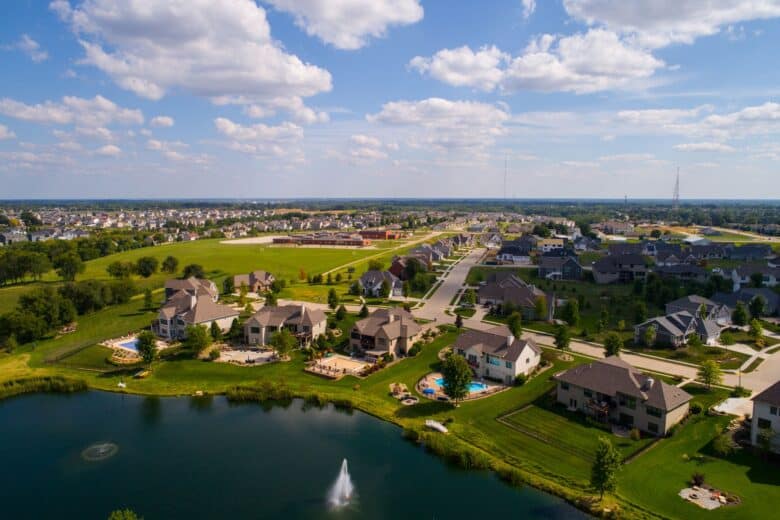
$500K + Social Security Will Last: 16 Years
Iowa combines annual expenditures of $31,211 after Social Security with retiree-friendly tax policies, including exemptions for retirement income and reasonable property tax rates. The state offers excellent value in housing, healthcare, and daily living expenses.
Hawkeye State communities pride themselves on safety, friendliness, and quality of life that support comfortable aging. The state provides access to quality healthcare, cultural amenities, and outdoor recreation opportunities.
Image Credit: felixmizioznikov / iStock.
10. Indiana

$500K + Social Security Will Last: 15.8 Years
Indiana offers annual expenditures of $31,752 after Social Security while providing tax benefits for retirees, including exemptions for certain retirement income and competitive overall tax rates. Housing costs remain well below national averages throughout most of the state.
Hoosier State living combines Midwestern values with reasonable access to larger cities, cultural attractions, and outdoor recreation. The state offers four distinct seasons, friendly communities, and cost-effective entertainment options.
Image Credit: Ultima_Gaina/iStock.
11. Georgia

$500K + Social Security Will Last: 15.7 Years
Georgia provides annual expenditures of $31,872 after Social Security, enhanced by retirement income exemptions and competitive tax rates. The state offers diverse housing options from urban to rural settings with reasonable costs throughout most regions.
Peach State living offers mild climate, southern hospitality, and diverse geography from mountains to coastline. The state provides excellent healthcare systems, cultural attractions, and outdoor recreation opportunities that support active aging.
Image Credit: suesmith2 / istockphoto.
12. North Dakota

$500K + Social Security Will Last: 15.5 Years
North Dakota combines annual expenditures of $32,232 after Social Security with a moderate tax burden and reasonable living costs despite energy sector prosperity. The state offers stability, low unemployment, and strong community services.
Peace Garden State communities offer safety, outdoor recreation, and strong social services that support retirement security. While winters are challenging, the state provides excellent healthcare and community support systems.
Image Credit: DepositPhotos.com.
13. Michigan

$500K + Social Security Will Last: 15.5 Years
Michigan ties with South Dakota at annual expenditures of $32,352 after Social Security, while offering retirement income exemptions and competitive housing costs throughout most regions. The state provides excellent value in healthcare and cultural amenities.
Great Lakes State living offers four seasons, water recreation, cultural attractions, and friendly communities. The state provides access to quality healthcare, outdoor recreation, and diverse entertainment options.
Image Credit: TracieMichelle / istockphoto.
14. South Dakota

$500K + Social Security Will Last: 15.5 Years
South Dakota matches Michigan with $32,352 in annual expenditures after Social Security, enhanced by no state income tax and low overall tax burden. The state offers reasonable living costs and strong community services.
Mount Rushmore State living provides outdoor recreation, small-town communities, and natural beauty that support active aging. The state offers safety, friendly residents, and cost-effective entertainment options.
Image Credit: istockphoto.
15. Texas

$500K + Social Security Will Last: 15.4 Years
Texas offers annual expenditures of $32,533 after Social Security, combined with no state income tax, making it particularly attractive for retirees with diverse income sources. The state provides competitive costs in most regions outside major metropolitan areas.
Lone Star State living offers diverse geography, cultural attractions, and strong community pride. The state provides excellent healthcare systems, outdoor recreation, and entertainment options that support a comfortable retirement.
Image Credit: Jerry Ballard/iStock.
16. Nebraska

$500K + Social Security Will Last: 15.3 Years
Nebraska combines annual expenditures of $32,653 after Social Security with moderate tax treatment of retirement income and reasonable overall living costs. The state offers stability and strong community services.
Cornhusker State communities offer a sense of safety, friendly residents, and cost-effective entertainment options. The state provides outdoor recreation, cultural amenities, and access to quality healthcare systems.
Image Credit: Matt Bills / iStock.
17. Kentucky

$500K + Social Security Will Last: 15.3 Years
Kentucky ties with New Mexico at annual expenditures of $32,713 after Social Security, while providing tax benefits for retirees, including exemptions for certain retirement income. The state offers reasonable housing costs and competitive living expenses.
Bluegrass State living combines southern hospitality with beautiful landscapes, cultural heritage, and outdoor recreation opportunities. The state offers mild climate, friendly communities, and cost-effective entertainment options.
Image Credit: Brian Koellish/Istockphoto.
18. New Mexico

$500K + Social Security Will Last: 15.3 Years
New Mexico matches Kentucky with $32,713 in annual expenditures after Social Security, enhanced by favorable tax treatment for retirees, including exemptions for certain retirement income. The state offers diverse geography and reasonable living costs.
Land of Enchantment provides high desert beauty, cultural diversity, outdoor recreation, and artistic communities that appeal to many retirees. The state offers excellent climate, unique experiences, and affordable cultural amenities.
Image Credit: WesternWriter / istockphoto.
19. Louisiana
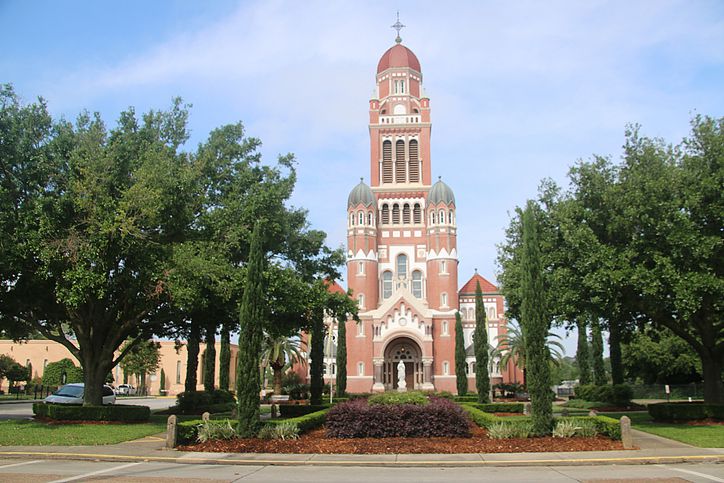
$500K + Social Security Will Last: 15.1 Years
Louisiana offers annual expenditures of $33,073 after Social Security, combined with retirement income exemptions and competitive tax rates. The state provides reasonable housing costs and unique cultural experiences.
Pelican State living offers a rich cultural heritage, mild winters, excellent cuisine, and vibrant communities. The state provides unique entertainment options, outdoor recreation, and strong social traditions that enhance retirement satisfaction.
Image Credit: artiste9999 / iStock.
20. Montana

$500K + Social Security Will Last: 15 Years
Montana provides annual expenditures of $33,374 after Social Security while offering moderate tax treatment of retirement income and reasonable living costs outside resort areas. The state provides natural beauty and outdoor recreation opportunities.
Big Sky Country provides stunning natural beauty, outdoor recreation, and small-town communities that appeal to retirees seeking active aging opportunities. The state offers safety, a clean environment, and unique cultural experiences.
Image Credit: raksyBH / istockphoto.
21. Ohio

$500K + Social Security Will Last: 14.7 Years
Ohio ties with Pennsylvania at annual expenditures of $33,915 after Social Security, while providing retirement income exemptions and competitive living costs throughout most regions. The state offers excellent healthcare systems and cultural amenities.
Buckeye State living combines Midwestern values with access to major cities, cultural attractions, and outdoor recreation. The state provides four seasons, friendly communities, and cost-effective entertainment options.
Image Credit: espiegle/iStock.
22. Pennsylvania

$500K + Social Security Will Last: 14.7 Years
Pennsylvania matches Ohio with $33,915 in annual expenditures after Social Security, enhanced by retirement income exemptions and competitive costs in many regions. The state offers diverse geography and cultural attractions.
Keystone State living offers a unique blend of history, cultural heritage, four distinct seasons, and diverse geography, ranging from mountains to vibrant cities. The state offers excellent healthcare, education opportunities, and entertainment options.
Image Credit: tingxi lu/istockphoto.
23. South Carolina

$500K + Social Security Will Last: 14.7 Years
South Carolina offers annual expenditures of $34,095 after Social Security, combined with favorable tax treatment for retirees, including exemptions for retirement income. The state provides reasonable housing costs and a mild climate.
Palmetto State living offers coastal access, mild winters, southern hospitality, and golf communities that appeal to many retirees. The state provides excellent recreational opportunities, cultural attractions, and friendly communities.
Image Credit: SeanPavonePhoto.
24. Minnesota
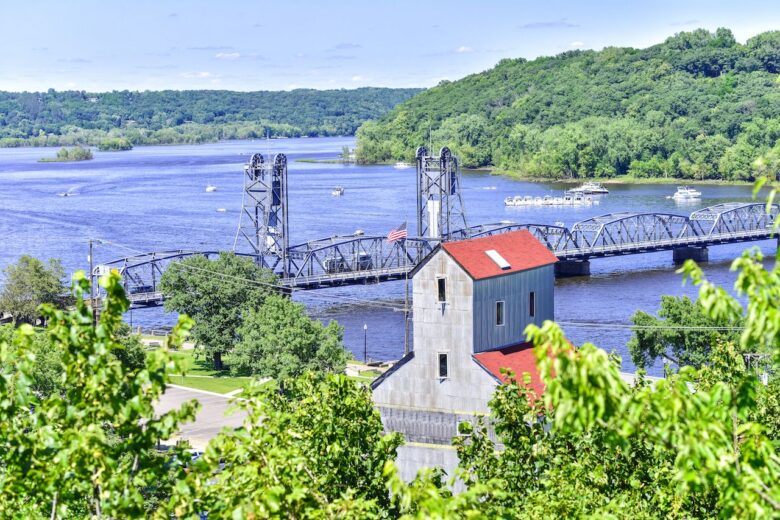
$500K + Social Security Will Last: 14.6 Years
Minnesota provides annual expenditures of $34,155 after Social Security, while offering partial exemptions for retirement income and excellent public services. The state provides quality healthcare and cultural amenities that justify slightly higher costs.
North Star State living provides excellent healthcare, cultural attractions, outdoor recreation, and strong community services. The state offers safety, education opportunities, and four distinct seasons with winter recreation options.
Image Credit: JoeChristensen/istockphoto.
Strategies for maximizing your $500K retirement

Downsizing represents one of the most effective ways to extend retirement savings, as selling a larger family home can free up substantial capital while reducing ongoing expenses for maintenance, utilities, and property taxes. This strategy works particularly well when combined with relocation to a lower-cost state, where the proceeds from selling a home in an expensive market can purchase comfortable housing with money left over for other retirement needs.
Part-time employment during the early retirement years can significantly extend the life of savings accounts while providing social interaction, mental stimulation, and continued purpose. Many retirees find that working 10-20 hours per week in enjoyable positions provides enough additional income to avoid withdrawing from retirement accounts during their most vulnerable early years, allowing investments more time to recover from market downturns.
Strategic budgeting becomes increasingly crucial during retirement, as fixed incomes require more careful management than traditional working years. Creating detailed budgets that account for healthcare costs, travel expenses, and inflation helps retirees understand precisely how long their money will last while identifying areas where costs can be reduced without significantly impacting quality of life.
Image Credit: Inside Creative House/istockphoto.
Conclusion

The dream of a comfortable retirement on $500,000 remains achievable for those willing to research carefully and make strategic decisions about where to spend their golden years. Geographic arbitrage offers one of the most powerful tools available to modest savers, effectively doubling or tripling the purchasing power of retirement accounts through careful state selection. The key lies in balancing cost considerations with lifestyle preferences to find locations that provide both financial sustainability and personal satisfaction.
Each retiree’s ideal destination depends on individual priorities, family considerations, and personal preferences that extend beyond pure financial calculations. Some may prioritize access to grandchildren over cost savings, while others might choose outdoor recreation opportunities or cultural amenities as primary decision factors. The most successful retirement planning involves an honest assessment of both financial resources and lifestyle priorities to identify the best possible compromises.
Check out our other retirement planning articles here at MediaFeed, where we continue providing practical guidance for making the most of your golden years, regardless of your starting financial position.
Related:
Like MediaFeed’s content? Be sure to follow us.
This article was syndicated byMediaFeed.org.
Image Credit: Prostock-Studio/istockphoto.