This article was reviewed by Craig Primack, MD, FACP, FAAP, FOMA.
With around 73 percent of Americans enjoying their daily coffee fix, it’s natural to wonder how your morning cup might interact with your prescription medication. So if you’re taking Ozempic or considering it, you might want to know whether coffee is still fair game.
The good news: There’s no known interaction between Ozempic and caffeine. But because both can affect digestion — and everyone’s tolerance is different — it’s worth taking a closer look.
Weight loss and diabetes medications like GLP-1 receptor agonists (GLP-1s), including Ozempic (semaglutide), can help stabilize blood sugar levels, support weight management, and address related issues like cardiovascular disease. But they can also come with side effects like nausea, reflux, or a sensitive stomach — especially early on — and coffee can be a gut irritant and appetite suppressant.
We’ll explore how Ozempic and coffee interact, offer tips for what to drink and eat on Ozempic, and answer the key question: Can you drink coffee on Ozempic?
Image Credit: Aleksei Isachenko/Istockphoto.
Semaglutide and Coffee: An Overview
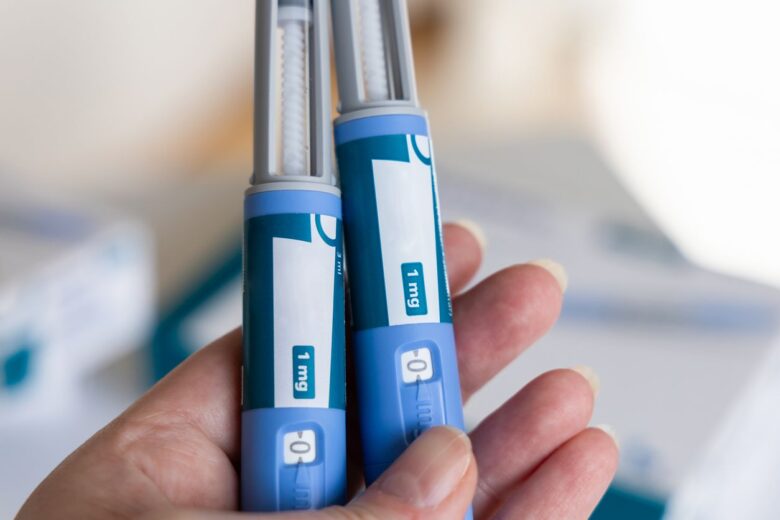
There’s currently no known interaction between coffee and semaglutide — the active ingredient in the brand-name injections Ozempic and Wegovy. So you can likely enjoy your coffee as you usually do.
Everyone’s tolerance for caffeine is different. The U.S. Food and Drug Administration (FDA) notes that two to three 12-ounce cups of coffee a day are okay for most people. But some research suggests that those with type 2 diabetes might be a little more sensitive to caffeine.
And since Ozempic can sometimes cause gastrointestinal side effects, it’s helpful to have a bit of information in case you experience them.
Image Credit: Carolina Rudah/istockphoto.
Wegovy and Coffee

Wegovy contains the same active ingredient as Ozempic, but it’s available in a higher dose of semaglutide and is FDA-approved specifically for weight management.
Because of the higher dosage, people taking Wegovy may be more likely to experience side effects like nausea or acid reflux (heartburn), especially when combining it with acidic or caffeinated drinks like coffee.
The good news is that these potential side effects of Wegovy typically only show up early on. They’re most often reported within the first few weeks of starting treatment or after a dose increase, and then subside as your body adjusts.
In clinical trials, around 44 percent of people taking the 2.4-milligram (mg) dose of semaglutide (the highest dose of Wegovy) experienced nausea, as opposed to about 20 percent of people taking a 1-milligram dose of semaglutide.
But everyone’s tolerance is different, as is what triggers gastrointestinal discomfort, so it may take a little trial and error.
Let’s dig into more details about how semaglutide and coffee may interact.
Image Credit: Carolina Rudah / iStock.
Ozempic and Coffee Interactions

It’s possible for your body to react differently to certain foods and drinks when you start a new medication like Ozempic. So, if coffee tends to upset your stomach or cause discomfort in general, you might want to be cautious when combining Ozempic with a cup of joe.
GLP-1s like Ozempic and Wegovy also impact gastric emptying by allowing food to stay in your stomach (and make you feel full) longer. Most research shows that caffeinated drinks probably don’t impact appetite or gastric emptying — at least not in the way that semaglutide does.
That said, some sugary, greasy, and fatty foods are also linked to slowed digestion. So, it may be more important to pay attention to sugar content and latte additives than coffee alone.
Still, drinking too much coffee can have its own set of side effects, some of which overlap with those of Ozempic.
Image Credit: Meeko Media/istockphoto.
Semaglutide Side Effects — With or Without Coffee

The most common side effects of Ozempic include:
-
Constipation
-
Vomiting
-
Diarrhea
-
Stomach pain or abdominal pain
Some of the overlapping side effects between Ozempic and having too much caffeine include:
-
Shakiness
-
Insomnia
-
Headaches
-
Dizziness
-
Increased heart rate
-
Dehydration
If you’re prescribed GLP-1s for weight loss, it’s worth considering the side effects of semaglutide and caffeine.
Image Credit: fizkes/Istockphoto.
How Coffee Affects the Body While on Ozempic

We’ll go over a few more details about coffee and its effects on the body so you feel equipped with information as you navigate the process.
1. Coffee Can Be Acidic
Craig Primack, MD, FACP, FAAP, MFOMA, who serves as the Senior Vice President of Weight Loss at Hims & Hers, points out that drinks “that increase acid may cause problems,” like gas and bloating.
Coffee has been linked with increased stomach acid.
So, if you’re sensitive to coffee or have experienced issues with it in the past, it might be a good idea to monitor how you feel. If you do notice any new symptoms like acid reflux, discuss your concerns with your provider.
All this is to say: If you find that your morning brew worsens your symptoms, try drinking it after food or switching to a lower-acid variety. If you’re not big on breakfast, our coffee protein shake recipe might be a good compromise.
Image Credit: thesomegirl.
2. Coffee May Raise Cortisol

Drinking too much coffee can affect your stress levels, which is worth considering as you manage your overall health with Ozempic.
When you wake up in the morning or are startled, your body naturally produces cortisol, often called the “stress hormone.” This hormone helps you feel more alert, but too much of it can be problematic.
When you consume caffeine in large amounts — whether in the form of coffee or an energy drink — it can elevate your cortisol levels. If you’ve ever felt jittery after a cup of coffee (or three), this might be why. High cortisol levels can lead to increased heart rate and blood pressure.
Also, stress can influence your eating habits. When you’re stressed, you might find yourself reaching for sugary, salty, or high-fat foods. A 2019 study even suggested that people who experience higher stress levels are more likely to crave these types of foods. So while coffee alone might not directly cause weight gain, it could lead to stress-related eating behaviors that impact your weight.
Being mindful of your coffee intake and how it affects your stress and eating habits can be a useful part of your health strategy with Ozempic or Wegovy.
You may even try swapping coffee with something like matcha (we have a great matcha recipe to start with).
Image Credit: PeopleImages/istockphoto.
3. Coffee Drinks Can Be Calorie-Dense

Another thing to consider is what you add to your coffee, like sugars, processed syrups, and high-fat dairy products. These extras can temporarily raise blood glucose levels and contribute to weight gain, which is something to keep in mind if you’re prescribed semaglutide to support weight loss.
As one review of research noted, drinking high-calorie beverages with lots of sugar can lead to weight gain.
The review also pointed out that Americans get more than 300 percent of the recommended daily amount of added sugar a day — so having coffee without it might be a good way to cut back. Sweetened drinks contribute extra calories to your overall daily intake, which can eventually lead to weight gain.
Keeping an eye on both your coffee and what you put in it can help you stay on track with your weight management and diabetes care.
Image Credit: Sana Grebinets/Istockphoto.
4. Too Much Coffee Might Be Dehydrating

Although moderate caffeine intake probably isn’t dehydrating, caffeine can act as a diuretic. In other words, drinking too much of the stuff could lead to dehydration if you don’t drink enough water.
Also, since some of the side effects of Ozempic — like vomiting and diarrhea — can be dehydrating, it’s crucial to be extra on top of staying well-hydrated.
In sum, if you enjoy a little coffee, make sure to balance it with plenty of water throughout the day to keep yourself hydrated and support your body’s natural functions.
Image Credit: PeopleImages/istockphoto.
Health Benefits of Coffee While on Ozempic

Now for some good news: Coffee can offer a range of positive benefits. You might be curious if it can help with weight loss, so let’s explore that.
Research suggests that coffee intake may boost resting metabolic rate — the number of calories you burn while at rest.
For example, a notable study found that after drinking caffeinated coffee, fat oxidation (fat burning) increased by 29 percent in women with a healthy BMI (body mass index) and by 10 percent in those with obesity.
Coffee can also make you feel more alert and energized, which might encourage you to exercise more — a vital part of any weight loss plan. Plus, one study suggested that caffeine can make it feel like you’re exerting less effort during a workout, potentially boosting your performance.
Also, drinking black coffee — or just adding a splash of low-fat milk — doesn’t tack on many extra calories to overall caloric intake. In fact, it can be nearly calorie-free, with about two calories per cup, plus the calories from the milk.
Overall, coffee can be a helpful part of your routine, especially if you’re watching your calorie intake and looking for an energy boost for your workouts.
Image Credit: DragonImages/Istockphoto.
What to Drink on Ozempic

Ozempic doesn’t require a strict diet — at least not according to its FDA guidelines. But now that you have more context about coffee and Ozempic, we thought we’d offer up additional tips on what to eat and drink on GLP-1s.
If you want to switch to beverages that have lower levels of caffeine than coffee, you could consider green tea. You could also opt for herbal teas or decaf coffee.
A “golden latte” is another good option if you appreciate the ritual of drinking something warm to kickstart your day. It’s made with herbal ingredients like turmeric, cardamom, ginger, and your choice of milk.
As mentioned, drinking plenty of water throughout the day is good for weight loss and overall health.
As far as other beverages to avoid while taking Ozempic, you might want to cut back on alcohol consumption. Heavy drinking and binge drinking are linked with having:
-
A higher BMI
-
Higher odds of obesity
-
An increased risk of high blood pressure (hypertension)
-
An elevated risk of high cholesterol
But research shows that frequent light-to-moderate alcohol intake isn’t associated with obesity. So, as with coffee, moderation is key.
You might wonder, Should I take Ozempic on an empty stomach? You can, but you don’t have to. Ozempic can be administered with or without food.
Image Credit: JNemchinova/Istockphoto.
What to Eat on Ozempic
As for what to eat on Ozempic and Wegovy, a nutritious, balanced diet is an essential part of a semaglutide treatment plan. Some foods to eat on Ozempic include:
-
Lean proteins
-
Whole grains and other complex carbohydrates (like oats, farro, and barley)
-
Fruits and vegetables
Here’s what Novo Nordisk, the pharmaceutical company that produces Ozempic and Wegovy, recommends if you experience gastrointestinal side effects:
-
Eat bland, low-fat foods.
-
Consume foods that contain water, like soups and gelatin.
-
Avoid fried, processed, or sugary foods or drinks.
-
Try not to lie down right after you eat.
-
Go outside to get some fresh air.
-
Try to eat more slowly.
In general, it’s always wise to discuss any specific dietary habits or concerns with your healthcare provider.
Image Credit: imyskin/istockphoto.
Key Takeaways: Ozempic and Coffee
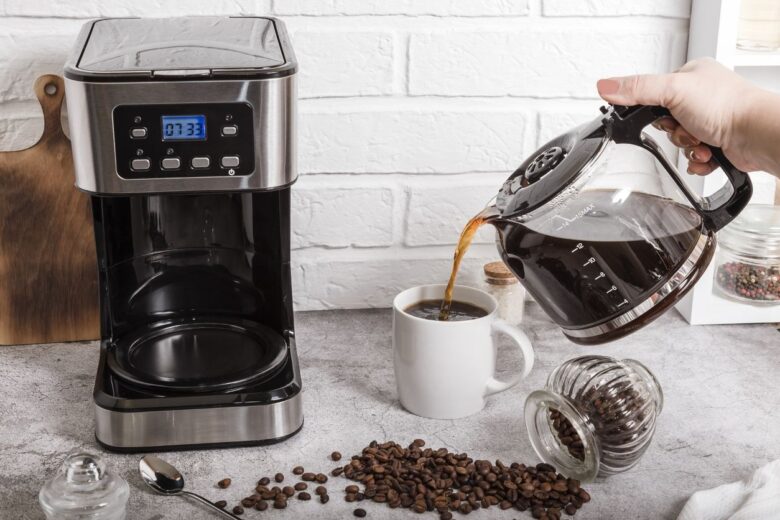
So, what’s the verdict? Can you drink coffee on semaglutide? Yes, a cup or two a day is just fine.
Here’s what to keep in mind about semaglutide and coffee consumption:
-
While there haven’t been specific studies on caffeine and semaglutide, you can probably continue to enjoy coffee in moderation. That said, it’s always best to consult a dietitian or healthcare professional for medical advice.
-
Be aware of the side effects of Ozempic and drinking too much caffeine, since some of them can overlap. The most common side effects of GLP-1s are gastrointestinal. Too much coffee can also lead to dehydration, gas, bloating, and elevated stress.
-
There aren’t any specific dietary restrictions for Ozempic, but eating a nutritious, balanced diet is advised for optimal results. And although many coffee preparations are really sugary and high in fat, black coffee or coffee with a splash of milk can actually have some health benefits and be part of a healthy lifestyle.
-
It may take some trial and error to see what works for you as your body adjusts. When in doubt, reach out to your healthcare provider for more insight.
Think you might be a good fit for GLP-1 medications? Hers provides online access to healthcare providers who can help you get started on your weight loss and fitness journey.
Related:
Can’t lose weight? Check your gut health
Weight lifting for weight loss: Is it actually effective?
Like MediaFeed’s content? Be sure to follow us.
This article originally appeared on Forhers.com and was syndicated by MediaFeed.org
Image Credit: Svetlana Evgrafova/Istockphoto.