8 popular ’80s songs that take us back
The 1980s pulsed with an electric energy that transformed not just music, but the entire cultural landscape of America. This was the decade when MTV revolutionized how we consumed music, when synthesizers and drum machines created sounds we’d never heard before, and when artists became larger-than-life personas who dominated both radio and our imaginations. Fashion was bold and unapologetic, hair was bigger than ever, and music videos became miniature movies that told stories as compelling as the songs themselves.
What makes certain songs transcend their original moment to become permanent fixtures in our collective memory? It’s more than just catchy melodies or memorable lyrics. These tracks captured the spirit of their times so perfectly that hearing them instantly transports us back to neon-lit dance floors, packed arenas, and the boundless optimism of a decade that believed anything was possible. They don’t just remind us of the ’80s; they make us feel what it was like to live through them.
These eight songs represent more than musical achievements; they’re cultural time capsules that continue to evoke the unique magic of the 1980s. Each one captures a different facet of the decade’s musical DNA, from the birth of the music video to the evolution of pop stardom, from the power of arena rock to the sophistication of new wave. Together, they form a soundtrack that still has the power to make us dance, sing along, and remember why the ’80s remain one of music’s most beloved decades.
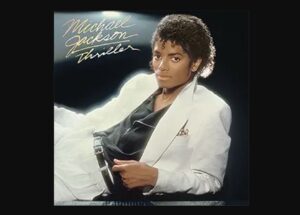
“Billie Jean” by Michael Jackson (1982)
Michael Jackson’s “Billie Jean” didn’t just top charts – it shattered barriers and redefined what popular music could achieve. The song’s hypnotic bassline, delivered with surgical precision, created an irresistible groove that made dancing inevitable, while Jackson’s distinctive vocal delivery told a complex story of fame, responsibility, and denial. But it was the accompanying music video that truly changed everything, featuring Jackson’s legendary moonwalk and transforming MTV from a niche cable channel into a cultural powerhouse.
The track embodies everything that made ’80s pop transcendent: meticulous production, undeniable rhythm, and visual innovation that elevated the song beyond mere audio entertainment. When that bassline kicks in, you’re instantly transported back to a time when music videos were events, when one artist could unite the entire world in dance, and when the King of Pop reigned supreme over a musical landscape he helped create.

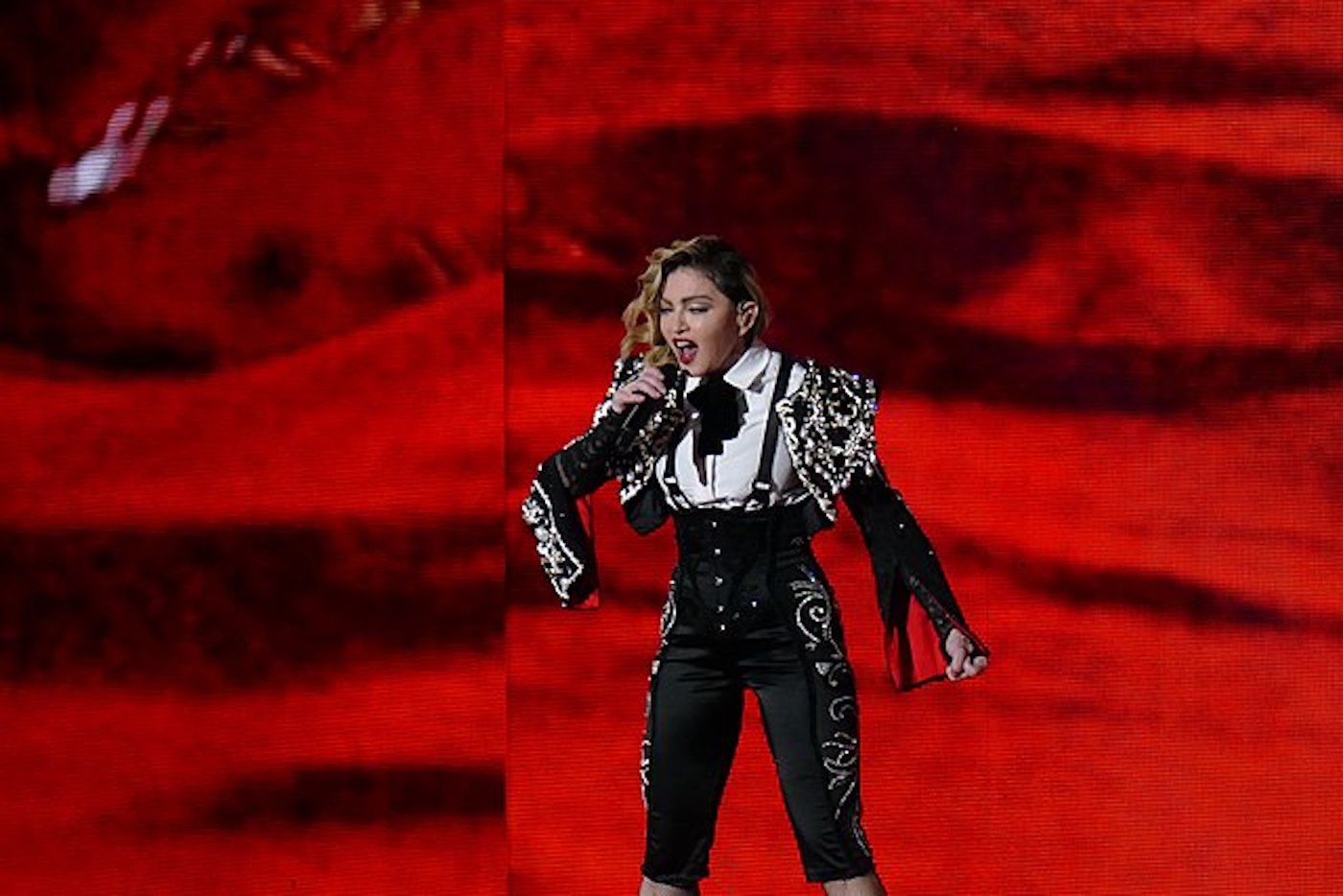
“Like a Virgin” by Madonna (1984)
Madonna’s “Like a Virgin” was a cultural earthquake disguised as a pop song, challenging everything society expected from female performers while delivering an undeniably catchy synth-pop anthem. The song’s provocative themes and Madonna’s fearless attitude made her an instant lightning rod for controversy and adoration, establishing her as the patron saint of pop rebellion and female empowerment in an era that desperately needed both.
The track’s significance extends far beyond its chart performance – it marked the moment when pop music became a battlefield for cultural and sexual liberation. Madonna’s boundary-pushing approach, culminating in her legendary performance at the 1984 MTV VMAs, transformed her into more than just a singer; she became a cultural revolutionary whose influence shaped not just music but fashion, sexuality, and the very definition of female stardom in the ’80s.

“Don’t Stop Believin'” by Journey (1981)
Few songs capture the boundless optimism and blue-collar dreams of the early ’80s quite like Journey’s “Don’t Stop Believin’.” With Steve Perry’s soaring vocals riding over a memorable piano riff that builds to one of rock’s most singable choruses, the song became the ultimate anthem of hope and perseverance. Its narrative structure, following characters seeking their fortunes in the big city, perfectly encapsulated the American dream spirit that defined the Reagan era.
The song’s enduring power lies in its ability to transform any venue into a communal celebration of resilience and possibility. Whether echoing through packed stadiums, karaoke bars, or feel-good movie montages, “Don’t Stop Believin'” instantly transports listeners back to a time when arena rock ruled, when believing in yourself felt like a revolutionary act, and when a great chorus could unite thousands of strangers in joyous harmony.

“Take on Me” by A-Ha (1985)
The instantly recognizable synth riff of A-Ha’s “Take on Me” represents everything that made ’80s music uniquely captivating – innovative technology, irresistible melodies, and visual artistry that pushed creative boundaries. The Norwegian trio’s breakthrough hit showcased the synth-pop genre at its most accessible and inventive, combining high-pitched vocals with electronic instrumentation that felt both futuristic and emotionally immediate.
But it was the song’s groundbreaking music video, featuring rotoscoped animation that seamlessly blended live-action with pencil-sketch imagery, that cemented its place in pop culture history. The visual innovation perfectly matched the song’s sonic adventurousness, creating a complete artistic statement that exemplified the ’80s belief that music videos should be as important as the songs themselves. Hearing those opening synth notes instantly recalls a decade when creativity and technology merged to create magic.

“Girls Just Want to Have Fun” by Cyndi Lauper (1983)
Cyndi Lauper’s “Girls Just Want to Have Fun” burst onto the scene like a kaleidoscope explosion, bringing vibrant colors, infectious joy, and a message of female liberation wrapped in the most irresistible pop package imaginable. Lauper’s distinctive vocal style, combining power with playfulness, turned this anthem into more than just a song – it became a declaration of independence for women everywhere who refused to apologize for seeking happiness on their terms.
The track perfectly captured the whimsical, colorful side of ’80s pop culture, reflecting a decade that celebrated individuality, creativity, and the radical notion that fun was not only acceptable but essential. Lauper’s quirky persona and the song’s upbeat tempo created an instant mood booster that still has the power to transform any gathering into a dance party, reminding us of a time when pop music served as both entertainment and empowerment.

“Livin’ on a Prayer” by Bon Jovi (1986)
When Bon Jovi’s “Livin’ on a Prayer” explodes from speakers, it instantly conjures images of big hair, leather jackets, and the unstoppable energy of ’80s arena rock. The song’s talk box guitar effect, courtesy of Richie Sambora, created one of the decade’s most distinctive sounds. At the same time, Jon Bon Jovi’s soaring vocals told a story of working-class love and determination that resonated with millions of listeners facing their struggles.
This quintessential hair metal power ballad became more than just a song – it evolved into a cultural phenomenon that defined stadium rock’s golden age. Its massive singalong chorus and anthemic energy made it the perfect soundtrack for a decade that believed in dreaming big, working hard, and never giving up. Every time that iconic guitar riff kicks in, you’re transported back to an era when rock stars were larger than life and every concert felt like a communal celebration of possibility.

“Every Breath You Take” by The Police (1983)
The Police’s “Every Breath You Take” showcased the sophisticated side of ’80s music, proving that new wave could be both intellectually complex and massively popular. Sting’s deceptively simple guitar riff, influenced by reggae rhythms and minimalist composition, created a hypnotic foundation for lyrics that revealed darker undertones beneath their romantic surface. The song’s pervasive radio presence and haunting quality defined a particular mood of the era.
The track demonstrated how ’80s artists could blend accessibility with artistry, creating music that worked equally well on dance floors and in more contemplative moments. Its minimalist music video and subtle musical sophistication represented the decade’s more introspective side, proving that popular music could be both commercially successful and emotionally complex. The song’s enduring presence in popular culture speaks to its perfect capture of ’80s musical sophistication.

“With or Without You” by U2 (1987)
U2’s “With or Without You” captured the emotional intensity and spiritual searching that characterized the decade’s more serious musical explorations. Bono’s passionate vocals, combined with The Edge’s signature guitar sound that built from whisper to roar, created a sonic cathedral that elevated the song beyond typical rock ballad territory. The track’s careful build-up and emotional release demonstrated how ’80s artists could make music that was both deeply personal and universally resonant.
This powerful anthem cemented U2’s transformation from post-punk upstarts to global superstars, representing the more introspective and spiritually ambitious side of ’80s rock. The song’s widespread critical acclaim and emotional depth proved that the decade could produce music of lasting artistic merit alongside its more commercial offerings. When those opening guitar notes ring out, you’re instantly connected to an era when rock music reached for transcendence and often achieved it.

The enduring appeal of ’80s music
The lasting power of these songs lies in their perfect marriage of sophisticated craftsmanship and irresistible accessibility. Music production techniques of the ’80s created sounds that were both cutting-edge and emotionally immediate, using new technology to enhance rather than replace fundamental songwriting skills. These tracks demonstrate how the decade’s artists mastered the art of creating melodies that stick in your memory while addressing themes that resonate across generations.
Beyond their musical merit, these songs shaped cultural movements that extended far beyond the recording studio. They influenced fashion trends, defined dance styles, and created visual aesthetics that continue to inspire artists today. The decade’s emphasis on music videos as artistic statements meant that these songs didn’t just sound distinctive – they looked distinctive too, creating complete cultural packages that defined how entire generations experienced music.
Perhaps most remarkably, these tracks continue to find new audiences decades after their original release. Streaming data shows that younger listeners are discovering ’80s music at unprecedented rates, suggesting that great songwriting and authentic emotion transcend generational boundaries. Whether found through movie soundtracks, viral videos, or simple word-of-mouth recommendations, these songs prove that genuine artistry never goes out of style.
Conclusion
These eight songs represent just a fraction of the incredible musical wealth that the 1980s produced, yet each one perfectly encapsulates different aspects of what made the decade so musically significant. From the dance floor innovations of “Billie Jean” to the spiritual searching of “With or Without You,” they demonstrate the remarkable range and ambition that characterized ’80s popular music at its finest.
The enduring power of these tracks lies in their ability to serve as musical time machines, instantly transporting listeners back to a decade defined by optimism, creativity, and the unshakeable belief that music could change the world. They remind us that the most incredible songs preserve entire eras in three-minute packages, keeping the spirit of the past alive for future generations to discover and cherish.
Ready to dive deeper into the music that defined a generation? Explore more of our ’80s retrospectives and classic music deep-dives here at MediaFeed for additional journeys through the songs, artists, and cultural moments that made the decade unforgettable!
Related:
- 7 popular songs you didn’t know were written by other artists
- 14 songs from 1968: Can you name them from just one line?
Like MediaFeed’s content? Be sure to follow us.
This article was syndicated by MediaFeed.org.